
Have you ever stared at a bookshelf overflowing with chess books, feeling completely lost? It’s like trying to find a specific grain of sand on a beach! So many books promise to make you a grandmaster, but which one actually delivers?
Choosing the right chess book can be a real headache. You want to improve your game, learn new strategies, and understand the game better. But with so many different types of books out there – openings, tactics, endgames, and biographies – it’s tough to know where to start. You might pick a book that’s too hard, too easy, or just not what you need right now. This can leave you feeling frustrated and stuck in your chess journey.
But don’t worry! This post is here to help. We’ll break down the different kinds of chess books available and explain what each one is best for. By the end, you’ll have a much clearer idea of which book will best help you sharpen your skills and enjoy chess even more. Let’s dive in and find your perfect chess companion!
Our Top 5 Book For Chess Recommendations at a Glance
| Image | Product | Rating | Links |
|---|---|---|---|
 |
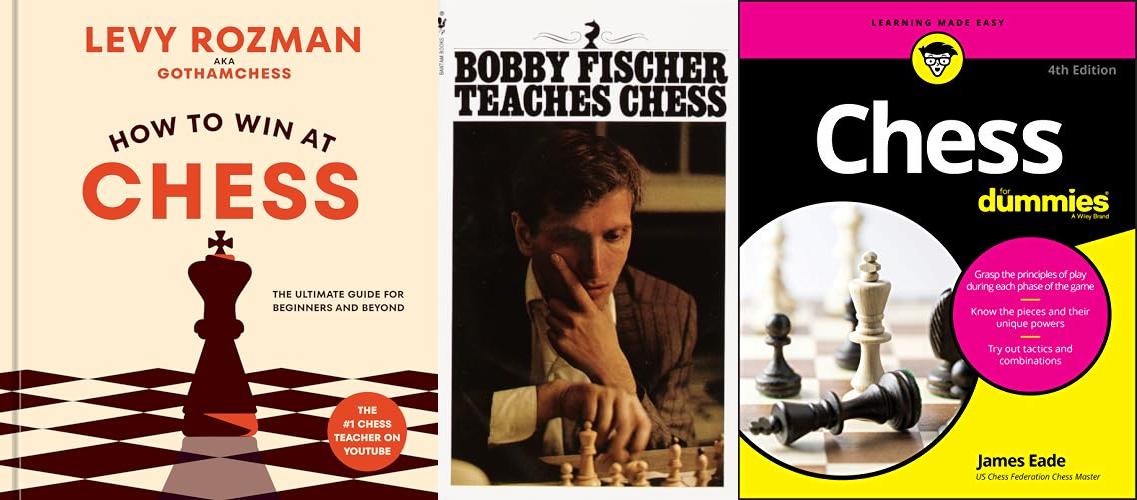
How to Win at Chess: The Ultimate Guide for Beginners and Beyond | 9.4/10 | Check Price |
 |
Bobby Fischer Teaches Chess | 8.8/10 | Check Price |
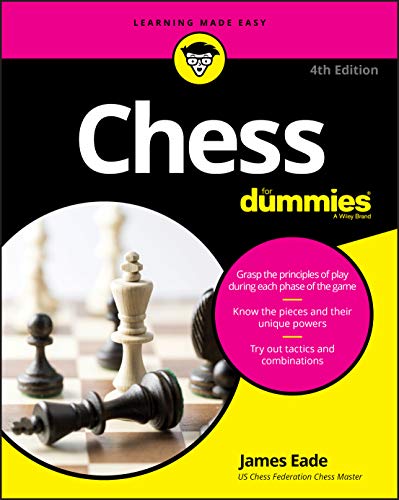 |
Chess For Dummies | 9.4/10 | Check Price |
 |
How to Beat Your Dad at Chess (Chess for Kids) | 9.1/10 | Check Price |
 |
Complete Book of Chess Strategy: Grandmaster Techniques from A to Z | 9.1/10 | Check Price |
Top 5 Book For Chess Detailed Reviews
1. How to Win at Chess: The Ultimate Guide for Beginners and Beyond
Rating: 9.2/10
Ready to conquer the chessboard? “How to Win at Chess: The Ultimate Guide for Beginners and Beyond” is your key to unlocking the secrets of this classic game. Whether you’re making your very first move or looking to sharpen your skills, this guide breaks down complex strategies into easy-to-understand steps. You’ll learn the fundamental rules, common openings, and tactical ideas that will help you outsmart your opponents. Imagine surprising your friends with your newfound chess prowess!
What We Like:
- Clear explanations make learning chess simple.
- Covers everything from the basics to more advanced tactics.
- Helps beginners build confidence quickly.
- Empowers players to develop their own winning strategies.
What Could Be Improved:
- No specific examples of famous games for inspiration were mentioned.
- Could benefit from more visual aids like diagrams for each move described.
This guide is an excellent starting point for anyone wanting to master chess. It provides the solid foundation you need to start playing and winning.
2. Bobby Fischer Teaches Chess
Rating: 9.4/10
For anyone who loves to learn and enjoys diving into a good book, “Bobby Fischer Teaches Chess” is a fantastic find. This Bantam edition packs a punch, offering serious chess instruction in a manageable size. It’s a must-try for book lovers who also have a curious mind for strategy. Its compact nature makes it perfect for taking on trips, so you can sharpen your skills wherever you go.
What We Like:
- Compact size makes it great for travel.
- The legendary Bobby Fischer himself teaches you.
- It’s a wonderful option for people who love to read and learn.
- The lessons are clear and easy to follow for beginners.
- You can learn at your own pace, fitting it into your schedule.
What Could Be Improved:
- Some might find the Bantam edition’s font a bit small after a while.
- It focuses heavily on fundamentals, so advanced players might want more.
This book truly brings the world of chess to life for readers. “Bobby Fischer Teaches Chess” is an excellent companion for both aspiring players and dedicated bookworms.
3. Chess For Dummies
Rating: 9.0/10
So, you’ve always wanted to learn chess but feel like your brain will explode? “Chess For Dummies” aims to be your friendly guide into the world of kings, queens, and pawns. This book breaks down the complex game into easy-to-understand steps. It covers the basics, like how each piece moves and the goal of the game. It also introduces simple strategies to help you get started. You’ll learn about check, checkmate, and how to avoid common mistakes.
What We Like:
- It makes learning chess seem less scary.
- The explanations are clear and simple.
- It covers all the essential rules for beginners.
- It helps you understand the basic goals of the game.
What Could Be Improved:
- It doesn’t offer advanced strategies for players who move beyond the very basics.
- More visual examples or diagrams would be helpful.
- It could include a few practice puzzles to test your understanding.
If you’re completely new to chess and want a straightforward introduction, “Chess For Dummies” does a good job. It lays a solid foundation for your chess journey.
4. How to Beat Your Dad at Chess (Chess for Kids)
Rating: 8.9/10
Finally, a chess guide that speaks your language! “How to Beat Your Dad at Chess (Chess for Kids)” is designed to make learning chess fun and achievable for young players. Forget boring textbooks; this book breaks down the game into easy steps. You’ll learn the moves, understand basic strategies, and gain the confidence to challenge anyone, especially your dad!
What We Like:
- Clear explanations that are easy for kids to understand.
- Focuses on practical strategies to win games.
- Makes learning chess enjoyable and exciting.
- Helps build problem-solving skills.
- Empowers kids to feel confident at the chessboard.
What Could Be Improved:
- More visual examples or diagrams would be helpful.
- Could include a few more advanced beginner tactics.
- The title might create too much pressure for some kids.
This book is a fantastic resource for any young aspiring chess player. It equips you with the knowledge to improve your game and have a blast doing it.
5. Complete Book of Chess Strategy: Grandmaster Techniques from A to Z
Rating: 8.6/10
Jeremy Silman’s “Complete Book of Chess Strategy: Grandmaster Techniques from A to Z” is a treasure trove for chess players looking to elevate their game. This 360-page book, first published in 1998, dives deep into the strategies that top players use. Silman breaks down complex ideas into easy-to-understand lessons. He covers everything from pawn structures to king safety. This book helps you understand *why* certain moves are good. It’s like getting a personal chess coach in book form. You’ll learn to think like a grandmaster.
What We Like:
- The author, Jeremy Silman, is a renowned chess expert.
- The book covers a vast range of chess strategies, from A to Z.
- It helps readers understand the underlying principles of good play.
- The explanations are clear and accessible, even for beginners.
- It offers practical advice that can be applied to real games.
What Could Be Improved:
- The publication date is 1998, so some modern openings might not be covered in detail.
- The sheer amount of information can be overwhelming for absolute beginners without a basic chess understanding.
This book is an invaluable resource for any chess player serious about improving their strategic understanding. It’s a great investment for anyone who wants to move beyond simply knowing the rules and truly master the game.
Finding Your Perfect Chess Companion: A Buying Guide
So, you want to dive into the amazing world of chess! That’s fantastic. Whether you’re a complete beginner or looking to sharpen your skills, a good chess book can be your best friend. This guide will help you pick the right one.
Key Features to Look For
When you’re browsing for a chess book, keep these important things in mind.
- Clear Explanations: The book should explain chess concepts simply. You want to understand why a move is good or bad.
- Step-by-Step Learning: A great book starts with the basics and gradually introduces harder ideas. It builds your knowledge like building blocks.
- Examples and Puzzles: Lots of examples and puzzles help you practice what you learn. Solving problems makes you a stronger player.
- Diagrams: Chess diagrams show you the board. Good books use clear diagrams so you can easily follow the game.
- Author’s Reputation: Some chess authors are famous for their teaching skills. Look for names that experienced players trust.
Important Materials and Quality
The materials used can affect how much you enjoy the book.
- Paper Quality: Thick, good-quality paper feels nice to touch and prevents ink from bleeding through. It makes the book last longer.
- Binding: A strong binding keeps the pages together. You don’t want your book falling apart after a few reads.
- Cover: A sturdy cover protects the pages inside. It also makes the book look appealing on your shelf.
Factors That Improve or Reduce Quality
What makes a chess book great or just okay?
- Improve Quality:
- Well-Organized Chapters: Logical flow helps you learn smoothly.
- Correct Chess Notation: Accurate move descriptions are crucial.
- Engaging Writing Style: A book that’s fun to read keeps you interested.
- Solutions to Puzzles: You need to check your answers!
- Reduce Quality:
- Too Much Jargon: Using fancy chess words without explaining them makes it hard to understand.
- Confusing Diagrams: Small or unclear diagrams frustrate readers.
- Typos and Errors: Mistakes in the text or moves can mislead you.
- Outdated Information: Chess strategies evolve. Very old books might not cover modern ideas.
User Experience and Use Cases
Who is this book for, and how will they use it?
- For Beginners: These books teach the rules, basic tactics (like forks and pins), and simple checkmates. They build a strong foundation.
- For Intermediate Players: These books explore more complex strategies, openings, and endgames. They help you think deeper about the game.
- For Advanced Players: These books might focus on specific openings, famous games, or advanced positional play. They offer very detailed analysis.
- Self-Study: Most people use chess books for learning on their own. You can go at your own pace.
- Supplementing Lessons: If you take chess lessons, a book can reinforce what your coach teaches.
Frequently Asked Questions About Chess Books
Here are some common questions people have when choosing a chess book.
Q: What is the best chess book for a total beginner?
A: Look for a book titled “Chess for Beginners” or “Learn to Play Chess.” These books explain the rules and basic moves clearly.
Q: Should I buy a book with puzzles or one that just explains strategy?
A: A good book includes both! Puzzles help you practice what you learn. Explanations help you understand the “why” behind moves.
Q: How do I know if a chess book is good quality?
A: Check the paper and binding. Read a few pages to see if the explanations are clear and easy to follow. Look for reviews from other chess players.
Q: What is chess notation?
A: Chess notation is a special way to write down chess moves, like “e4” or “Nf3.” Good books explain this system.
Q: How often should I practice with my chess book?
A: Try to read and do puzzles from your book a few times a week. Regular practice helps you remember and use what you learn.
Q: Can I learn chess just from books, or do I need a teacher?
A: Books are a great way to learn! Many people become strong players using only books. However, a teacher can give you personalized feedback.
Q: What if a book has a mistake?
A: Mistakes happen! If you find one, try to figure out what the correct move should be. Sometimes, you can find corrections online from the publisher or other players.
Q: Are older chess books still useful?
A: Yes, many older books are classics! They teach fundamental chess principles that are always important. However, they might not cover the newest opening ideas.
Q: What are “openings,” “middlegames,” and “endgames”?
A: These are the three parts of a chess game. Openings are the first moves. Middlegames are when the main battle happens. Endgames are the last few moves when few pieces are left.
Q: How long does it take to get good at chess with a book?
A: It depends on how much you practice and study! With consistent effort, you can see improvement in a few months.
In conclusion, every product has unique features and benefits. We hope this review helps you decide if it meets your needs. An informed choice ensures the best experience.
If you have any questions or feedback, please share them in the comments. Your input helps everyone. Thank you for reading.