
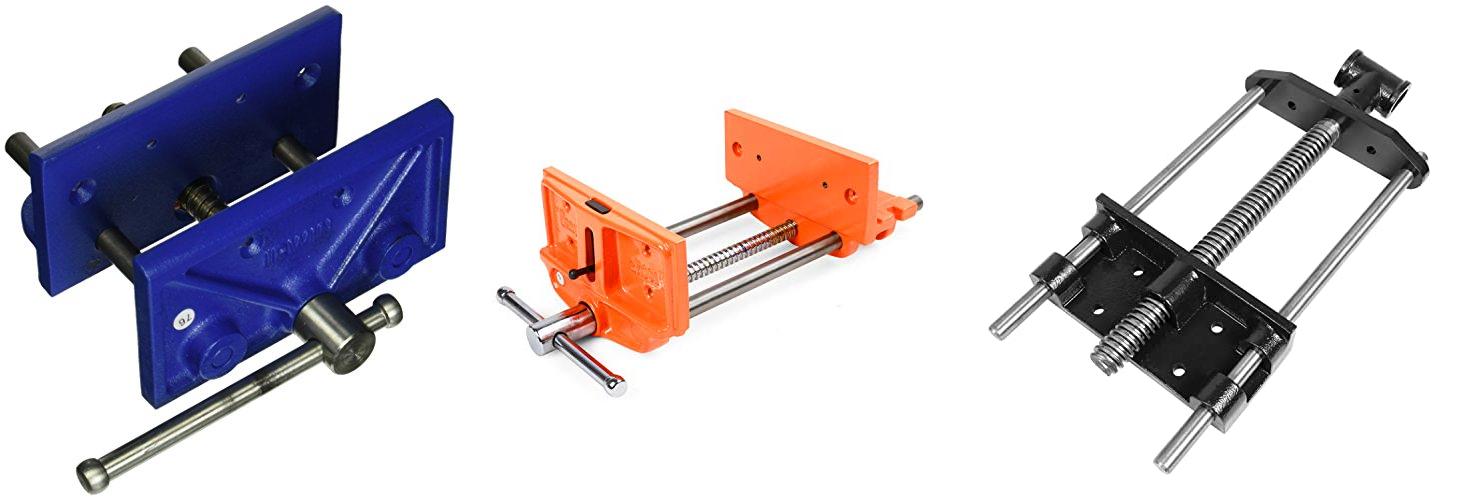
Imagine trying to hold a wobbly piece of wood steady while you saw or carve. It’s frustrating, right? That’s where a good bench vise comes in. It’s like a helpful hand that grips your work tightly, letting you focus on making beautiful things. But with so many vises out there, picking the perfect one can feel like a puzzle.
You want a vise that holds strong but doesn’t damage your wood. You need one that’s easy to use and lasts a long time. It’s tough to know which features matter most and what makes one vise better than another for your woodworking projects. Don’t worry, we’re here to clear things up!
By the time you finish reading this, you’ll understand what makes a great woodworking vise. We’ll break down the important parts and help you find the one that fits your needs and your budget. Get ready to say goodbye to wobbly workpieces and hello to smoother, more enjoyable woodworking.
Our Top 5 Bench Vise For Woodworking Recommendations at a Glance
| Image | Product | Rating | Links |
|---|---|---|---|
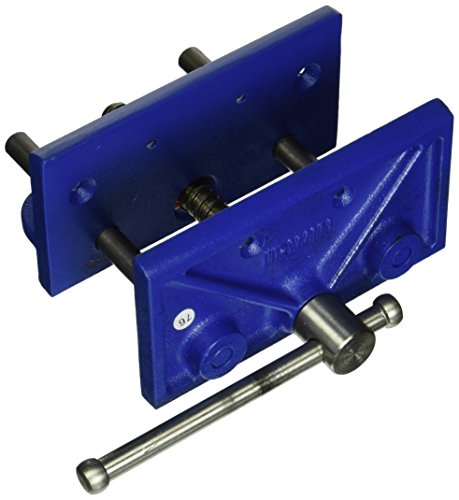 |
IRWIN Tools Woodworker’s Vise | 8.7/10 | Check Price |
 |
Pony Jorgensen 27091 Medium Duty Woodworker’s Vise | 8.8/10 | Check Price |
 |
HFS(R) Woodworking Bench Vise | 8.6/10 | Check Price |
 |
O’SKOOL 9 Inch Quick Release Workbench Front Vise for Woodworking | 9.5/10 | Check Price |
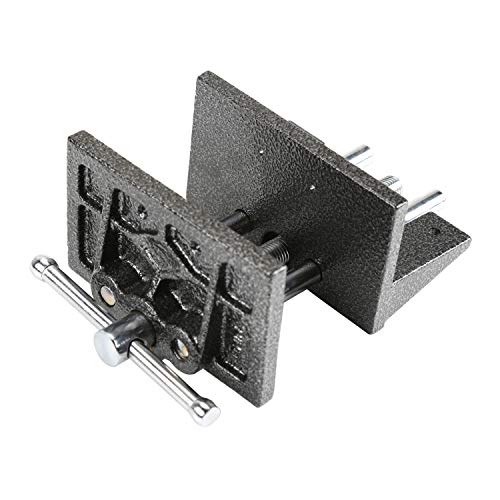 |
Olympia Tools 38-736 Woodworker’s Vise | 8.9/10 | Check Price |
Top 5 Bench Vise For Woodworking Detailed Reviews
1. IRWIN Tools Woodworker’s Vise
Rating: 8.9/10
The IRWIN Tools Woodworker’s Vise, 6 1/2″, 226361 is a sturdy and reliable tool for your workshop. It’s designed to hold your projects securely so you can work with confidence. This vise makes woodworking tasks easier and more precise.
What We Like:
- The top jaws angle inward, which grabs your workpiece really well.
- Its square body makes it simple to mount under your workbench.
- You can add wooden pieces to the jaws to keep your work from getting scratched.
- It opens up to 4-1/2 inches, which is great for most light woodworking jobs.
- It’s made from strong, forged iron, so it will last a long time.
What Could Be Improved:
- For very large or heavy-duty projects, a larger vise might be needed.
- While durable, the 6 1/2″ size might be limiting for some specialized tasks.
This IRWIN vise is a solid choice for any woodworker needing a dependable way to hold their projects. It offers great features for its size and price point.
2. Pony Jorgensen 27091 Medium Duty Woodworker’s Vise
Rating: 9.4/10
The Pony Jorgensen 27091 Medium Duty Woodworker’s Vise is a handy tool for anyone who works with wood. It’s designed to clamp onto the front of your workbench, giving you a secure place to hold your projects. Whether you’re a hobbyist at home, working in a small shop, or even a professional, this vise can handle your medium-duty tasks. Its orange and grey colors make it easy to spot in your workshop.
What We Like:
- Easy to mount on the face of your workbench.
- It’s a medium-duty vise, so it’s good for many home, shop, or professional projects.
- The vise is a good size at 9-inches by 7-inches for holding various pieces of wood.
- It weighs just under 6 pounds, making it manageable.
What Could Be Improved:
- This vise is made in China, which some users might prefer to avoid.
- The packaging weight is listed, but the actual product weight isn’t as prominent.
This Pony Jorgensen vise offers a solid grip for your woodworking needs. It’s a practical addition to any workspace for holding wood securely.
3. HFS(R) Woodworking Bench Vise
Rating: 9.3/10
The HFS(R) Woodworking Bench Vise is a serious tool for anyone who loves working with wood. This vise is built tough to hold your projects steady while you work. Its strong iron body and special coating make it last a long time. It’s designed to be a reliable helper for both beginners and experienced woodworkers.
What We Like:
- Solid Build: The all-iron structure is super strong. It’s coated to resist rust and wear, so it will last for many years.
- Easy Setup: You can attach this vise to your workbench quickly. The 7-inch guide rod makes it simple to move the jaws and hold your wood securely.
- Simple Operation: Using the vise is straightforward. Just pull the handle to loosen, adjust the jaws, and then tighten it by turning the main handle.
- Built to Last: The strong surface and protective spray coating mean this vise won’t wear out easily. It’s made for heavy use.
- Great for Woodworking: This vise is made for people who enjoy woodworking at home. It meets high standards to work really well.
What Could Be Improved:
- Weight: Being a heavy-duty vise, it is quite heavy, which might make moving it around a bit difficult for some users.
- Chrome Plating Durability: While the chrome plating adds a nice look, very heavy or abrasive use could potentially cause it to chip or scratch over time.
This heavy-duty woodworking vise offers excellent strength and ease of use for your projects. It’s a dependable tool that will serve you well for years to come.
4. O’SKOOL 9 Inch Quick Release Workbench Front Vise for Woodworking
Rating: 8.5/10
The O’SKOOL 9 Inch Quick Release Workbench Front Vise is a robust tool that makes woodworking easier. Its strong cast iron build and smooth operation help you hold your projects securely. This vise is designed to be a reliable companion for any woodworking enthusiast.
What We Like:
- The quick-release system is super fast. You just turn the handle to lock or unlock the vise. This saves a lot of time.
- It’s made of heavy-duty cast iron, so it’s very strong and won’t break easily. The steel parts are also well-made for smooth movement.
- It works well as a front or end vise on many different workbenches.
- The installation kit has everything you need. The instructions and templates make putting it on your workbench simple.
- The long beechwood handle gives you plenty of power to clamp things down tightly. You can also take it off easily.
What Could Be Improved:
- The gap between the guide rods and lead screw is limited to 2-1/8 inches wide. This might not be enough for very thick pieces of wood.
- While the quick-release is fast, some users might prefer a vise with a more traditional screw mechanism for very fine adjustments.
Overall, this O’SKOOL vise offers excellent value and performance for its price. It’s a solid choice for anyone looking to upgrade their woodworking setup.
5. Olympia Tools 38-736 Woodworker’s Vise
Rating: 8.7/10
The Olympia Tools 38-736 Woodworker’s Vise is a sturdy and reliable tool designed to make your woodworking projects easier. It’s built tough for home, shop, and even contractor use, securely clamping wood pieces for assembly and repair.
What We Like:
- This vise is perfect for home and shop projects.
- Its cast iron construction with a 30K PSI rating means it’s built for heavy-duty woodworking.
- The powder-coated finish adds extra durability.
- Mounting it to your workbench is simple with countersunk holes.
- Olympia Tools offers a wide range of quality tools, and this vise is part of that tradition.
- It’s made to last, helping you tackle various home, garage, and industrial tasks.
What Could Be Improved:
- While designed for heavy hardware, the 6-1/2-inch jaw opening might be limiting for very large or unusually shaped pieces of wood.
- The gray color, while functional, doesn’t offer much in terms of aesthetic appeal for some users.
This vise is a solid choice for anyone needing a dependable tool for their woodworking needs. It’s a durable instrument that helps you get the job done right.
Choosing the Right Bench Vise for Your Woodworking Projects
A bench vise is a woodworking essential. It holds your wood firmly so you can work on it safely and accurately. Picking the right one makes a big difference in your projects. Let’s explore what makes a good woodworking vise.
Key Features to Look For
When you’re shopping for a bench vise, keep these important features in mind:
- Jaw Width: This is how wide the vise can open. A wider jaw lets you hold bigger pieces of wood. For most home woodworkers, a jaw width of 5 to 7 inches is a good starting point.
- Jaw Depth: This is how far down the vise jaws go. Deeper jaws can grip wood more securely, especially on thinner pieces.
- Jaw Facing: Look for jaws that have replaceable wooden or rubber faces. These protect your wood from scratches and dents.
- Mounting: How does the vise attach to your workbench? Some bolt on from the top, while others are designed for under-bench mounting. Make sure it fits your workbench.
- Handle Length: A longer handle gives you more leverage, making it easier to tighten and loosen the vise.
- Swivel Base: Some vises have a base that can turn. This lets you rotate your workpiece without moving the whole vise, which is very handy.
Important Materials
The materials used in a vise affect its strength and how long it lasts.
- Cast Iron: This is the most common material for the main body of a vise. Good quality cast iron is strong and durable.
- Steel: The screw and guide rods are usually made of steel. Hardened steel is best because it resists wear and tear.
- Wood/Rubber: As mentioned, these are used for jaw facings. They should be tough enough to last but soft enough to protect your wood.
Factors That Improve or Reduce Quality
Several things can make a vise better or worse.
What Makes a Vise Better:
- Smooth Operation: The vise should open and close smoothly without sticking or wobbling. The screw mechanism should turn easily.
- Solid Construction: A heavy, well-built vise feels sturdy. It won’t move around when you’re using it.
- Precise Alignment: The jaws should be perfectly straight and parallel. This ensures a strong, even grip on your wood.
- Good Finish: A well-finished vise looks good and can help prevent rust.
What Makes a Vise Worse:
- Wobbly Jaws: If the jaws move side-to-side, they won’t grip wood securely. This can lead to mistakes and safety problems.
- Rough Threads: A rough screw mechanism makes the vise hard to operate. It can also wear out faster.
- Lightweight Construction: A light vise might not be able to hold heavy workpieces firmly. It could also tip over.
- Cheap Materials: Using low-quality cast iron or steel can lead to the vise breaking or becoming unusable quickly.
User Experience and Use Cases
A good bench vise makes woodworking much more enjoyable and productive.
Common Uses:
- Holding Wood for Sawing: You can saw pieces of wood to the right size without them slipping.
- Clamping for Planing: Holding wood steady while you use a hand plane gives you smooth, flat surfaces.
- Securing for Chiseling: Chiseling is much safer and more accurate when the wood is held tight.
- Gluing and Assembly: You can hold pieces together while glue dries.
- Drilling: Prevent wood from spinning while you drill holes.
When you have a reliable vise, you can focus on the creative part of woodworking. It’s a tool that you’ll use again and again.
Frequently Asked Questions (FAQ)
Q: What is the most important feature of a woodworking bench vise?
A: The most important feature is a secure and stable grip. This means strong jaws and a solid construction that won’t move.
Q: Do I need a vise with a swivel base?
A: A swivel base is very helpful for some tasks, but it’s not essential for everyone. It makes it easier to work on different sides of your project.
Q: Can I use a metalworking vise for woodworking?
A: While you can, metalworking vises are often too aggressive for wood. Their metal jaws can damage softer wood. Woodworking vises usually have softer jaw facings.
Q: How do I attach a bench vise to my workbench?
A: Most vises come with mounting holes. You’ll use bolts to secure the vise to the top or underside of your workbench.
Q: What size vise should I get?
A: For general woodworking, a vise with a 5-7 inch jaw width is usually sufficient. Consider larger if you work with very big projects.
Q: Are expensive vises always better?
A: Not always, but higher quality vises often use better materials and have smoother operation. Look for good value, not just the lowest price.
Q: How often should I lubricate my vise?
A: It’s a good idea to lubricate the screw and guide rods a few times a year, or whenever it starts to feel stiff.
Q: What is the difference between a front and a tail vise?
A: A front vise is typically mounted on the front edge of the workbench. A tail vise is mounted on the tail end and often has a dog hole system.
Q: Can I replace the jaw facings on my vise?
A: Yes, most vises have replaceable jaw facings. This is a great way to extend the life of your vise and protect your work.
Q: What is the best way to test a vise before buying it?
A: Open and close it several times. Check for any wobbling in the jaws or stiffness in the screw. Make sure it feels solid and well-built.
In conclusion, every product has unique features and benefits. We hope this review helps you decide if it meets your needs. An informed choice ensures the best experience.
If you have any questions or feedback, please share them in the comments. Your input helps everyone. Thank you for reading.