
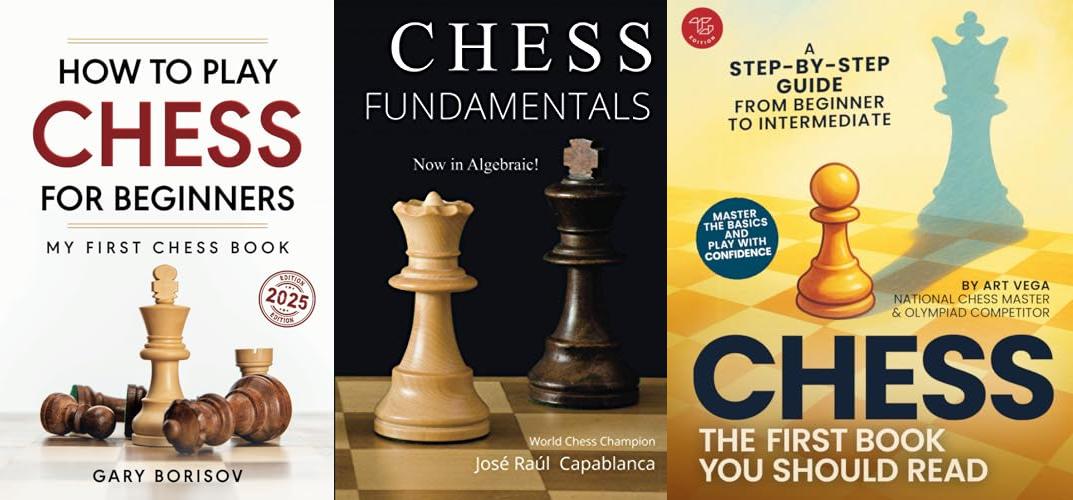
Did you know the game of chess has been around for over 1500 years? It’s a game of strategy, patience, and clever thinking that people of all ages enjoy. But when you’re new to chess, figuring out where to start can feel overwhelming. There are so many books, and it’s tough to know which one will actually help you learn and improve.
Many beginners feel lost when they look for their first chess book. They might pick one that’s too hard, too boring, or just not the right fit for their learning style. This can make learning chess feel frustrating instead of fun. But don’t worry! This post is here to help you cut through the confusion.
By reading on, you’ll discover some of the best beginner chess books available. We’ll explain why each book is a great choice and what you can expect to learn from it. Get ready to find the perfect guide that will help you understand the basics, start playing better, and fall in love with the game of chess.
Our Top 5 Beginning Chess Books Recommendations at a Glance
Top 5 Beginning Chess Books Detailed Reviews
1. How to Play Chess for Beginners: My First Chess Book: Rules

Rating: 9.4/10
Ready to learn chess? “How to Play Chess for Beginners: My First Chess Book: Rules, Strategies & Openings” is your perfect starting point. This book breaks down the game into easy steps. You’ll learn all the rules. You’ll also discover basic strategies. Plus, you’ll get an introduction to common openings. It’s designed for absolute beginners. No prior chess knowledge is needed. This book makes learning fun and straightforward.
What We Like:
- Clear and simple explanations of chess rules.
- Easy-to-understand strategy tips for beginners.
- Covers basic opening moves to get you started quickly.
- Engaging writing style that keeps readers interested.
- Provides a solid foundation for future chess learning.
What Could Be Improved:
- More visual aids like diagrams or illustrations would be helpful.
- Could offer a few more advanced beginner strategies.
- A small section on common chess mistakes might be beneficial.
This book is a fantastic resource for anyone new to chess. It empowers you to start playing confidently right away.
2. Chess Fundamentals
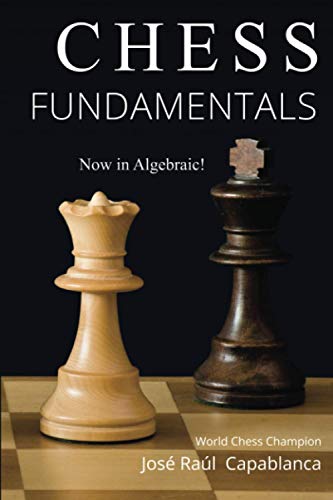
Rating: 9.3/10
This product, ‘Chess Fundamentals,’ is designed to introduce you to the exciting world of chess. It aims to teach you the basic rules and strategies. You will learn how the pieces move and how to start a game. It’s a great way to begin your chess journey.
What We Like:
- It clearly explains how each chess piece moves.
- The language is easy to understand for beginners.
- It covers the very first steps of playing chess.
- You can learn at your own pace.
What Could Be Improved:
- More advanced strategies could be included.
- Visual examples or diagrams would be helpful.
- Interactive exercises are missing.
- It focuses only on the absolute basics.
This resource lays a solid foundation for new chess players. If you are completely new to chess, this is a good starting point.
3. The First Chess Book You Should Read: A Step-by-Step Guide from Beginner to Intermediate – Master the Basics and Play With Confidence

Rating: 9.1/10
Thinking about learning chess? This book, “The First Chess Book You Should Read: A Step-by-Step Guide from Beginner to Intermediate – Master the Basics and Play With Confidence,” is your perfect starting point. It breaks down the game into easy-to-understand steps. You’ll learn all the important moves and strategies. This guide helps you build a strong foundation. Soon, you’ll be playing chess with much more confidence.
What We Like:
- Clear, step-by-step instructions make learning easy.
- Covers all the essential chess basics for beginners.
- Builds confidence for playing your first games.
- Helps you move from beginner to intermediate level.
What Could Be Improved:
- No specific examples of advanced techniques are provided.
- Could include more practice puzzles for each chapter.
This book is an excellent resource for anyone starting their chess journey. It truly empowers you to understand and enjoy the game.
4. Kid’s Guide to Chess: Learn the Game’s Rules

Rating: 8.9/10
Introducing the “Kid’s Guide to Chess: Learn the Game’s Rules, Strategies, Gambits, and the Most Popular Moves to Beat Anyone!―100 Tips and Tricks for Kings and Queens!” This book is designed to make learning chess fun and accessible for young players. It covers everything from the basic rules of how each piece moves to more advanced strategies. Kids will discover how to plan their moves, understand common chess openings, and even learn about exciting gambits. The guide promises 100 helpful tips and tricks, aiming to equip budding chess masters with the skills to challenge anyone on the board.
What We Like:
- Covers all the essential chess knowledge for beginners.
- Focuses on strategies and popular moves to build confidence.
- Offers a large number of tips and tricks for continuous learning.
- Empowers young players to “beat anyone” with clear instruction.
- Makes learning chess engaging and exciting for kids.
What Could Be Improved:
- The book’s features are not specified, so it’s hard to assess specific areas for improvement.
- No details are provided on illustrations or interactive elements, which could enhance a kids’ guide.
This guide seems like a fantastic resource for any child eager to dive into the world of chess. It promises a comprehensive and empowering learning experience.
5. Bobby Fischer Teaches Chess

Rating: 8.7/10
Unleash your inner chess champion with “Bobby Fischer Teaches Chess”! This Bantam edition packs the legendary wisdom of Bobby Fischer into a compact, portable package. It’s a fantastic choice for anyone who loves to learn and enjoys the tactile feel of a good book.
What We Like:
- A must-try for any book lover who also enjoys strategy games.
- Compact size makes it perfect for taking on trips or playing on the go.
- The clear, step-by-step lessons guide you through the fundamentals of chess.
- Learn from one of the greatest chess players of all time.
- Fits easily into a backpack or even a large pocket.
What Could Be Improved:
- The Bantam size might be a bit small for readers with larger hands.
- Some advanced players might find the initial lessons too basic.
- Could benefit from more visual aids for certain concepts.
This book truly makes learning chess accessible and enjoyable. Grab your copy and start your journey to becoming a chess master!
Your First Move: A Beginner’s Guide to Buying Chess Books
So, you want to learn chess? That’s awesome! Chess is a fantastic game that sharpens your mind. Picking the right book can make learning fun and easy. This guide will help you find the perfect book to start your chess journey.
Key Features to Look For
When you’re choosing a beginner chess book, keep these things in mind:
- Clear Explanations: The book should explain the rules and basic moves simply. You want easy-to-understand words, not complicated jargon.
- Lots of Examples: Seeing is believing! Good books show you many chess positions and explain why a certain move is good or bad.
- Practice Problems: You learn best by doing. Look for books with puzzles and exercises. This helps you test what you’ve learned.
- Visuals: Pictures and diagrams are super important. They help you see the board and the pieces clearly.
- Step-by-Step Learning: The book should guide you from the very basics to slightly more advanced ideas. It should build your knowledge slowly.
Important Materials and What They Mean
The material inside the book is what really matters. Here’s what to look for:
- Piece Movement: The book must clearly show how each piece moves. This is the absolute first step.
- Basic Tactics: You’ll want to learn about simple attacks like forks and pins. These are like basic chess “tricks.”
- Opening Principles: Learn the best ways to start a game. This helps you get your pieces into good spots early on.
- Endgame Basics: Understanding how to win when there are only a few pieces left is crucial.
- Simple Strategy: The book should introduce easy ideas about how to plan your moves.
Factors That Improve or Reduce Quality
What makes a chess book great, and what can make it not so great?
- Improves Quality:
- Engaging Writing Style: A book that’s fun to read keeps you interested.
- Well-Organized Chapters: Information should be in a logical order.
- Accurate Information: The chess advice needs to be correct.
- Plenty of Diagrams: Clear board pictures help a lot.
- Reduces Quality:
- Too Much Jargon: Using difficult chess terms without explaining them is confusing.
- Few or No Examples: If there are no pictures or examples, it’s hard to learn.
- Overly Advanced Content: A book for absolute beginners shouldn’t dive into super complex ideas right away.
- Poorly Drawn Diagrams: Messy or hard-to-read diagrams make learning difficult.
User Experience and Use Cases
How will you use your beginner chess book?
- For Absolute Beginners: If you’ve never played chess before, you need a book that starts with the absolute basics: how the board is set up, how each piece moves, and the goal of the game.
- For Casual Learners: You might want a book that’s engaging and teaches you the fun parts of chess without being too serious.
- For Aspiring Club Players: If you want to get better and maybe join a chess club, you’ll need a book that provides a solid foundation and introduces you to important chess concepts.
- Self-Study: These books are perfect for learning on your own time. You can go at your own pace.
Frequently Asked Questions (FAQ) for Beginning Chess Books
Q: What is the most important thing to learn first in chess?
A: The most important thing is learning how each chess piece moves. You can’t play the game if you don’t know how the pieces work!
Q: Should I buy a book with lots of pictures or just text?
A: Books with lots of clear diagrams and pictures are usually better for beginners. They help you see the chess board and understand the moves better than just words.
Q: What are “tactics” in chess?
A: Tactics are short-term moves that lead to an advantage, like winning a piece or checkmating the opponent. Beginner books often teach simple tactics like forks and pins.
Q: Do I need to learn openings when I’m just starting?
A: Yes, learning basic opening principles is helpful. It teaches you how to start the game well and get your pieces ready for action.
Q: What’s the difference between a “tactic” and a “strategy”?
A: Tactics are like quick tricks or combinations of moves. Strategy is more about long-term plans and the overall direction of the game.
Q: How many practice problems should a good beginner book have?
A: A good book should have plenty of practice problems. This helps you test your understanding and get better at solving chess puzzles.
Q: Can I learn chess just by reading a book?
A: Reading a book is a great start, but you also need to practice playing chess. Try playing against a computer or a friend after you read a chapter.
Q: What if the book uses chess notation I don’t understand?
A: Most good beginner books will explain chess notation (like e4, Nf3) in the beginning. If it doesn’t, look for a book that does!
Q: Should I buy a book that’s very thick or thin?
A: A thin book that focuses on the absolute basics might be best for your very first chess book. You can always get a bigger book later as you improve.
Q: Where can I find good beginner chess books?
A: You can find them in bookstores, online retailers like Amazon, or sometimes even at your local library. Look for titles that say “for beginners” or “introduction to chess.”
In conclusion, every product has unique features and benefits. We hope this review helps you decide if it meets your needs. An informed choice ensures the best experience.
If you have any questions or feedback, please share them in the comments. Your input helps everyone. Thank you for reading.