
Did you know that the first alphabet book, “Orbis Pictus,” was published over 350 years ago? For centuries, these colorful pages have been a child’s first introduction to the magic of words. But with so many alphabet books on the shelves today, how do you find the one that truly sparks a love for reading in your little one? It can feel overwhelming to sift through them all, trying to figure out which ones are engaging, educational, and just plain fun.
Choosing the right alphabet book isn’t just about teaching letters; it’s about nurturing curiosity and building a foundation for a lifelong love of learning. The wrong book might leave a child bored or confused, while the perfect one can open up a whole new world of imagination. You want a book that will capture their attention, introduce them to new vocabulary, and make learning feel like an adventure, not a chore.
In this post, we’ll explore what makes a truly great alphabet book. We’ll dive into different styles and features that will help you identify the best choices for your child. Get ready to discover how to pick an alphabet book that will have your child saying their ABCs with a smile and a song!
Our Top 5 Alphabet Books Recommendations at a Glance
Top 5 Alphabet Books Detailed Reviews
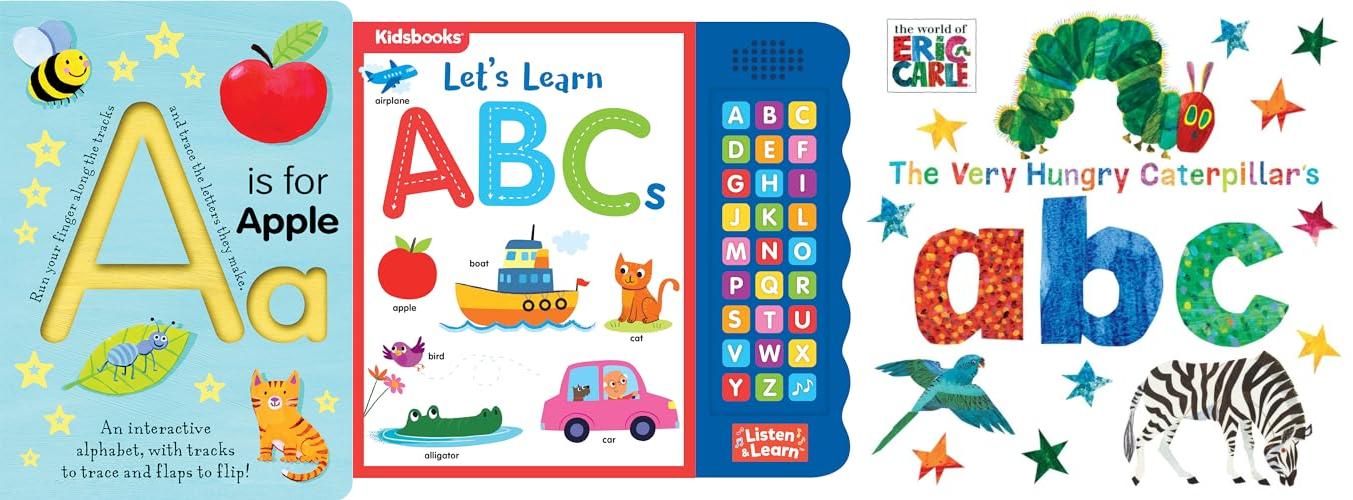
1. A is for Apple: An Interactive Alphabet With Tracks to Trace and Flaps to Flip! (Smart Kids Trace-and-Flip)

Rating: 8.8/10
Get ready for a learning adventure with “A is for Apple: An Interactive Alphabet With Tracks to Trace and Flaps to Flip!” This book makes learning the alphabet exciting. Kids can trace letters and discover hidden surprises behind colorful flaps. It’s a fun way to build early literacy skills.
What We Like:
- Engaging Activities: The tracing tracks help little hands practice forming letters. Flipping the flaps keeps children curious and wanting to explore more.
- Interactive Learning: This book turns learning into a hands-on experience. It actively involves children, making the alphabet stick.
- Durable Design: The sturdy pages and flaps are built to withstand enthusiastic little fingers. It can handle lots of repeated use.
- Visually Appealing: Bright illustrations and clear letter designs capture a child’s attention. The book is a joy to look at.
What Could Be Improved:
- Limited Scope: While excellent for the alphabet, it doesn’t cover other early learning concepts like numbers or shapes.
- Traceability: Some tracing lines might be a bit too faint for very young children to see easily.
Overall, “A is for Apple” is a fantastic tool for introducing the alphabet. It offers a playful and memorable way for children to learn.
2. Let’s Learn ABCs – Interactive Sound Book for Toddlers

Rating: 9.1/10
The “Let’s Learn ABCs – Interactive Sound Book for Toddlers” is an engaging and educational tool designed to introduce young children to the alphabet. This board book is packed with features to make learning fun and interactive. It boasts 27 colorful buttons that activate sounds, including the beloved alphabet song. Toddlers can also practice their motor skills with built-in tracing activities. The touch-and-feel elements add another sensory dimension to the learning experience, making it a well-rounded early learning resource.
What We Like:
- The 27 interactive buttons provide immediate auditory feedback, reinforcing letter recognition and sounds.
- The inclusion of tracing activities helps develop fine motor skills essential for early writing.
- The alphabet song is a familiar and enjoyable way for children to memorize the sequence of letters.
- The touch-and-feel textures add a tactile element that keeps young learners engaged and aids in sensory development.
- The durable board book format is ideal for little hands and can withstand frequent use.
- It offers a comprehensive approach to early literacy, combining sound, sight, and touch.
What Could Be Improved:
- The battery compartment could be more easily accessible for replacement.
- More variety in the tracing activities could be beneficial for extended engagement.
- The volume control on the sound buttons might be a welcome addition for parents.
This interactive sound book offers a fantastic, multi-sensory way for toddlers to begin their alphabet journey. It’s a thoughtfully designed product that makes learning an adventure.
3. The Very Hungry Caterpillar’s ABC (The World of Eric Carle)

Rating: 9.5/10
Dive into the colorful world of Eric Carle with “The Very Hungry Caterpillar’s ABC.” This delightful book introduces young readers to the alphabet through the iconic artwork and beloved character of The Very Hungry Caterpillar. Each letter is paired with vibrant illustrations, making learning an engaging and joyful experience for preschoolers and early learners. It’s a fantastic way to build foundational literacy skills while enjoying a classic storybook character.
What We Like:
- Engaging and colorful illustrations that capture children’s attention.
- Familiar and beloved character makes learning feel fun and accessible.
- Simple, clear presentation of each letter of the alphabet.
- Reinforces letter recognition and early vocabulary development.
- Durable construction, suitable for little hands.
What Could Be Improved:
- The “N/A” feature might suggest a lack of interactive elements or unique educational activities beyond basic letter introduction.
- Some might find the content a bit too simple for older preschoolers or children already familiar with the alphabet.
This book offers a charming and effective introduction to the ABCs. It’s a wonderful addition to any child’s bookshelf, fostering a love for reading and learning.
4. AlphaTales Box Set: A Set of 26 Irresistible Animal Storybooks That Build Phonemic Awareness & Teach Each letter of the Alphabet

Rating: 9.2/10
The AlphaTales Box Set is a fantastic collection of 26 engaging animal storybooks. Each book focuses on a specific letter of the alphabet and uses fun, rhyming stories to help children develop phonemic awareness. This set is designed to make learning the ABCs an exciting adventure. The stories feature adorable animal characters that kids will love. It’s a wonderful way to introduce early literacy skills in a playful and memorable way.
What We Like:
- The stories are incredibly engaging and use repetition effectively, which helps children grasp letter sounds.
- Each book is dedicated to a single letter, providing focused practice.
- The animal characters are charming and capture children’s imaginations.
- This set is a brilliant tool for building a strong foundation in phonics and alphabet recognition.
- The box set format keeps all the books together, making it easy to store and access.
- This is a used book in good condition, offering great value.
What Could Be Improved:
- While the stories are excellent, some might wish for more diverse story themes beyond just animals.
- Occasionally, the rhyming might feel a little forced in a few spots, though it doesn’t detract significantly from the learning.
This AlphaTales Box Set offers a delightful and effective way to teach the alphabet and build crucial early reading skills. It’s a valuable resource for parents and educators looking to foster a love of learning in young children.
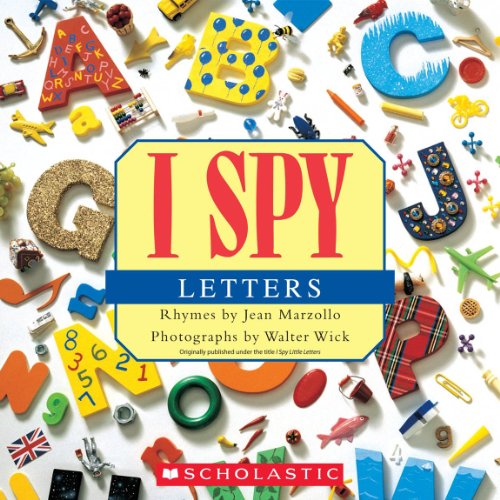
5. I Spy Letters
Rating: 8.6/10
Get ready for a fun letter-finding adventure with “I Spy Letters”! This game is designed to help young learners discover and recognize letters in a playful way. It’s perfect for quiet playtime or for making learning an exciting part of your day. Kids will love searching for hidden letters, and parents will love the educational benefits.
What We Like:
- Engaging way to learn letter recognition.
- Encourages observation skills.
- Simple to understand and play.
- Promotes early literacy.
- Can be played independently or with others.
What Could Be Improved:
- The game could include more letter variations or challenges for extended play.
- More visual cues or hints might be helpful for younger or struggling learners.
- The durability of the components could be a concern with very rough handling.
Overall, “I Spy Letters” is a fantastic tool for building foundational literacy skills. It makes learning letters an enjoyable quest.
Choosing the Perfect Alphabet Book: A Parent’s Guide
Alphabet books are fantastic tools for introducing young children to the wonderful world of letters and words. They spark curiosity and build a foundation for reading. But with so many options, how do you pick the best one? This guide helps you navigate the alphabet book aisle.
Key Features to Look For
When you’re shopping for an alphabet book, keep these important features in mind:
- Clear and Large Letter Forms: The letters themselves should be easy to see and recognize. Look for bold, clear print. Some books show uppercase and lowercase letters together, which is a great bonus.
- Engaging Illustrations: Bright, colorful, and appealing pictures are crucial. Illustrations should clearly represent the word associated with each letter. They help children connect the letter sound to an object.
- Appropriate Vocabulary: The words chosen for each letter should be familiar to young children or easily explained. Avoid overly complex or obscure words.
- Interactive Elements: Some books include lift-the-flaps, textures, or sound buttons. These can make learning more exciting and hands-on.
- Repetitive Phrases or Rhymes: Many great alphabet books use simple rhymes or repeated phrases. This helps children remember the letters and words.
Important Materials
The material of an alphabet book affects its durability and safety.
- Sturdy Cardboard: For babies and toddlers, board books are a must. They withstand chewing, tearing, and enthusiastic page-turning.
- Paper Quality: For older children, good quality paper prevents pages from ripping easily. Matte finishes are often better than glossy ones, as they reduce glare.
- Non-Toxic Inks: Always ensure the inks used are safe for children, especially if the book might end up in a little one’s mouth. Reputable publishers will use child-safe materials.
Factors That Improve or Reduce Quality
Several things make an alphabet book shine or fall flat.
- Improved Quality:
- Educational Alignment: Books that subtly introduce letter sounds (phonics) alongside the letter itself offer more learning value.
- Diverse Representation: Look for books that feature diverse characters and scenarios. This helps children see themselves and others in the learning process.
- Thoughtful Design: A well-organized layout with clear spacing between text and images makes the book easy to follow.
- Reduced Quality:
- Cluttered Pages: Too much text or too many images on a single page can overwhelm young minds.
- Inaccurate Illustrations: Pictures that don’t clearly match the word can cause confusion.
- Flimsy Construction: Pages that tear easily or covers that fall apart quickly are frustrating.
User Experience and Use Cases
Alphabet books are incredibly versatile.
- For Babies: Soft cloth books or sturdy board books with high-contrast images are perfect for the very youngest learners. They explore textures and simple shapes.
- For Toddlers: Interactive board books with flaps or wheels engage toddlers. They love discovering hidden letters and objects.
- For Preschoolers: Books with more detailed illustrations and simple stories can help preschoolers solidify their letter recognition and begin to understand word formation.
- Shared Reading: Alphabet books are ideal for reading aloud. They encourage interaction, pointing at letters, and saying words together. This builds a strong bond between caregiver and child.
- Independent Exploration: As children grow, they can look at alphabet books on their own, pointing out letters they know and practicing saying words.
Frequently Asked Questions About Alphabet Books
Here are answers to common questions parents have about alphabet books:
Q: What is the main purpose of an alphabet book?
A: The main purpose of an alphabet book is to introduce young children to the letters of the alphabet and help them learn to recognize them. They also help build early vocabulary.
Q: When should I start reading alphabet books to my child?
A: You can start reading alphabet books to your child as early as infancy. Even very young babies benefit from hearing language and looking at colorful pictures.
Q: How many letters are typically in an alphabet book?
A: Most alphabet books cover all 26 letters of the English alphabet, from A to Z.
Q: Are alphabet books just for learning letters?
A: No, alphabet books also introduce children to new words and concepts. They expand a child’s vocabulary and understanding of the world.
Q: What age group are alphabet books best suited for?
A: Alphabet books are generally best suited for children from birth to around age five, depending on the complexity of the book.
Q: Should I choose a book with uppercase or lowercase letters, or both?
A: It’s beneficial to expose children to both uppercase and lowercase letters. Many books show both, which aids in recognition.
Q: Are there alphabet books that teach letter sounds?
A: Yes, many alphabet books go beyond just showing the letter. They often include a word and an image that starts with that letter’s sound, which is a great introduction to phonics.
Q: What if my child is more interested in the pictures than the letters?
A: That’s perfectly normal! The pictures draw children in. Use the pictures as a bridge to talk about the letters and words. Point to the letters and say their names and sounds.
Q: How can I make reading alphabet books more interactive?
A: You can point to the letters and pictures, ask your child to find specific letters, make the sounds of the letters, and sing songs related to the alphabet.
Q: Where can I find high-quality alphabet books?
A: You can find high-quality alphabet books at bookstores, libraries, and online retailers. Reading reviews can help you choose the best ones.
In conclusion, every product has unique features and benefits. We hope this review helps you decide if it meets your needs. An informed choice ensures the best experience.
If you have any questions or feedback, please share them in the comments. Your input helps everyone. Thank you for reading.