
Can you clean a basketball court? Yes, you absolutely can, and regular cleaning is crucial for a safe and enjoyable playing experience. This comprehensive guide will equip you with all the knowledge needed for effective basketball court maintenance, covering everything from daily routines to deep cleaning methods for both indoor basketball court and outdoor basketball court surfaces.
Keeping a basketball court clean is more than just about aesthetics; it’s about ensuring player safety, prolonging the life of the court surface, and maintaining optimal playing conditions. Whether you’re dealing with the polished wood of an indoor basketball court or the durable asphalt or concrete of an outdoor basketball court, consistent sports court cleaning is a non-negotiable aspect of proper basketball court maintenance. This guide will delve into the specifics of court surface cleaning, offering practical court cleaning tips that will make your job easier and more effective.
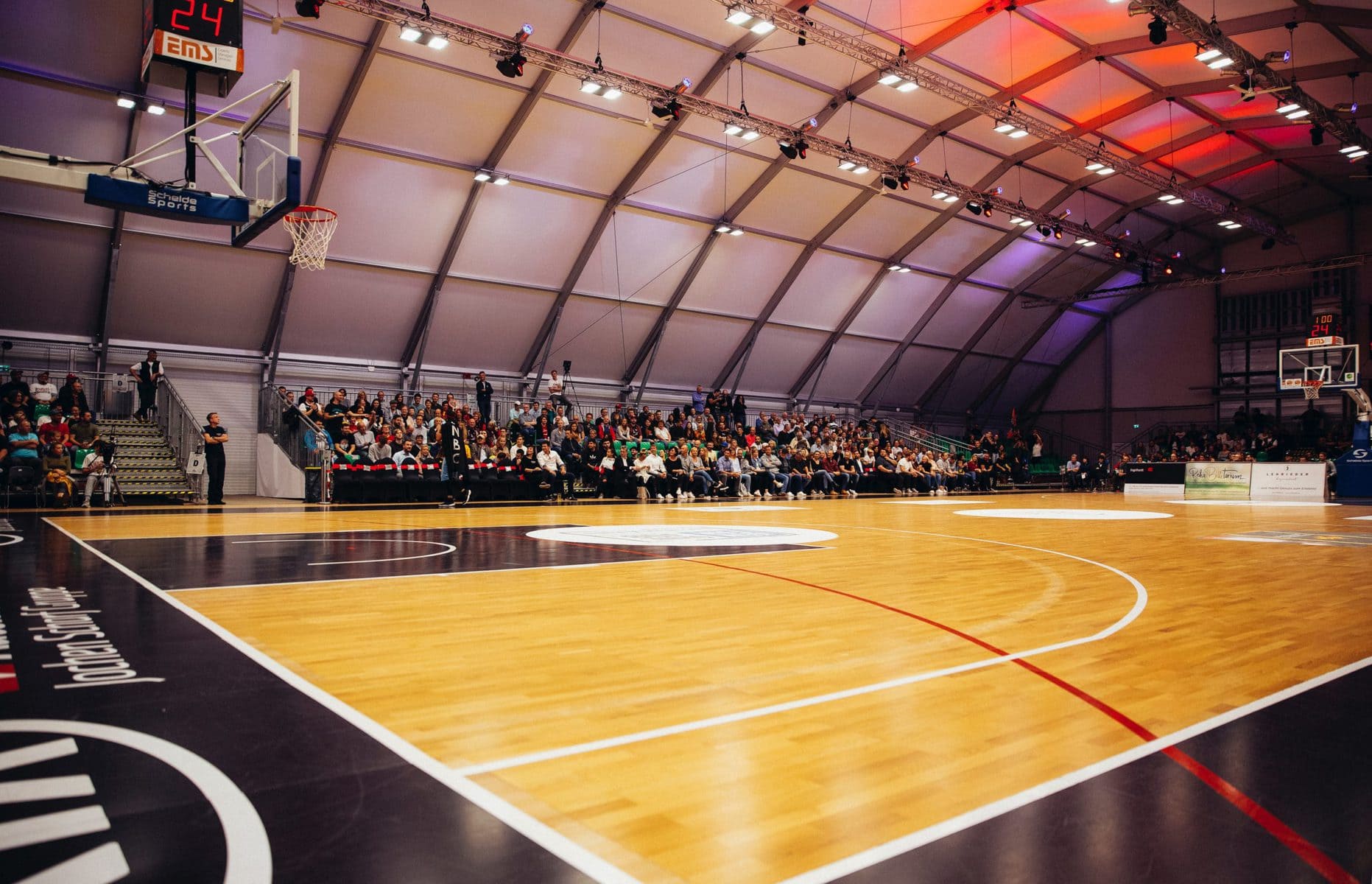
Image Source: jacklauriegroup.com
The Importance of a Clean Basketball Court
A clean basketball court contributes significantly to the sport. It directly impacts player safety by reducing the risk of slips and falls. Dust, debris, sweat, and spills can create slick spots, especially on polished indoor courts. For outdoor courts, accumulated dirt and leaves can also lead to treacherous conditions. Beyond safety, a clean court enhances performance. Players need a consistent grip and a smooth surface to execute dribbles, passes, and shots effectively. A dirty court can hinder these movements. Furthermore, proper cleaning helps preserve the integrity and longevity of the court’s surface, whether it’s hardwood, synthetic material, asphalt, or concrete. Regular cleaning prevents the buildup of grime that can permanently damage the finish or material, saving you money on costly repairs or replacements in the long run.
Cleaning Indoor Basketball Courts: A Deeper Dive
Indoor basketball court cleaning requires a delicate touch, especially when dealing with a polished hardwood floor. The goal is to remove dirt and grime without damaging the finish or making the surface too slippery.
Daily Cleaning Routines
For daily gym floor cleaning on an indoor basketball court, the focus is on removing loose debris.
-
Dust Mop Basketball Court: The most critical daily task is to dust mop basketball court surfaces. This removes dust, dirt, and small particles that can scratch the floor’s finish or become embedded over time.
- Use a high-quality, wide dust mop designed for gym floors. These mops are typically made of microfiber, which effectively traps dust and allergens.
- Start from one end of the court and systematically work your way across, overlapping your strokes to ensure all areas are covered.
- Pay close attention to high-traffic areas like the center court and around the hoops.
- Regularly clean or replace the dust mop head to maintain its effectiveness. A dirty mop will just push dirt around.
-
Spot Cleaning: Address spills immediately. Whether it’s water, sports drinks, or sweat, spills can create slip hazards and can also damage the court’s finish if left to sit.
- Use a clean, damp cloth or sponge for minor spills. Blot the area gently rather than rubbing, which can spread the spill.
- For tougher spots, a mild, pH-neutral cleaner specifically designed for hardwood gym floors can be used, but always test it in an inconspicuous area first.
- After cleaning a spill, ensure the area is completely dry to prevent any residual slipperiness.
Weekly or Bi-Weekly Cleaning
Beyond the daily dust mopping, a more thorough cleaning is needed to tackle accumulated grime.
-
Damp Mopping: This is the next step after dust mopping. The key here is “damp,” not “wet.” Excessive water can damage hardwood floors and make them dangerously slippery.
- Basketball court floor cleaning with a damp mop should use a solution of water and a specialized gym floor cleaner. Follow the manufacturer’s dilution instructions carefully.
- Use a mop with a wringing mechanism to ensure it’s only slightly damp. Microfiber flat mops are excellent for this as they offer good absorption and wringing capabilities.
- Work in sections, damp mopping the entire court.
- Ensure good ventilation to help the floor dry quickly. Fans can be used to speed up the process.
- Avoid using regular household cleaners, ammonia, or abrasive cleaners, as these can strip the finish or leave a residue.
-
Sweeping: While dust mopping is preferred for daily cleaning, basketball court sweeping might be necessary if there’s a significant buildup of larger debris that a dust mop can’t handle effectively.
- Use a soft-bristle broom to avoid scratching the floor.
- Sweep the debris towards a dustpan.
- It’s often best to follow up with a dust mop to catch any fine particles left behind.
Deep Cleaning and Maintenance
Periodically, your indoor basketball court will require more intensive cleaning and maintenance to preserve its appearance and functionality.
-
Floor Buffing/Burnishing: This process removes scuff marks, restores shine, and can even help to fill in minor scratches.
- This is typically done with a high-speed floor buffer or burnisher.
- Ensure the floor is thoroughly cleaned and dry before buffing.
- Use the correct pad for the machine.
- This is often a job for professionals or requires specialized equipment and training.
-
Screening and Recoating: This is a more intensive maintenance procedure that involves lightly abrading the existing finish (screening) and then applying a new coat of finish. This is done every few years, depending on the court’s usage and the quality of the original finish.
- This process is almost always performed by professional court maintenance companies.
- It’s crucial for protecting the wood and maintaining its grip and appearance.
-
Addressing Scuff Marks and Stains:
- Scuff marks can often be removed with a clean tennis ball or a specialized scuff remover product.
- For stubborn stains, consult the court finish manufacturer’s recommendations for appropriate cleaning agents. Always test in a hidden area first.
Cleaning Outdoor Basketball Courts: Durability Meets Dirt
Outdoor basketball court cleaning is generally less delicate than indoor cleaning, but it still requires a systematic approach to keep the surface in good condition.
Daily or Weekly Checks and Sweeping
The primary concerns for outdoor courts are loose debris, dirt, and organic matter.
-
Basketball Court Sweeping: Regular basketball court sweeping is essential for removing leaves, twigs, dirt, and other debris that can accumulate.
- Use a stiff-bristle push broom or a leaf blower for efficient removal of loose material.
- Pay special attention to areas around the hoops and benches where debris tends to collect.
- If using a broom, sweep in one direction, collecting the debris into piles for disposal.
-
Debris Removal: Remove any larger debris like rocks, fallen branches, or trash that could pose a hazard or damage the court surface.
Periodic Cleaning for Outdoor Courts
When simple sweeping isn’t enough, a more thorough cleaning is needed.
-
Hosing Down the Court:
- The simplest and most effective way to clean an outdoor court is often to hose it down.
- Use a standard garden hose with a spray nozzle.
- Start from the highest point of the court and work your way down, allowing gravity to help carry away the dirt and water.
- For stubborn dirt or grime, a stiff brush can be used in conjunction with the water.
- Ensure the court has adequate drainage to prevent water from pooling, which can lead to algae growth or surface damage over time.
-
Dealing with Algae and Mildew: Outdoor courts, especially in damp or shaded areas, can develop algae and mildew.
- A mixture of water and a mild detergent or a specialized outdoor court cleaner can be effective.
- For stubborn growth, a diluted solution of white vinegar (1 part vinegar to 10 parts water) can be used.
- Apply the solution and let it sit for a few minutes before scrubbing with a stiff brush.
- Rinse thoroughly with plain water.
- Important Safety Note: Avoid using bleach unless absolutely necessary and always dilute it significantly. Bleach can be harsh on some court surfaces and is environmentally unfriendly. If you must use bleach, ensure adequate ventilation and wear protective gear. Always rinse thoroughly.
-
Pressure Washing (with Caution): A pressure washer can be a powerful tool for deep cleaning, but it must be used with extreme caution.
- Court surface cleaning with a pressure washer should only be done if the court material can withstand it (e.g., concrete, asphalt).
- Use a low-pressure setting and a wide fan nozzle.
- Hold the nozzle at a consistent distance from the surface and keep it moving to avoid damaging the court material or stripping paint.
- Test in an inconspicuous area first.
- After pressure washing, it’s often a good idea to rinse the court with clean water to remove any loosened debris.
General Court Cleaning Tips for All Surfaces
Regardless of whether your court is indoors or outdoors, some general court cleaning tips apply to all sports court cleaning efforts.
Equipment Checklist
Having the right tools makes basketball court maintenance much easier.
| Equipment | Indoor Courts | Outdoor Courts |
|---|---|---|
| Dust Mop | Microfiber, wide, specifically for gym floors | Not typically used |
| Broom | Soft bristles (if needed for sweeping) | Stiff-bristle push broom |
| Mop | Microfiber flat mop with wringer | Not typically used for regular cleaning |
| Buckets | Two buckets (one for cleaning solution, one for rinse water) | Not typically needed for regular cleaning |
| Cleaning Solution | pH-neutral gym floor cleaner | Mild detergent, vinegar solution, or specialized outdoor cleaner |
| Hose/Sprayer | Not applicable | Garden hose with adjustable spray nozzle |
| Scrub Brush | Soft-bristle brush for spot cleaning | Stiff-bristle scrub brush |
| Leaf Blower | Not applicable | Useful for quick debris removal |
| Absorbent Cloths/Pads | Microfiber cloths for spills | Not typically needed |
| Protective Gear | Gloves (optional) | Gloves, eye protection (especially if pressure washing or using stronger cleaners) |
Maintaining the Finish and Markings
- Protect the Finish: For indoor courts, avoid using oil-based soaps or waxes unless specifically recommended by the court manufacturer. These can build up and make the floor slippery.
- Preserve Line Markings: Be mindful of cleaning agents and tools that could damage painted lines. Avoid abrasive cleaners or overly aggressive scrubbing on marked areas.
- Address Damages Promptly: Small nicks, scratches, or cracks can worsen over time. Repair them as soon as you notice them to prevent further damage and water ingress (for outdoor courts).
Safety First
- Wet Floor Signs: Always use “wet floor” signs when damp mopping or cleaning to alert players and prevent accidents.
- Proper Ventilation: Ensure good ventilation when using any cleaning solutions, especially indoors, to dissipate fumes and speed up drying.
- Chemical Safety: Read and follow the safety instructions on all cleaning product labels. Store chemicals safely and out of reach of children.
Specialized Court Surfaces
Some courts may have specialized surfaces beyond traditional hardwood, asphalt, or concrete.
Synthetic Courts (e.g., Polyurethane, Acrylic)
Many modern indoor basketball court surfaces are made of synthetic materials. These often have a resilient layer and a tough topcoat.
- Cleaning: Dust mopping is the primary daily task. For deeper cleaning, use a pH-neutral cleaner and a microfiber mop. Avoid harsh chemicals or abrasive pads that could damage the coating.
- Maintenance: Follow the manufacturer’s recommendations closely. Some synthetic surfaces benefit from periodic sealing or recoating to maintain their performance and appearance.
Sport Tile Courts
These interlocking tile systems are common in many recreational facilities.
- Cleaning: Sweep or vacuum regularly to remove debris. Damp mop with a mild detergent. Be careful not to let water seep into the seams, which can cause issues.
- Maintenance: Check the tiles periodically for any loose connections or damage. Follow the manufacturer’s guidelines for any specific cleaning or maintenance needs.
Troubleshooting Common Court Cleaning Issues
| Issue | Cause | Solution |
|---|---|---|
| Slippery Floor | Residue from cleaner, improper dilution, wax buildup | Re-mop with clean water only. If residue persists, use a specialized cleaner designed to remove buildup. Ensure proper drying. |
| Scuff Marks | Shoe rubber transfer, improper footwear | Use a clean tennis ball, a specialized scuff remover, or a very fine abrasive pad (test first). |
| Sticky Spots | Spilled sugary drinks, sweat, improper cleaner use | Spot clean immediately with a damp cloth and appropriate cleaner. For stubborn stickiness, use a diluted cleaner and rinse well. |
| Dull Finish | Dirt accumulation, worn finish | Thorough dust mopping and damp mopping. Consider floor buffing or professional refinishing if the finish is heavily worn. |
| Algae/Mildew | Moisture, shade, lack of airflow | Clean with a diluted vinegar solution or specialized outdoor cleaner. Improve ventilation and drainage where possible. |
| Cracked Surface | Freeze-thaw cycles, impact, wear | Minor cracks can sometimes be filled with appropriate sealant. Larger cracks may require professional repair or resurfacing. |
Frequently Asked Questions (FAQ)
How often should I dust mop my basketball court?
For an indoor basketball court, it’s best to dust mop basketball court surfaces daily. For outdoor basketball court, daily or bi-weekly sweeping or blowing is recommended, depending on your environment.
What is the best cleaner for a basketball court?
For indoor basketball court floors, use a pH-neutral cleaner specifically designed for gym floors. For outdoor basketball court surfaces, mild detergent, diluted white vinegar, or specialized outdoor court cleaners are generally suitable. Always consult the manufacturer’s recommendations for your specific court surface.
Can I use a regular mop on my basketball court?
For indoor basketball court floors, use a microfiber flat mop with a wringing mechanism for damp mopping. Avoid traditional string mops, as they tend to leave too much water. For outdoor basketball court, hoses and stiff brooms are more appropriate.
How do I remove stubborn scuff marks from my court?
Try using a clean tennis ball or a specialized scuff remover product. For very tough marks on a hardwood court, a very fine abrasive pad might work, but always test in an inconspicuous area first.
What’s the difference between buffing and burnishing a gym floor?
Buffing typically refers to using a machine at lower speeds to clean and remove scuffs, while burnishing uses a higher-speed machine to create a high gloss and smooth out the finish. Both are forms of gym floor cleaning and maintenance.
Is it safe to pressure wash my outdoor basketball court?
Yes, but with extreme caution. Use a low-pressure setting and a wide fan nozzle, keeping the wand moving consistently. Test in a small area first to ensure you don’t damage the surface or paint.
How do I prevent slips on a basketball court?
Regular cleaning to remove dust and spills is the best prevention. Ensure the court is thoroughly dry after cleaning. Use “wet floor” signs when necessary. For indoor courts, avoid using inappropriate cleaning products that leave a slippery residue.
How often should the finish on an indoor basketball court be redone?
This depends on usage, traffic, and the quality of the original finish. Typically, screening and recoating might be needed every 1-3 years, while full refinishing can last 5-10 years. Regular maintenance will extend the life of the finish.
Conclusion
Maintaining a clean basketball court, whether indoors or out, is a vital part of ensuring player safety, preserving the court’s integrity, and enhancing the overall playing experience. By following these detailed court cleaning tips and establishing consistent basketball court maintenance routines, you can keep your basketball court floor in top condition for years to come. Remember to always use the right tools and cleaning agents for your specific court surface and prioritize safety at every step. Proper sports court cleaning is an investment that pays dividends in performance, longevity, and enjoyment of the game.