
Getting the basketball pressure just right is crucial for a great game. The ideal PSI for basketball is typically between 7 and 9 pounds per square inch (PSI). This range ensures optimal bounce, control, and feel for players of all levels.
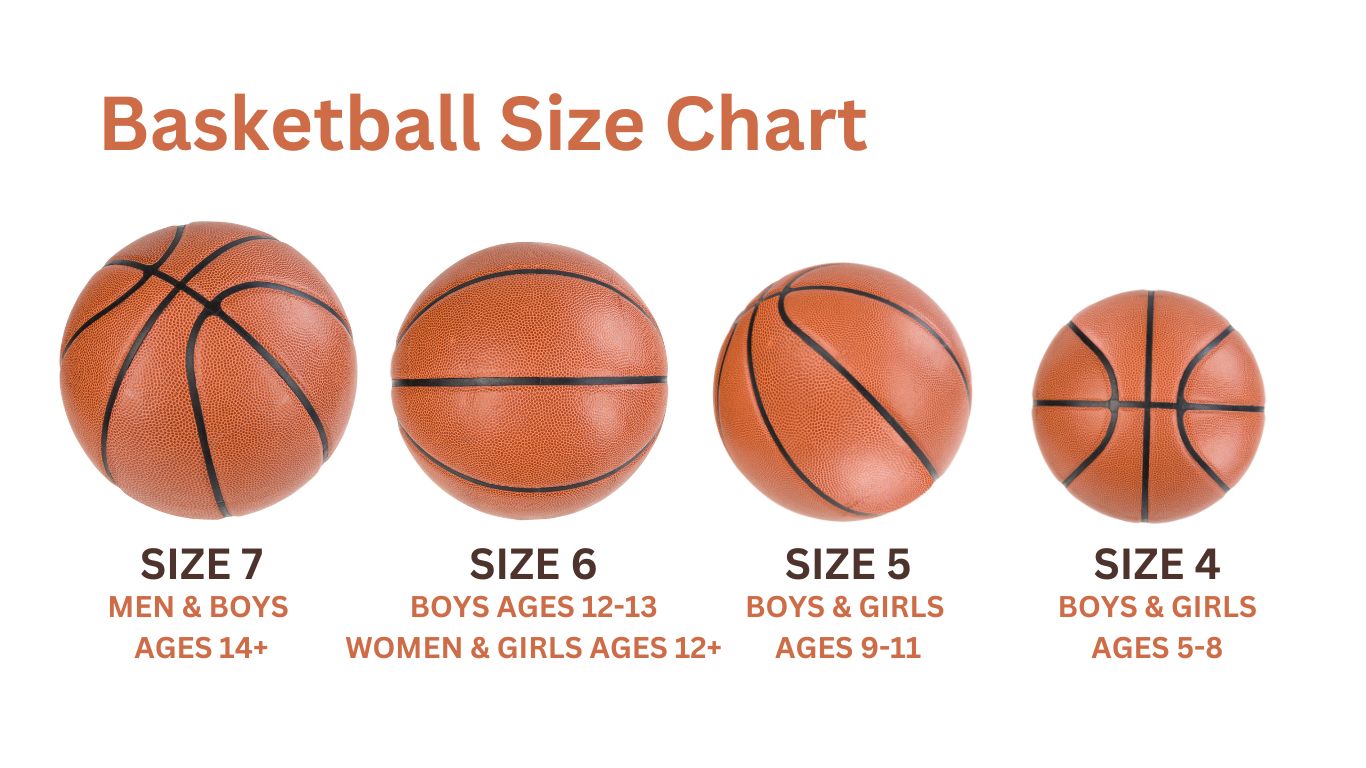
Image Source: 149347557.v2.pressablecdn.com
Why Correct Basketball Inflation Matters
A basketball that’s too soft or too hard can drastically affect your game. It’s not just about feeling; it’s about performance. When your ball is inflated correctly, it bounces predictably, spins true, and feels good in your hands. This consistency allows you to focus on your dribbling, passing, and shooting without fighting the ball itself.
The Impact of Over-Inflation
Over-inflating a basketball can be just as detrimental as under-inflation. A ball that’s too hard will feel stiff and unforgiving.
- Reduced Grip: The pebbled surface, designed to provide grip, can feel slick and less effective.
- Unpredictable Bounce: The ball might bounce too high or too erratically, making it difficult to control.
- Increased Risk of Damage: An over-inflated ball is more prone to bursting, especially in extreme temperatures or if it has a manufacturing defect. The seams can also be stressed, leading to premature wear.
- Player Injury: A ball that’s too hard can cause discomfort or even pain when dribbling or shooting, potentially leading to hand or wrist injuries.
The Downsides of Under-Inflation
Under-inflating a basketball also creates significant problems on the court. A ball that’s too soft is sluggish and unresponsive.
- Poor Bounce: The ball won’t have the necessary spring, making dribbling a chore and jump shots feel flat.
- Loss of Control: A soft ball can feel mushy, making it harder to grip and control during fast-paced plays.
- Inconsistent Performance: The bounce will vary depending on how hard you dribble, leading to unpredictable outcomes.
- Reduced Passing Accuracy: A ball that doesn’t hold its shape well will make precise passes more challenging.
Finding the Recommended Basketball Pressure
The recommended basketball pressure is usually printed directly on the ball itself. Look around the valve area or near the official logos. It will typically state something like “Inflate to 7-9 PSI” or “7-9 lbs.” This is the manufacturer’s guideline to ensure the ball performs as intended.
NBA Basketball Pressure: A Standard
The NBA basketball pressure is a benchmark for professional play. While the official rules don’t specify an exact PSI, the balls used in games are consistently inflated within the 7-9 PSI range. This standardization ensures a fair and consistent playing experience for all teams. The balls are meticulously checked and maintained to meet these standards.
Official Rulebook Guidelines
Most basketball rulebooks, including those for FIBA and NCAA, specify the acceptable range for inflation. These rules are in place to ensure fair play and player safety. They often reference the basketball psi chart as a guide for officials and teams.
How to Check Basketball PSI Accurately
Knowing how much air is in your ball is key, and how to check basketball PSI is straightforward with the right tools.
Using a Ball Pressure Gauge
The most reliable way to check your basketball’s inflation level is by using a dedicated ball pressure gauge. These tools are inexpensive and widely available at sporting goods stores or online.
- Locate the Valve: Find the inflation valve on your basketball. It’s usually a small, circular hole.
- Moisten the Needle: Lightly moisten the inflation needle with water or saliva. This helps it slide into the valve smoothly without damaging the ball’s lining.
- Insert the Needle: Gently insert the needle into the valve opening.
- Read the Gauge: Hold the needle firmly in place for a moment and then read the PSI measurement on the gauge.
- Compare and Adjust: Compare the reading to the recommended PSI. If it’s too low, you’ll need to add air. If it’s too high, you’ll need to release some air.
What If You Don’t Have a Gauge?
While a gauge is the most accurate method, there are a couple of less precise ways to get an idea of your ball’s inflation if you’re in a pinch.
- The Drop Test: Hold the ball at waist height (about 6 feet) and drop it. A properly inflated ball should bounce back up to about chest height (roughly 4 to 4.5 feet). If it bounces much higher, it’s likely over-inflated. If it barely bounces or stays flat on the ground, it’s under-inflated. This method is subjective and depends on the surface you’re dropping it on.
- The Feel Test: Gently squeeze the ball with your hands. It should feel firm but have a slight give. If it feels rock hard, it’s probably over-inflated. If it feels squishy and soft, it’s under-inflated. This is the least accurate method and requires some experience with properly inflated balls.
Inflating a Basketball: The Right Way
Inflating a basketball properly involves using the correct equipment and following a few simple steps.
Essential Equipment
- Basketball Pump: You’ll need a reliable basketball pump. Hand pumps are common and effective. Some electric pumps are also available, but ensure they have a pressure gauge or you have a separate one.
- Inflation Needle: Most pumps come with an inflation needle, but if not, make sure to get one. As mentioned, it’s crucial to moisten the needle before insertion.
- Ball Pressure Gauge: As discussed, this is your best friend for accuracy.
Step-by-Step Inflation Process
- Check the Recommended PSI: Confirm the correct PSI range for your basketball. This is usually printed on the ball itself.
- Attach the Needle: Screw the inflation needle securely onto the pump.
- Moisten the Needle: Moisten the needle with water or saliva.
- Insert Needle into Valve: Gently insert the moistened needle into the ball’s valve.
- Begin Pumping: Start pumping air into the ball.
- Monitor Pressure Regularly: Do not continuously pump without checking. Pump a few times, then remove the pump and check the basketball pressure using your gauge. Repeat this process, pumping and checking, until you reach the desired PSI.
- Avoid Over-Inflation: It’s better to under-inflate slightly and add more air than to over-inflate and have to release it.
- Remove Needle Carefully: Once you’ve reached the correct pressure, gently pull the needle out of the valve.
Factors Affecting Basketball Pressure
Several factors can influence how well your basketball holds its air and what the proper basketball inflation should feel like.
Temperature Fluctuations
- Heat: Warmer temperatures cause the air inside the ball to expand, increasing the internal pressure. A ball that feels perfectly inflated on a cool morning might be slightly over-inflated on a hot afternoon.
- Cold: Conversely, colder temperatures cause the air to contract, decreasing the internal pressure. A ball that feels fine in the heat might feel a bit soft in the cold.
It’s important to check your basketball pressure and adjust it if necessary when playing in significantly different temperatures.
Ball Material and Construction
The material of the basketball (e.g., genuine leather, composite leather, rubber) and its construction can also play a minor role in how it holds air. Higher-quality balls generally maintain their inflation better over time.
Valve Integrity
The valve itself is critical for maintaining inflation. If the valve is damaged or worn, the ball might leak air more quickly. Always ensure the valve is clean and free from debris.
The Basketball PSI Chart: A Visual Guide
While specific recommendations can vary slightly by manufacturer and ball type, a general basketball psi chart can be helpful.
| Ball Type | Recommended PSI Range | Notes |
|---|---|---|
| Indoor Leather/Composite | 7-9 PSI | Standard for most official play and high-performance training. |
| Outdoor Rubber | 7-9 PSI | May need slight adjustments for temperature changes due to the nature of outdoor play. |
| Youth Basketball | 7-9 PSI | While size varies, inflation remains critical for proper bounce and handling for younger players. |
| Beach/Water Basketball | 4-6 PSI | These are often softer and less firm for comfort in water or sand. Check product specifics. |
Note: Always refer to the specific PSI marking on your basketball for the most accurate guidance.
Maintaining Your Basketball
Proper inflation is a key part of maintaining your basketball, but other factors also contribute to its longevity and performance.
Storage
Store your basketball in a cool, dry place away from direct sunlight and extreme temperatures. Avoid leaving it in a hot car or outdoors.
Cleaning
Clean your basketball regularly with a damp cloth. For tougher dirt, a mild soap and water solution can be used, but ensure the ball is completely dry before storing or inflating. Avoid harsh chemicals that can damage the ball’s surface.
Checking for Wear and Tear
Periodically inspect your ball for any signs of damage, such as cracks, scuffs, or a deteriorating valve. A damaged ball may not hold air properly and could pose a safety risk.
Common Questions About Basketball Pressure
Here are answers to frequently asked questions about PSI for basketball and inflation.
FAQ: Your Basketball Inflation Questions Answered
Q1: What is the ideal basketball pressure?
A1: The ideal basketball pressure is typically between 7 and 9 PSI for most standard basketballs.
Q2: Can I use a tire pressure gauge for my basketball?
A2: While a tire pressure gauge might give you a rough idea, it’s best to use a ball pressure gauge. Tire gauges can be more sensitive and might not accurately read the lower PSI ranges used for sports balls.
Q3: How often should I check my basketball’s PSI?
A3: It’s a good practice to check your basketball’s PSI for basketball before each significant playing session, especially if the ball has been stored for a while or exposed to temperature changes.
Q4: My basketball feels a bit soft. Do I need to pump it up?
A4: If it feels soft and doesn’t bounce back adequately, yes. Use a ball pump pressure gauge to check the PSI and inflate it to the recommended range.
Q5: What does “proper basketball inflation” mean?
A5: Proper basketball inflation means the ball is inflated to the manufacturer’s recommended PSI, typically 7-9 PSI, ensuring it has the correct bounce, feel, and responsiveness for play.
Q6: Where can I find a basketball psi chart?
A6: You can often find a basketball psi chart online from sporting goods manufacturers or on basketball resource websites. The most important chart is the one printed on your actual basketball.
Q7: Is NBA basketball pressure different from recreational basketball pressure?
A7: NBA basketball pressure is maintained within the 7-9 PSI range, which is the same general recommendation for most recreational basketballs. The difference lies in the quality of the ball and the stringent maintenance by professional teams.
Q8: My ball feels very hard. Is it over-inflated?
A8: If your ball feels rock-solid and the bounce is too high or erratic, it is likely over-inflated. Release some air and check the basketball pressure again.
Q9: How do I check my basketball’s PSI without a gauge?
A9: Without a gauge, you can use the “drop test” (should bounce to chest height from waist height) or a “feel test” (firm but with slight give). However, these methods are less accurate than using a ball pressure gauge.
Q10: What’s the best way to go about inflating a basketball?
A10: The best way is to use a basketball pump with a needle, moisten the needle, insert it, and pump in short bursts, checking the PSI for basketball with a gauge until you reach the recommended level.
By paying attention to your basketball’s inflation and ensuring it’s within the correct PSI range, you’ll significantly improve your game and extend the life of your ball. Get it right, and enjoy the bounce!