
Can you clean basketball shoes to improve their grip? Yes, absolutely! Regular cleaning is essential to improve basketball shoe traction and restore grip on basketball shoes. Letting court dirt and grime build up on your shoe soles significantly reduces their ability to grip the playing surface, impacting your agility and potentially leading to slips and falls. This guide will walk you through everything you need to know about basketball shoe cleaning to enhance sneaker traction and maintain basketball shoe performance.
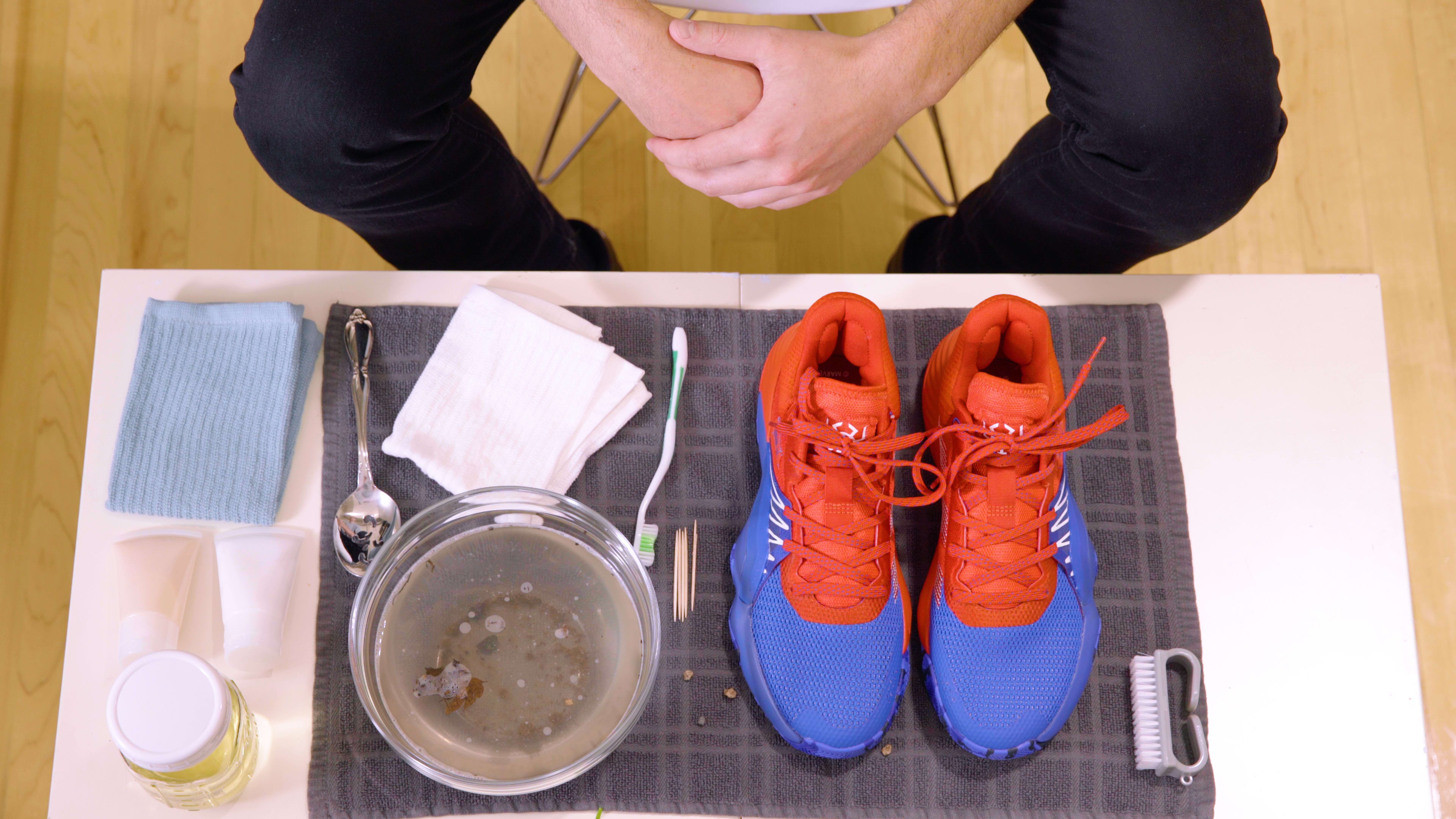
Image Source: brand.assets.adidas.com
The Importance of Clean Soles for Basketball Performance
Basketball is a game of quick cuts, explosive jumps, and sharp stops. All these movements rely heavily on the friction between your shoes and the court. The soles of your basketball shoes are engineered with specific tread patterns and rubber compounds designed to provide optimal grip on polished wooden courts or outdoor asphalt. However, this grip is easily compromised by a layer of dust, sweat, and debris.
When dirt accumulates on the shoe sole cleaning area, it creates a barrier between the rubber and the court. This barrier fills the grooves and smooths the surface of the sole, reducing the contact points that create friction. Think of it like trying to walk on a slick floor with dirty shoes – the dirt acts as a lubricant. For basketball players, this translates to:
- Slipping: Losing your footing during a drive to the basket or a defensive slide.
- Reduced Agility: Inability to make sharp cuts or change direction quickly.
- Decreased Vertical Leap: Less secure footing means less power transfer for jumping.
- Increased Risk of Injury: Slipping can lead to ankle rolls or other joint injuries.
Therefore, a consistent basketball shoe cleaning routine isn’t just about aesthetics; it’s a crucial step in maintaining basketball shoe performance and ensuring you can improve basketball shoe traction.
What You’ll Need for Effective Basketball Shoe Cleaning
Gathering the right supplies before you start will make the process smoother and more effective. Here’s a list of items that will help you achieve a thorough deep clean basketball sneakers:
- Soft Brush: An old toothbrush or a dedicated shoe brush is perfect for scrubbing.
- Medium Stiff Brush: A nail brush or a slightly stiffer shoe brush can be used for tougher grime.
- Microfiber Cloths: Have at least two on hand – one for washing and one for drying.
- Mild Soap or Detergent: Dish soap (like Dawn) or a dedicated sneaker cleaner works well. Avoid harsh chemicals.
- Warm Water: Not hot, just warm, as it helps loosen dirt without damaging materials.
- Cotton Swabs or Q-tips: Ideal for cleaning hard-to-reach areas and crevices.
- Magic Eraser (Optional): Excellent for cleaning the midsole and rubber parts of the shoe.
- Newspaper or Shoe Trees: For stuffing inside the shoes to help them retain their shape and absorb moisture.
- Old Towel: To place your shoes on during cleaning and catch drips.
Step-by-Step Guide to Cleaning Your Basketball Shoes
Let’s get down to the nitty-gritty of basketball shoe cleaning to restore grip on basketball shoes. This process focuses on both the upper and, most importantly, the soles for optimal basketball court grip.
Step 1: Initial Wipe-Down and Debris Removal
Before any washing, it’s important to remove loose dirt and debris.
- Bang the soles of your shoes together outside to dislodge as much dirt as possible.
- Use a dry, soft brush to sweep away any remaining loose dirt from the uppers and the soles. Pay attention to the treads where dirt often gets lodged.
Step 2: Cleaning the Uppers
The upper material of your basketball shoes can vary (mesh, synthetic leather, knit). Tailor your approach to the material.
For Mesh and Knit Uppers:
- Mix a small amount of mild soap with warm water in a bowl.
- Dip your soft brush or a microfiber cloth into the soapy water.
- Gently scrub the mesh or knit sections. Work in small, circular motions.
- Avoid oversaturating the material.
- Wipe away the soap residue with a clean, damp microfiber cloth.
For Synthetic Leather or Leather Uppers:
- Use a slightly damp microfiber cloth to wipe away surface dirt.
- If there’s stubborn dirt, use the mild soap and water solution sparingly, applying it with a cloth rather than directly to the shoe.
- For leather, consider using a leather cleaner and conditioner after the initial wash to keep the material supple.
Step 3: Deep Cleaning the Soles for Maximum Grip
This is the most critical part for improving basketball shoe traction.
Cleaning the Rubber Soles:
- Create a cleaning solution by mixing warm water with a good squirt of mild dish soap.
- Dip your medium-stiff brush into the solution.
- Scrub the rubber soles vigorously. Focus on the tread patterns where dirt is most likely to accumulate.
- Use cotton swabs dipped in the cleaning solution to get into the intricate grooves of the tread. This is key to remove court dirt from shoes effectively.
- For very stubborn marks or ingrained dirt, a Magic Eraser can be very effective on the rubber and midsole portions of the shoe. Gently rub the affected areas.
- Rinse the brush and wipe down the soles with a clean, damp microfiber cloth to remove soap residue.
Cleaning the Midsole:
- The midsole, often made of foam or rubber, can also accumulate dirt.
- Use the same mild soap and water solution with your soft brush or a Magic Eraser to gently clean the midsole.
- Wipe clean with a damp cloth.
Step 4: Cleaning Laces and Insoles
Don’t forget these often-overlooked parts!
Laces:
- Remove the laces from the shoes.
- You can hand-wash them in the same soapy water you used for the uppers.
- Alternatively, place them in a mesh laundry bag and machine wash them with your regular laundry.
- Allow them to air dry completely before re-lacing.
Insoles:
- Remove the insoles from the shoes.
- If they are just dusty, a good brush-off might suffice.
- For more significant dirt or odor, hand wash them with mild soap and cool water.
- Gently scrub them with a soft brush.
- Rinse them thoroughly.
- Crucially, let insoles air dry completely. Never put them in a dryer, as the heat can warp or damage them. Ensure they are dry before putting them back into the shoes to prevent mold or mildew.
Step 5: Rinsing and Drying
Proper drying is as important as cleaning to avoid damage and odors.
- Use a clean, damp microfiber cloth to wipe down the entire shoe, ensuring all soap residue is removed from the uppers and soles.
- Gently pat the shoes with a dry microfiber cloth to absorb excess moisture.
- Never use a direct heat source like a hairdryer or place shoes in a clothes dryer. This can damage the adhesives, warp materials, and even melt the rubber.
- Stuff the shoes with newspaper or shoe trees. This helps them maintain their shape and absorbs moisture from the inside. Change the newspaper periodically if it becomes saturated.
- Allow the shoes to air dry in a well-ventilated area, away from direct sunlight or heat. Drying can take 24-48 hours, depending on humidity and how wet the shoes became.
Advanced Techniques for Restoring Grip
Sometimes, even after a thorough cleaning, you might feel like the grip isn’t what it used to be. Here are some advanced tips to restore grip on basketball shoes and enhance sneaker traction:
Using a Rubber Cleaner
Specialized rubber cleaners are available that can help revitalize the rubber compound of your soles. Follow the product instructions carefully. These often work by removing a very thin layer of oxidized rubber, exposing fresh rubber underneath.
The Magic Eraser Method (Revisited)
As mentioned, a Magic Eraser (melamine foam) is excellent for cleaning sneaker soles. Its fine abrasive texture can gently buff away minor scuffs and residue that cleaning solutions might miss, helping to expose the grippy surface of the rubber.
Light Sanding (Use with Extreme Caution)
For very smooth, worn-out soles, some players resort to very light sanding.
- Warning: This is a last resort and can permanently damage your shoes if done incorrectly.
- Use a very fine-grit sandpaper (e.g., 220-grit or higher).
- Gently and lightly sand the contact points of the sole in one direction. The goal is to create microscopic scratches, not to remove significant amounts of rubber.
- Wipe away any dust with a damp cloth and let dry.
This method should only be considered if all other cleaning and restorative methods have failed and you are willing to accept the risk of potentially reducing the lifespan of your soles.
Maintaining Basketball Shoe Performance: Prevention is Key
The best way to ensure long-lasting grip and performance is to prevent excessive dirt buildup in the first place.
- Clean After Every Use: Even a quick wipe-down of the soles after a game or practice can make a huge difference.
- Avoid Wearing Them Outside: If possible, change into your basketball shoes at the court. Wearing them on dusty or rough surfaces transfers dirt and wears down the sole’s grip.
- Store Them Properly: Keep your basketball shoes in a cool, dry place, away from direct sunlight. Using shoe trees or stuffing them with newspaper will help them keep their shape and absorb any residual moisture.
- Rotate Your Shoes: If you play frequently, having two pairs of basketball shoes and rotating them allows each pair to fully dry out and recover between uses, extending their lifespan and maintaining their performance.
Common Mistakes to Avoid During Basketball Shoe Cleaning
Even with the best intentions, some cleaning practices can actually harm your shoes or reduce their grip.
Using Harsh Chemicals
- Bleach, ammonia, or strong solvents can break down the adhesives holding your shoes together and damage the materials. Stick to mild soaps.
Over-Wetting the Shoes
- Soaking your basketball shoes can damage the internal structure, cause materials to break down, and lead to unpleasant odors if they don’t dry properly. Use just enough water to clean.
Machine Washing and Drying
- As mentioned, washing machines are too aggressive, and dryers use heat that can melt glue and warp plastics. Always hand wash and air dry.
Cleaning Only the Uppers
- While the uppers need cleaning for hygiene and appearance, neglecting the soles is a direct path to reduced traction. Prioritize shoe sole cleaning for grip.
Not Drying Properly
- Damp shoes are a breeding ground for bacteria and odors, and can weaken the shoe’s construction over time. Ensure they are thoroughly dry before wearing.
The Science Behind Traction: Why Cleaning Works
The grip of a basketball shoe comes from two primary factors: the rubber compound of the sole and the tread pattern.
- Rubber Compound: Basketball shoes use specialized rubber formulations designed for flexibility and grip on specific court surfaces. This rubber needs to be clean to make direct contact with the court.
- Tread Pattern: The grooves and patterns in the sole are engineered to channel away dust and debris, allowing the rubber to make maximum contact with the court. When these grooves are clogged with dirt, the channels are blocked, and the grip is diminished.
By cleaning your basketball shoes, you are essentially:
- Removing the barrier: The accumulated dirt acts as a barrier, preventing the rubber from gripping the court surface directly.
- Restoring the tread: Clearing out the grooves in the sole allows the tread pattern to function as intended, providing optimal contact points.
- Exposing fresh rubber: For older shoes, a good cleaning can remove oxidized layers of rubber, revealing the grippier, fresher rubber underneath.
This is why a meticulous approach to cleaning sneaker soles is so vital for players who want to improve basketball shoe traction.
Frequently Asked Questions (FAQ)
Q1: How often should I clean my basketball shoes?
A: It’s best to give your basketball shoes a quick wipe-down of the soles after every game or practice to remove surface dirt. A more thorough deep clean basketball sneakers should be done every few weeks of regular play, or whenever you notice a significant loss of grip.
Q2: Can I use a washing machine to clean my basketball shoes?
A: No, it is strongly advised against using a washing machine. The agitation, heat, and water pressure can damage the shoe’s structure, adhesives, and materials, ultimately compromising their performance and lifespan. Always opt for hand washing.
Q3: My basketball shoes still feel slippery after cleaning. What else can I do?
A: If cleaning doesn’t fully restore the grip, you might consider using a specialized rubber cleaner for soles. In some cases, very light sanding of worn soles can help, but this should be done with extreme caution as it can damage the shoes if not performed correctly. Ensure you’ve thoroughly removed all dirt from the tread grooves.
Q4: Can I wear my basketball shoes outdoors?
A: It’s best to avoid wearing your basketball shoes on rough outdoor surfaces like concrete or asphalt. These surfaces are abrasive and will wear down the specialized rubber soles much faster, significantly reducing their grip on indoor courts. If you must wear them outdoors, try to do so minimally.
Q5: How can I get rid of the smell in my basketball shoes?
A: To combat odors, ensure you allow your shoes to air dry completely after cleaning or use. You can also place odor-absorbing products like baking soda sachets or activated charcoal inserts inside the shoes when they are not in use. Removing and cleaning the insoles separately is also crucial for odor control.
Q6: What is the best way to clean the midsole of my basketball shoes?
A: The midsole can typically be cleaned with the same mild soap and water solution used for the uppers. A Magic Eraser is particularly effective for removing scuff marks and dirt from foam or rubber midsoles. Gently scrub and then wipe clean with a damp cloth.
By following these guidelines, you can effectively clean your basketball shoes, restore grip on basketball shoes, enhance sneaker traction, and ensure you maintain basketball shoe performance for every game. Happy hooping!