
A basketball should be inflated to between 7 and 9 pounds per square inch (PSI). This range ensures the ball bounces correctly and provides a good playing experience.
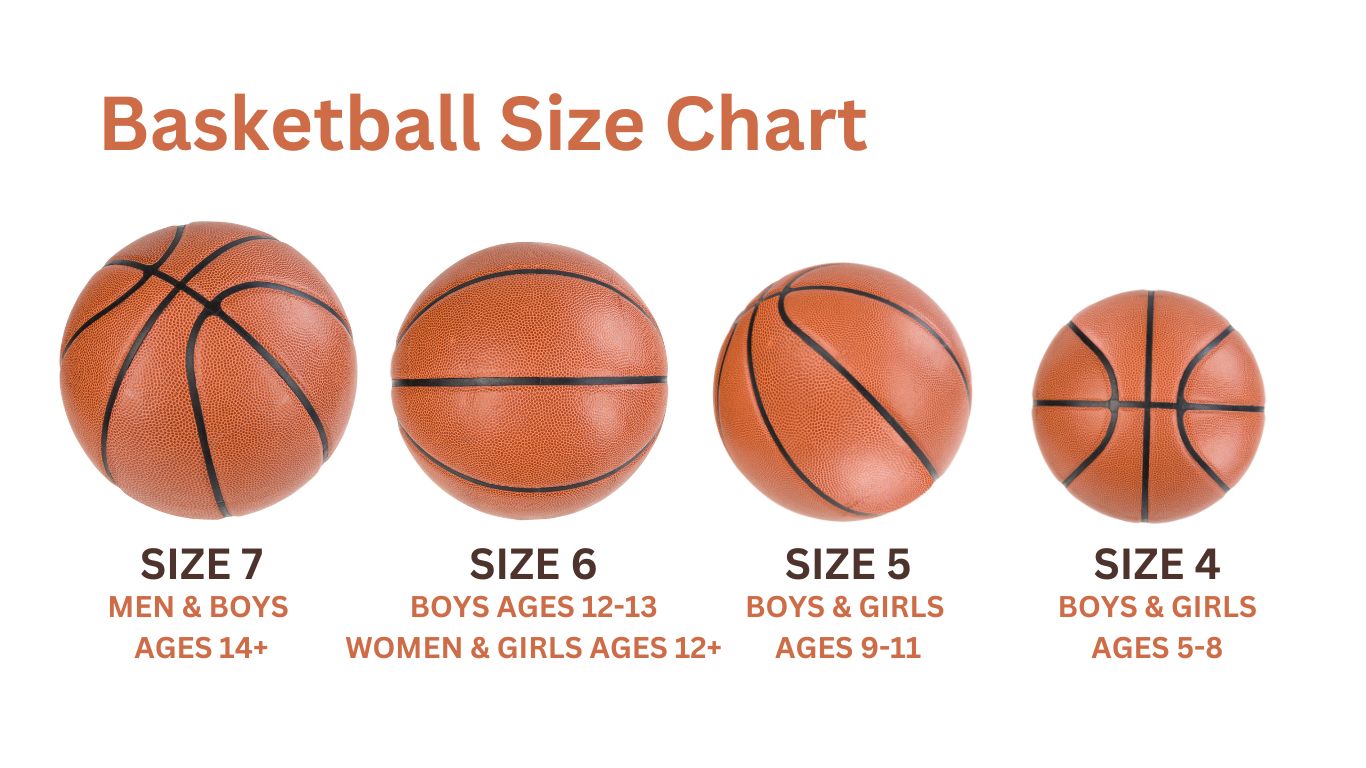
Image Source: 149347557.v2.pressablecdn.com
The Heart of the Bounce: Basketball Inflation Pressure
The right amount of air pressure in a basketball is crucial for how it performs on the court. Too much or too little, and you’re not getting the best out of your game. This is where understanding basketball inflation pressure comes into play. Let’s dive deep into why psi for basketball matters so much.
Why the Right PSI is Vital
Imagine trying to play with a ball that’s as hard as a rock or as soft as a deflated balloon. Neither scenario leads to enjoyable basketball. The correct basketball air pressure ensures:
- Consistent Bounce: A properly inflated ball will rebound predictably when dribbled or shot. This consistency is key for developing shooting touch and ball-handling skills.
- Optimal Handling: The grip and feel of the ball are significantly affected by its inflation. The right pressure makes the ball easier to control and pass.
- Fair Play: In organized games, having balls with the correct basketball pressure ensures a level playing field for all players.
- Ball Longevity: Over- or under-inflating a basketball can damage its internal bladder and outer casing, shortening its lifespan.
What Exactly is PSI?
PSI stands for Pounds per Square Inch. It’s a unit of measurement for pressure. When we talk about the air pressure in a basketball, we’re referring to the force exerted by the air molecules pushing outwards on the inside surface of the ball.
The Magic Number: Standard Basketball PSI
Most basketballs, whether for indoor or outdoor play, are designed to be inflated within a specific range. The standard basketball psi is generally between 7 and 9 PSI.
This range is not arbitrary. Manufacturers conduct extensive testing to determine the inflation level that provides the best combination of bounce, feel, and durability for their specific ball models.
Deciphering the Recommended Psi for Basketball
So, what’s the recommended psi for basketball? While the 7-9 PSI range is a good guideline, it’s always best to check the specific recommendations for your basketball.
Where to Find the Recommended PSI
- The Basketball Itself: Often, the ideal inflation range is printed directly on the surface of the basketball, usually near the valve stem. Look for small text that might say “Inflate to 7-9 PSI” or something similar.
- Manufacturer’s Website or Packaging: If you still have the original packaging or can find your basketball’s model online, the manufacturer’s website will almost certainly have detailed specifications, including the recommended inflation pressure.
Why Different Balls Might Have Slight Variations
Different types of basketballs, like indoor leather balls versus outdoor rubber balls, might have slightly different recommended PSI ranges.
- Indoor Balls: These are often made of premium leather and are used in controlled environments. They might be a bit more sensitive to pressure, so sticking closely to the recommended PSI is particularly important.
- Outdoor Balls: Made with more durable rubber or composite materials, outdoor balls can sometimes tolerate a slightly wider range of inflation. However, it’s still best practice to use the recommended pressure.
How to Check Basketball PSI Accurately
Knowing the recommended PSI is one thing; ensuring your basketball is actually at that pressure is another. This is where you’ll need the right tools and techniques. Knowing how to check basketball psi is a fundamental skill for any serious player.
Essential Tools for Checking Pressure
-
Basketball Pressure Gauge: This is the most accurate and reliable tool.
- Types of Gauges:
- Dial Gauges: These have a needle that points to the pressure reading on a circular dial. They are generally affordable and easy to use.
- Digital Gauges: These provide a precise numerical reading on an LCD screen. They are often more accurate but can be more expensive.
- How to Use:
- Ensure the gauge is calibrated (most are out of the box).
- Remove the valve cap from the basketball.
- Firmly press the gauge’s needle or fitting into the basketball’s valve stem.
- Read the pressure displayed on the gauge.
- If the pressure is too low, inflate the ball. If it’s too high, release a little air by gently pressing the center of the valve stem with a pin or the gauge’s release button.
- Types of Gauges:
-
Inflation Needle: This is what you’ll use to add air to the basketball. Most pumps come with these. Make sure the needle is properly seated in the pump.
-
Air Pump: You’ll need a pump to add air. Ball pumps are common and readily available. Some have built-in gauges, but often they aren’t very accurate.
The “Bounce Test” – A Less Precise Method
While a pressure gauge is best, in a pinch, many people rely on a “bounce test.” This involves dribbling the ball from waist height and observing its rebound.
- Ideal Bounce: A properly inflated ball should rebound to about half to two-thirds of its original height when dropped from waist level.
- Underinflated Basketball: An underinflated basketball will feel soft and won’t bounce back very high. It will feel “dead.”
- Overinflated Basketball: An overinflated basketball will feel very hard and might bounce too high, making it difficult to control. It can also feel like it’s going to burst.
Important Note: The bounce test is subjective and depends on the playing surface and your own perception. It’s not a substitute for a pressure gauge if accuracy is paramount.
Checking Your Ball Regularly
It’s a good habit to check your basketball’s pressure before each game or practice session. Air can slowly leak out over time, especially if the ball is used frequently or stored in varying temperatures.
What Happens with an Overinflated Basketball?
An overinflated basketball is a common issue that can lead to a less-than-ideal playing experience and potentially damage the ball.
Consequences of Overinflation
- Hard and Unresponsive Feel: The ball will feel extremely hard to the touch. Dribbling will be less about control and more about absorbing the jarring impact.
- Erratic Bouncing: Instead of a predictable bounce, an overinflated ball will tend to bounce too high and too erratically. This makes it difficult to gauge rebounds, pass accurately, or control during dribbling.
- Reduced Grip: The surface of the ball can become stretched and less grippy, making it harder to hold and manipulate.
- Increased Risk of Damage: Overinflation puts excessive stress on the internal bladder and the seams of the basketball. This can lead to:
- Bladder Burst: In extreme cases, the bladder inside the ball can burst, rendering the ball useless.
- Seam Separation: The seams where the panels of the ball are joined can split or weaken.
- Permanent Deformation: The ball might lose its perfect spherical shape.
Identifying an Overinflated Ball
- Feel: It feels rock hard.
- Bounce: It bounces excessively high and is hard to control.
- Sound: Dribbling might produce a sharper, louder “thwack” sound.
- Visual: In severe cases, the ball might appear slightly bulging or misshapen.
If you suspect your ball is overinflated, release a small amount of air using the valve stem (gently press the center with a pin or the release button on a pressure gauge) and re-check the pressure.
Dealing with an Underinflated Basketball
Conversely, playing with an underinflated basketball is equally detrimental to your game.
The Downsides of Underinflation
- “Dead” Ball: The most noticeable characteristic is a lack of bounce. The ball will feel soft and sluggish, absorbing impact rather than rebounding from it.
- Poor Handling: An underinflated ball is floppy and difficult to control. Passes will wobble, dribbling will be inconsistent, and shooting will suffer.
- Reduced Shooting Accuracy: The lack of a predictable bounce affects the trajectory of shots, making it harder to develop a consistent shooting form.
- Potential for Damage (Different Kind): While less likely to burst, an underinflated ball can develop flat spots or its shape can be permanently compromised if it’s frequently used in this state. The bladder can also become creased.
Recognizing an Underinflated Ball
- Feel: It feels soft and squishy.
- Bounce: It barely bounces back when dribbled, or it bounces unpredictably low.
- Sound: Dribbling sounds duller and more muted.
- Visual: It might appear slightly deflated or less perfectly round than a properly inflated ball.
If your ball is underinflated, use your pump and inflation needle to add air until it reaches the recommended PSI range.
The Role of the Basketball Pressure Gauge
A basketball pressure gauge is an indispensable tool for anyone serious about basketball. It removes the guesswork and ensures your ball is always performing at its best.
Why Invest in a Gauge?
- Accuracy: It provides a precise reading of the air pressure, unlike subjective bounce tests.
- Consistency: Allows you to consistently maintain the correct inflation for all your basketballs.
- Ball Care: Helps prevent damage caused by over- or under-inflation, extending the life of your equipment.
- Performance: Ensures optimal bounce, grip, and control for a better playing experience.
Features to Look for in a Basketball Pressure Gauge
- Durability: A sturdy construction that can withstand being dropped or bumped.
- Clear Display: Easy-to-read dial or digital display.
- Compatibility: A fitting that works with standard basketball valve stems.
- Accuracy: Look for gauges that are known for their reliability.
Maintaining Optimal Basketball Air Pressure
Keeping your basketball properly inflated is an ongoing process. Here’s how to ensure you’re always playing with the right basketball air pressure.
Regular Checks
As mentioned, check your ball’s pressure regularly. Before games, before practice, or even once a week if it’s your primary ball.
Proper Storage
- Temperature: Avoid storing basketballs in extreme temperatures (very hot or very cold). This can affect the air pressure. A moderate indoor temperature is ideal.
- Environment: Keep balls away from sharp objects or rough surfaces that could puncture them.
Inflation Best Practices
- Use a Needle Lubricant: Applying a small amount of silicone lubricant or even saliva to the inflation needle before inserting it into the valve can make insertion easier and help prevent damage to the valve.
- Insert Needle Straight: Always insert the needle as straight as possible into the valve to avoid bending or breaking it, or damaging the valve opening.
- Don’t Force It: If the needle doesn’t go in easily, don’t force it. Check for obstructions.
Inflating to the Correct PSI
Always refer to the recommended PSI for your specific basketball. While the 7-9 PSI range is common, it’s not universal. Using the manufacturer’s guidelines is the best approach.
Common Questions About Basketball PSI
FAQ: Frequently Asked Questions
Q1: What is the recommended PSI for a standard NBA basketball?
A standard NBA basketball is inflated to between 7.5 and 8.5 PSI. The league’s official rules specify that the ball should bounce not less than 49 inches and not more than 54 inches when dropped from a height of 72 inches. This range of bounce is achieved with the specified air pressure.
Q2: Can I use a car tire pressure gauge to check my basketball’s PSI?
While a car tire gauge measures PSI, it might not be accurate enough for the lower pressures of a basketball, and the fitting might not be compatible. Dedicated basketball pressure gauges are inexpensive and designed for this purpose.
Q3: How often should I check my basketball’s pressure?
It’s a good practice to check your basketball’s pressure before each game or practice session. Air can slowly escape over time.
Q4: What happens if my basketball is slightly outside the recommended PSI range?
Slight deviations might not be immediately noticeable, but it’s best to keep the ball within the recommended range for optimal performance and to prevent damage. An overinflated basketball will bounce too high and be hard, while an underinflated basketball will feel soft and have a poor bounce.
Q5: How do I know if my basketball has a leak?
If you frequently have to add air to your basketball, it likely has a slow leak. You can try to find the leak by submerging the inflated ball in water and looking for escaping bubbles, or by listening for a faint hissing sound.
Q6: Does temperature affect basketball pressure?
Yes, temperature can affect air pressure. In warmer temperatures, the air inside the ball will expand, increasing the pressure. In colder temperatures, the air contracts, decreasing the pressure.
Q7: My basketball came with no instructions on PSI. What should I do?
Look for markings on the ball itself, usually near the valve. If nothing is there, the general rule of thumb is 7-9 PSI. You can also check the manufacturer’s website for your specific model.
By paying attention to basketball inflation pressure and using the right tools to maintain the correct basketball pressure, you can ensure your basketball performs at its peak for every dribble, pass, and shot.