
Why choose basketball shoes? You choose basketball shoes because they are specifically designed to provide the support, cushioning, and grip needed for the dynamic movements of basketball, offering superior performance and protection compared to other types of athletic footwear.
Basketball is a sport of explosive movements. Think quick cuts, powerful jumps, and sudden stops. To excel on the court and keep your feet happy, you need the right gear. While many sneakers might look good, not all are built for the demands of the game. So, why not basketball shoes for your everyday wear or other activities? Let’s dive deep into why these specialized kicks are a game-changer.
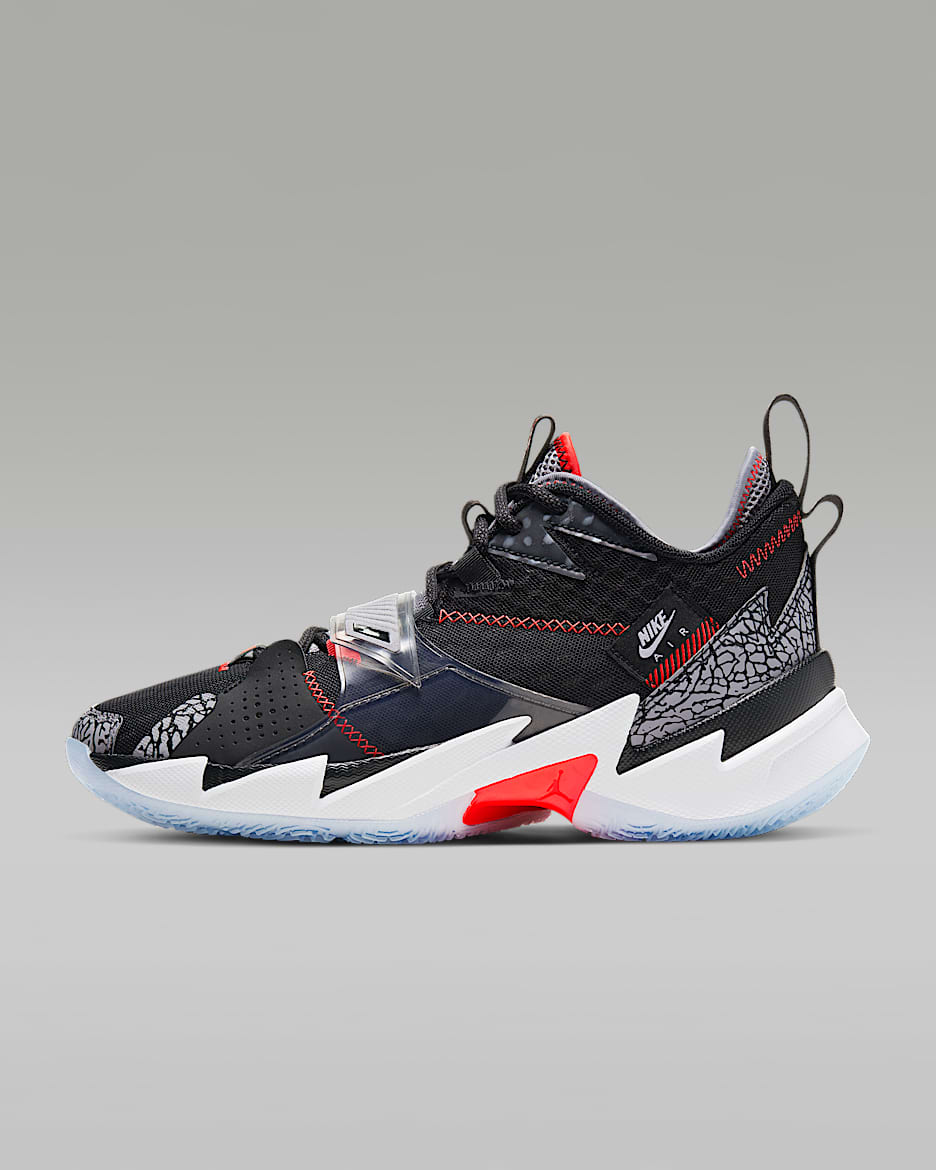
Image Source: static.nike.com
Fathoming Basketball Shoe Features
Basketball shoes are a marvel of engineering, packed with features that cater to the sport’s unique needs. It’s not just about good looks; it’s about how they help you play better and stay injury-free.
Superior Ankle Support
One of the most noticeable features is the often-higher cut around the ankle. This isn’t just for show.
- Mid-top and High-top Designs: These cuts offer enhanced ankle stability, reducing the risk of sprains and rolls during lateral movements and hard landings.
- Lacing Systems: Many basketball shoes feature robust lacing systems, often with extra eyelets, allowing for a customized and secure lockdown around the ankle.
- Padding: Generous padding around the ankle collar provides cushioning and further support, preventing chafing and adding to overall comfort.
Advanced Cushioning Technology
The impact of jumping and landing repeatedly can take a toll on your joints. Basketball shoes are equipped with specialized cushioning to absorb shock.
- Forefoot and Heel Cushioning: Look for shoes with ample cushioning in both the forefoot (for explosive push-offs) and the heel (for landing impact).
- Responsive Foams: Brands utilize various proprietary foam technologies (like Nike’s Zoom Air, Adidas’s Boost, or Under Armour’s HOVR) that provide a balance of softness and responsiveness, returning energy with each step.
- Air Units: Many shoes incorporate air-filled units in the midsole, offering targeted impact protection and a bouncy feel.
Exceptional Traction and Grip
Stopping on a dime, changing direction instantly, and maintaining balance are crucial in basketball. The outsole plays a vital role.
- Herringbone Patterns: A classic pattern, herringbone offers excellent multi-directional grip, allowing for quick pivots and stops without slipping.
- Zonal Tread: Some outsoles feature different tread patterns in specific areas, optimizing grip for different movements (e.g., more grip in the heel for stability, more in the forefoot for acceleration).
- Durable Rubber Compounds: The rubber used is typically designed to be both sticky and durable, providing consistent performance on indoor courts.
Lightweight Yet Supportive Materials
Modern basketball shoes aim to be light enough to allow for agility but strong enough to withstand the game’s rigors.
- Engineered Mesh: Breathable and flexible, engineered mesh uppers provide a sock-like fit and good ventilation, keeping feet cool.
- Synthetic Overlays: Strategically placed synthetic materials offer structural support and durability in high-wear areas, preventing the shoe from deforming under stress.
- Internal Support Structures: Many shoes incorporate internal straps or cages that wrap around the foot, providing a secure lockdown without adding excessive bulk.
The Importance of Basketball Shoe Performance
Why choose basketball shoes when it comes to performance? Because they are engineered for it. Every element is designed to enhance your ability on the court.
Enhancing Agility and Quickness
The combination of lightweight construction, responsive cushioning, and superior traction directly contributes to a player’s agility.
- Reduced Fatigue: Lighter shoes mean less energy expenditure per step, allowing players to stay fresh longer.
- Faster Cuts: The specialized outsoles provide the grip needed to execute sharp cuts and changes of direction without losing footing.
- Explosive Jumps: The cushioning and support in the midsole help transfer energy efficiently, contributing to higher vertical leaps.
Injury Prevention
The most significant reason to opt for basketball shoes is their role in preventing common basketball-related injuries.
- Ankle Sprains: As mentioned, the ankle support is paramount. High-top and mid-top designs, combined with secure lacing, significantly reduce the risk of ankle rolls.
- Impact-Related Injuries: The advanced cushioning systems absorb the shock from landings, protecting the ankles, knees, and even hips from the repetitive stress of jumping.
- Foot Stability: The structured design and supportive materials help maintain proper foot alignment during dynamic movements, preventing issues like plantar fasciitis or shin splints.
Court Feel vs. Cushioning
There’s a delicate balance in basketball shoes between cushioning and “court feel”—the ability to feel the court beneath your feet for precise movements.
- Balanced Cushioning: The best basketball shoes offer a compromise, providing enough cushioning to absorb impact without sacrificing the connection to the court that allows for quick reactions.
- Low-Profile Cushioning Options: For players who prioritize court feel, some models offer lower-profile cushioning systems that still provide adequate protection.
Exploring Basketball Shoe Technology
The evolution of basketball shoe technology is a fascinating journey. Brands are constantly innovating to give players an edge.
Cushioning Innovations
- Nike Air Max and Zoom Air: These systems use pressurized air units to provide excellent cushioning and responsiveness. Zoom Air is known for its low-profile, high-responsiveness feel.
- Adidas Boost: This technology uses thermoplastic polyurethane (TPU) pellets that are expanded and fused together. Boost is lauded for its incredible energy return and durability, remaining comfortable in a wide range of temperatures.
- Under Armour HOVR: HOVR foam is designed to provide a “zero-gravity feel,” offering impact absorption and energy return. It’s often paired with a “smart” chipset in some models for performance tracking.
- Puma Nitro and ProFoam: Puma has introduced its Nitro foam for lightweight cushioning and responsiveness, and ProFoam for a softer, more cushioned feel.
- New Balance FuelCell: This is a nitrogen-infused foam compound that offers a lightweight and highly responsive ride.
Material Advancements
- Knit Uppers (e.g., Flyknit, Primeknit): These one-piece, woven uppers offer a customizable, sock-like fit, breathability, and targeted support without adding bulk.
- Synthetic Leathers and Suedes: Often used in combination with knits, these materials provide structure, durability, and a premium look.
- Carbon Fiber Plates: Some high-performance basketball shoes incorporate carbon fiber plates in the midsole. These plates help with propulsion and provide torsional rigidity, enhancing responsiveness and preventing the shoe from twisting excessively.
Traction Enhancements
- Outsole Rubber Formulations: Different rubber compounds are tested for optimal grip on various court surfaces.
- Pattern Design: Beyond herringbone, designers experiment with radial patterns, multi-directional chevrons, and data-driven traction zones to improve grip during specific movements.
Deciphering Basketball Shoe Comfort
Comfort is king, especially during a long game or practice. Basketball shoe comfort is a direct result of how well the shoe’s design and technology work together.
The Role of the Midsole
The midsole is where most of the cushioning magic happens.
- Foam Density: The density of the foam affects both the softness and responsiveness. Softer foams absorb more impact, while firmer foams offer better ground feel and energy return.
- Midsole Geometry: The shape of the midsole, including any sculpted or carved-out areas, can influence cushioning and flexibility.
Fit and Feel
A good fit is crucial for both comfort and performance.
- Sock-like Fit: Many modern basketball shoes aim for a snug, sock-like feel, minimizing internal movement and hot spots.
- Breathability: Well-ventilated uppers prevent feet from overheating, which can lead to discomfort and blisters.
- Arch Support: While not as pronounced as in some running shoes, many basketball shoes offer a degree of arch support to help maintain foot posture.
Evaluating Basketball Shoe Durability
If you’re investing in a pair of best basketball shoes, you want them to last. Durability is a key consideration.
Construction Quality
- Stitching: Look for reinforced stitching, especially in high-stress areas like the toe box and heel.
- Adhesives: The quality of the glue used to bond different parts of the shoe impacts its overall longevity.
- Material Wear Resistance: The materials used for the upper and outsole are chosen for their ability to withstand abrasion and tear.
Outsole Wear
The outsole is often the first part of a shoe to show wear, especially on outdoor courts.
- Durable Rubber: While softer, grippier rubber might offer superior traction, it can wear down faster. Harder rubber compounds tend to be more durable but may offer slightly less grip.
- Outdoor vs. Indoor: Outsoles designed for indoor courts may wear out very quickly on rough outdoor surfaces.
Upper Material Integrity
- Abrasion Resistance: Materials like synthetics and robust knits are chosen for their resistance to scuffs and tears from court contact.
- Reinforcements: Overlays and external heel counters add durability to areas that are prone to wear and tear.
Embracing Basketball Shoe Style
Beyond performance, basketball shoe style has become a significant factor for many consumers. What was once purely functional has become a fashion statement.
Iconic Designs
Many basketball shoes transcend the court, becoming streetwear staples.
- Retro Models: Classic designs from legendary players or eras remain highly popular, appreciated for their historical significance and timeless aesthetics.
- Signature Shoes: Shoes designed for specific NBA stars often feature unique colorways and design elements inspired by the athlete.
Colorways and Materials
The variety of colors and materials available means there’s a basketball shoe to match almost any personal style.
- Vibrant Colors: Bright, eye-catching colors are common, reflecting the energy of the game.
- Premium Materials: Some models incorporate premium materials like leather, suede, or even exotic skins for a more luxurious feel.
- Limited Editions and Collaborations: These often feature unique designs and are highly sought after by collectors and fashion enthusiasts.
Versatility Off the Court
While designed for basketball, many people wear basketball shoes as casual footwear.
- Comfort for Everyday Wear: The cushioning and supportive design make them comfortable for walking and standing for extended periods.
- Athletic Aesthetic: Their sporty look complements casual outfits, making them a popular choice for everyday style.
Fathoming Basketball Shoe Fit
Getting the right basketball shoe fit is paramount. A poor fit can lead to discomfort, reduced performance, and even injury.
Key Considerations for Fit
- Length: Ensure there’s about a finger’s width of space between your longest toe and the end of the shoe when standing.
- Width: The shoe should feel snug but not tight across the widest part of your foot. Your foot shouldn’t bulge over the sides of the sole.
- Heel Lock: Your heel should stay in place when you walk or move. Excessive slipping indicates a poor fit.
- Arch Comfort: The arch of the shoe should align with the natural arch of your foot.
Trying On Shoes
- Wear Basketball Socks: Always try on shoes with the type of socks you’ll wear during play.
- Test Movements: Walk around, jump lightly, and perform a few quick lateral movements to feel how the shoes perform.
- Try Later in the Day: Feet tend to swell throughout the day, so trying on shoes in the afternoon or evening can provide a more accurate fit.
Dealing with Specific Foot Types
- Wide Feet: Look for brands or models known for offering wider options. Some shoes have more generous toe boxes.
- Narrow Feet: Lacing techniques can help, but some shoes inherently offer a more glove-like fit.
- Flat Feet/High Arches: While basketball shoes aren’t orthotics, some offer better inherent support. You might consider aftermarket insoles if you have specific arch needs.
Top Basketball Shoe Brands
The landscape of basketball shoe brands is dominated by a few major players, each with its own strengths and signature technologies.
Nike
A perennial leader, Nike offers a vast range of basketball shoes, from performance-driven signature lines (LeBron James, Kevin Durant, Kyrie Irving, Giannis Antetokounmpo) to team-focused models. They are renowned for their Air and Zoom cushioning technologies and innovative material use.
Adidas
Adidas is another powerhouse, known for its Boost cushioning, which provides exceptional energy return. Their signature lines include stars like James Harden and Damian Lillard. Adidas also offers versatile team shoes and often integrates Primeknit technology for a comfortable fit.
Under Armour
Under Armour has made significant strides in the basketball market, particularly with its HOVR cushioning technology. Stephen Curry’s signature line has been a major success, showcasing UA’s commitment to performance and style.
Puma
Puma has re-entered the basketball space with a bang, signing prominent athletes like LaMelo Ball. They are introducing new cushioning technologies like Nitro foam and focusing on stylish, modern designs.
New Balance
New Balance is also making a strong comeback in basketball, leveraging its expertise in footwear engineering with technologies like FuelCell. They offer a range of shoes with a focus on comfort and performance.
Other Notable Brands
- ASICS: Known for its GEL cushioning technology, ASICS offers durable and supportive basketball shoes.
- Reebok: With a rich history in basketball footwear, Reebok continues to offer classic and modern designs.
Why Not Basketball Shoes for Everyday Use?
So, if basketball shoes are so great, why not basketball shoes for everything else? While they are incredibly versatile and comfortable, there are some considerations.
Advantages for Everyday Wear
- Superior Comfort: The advanced cushioning makes them ideal for walking, standing, and general daily activities.
- Excellent Support: The ankle support and stable construction can be beneficial for those who spend a lot of time on their feet.
- Durability: They are built to withstand rigorous activity, meaning they can often outlast casual sneakers.
- Style: Their athletic aesthetic is a popular choice for casual fashion.
Potential Downsides for Non-Basketball Use
- Over-Engineering for Casual Activity: For light walking or sitting, the robust support and cushioning might feel like overkill, potentially making them feel heavier or less flexible than a dedicated walking shoe.
- Traction on Different Surfaces: The specialized outsoles are designed for court grip. On smooth, polished surfaces or wet conditions, they might offer less predictable traction than a shoe designed for those environments.
- Breathability Limitations: While many basketball shoes are breathable, some heavy-duty models might trap heat more than a lightweight casual shoe, especially in warm weather.
- Wear and Tear on Outsoles: Using basketball shoes on rough surfaces like concrete can rapidly wear down the specialized rubber, shortening their lifespan if you’re primarily using them for street wear.
Frequently Asked Questions (FAQ)
Can I wear basketball shoes for running?
While they offer cushioning, basketball shoes are not ideal for running. Running shoes are designed with specific cushioning and flexibility for the forward-motion impact of running, which differs from the multi-directional movements of basketball. Running in basketball shoes could lead to discomfort or even injury due to their design focus on lateral support and ankle lockdown.
Are basketball shoes good for volleyball?
Yes, many basketball shoes can be suitable for volleyball due to their excellent grip and ankle support, which are beneficial for jumping and quick lateral movements. However, some volleyball-specific shoes offer lighter weight and even more specialized traction patterns for court sports.
How long should basketball shoes last?
The lifespan of basketball shoes depends on usage intensity, court surface, and shoe construction. For regular basketball players, a pair might last anywhere from 6 months to a year before the cushioning and support significantly degrade. For casual wear, they can last much longer.
Do I need high-top basketball shoes?
High-top basketball shoes offer the most ankle support, which can be beneficial for players prone to ankle injuries or those who prefer a more locked-in feel. However, mid-top and even some low-top basketball shoes can offer adequate support, depending on the individual’s needs and the shoe’s specific design.
How do I clean my basketball shoes?
Typically, you can clean basketball shoes by removing excess dirt with a soft brush. Mix a small amount of mild detergent with warm water and use a cloth or soft brush to gently clean the uppers and midsole. Avoid soaking the shoes. Allow them to air dry completely away from direct heat.
In conclusion, basketball shoes are expertly crafted for the demands of the game, offering a unique blend of performance, comfort, durability, and style. While their advanced features make them a fantastic choice for on-court action, their robust design also translates to a comfortable and supportive option for everyday wear, albeit with a few considerations. Understanding the specific basketball shoe features, the basketball shoe technology behind them, and how to ensure the right basketball shoe fit empowers you to make the best choice, whether you’re hitting the court or the streets.