
Image Source: lh6.googleusercontent.com
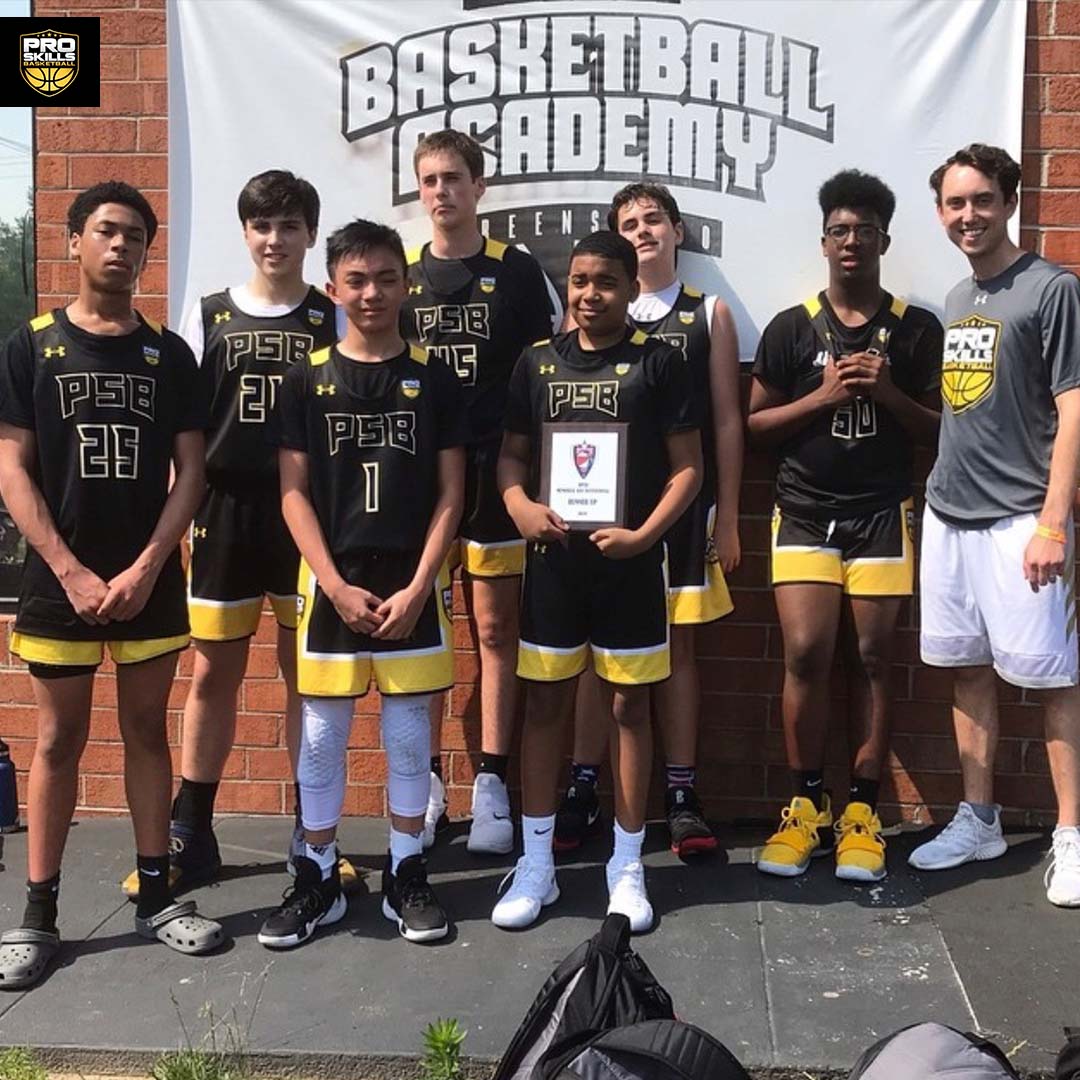
How To Join an AAU Basketball Team: Expert Guide
Can a young athlete join an AAU basketball team? Yes, absolutely! Many young players aspire to compete at a higher level, and AAU (Amateur Athletic Union) basketball offers a fantastic pathway. This guide will walk you through everything you need to know to successfully join an AAU basketball team, from understanding what AAU is to making your final selection.
Deciphering AAU Basketball
AAU basketball is a popular platform for youth athletes to develop their skills, gain exposure, and compete against talented players from across the nation. It’s distinct from school-based basketball, often featuring more frequent practices, intense competition, and travel to various tournaments. Think of it as an enhanced, year-round opportunity to hone your game beyond the traditional school season.
Finding AAU Teams
The first step is knowing where to look. There are several avenues to explore when finding AAU teams:
- Local Basketball Organizations: Many cities and towns have established local basketball clubs that field AAU teams. These are often the most accessible starting points.
- School Coaches and Programs: Sometimes, school coaches will have connections to AAU programs or may even coach AAU teams themselves.
- AAU District Websites: The official AAU website (aausports.org) is divided into districts. Each district often has a list of registered AAU clubs and their contact information.
- Online Search: A simple internet search for “[Your City/State] AAU Basketball” can reveal numerous teams and organizations.
- Word of Mouth: Talk to other players, parents, and coaches. Recommendations can be invaluable.
The Importance of AAU Basketball Tryouts
AAU basketball tryouts are your chance to showcase your talent. Teams use tryouts to evaluate players’ skills, basketball IQ, athleticism, and coachability. Preparation is key to making a good impression.
Preparing for AAU Basketball Tryouts
Success at AAU basketball tryout tips often boils down to preparation. Here’s how to get ready:
- Skill Development: Focus on fundamental skills like dribbling, shooting, passing, and defense. Consistent practice is crucial.
- Physical Conditioning: AAU basketball is demanding. Work on your stamina, speed, agility, and strength. This includes cardio exercises and strength training.
- Game Knowledge: Understand basic offensive and defensive plays. Being able to execute plays and adapt to different game situations is important.
- Mental Preparation: Stay confident and positive. Listen carefully to instructions from the coaches. Be a good teammate, even during the tryout process.
- Know the Format: Try to find out what the tryout will entail. Will there be drills, scrimmages, or both?
What to Expect During Tryouts
When you attend AAU basketball tryouts, coaches will be looking for specific qualities:
- Skill Execution: Can you shoot consistently? Dribble with both hands? Make accurate passes?
- Basketball IQ: Do you make smart decisions on the court? Do you know where to be on defense and offense?
- Athleticism: Are you quick, fast, and agile? Can you jump well?
- Effort and Hustle: Coaches love players who give 100% on every play.
- Coachability: Do you listen to instructions and apply feedback?
- Teamwork: Do you communicate with other players and work well with them?
AAU Basketball Eligibility
Before you even step onto the court for a tryout, it’s essential to be aware of AAU basketball eligibility requirements.
- Age and Grade Verification: AAU has specific age and grade requirements for different divisions. You’ll likely need to provide proof of age (like a birth certificate) and potentially grade verification.
- Residency Rules: Some teams or leagues may have residency requirements, meaning you need to live within a certain geographic area.
- Academic Requirements: While not always enforced as strictly as in NCAA, some AAU programs may have academic expectations for their players.
- AAU Membership: To participate in AAU events, all athletes must have an AAU membership. This is typically purchased online through the AAU website and is valid for a specific membership year.
AAU Basketball Registration
Once you’ve identified a team and potentially made it through tryouts, you’ll need to complete the AAU basketball registration process. This usually involves:
- Team Registration: The coach or team manager will guide you through registering with the specific AAU club.
- Player Information: You’ll provide personal details, contact information, and emergency contacts.
- Waivers and Releases: Parents or guardians will need to sign liability waivers and consent forms.
- Payment of Fees: This is where AAU basketball expenses come into play, which we’ll discuss shortly.
Selecting an AAU Team
Making a decision about selecting an AAU team involves more than just picking the first team that offers you a spot. Consider these factors:
- Coaching Philosophy: Does the coach’s approach align with your player development goals? Do they focus on skill building, winning, or a balance of both?
- Team Chemistry: Do you feel a good connection with the other players and coaches?
- Playing Time: While it’s not always guaranteed, try to get a sense of how much playing time you might receive.
- Tournament Schedule: Where does the team plan to compete? Does it align with your aspirations for exposure or competition level?
- Program Reputation: Research the team and program. What is their track record?
- Logistics: Consider the time commitment for practices and travel, and how it fits with your family’s schedule and budget.
Understanding AAU Basketball Expenses
It’s important to be realistic about AAU basketball expenses. This is often a significant factor for families. Costs can vary widely depending on the team and program. Common expenses include:
- AAU Membership Fee: An annual fee required by the AAU.
- Team Dues: These cover various team operational costs.
- Uniforms: Typically includes jerseys, shorts, and sometimes shooting shirts or warm-ups.
- Tournament Entry Fees: Teams pay to enter various AAU basketball tournaments.
- Travel and Accommodation: If tournaments are out of town, families often bear the costs of travel, lodging, and meals.
- Coaching Fees: Some programs may have separate coaching fees.
- Gear: Sneakers, practice attire, and other basketball-specific equipment.
Breaking Down AAU Basketball Expenses
Here’s a sample breakdown of potential costs. Remember, these are estimates and can fluctuate significantly.
| Expense Category | Estimated Cost Range (Annual) | Notes |
|---|---|---|
| AAU Membership | $14 – $20 | Mandatory for all players |
| Team Dues/Program Fees | $500 – $3000+ | Varies by program prestige, coaching, and season length |
| Uniforms | $100 – $300 | Typically a one-time purchase or updated yearly |
| Tournament Fees | $300 – $1000+ | Included in dues for some programs, separate for others |
| Travel & Accommodation | $500 – $5000+ | Highly dependent on tournament locations and frequency |
| Coaching Fees (if separate) | $0 – $500+ | Less common, often included in program fees |
| Total Estimated Annual | $1414 – $9820+ | This is a broad range; actual costs will vary |
The AAU Basketball Season
The AAU basketball season is generally longer and more demanding than a typical school season. It often kicks off in the spring and can extend through the summer.
Key Components of the Season
- Practices: Teams usually practice multiple times a week, focusing on skill refinement, strategy, and conditioning.
- Tournaments: The bulk of the AAU season revolves around participating in weekend tournaments. These can be local, regional, or national events.
- Showcases and Exposure Events: For players aiming for college recruitment, certain tournaments are specifically designed to attract college scouts.
- Off-Season Training: Some AAU programs may offer training or clinics during periods when there are no active tournaments.
Beyond Tryouts: Being a Successful AAU Player
Joining a team is just the beginning. To thrive in AAU basketball, focus on continuous improvement and positive contribution.
Developing as a Player
- Embrace Feedback: Listen to your coaches and strive to implement their advice.
- Work Ethic: Dedicate yourself to improving your skills and fitness outside of team practices.
- Learn from Every Game: Whether it’s a win or a loss, analyze your performance and identify areas for growth.
- Study the Game: Watch college and professional basketball. Observe how top players execute skills and make decisions.
Being a Good Teammate
- Positive Communication: Encourage your teammates, communicate on defense, and celebrate successes together.
- Supportiveness: Be there for your teammates, even when they make mistakes.
- Respect: Show respect for your coaches, teammates, opponents, and referees.
- Accountability: Take responsibility for your actions and performance on and off the court.
Comparing AAU to Other Youth Basketball Leagues
AAU is just one of many youth basketball leagues. Here’s a brief comparison:
- School Basketball: Primarily focused on the academic year; emphasis on school pride and team cohesion within the school community.
- Travel Ball (Non-AAU): Many independent travel ball teams exist, often with similar competitive levels and tournament structures as AAU. Some may have different governing bodies or affiliations.
- Recreational Leagues: Generally less competitive, focused on participation and fun, with less structured practice and fewer games/tournaments.
AAU stands out for its widespread network of tournaments and its role as a significant pathway for aspiring college athletes due to the exposure it provides at higher-level events.
Frequently Asked Questions (FAQ)
Q1: How old do I need to be to play AAU basketball?
AAU basketball has various age divisions, typically starting from under 10 years old and going up to 17U (under 17). Specific age cutoffs usually apply, often based on age as of a certain date (e.g., August 31st of the previous year).
Q2: Can I play AAU basketball if I’m not a top player?
Yes! While some AAU teams are highly competitive and recruit top talent, many other AAU teams are more focused on player development and offer opportunities for players of various skill levels. It’s important to find the right fit for your abilities.
Q3: How much does it cost to play AAU basketball?
Costs can range from a few hundred dollars to several thousand dollars per year, depending on the team, the number of tournaments played, travel expenses, and other program-specific fees. Factor in AAU membership, team dues, uniforms, and potential travel costs.
Q4: Do I need to be affiliated with a specific school to join an AAU team?
No, AAU basketball is separate from school-affiliated sports. You do not need to be on your school’s team to join an AAU team, and your AAU team can be composed of players from different schools.
Q5: How do I find out when and where AAU basketball tryouts are held?
Check team websites, local basketball club pages, the AAU district website, and ask coaches or players in your area. Many teams will post tryout information well in advance.
Q6: What is the difference between AAU and other club basketball?
AAU is a specific governing body under which many youth sports, including basketball, operate. “Club basketball” is a broader term that encompasses AAU teams as well as other independent travel teams that may not be affiliated with AAU. AAU has a structured framework for events and championships.
Q7: Is AAU basketball worth the cost and time commitment?
For many players, the benefits of skill development, competition, exposure, and the experience of playing with and against talented athletes can make AAU basketball a valuable investment. However, it’s crucial to weigh the costs and time commitment against your personal goals and family circumstances.
By following this comprehensive guide, aspiring young athletes and their families can navigate the process of joining an AAU basketball team with confidence and clarity, setting themselves up for a rewarding experience on and off the court.