
Can you treat knee pain from basketball? Yes, you can effectively treat knee pain from basketball by identifying the cause, resting the joint, using appropriate pain relief methods, and engaging in targeted rehabilitation exercises. Understanding how to manage and prevent it is key to a swift return to the court.
Basketball is a dynamic sport, exhilarating with its fast breaks, sharp cuts, and soaring jumps. However, this very intensity puts significant stress on a player’s knees. Knee pain from basketball is a common complaint, ranging from mild aches to debilitating injuries. This comprehensive guide will delve into the common causes, effective treatments, and preventative strategies for basketball players to maintain healthy knees and get back in the game.
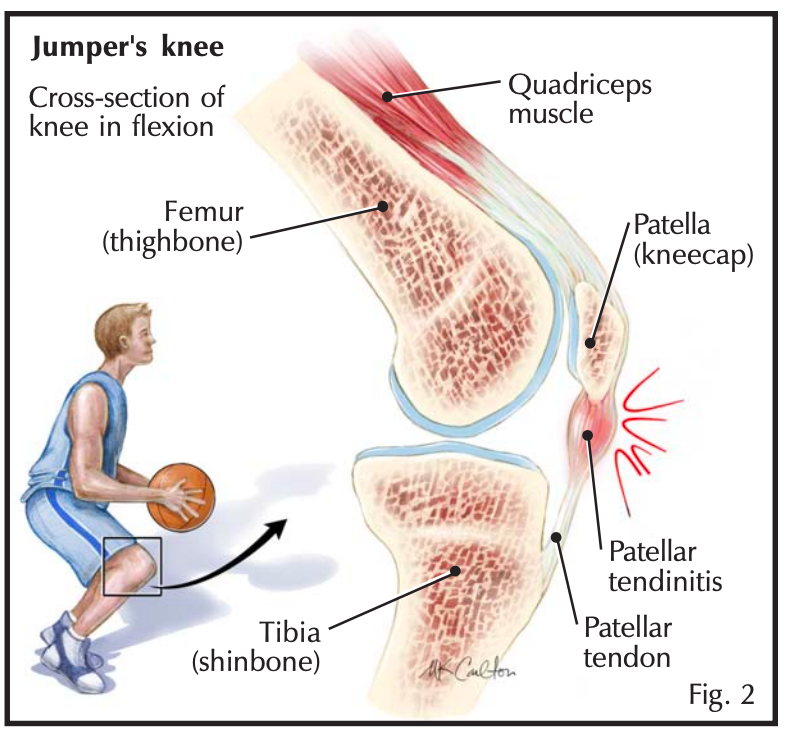
Image Source: hughston.com
Fathoming the Roots of Basketball Knee Pain
Basketball places repetitive stress on the knee joint. The constant jumping, landing, pivoting, and sudden stops can strain various structures within and around the knee.
Common Basketball Knee Injury Types
Several types of knee injuries are frequently seen in basketball players:
- Patellofemoral Pain Syndrome (PFPS): Often referred to as “runner’s knee,” this is a broad term for pain around or behind the kneecap (patella). It’s frequently seen in Patellofemoral pain syndrome basketball players due to the repetitive bending and straightening of the knee during dribbling, shooting, and jumping. The pain typically worsens with activities like squatting, stair climbing, or prolonged sitting with the knee bent.
- Jumper’s Knee (Patellar Tendinitis): This condition involves inflammation of the patellar tendon, the band of tissue connecting the kneecap to the shinbone. It’s caused by the forceful contraction of the quadriceps muscles during jumping. Jumper’s knee treatment focuses on reducing inflammation and strengthening the quadriceps and hamstrings.
- Meniscus Tears: The menisci are C-shaped pieces of cartilage that act as shock absorbers between the thighbone (femur) and shinbone (tibia). Twisting or pivoting on a bent knee, common in basketball, can cause a meniscus tear. This can lead to swelling, pain, and a feeling of the knee locking or giving way. Knee cartilage damage basketball players can experience from these tears requires careful management.
- Ligament Injuries: The knee has four main ligaments that provide stability. Tears or sprains to these ligaments are common in basketball due to awkward landings or direct impact.
- Anterior Cruciate Ligament (ACL) Tear: An ACL tear is a significant injury that often occurs when a player rapidly changes direction, lands awkwardly from a jump, or experiences a direct blow to the knee. A ligament injury basketball players fear, an ACL tear can sideline players for months.
- Medial Collateral Ligament (MCL) Sprain: This typically happens when the knee is forced inwards, often from a blow to the outside of the knee. MCL injuries are usually less severe than ACL tears, but still require proper treatment.
- Osteochondritis Dissecans: This condition affects the bone and cartilage, often on the surface of the joint. Small pieces of bone or cartilage can break loose, causing pain and swelling.
Risk Factors for Knee Pain in Basketball
- Overuse: Playing too much without adequate rest.
- Poor Conditioning: Weak muscles around the knee and hip.
- Improper Technique: Incorrect jumping or landing mechanics.
- Inadequate Footwear: Shoes that don’t provide enough support or cushioning.
- Previous Injuries: A history of knee problems can increase the risk of re-injury.
- Anatomical Factors: Certain leg alignments or muscle imbalances.
Strategies for Knee Pain Relief Basketball
When knee pain strikes, the immediate goal is knee pain relief basketball players need to get back on their feet.
The R.I.C.E. Method Knee Management
The RICE method knee treatment is a cornerstone for managing acute knee pain and inflammation:
- Rest: Avoid activities that aggravate the pain. This doesn’t necessarily mean complete immobility, but rather ceasing high-impact movements.
- Ice: Apply an ice pack wrapped in a thin towel to the affected knee for 15-20 minutes every 2-3 hours. This helps reduce swelling and numb the pain.
- Compression: Use an elastic bandage to wrap the knee. This provides support and helps minimize swelling. Ensure it’s not too tight, which could restrict blood flow.
- Elevation: Lie down and prop your knee up above the level of your heart. This helps fluid drain away from the injured area.
Medications and Topical Treatments
Over-the-counter pain relievers like ibuprofen or naproxen can help manage pain and inflammation. Topical creams and gels containing anti-inflammatory agents can also provide localized relief.
When to Seek Professional Help
It’s crucial to consult a healthcare professional, such as a doctor or a sports physiotherapist, if:
- The pain is severe.
- You cannot bear weight on your leg.
- Your knee is significantly swollen or deformed.
- You hear a popping sound at the time of injury.
- Your knee feels unstable or locks up.
Embracing Sports Physiotherapy Knee Rehabilitation
Sports physiotherapy knee specialists are invaluable for athletes experiencing knee pain. They can diagnose the specific cause of your pain and create a tailored rehabilitation plan.
Initial Assessment and Diagnosis
A physiotherapist will conduct a thorough assessment, which may include:
- Medical History: Discussing your symptoms, the onset of pain, and your activity levels.
- Physical Examination: Assessing your knee’s range of motion, strength, stability, and identifying tender areas.
- Functional Movement Screen: Observing how you move to identify biomechanical issues.
- Referral for Imaging: If necessary, they might recommend X-rays or an MRI to get a clearer picture of the knee structures.
Rehabilitation Phases
Rehabilitation typically progresses through several phases:
Phase 1: Reducing Pain and Inflammation
- Continued RICE: As described above.
- Gentle Range of Motion Exercises: Moving the knee passively or with very light active participation to prevent stiffness.
- Isometrics: Muscle-tightening exercises without joint movement (e.g., quadriceps sets).
Phase 2: Restoring Range of Motion and Initial Strength
- Active Range of Motion Exercises: Exercises where you move the joint yourself.
- Light Strengthening:
- Straight Leg Raises: Lie on your back with one leg bent and the other straight. Lift the straight leg a few inches off the ground, keeping the knee locked. Hold for a few seconds and lower slowly.
- Heel Slides: Lie on your back and gently slide your heel towards your buttocks, bending the knee.
- Hamstring Sets: Lie on your back with knees bent and feet flat. Gently press your heels into the floor, engaging your hamstrings.
Phase 3: Progressive Strengthening and Endurance
This phase focuses on building strength and endurance in the muscles supporting the knee and hip. Knee strengthening exercises basketball players can benefit from include:
- Quadriceps Strengthening:
- Wall Squats: Lean against a wall with your feet shoulder-width apart. Slide down until your knees are bent at about 45 degrees, holding the position.
- Leg Press (light weight): Using a leg press machine with controlled movement.
- Terminal Knee Extensions: Standing with a resistance band anchored behind you, step forward to create tension. Extend your knee against the band.
- Hamstring Strengthening:
- Hamstring Curls (lying or standing): Using resistance bands or weight machines.
- Glute Bridges: Lie on your back with knees bent and feet flat. Lift your hips off the ground, squeezing your glutes.
- Calf Raises: Standing with feet flat, rise up onto the balls of your feet.
- Hip Abductor/Adductor Exercises: Using resistance bands to strengthen the muscles on the sides of your hips, which are crucial for knee stability.
- Balance Exercises:
- Single-Leg Stands: Stand on one leg, holding for 30-60 seconds. Progress to closing your eyes or standing on an unstable surface.
- Balance Board Exercises: Using a wobble board or Bosu ball for dynamic balance training.
Phase 4: Plyometrics and Agility (Gradual Return to Sport)
Once strength and stability are good, gradual introduction of sport-specific movements:
- Jumping and Landing Drills: Practicing proper landing mechanics, focusing on soft landings with bent knees.
- Agility Drills: Cone drills, shuttle runs, and lateral shuffles.
- Cutting and Pivoting: Gradual reintroduction of these movements with controlled intensity.
Important Note: Always progress these exercises slowly and listen to your body. Pain during an exercise is a signal to stop or modify.
Manual Therapy Techniques
Physiotherapists may use manual therapy to improve joint mobility and reduce muscle tension:
- Soft Tissue Mobilization: Massage to release tight muscles.
- Joint Mobilization: Gentle manipulation of the knee joint to improve movement.
- Stretching: Targeted stretches for the quadriceps, hamstrings, and calf muscles.
Specific Jumper’s Knee Treatment Approaches
For Jumper’s knee treatment, the focus is on reducing the load on the patellar tendon and strengthening the muscles that control its movement.
- Eccentric Exercises: These are key. They involve strengthening the muscle as it lengthens.
- Eccentric Squats: Perform a squat slowly, focusing on the lowering phase.
- Nordic Hamstring Curls: Kneeling with your ankles held down, slowly lean forward by straightening your hips, then use your hands to push yourself back up. This is challenging and often done with assistance initially.
- Patellar Tendon Straps: Wearing a strap just below the kneecap can help distribute the force away from the inflamed tendon.
- Stretching: Regular stretching of the quadriceps and hamstrings.
Managing Knee Cartilage Damage Basketball Scenarios
Knee cartilage damage basketball players might suffer, such as from meniscus tears or early osteoarthritis, requires careful management to preserve joint function.
- Activity Modification: Avoiding activities that cause sharp pain or increased swelling.
- Low-Impact Exercise: Engaging in activities like swimming, cycling, or elliptical training to maintain cardiovascular fitness and muscle strength without stressing the cartilage.
- Weight Management: If overweight, losing even a small amount of weight can significantly reduce the load on the knee joints.
- Injections: In some cases, doctors might recommend corticosteroid injections to reduce inflammation or hyaluronic acid injections to lubricate the joint.
- Surgery: For significant tears or damage, surgery might be necessary, such as arthroscopic surgery to repair or remove damaged cartilage. Post-surgery rehabilitation is critical.
Addressing Ligament Injury Basketball Concerns
A ligament injury basketball players experience, especially ACL tears, is serious and often requires extensive rehabilitation.
Non-Surgical Management
For milder ligament sprains (like MCL), non-surgical treatment might involve:
- Bracing: Wearing a knee brace for support.
- Physical Therapy: As outlined in the rehabilitation phases.
- Rest and Protection: Avoiding activities that put stress on the injured ligament.
Surgical Intervention for Ligament Tears
For complete ligament tears (like ACL), surgery is often recommended for athletes who wish to return to high-level sports.
- Reconstruction: This involves replacing the torn ligament with a graft, usually taken from another tendon in the body (e.g., hamstring tendon, patellar tendon) or from a donor.
- Post-Surgical Rehabilitation: This is a long and arduous process, typically lasting 9-12 months or longer, and is crucial for a successful return to basketball. It involves:
- Early motion and swelling control.
- Gradual strengthening of quadriceps, hamstrings, and hip muscles.
- Proprioception and balance training.
- Agility, plyometrics, and sport-specific drills.
- Psychological readiness for return to sport.
Basketball Player Knee Health: Long-Term Strategies
Maintaining basketball player knee health is about more than just treating injuries; it’s about proactive prevention and consistent care.
Proper Warm-up and Cool-down
- Warm-up: Begin with light cardio (jogging, skipping) for 5-10 minutes, followed by dynamic stretches like leg swings, high knees, butt kicks, and torso twists.
- Cool-down: Finish with static stretches, holding each stretch for 20-30 seconds. Focus on quadriceps, hamstrings, calves, and hip flexors.
Strength and Conditioning
A well-rounded strength and conditioning program is vital for knee strengthening exercises basketball players should incorporate regularly.
- Lower Body Strength: Focus on squats, lunges, deadlifts (with proper form), and calf raises.
- Core Strength: A strong core stabilizes the entire body, including the lower extremities. Planks, crunches, and Russian twists are beneficial.
- Hip Strength: Exercises targeting hip abductors, adductors, and glutes are crucial for knee alignment and stability.
- Flexibility: Regular stretching and foam rolling to maintain muscle length and reduce tightness.
Technique and Biomechanics
- Jumping and Landing: Players should be coached on how to land softly, bending their knees and hips to absorb impact. Avoid landing with straight legs.
- Cutting and Pivoting: Proper footwork and body positioning can reduce stress on the knee.
Footwear and Equipment
- Supportive Shoes: Wear basketball shoes that provide good ankle support, cushioning, and traction. Replace them regularly as the cushioning wears out.
- Braces: In some cases, a physiotherapist or doctor might recommend a knee brace for added support or protection, especially after an injury.
Nutrition and Hydration
A balanced diet supports muscle recovery and overall health. Staying hydrated is essential for joint function and preventing cramps.
Listen to Your Body
This is perhaps the most critical piece of advice. Do not play through significant pain. If you feel a sharp or persistent ache, take a break, rest, and seek advice. Pushing through pain can turn a minor issue into a major injury.
Returning to Basketball After Injury
The decision to return to play after a knee injury should be made in consultation with a healthcare professional or physiotherapist. Key factors include:
- Pain-Free Movement: You should have minimal to no pain during daily activities.
- Full Range of Motion: Your knee should bend and straighten as much as the uninjured knee.
- Restored Strength: Quadriceps, hamstring, and calf muscles should be close to their pre-injury strength levels.
- Neuromuscular Control: You should demonstrate good balance and coordination.
- Successful Completion of Agility Drills: You should be able to perform sport-specific movements without pain or instability.
- Psychological Readiness: You should feel confident and mentally prepared to return to competition.
Frequently Asked Questions (FAQ)
Q1: How long does it take to recover from a basketball knee injury?
A: Recovery time varies significantly depending on the type and severity of the injury. Minor strains might resolve in a few weeks, while a severe ligament tear like an ACL can require 9-12 months or longer of rehabilitation.
Q2: Can I still play basketball with knee pain?
A: It depends on the severity of the pain. If it’s mild and doesn’t worsen with activity, you might be able to play with modifications. However, if the pain is sharp, persistent, or limits your movement, it’s best to rest and seek professional advice. Playing through significant pain can lead to further damage.
Q3: What is the best treatment for knee pain after basketball?
A: The best treatment depends on the diagnosis. The RICE method (Rest, Ice, Compression, Elevation) is good for acute pain and swelling. For specific injuries, a tailored approach involving physical therapy, strengthening exercises, and potentially medical intervention is necessary. Consulting a sports physiotherapist is highly recommended.
Q4: How can I prevent knee pain from basketball?
A: Prevention involves a combination of proper warm-ups, cool-downs, regular strength and conditioning (especially for legs and hips), good footwear, correct technique for jumping and landing, and listening to your body to avoid overtraining.
Q5: What are the common knee injuries in basketball players?
A: Common injuries include Patellofemoral Pain Syndrome (PFPS), Jumper’s Knee (Patellar Tendinitis), Meniscus Tears, ACL tears, and MCL sprains.
Q6: When should I see a doctor or physiotherapist for knee pain?
A: You should seek professional help if you experience severe pain, inability to bear weight, significant swelling, deformity, a popping sensation at the time of injury, or if your knee feels unstable or locks up.
By applying these principles of treatment, rehabilitation, and prevention, basketball players can significantly reduce their risk of knee pain and injury, ensuring a longer, healthier career on the court.