
A basketball should be inflated to a pressure between 7 and 9 PSI (pounds per square inch), and it should bounce to a height of 54 to 57 inches when dropped from shoulder height (approximately 6 feet).
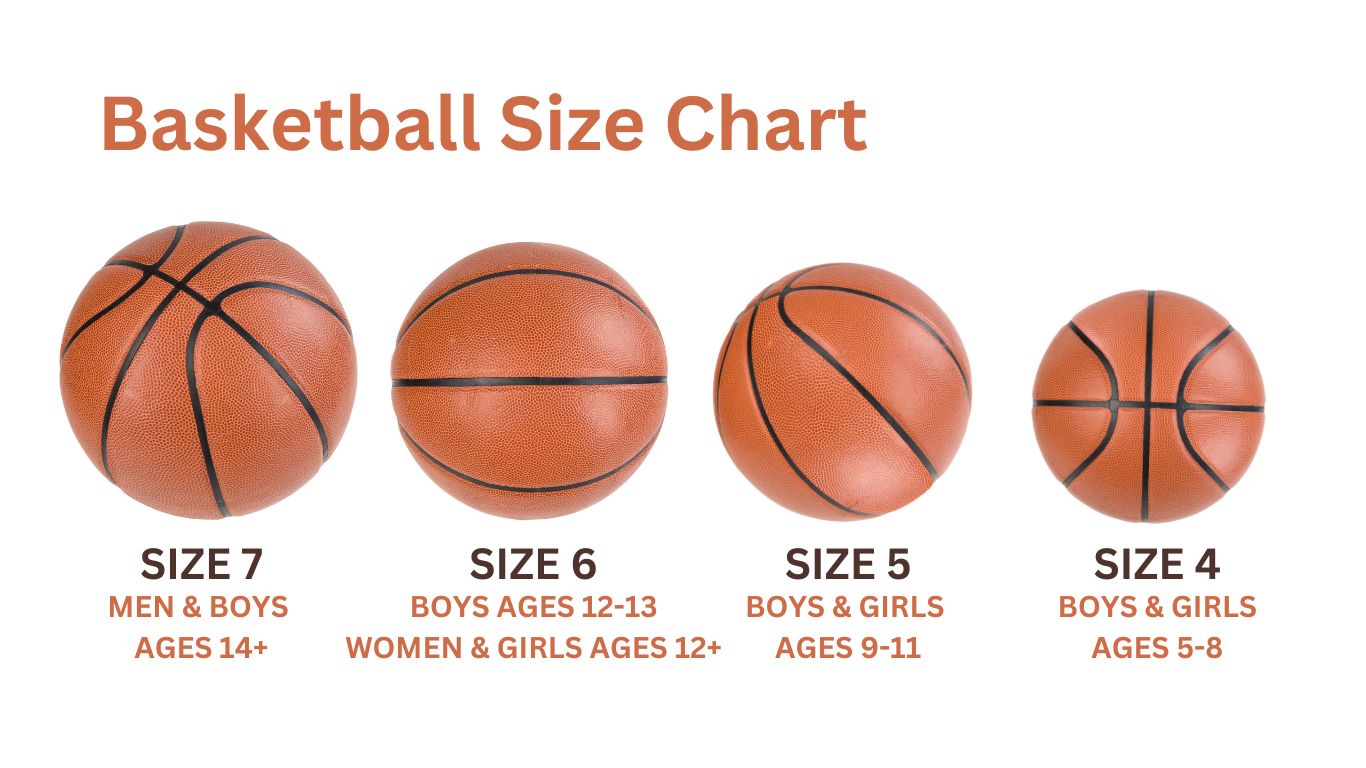
Image Source: proformancehoops.com
The Importance of Proper Basketball Inflation
Getting the right amount of air in your basketball is crucial for a great game. Too little air, and the ball feels soft and sluggish, making dribbling and shooting difficult. Too much air, and the ball becomes hard and bouncy, leading to uncontrolled passes and unpredictable bounces. Finding that sweet spot ensures your basketball performs as it should, enhancing your playing experience and the overall enjoyment of the sport. This guide will delve into everything you need to know about basketball inflation pressure, how to achieve it, and why it matters so much.
Why Air Pressure is Key to Basketball Performance
The basketball air pressure directly influences several critical aspects of how a basketball behaves:
- Bounce: The primary function of air in a basketball is to provide its bounce. The correct pressure allows the ball to absorb and release energy efficiently upon impact with the court.
- Feel and Grip: Proper inflation gives the basketball a firm yet responsive feel in your hands. This affects how well you can grip the ball, crucial for dribbling, passing, and shooting.
- Control: A correctly inflated ball offers predictable behavior. This means passes go where you aim them, dribbles are controlled, and shots have a consistent trajectory.
- Durability: Over-inflation can stress the seams and bladder of a basketball, potentially leading to premature wear and tear or even rupture. Under-inflation can cause the ball to deform, which can also affect its lifespan.
Deciphering Basketball Inflation: What the Numbers Mean
When we talk about basketball PSI, we’re referring to the internal air pressure within the ball. This pressure is measured in pounds per square inch. The recommended PSI for most basketballs is clearly marked on the ball itself, usually near the inflation valve.
Regulation Basketball Pressure
For official games, the rules are very specific. Regulation basketball pressure is set to ensure fair play and consistent performance across all teams. According to the rules of major basketball organizations like the NBA and FIBA, the ball must be inflated to a pressure such that it will rebound not less than 54 inches and not more than 57 inches when dropped from a height of 72 inches. This translates to the 7-9 PSI range mentioned earlier.
The Role of PSI in the Bounce Test
The basketball bounce test is a simple yet effective way to check if your basketball is properly inflated. Here’s how it works and what it tells you about the basketball air level:
- Find a Firm Surface: A standard basketball court or a hard, smooth indoor floor is ideal.
- Hold the Ball at Shoulder Height: Stand naturally and hold the basketball at your shoulder, keeping your arm straight. This is generally considered about 6 feet or 72 inches.
- Drop the Ball: Let the ball drop straight down without any spin or force applied.
- Observe the Bounce: Watch how high the ball bounces.
- Too Low Bounce (Less than 54 inches): The ball is likely underinflated. It feels soft and lacks responsiveness.
- Too High Bounce (More than 57 inches): The ball is likely overinflated. It will feel hard and may be difficult to control.
- Ideal Bounce (54-57 inches): You’ve found the sweet spot! The ball is perfectly inflated for optimal performance.
This basketball bounce test is your primary tool for confirming the basketball hardness and air level.
Common PSI Ranges for Different Basketballs
While 7-9 PSI is the standard for regulation play, some variations exist:
- Official Game Basketballs: These are designed to meet the strict PSI requirements for competitive play.
- Indoor/Outdoor Basketballs: These may have slightly more flexible inflation requirements, but adhering to the 7-9 PSI range is still recommended for best performance.
- Youth Basketballs: While the PSI range might be similar, the overall proper basketball size and inflation for younger players is also dependent on their age and strength.
How to Inflate a Basketball: A Step-by-Step Guide
Knowing the correct pressure is one thing, but knowing how to inflate a basketball correctly is essential. You’ll need a few simple tools:
Essential Equipment for Sports Ball Inflation
- Basketball Pump: An air pump specifically designed for sports balls is a must-have. These typically come with a flexible hose and a pressure gauge.
- Inflation Needle: This is the small metal needle that screws onto the pump’s hose. Ensure it’s a needle designed for sports balls, as other needles might be too large or prone to breaking.
- Measuring Tape (Optional but Recommended): For precise inflation using the bounce test, a measuring tape can be helpful.
The Inflation Process: Step-by-Step
- Locate the Inflation Valve: Find the small, circular hole on the basketball. It’s usually a different color or texture than the rest of the ball.
- Moisten the Needle: Before inserting the needle, moisten it slightly with water or saliva. This helps it slide in smoothly without damaging the valve.
- Insert the Needle: Gently but firmly insert the moistened needle into the inflation valve.
- Attach the Pump: Connect the inflation hose from your pump to the needle.
- Begin Pumping: Start pumping air into the ball. If your pump has a gauge, keep an eye on the PSI. If not, you’ll rely on the feel of the ball and the bounce test.
- Check Pressure Frequently: It’s better to add air in short bursts and check the ball’s firmness and bounce periodically, especially if you don’t have a gauge.
- The Bounce Test as You Go: As the ball starts to feel firmer, perform the basketball bounce test. Drop it from shoulder height and assess its rebound. Continue pumping and testing until you achieve the desired 54-57 inch bounce.
- Remove the Needle: Once the ball is properly inflated, carefully remove the needle.
- Re-Moisten if Necessary: If you need to add more air later, remember to moisten the needle again.
Tips for Maintaining Optimal Inflation
- Regular Checks: Check your basketball’s inflation regularly, especially before important games or practices. Changes in temperature can affect air pressure.
- Store Properly: Avoid storing your basketball in extreme temperatures (very hot or very cold), as this can cause the air to expand or contract, affecting the pressure.
- Use the Right Needle: Always use a needle specifically designed for sports balls. Using the wrong type can damage the valve.
- Don’t Over-Pump: Be careful not to over-inflate. A basketball that’s too hard is just as problematic as one that’s too soft.
Factors Affecting Basketball Inflation
Several external and internal factors can influence how much air a basketball needs or how well it holds its air:
Temperature Changes and Air Pressure
This is a fundamental scientific principle at play. As the temperature increases, the air inside the ball expands, and the pressure rises. Conversely, as the temperature decreases, the air contracts, and the pressure drops.
- Hot Weather: A basketball left in a hot car or direct sunlight will naturally increase in pressure. You might need to let out a little air to prevent over-inflation.
- Cold Weather: A basketball played with in a cold environment will feel softer and less bouncy because the air inside has contracted. You might need to add a bit more air to compensate.
This is why performing the basketball bounce test at the temperature you intend to play is important.
Altitude and Its Impact
While less significant than temperature for most casual players, altitude can also play a small role in basketball air pressure. At higher altitudes, the atmospheric pressure is lower. This means the air inside the ball will expand more readily, potentially leading to a slightly higher internal pressure compared to sea level, assuming the same initial inflation.
Material and Construction of the Ball
The materials used to construct a basketball can also affect how well it retains air:
- Leather Basketballs: Generally hold air well and are less prone to gradual deflation.
- Composite and Rubber Basketballs: These materials can be slightly more porous over time, meaning they might lose air more gradually than leather balls. Regular checks are even more important for these types.
Wear and Tear on the Inflation Valve
The small rubber valve is the gateway for air. Over time, the valve can become slightly worn or less airtight.
- Signs of Valve Wear: If you consistently find your ball deflating faster than it should, even after proper inflation, the valve might be the culprit.
- Repair or Replacement: Sometimes, a tiny bit of petroleum jelly applied to the needle can help reseal a slightly worn valve. In more severe cases, the ball might need professional attention or replacement.
Achieving the Right Basketball Hardness
Basketball hardness is directly related to its inflation. A properly inflated ball should feel firm but not rock-hard. You should be able to press your thumb into the ball with some resistance, but not have it sink in significantly.
How Hard is Too Hard?
A basketball that is too hard will:
- Feel uncomfortable to hold and grip.
- Lead to uncontrolled bounces, making dribbling and passing erratic.
- Increase the risk of injury to hands and fingers.
- Potentially damage the court surface if played on sensitive indoor courts.
How Soft is Too Soft?
A basketball that is too soft will:
- Feel mushy and unresponsive.
- Require more effort to dribble and pass effectively.
- Result in a “dead” feel and a significantly reduced bounce.
- Make shooting inconsistent and less accurate.
The goal is to strike a balance where the ball feels solid, responsive, and predictable.
Troubleshooting Common Inflation Issues
Sometimes, despite best efforts, you might run into problems with basketball inflation.
My Basketball Won’t Hold Air
- Check the Valve: The most common reason is a faulty inflation valve. Ensure the needle was inserted correctly and that the valve itself isn’t damaged.
- Inspect the Seams: Tiny leaks can occur along the seams of the ball. While difficult to spot, a slow leak here can cause gradual deflation.
- Use a Quality Pump and Needle: A worn-out pump or a bent needle can sometimes prevent a proper seal.
My Pump Gauge Isn’t Working
- Calibrate or Replace: Some pump gauges can be inaccurate over time. If you suspect an issue, try testing your pump on another ball or using a separate gauge if you have one. If it’s consistently off, it might be time for a new pump.
I Don’t Have a PSI Gauge, How Do I Know?
Reliance on the basketball bounce test is perfectly acceptable if you don’t have a gauge. With practice, you’ll develop a good feel for the correct inflation through touch and by observing the bounce. Remember the target bounce height (54-57 inches from 6 feet).
The Complete Guide to Proper Basketball Size and Inflation
While inflation is critical, the correct size of the basketball is equally important for effective play, especially for different age groups.
Basketball Sizes Explained
Basketballs come in various sizes, with each size recommended for different age groups and leagues:
| Size | Circumference | Weight | Recommended Age/Use |
|---|---|---|---|
| Size 7 | 29.5 inches | 20-22 ounces | Men’s professional, college, and high school |
| Size 6 | 28.5 inches | 17-19 ounces | Women’s professional, college, and high school; Boys aged 12-14 |
| Size 5 | 27.25 inches | 16-17 ounces | Boys and Girls aged 9-11 |
| Size 4 | 25.5 inches | 14-15 ounces | Boys and Girls aged 6-8 |
| Size 3 | 22 inches | 10-12 ounces | Younger children (under 6) and for skill development |
It’s crucial to ensure you are using the proper basketball size and inflation for the intended players. A Size 7 ball inflated to the correct PSI will feel very different and perform differently for a young child compared to an adult.
Connecting Size and Inflation for Optimal Play
Once you have the correct size, applying the 7-9 PSI range ensures that size ball performs as expected. A correctly inflated smaller ball will still have a good bounce but will be more manageable for smaller hands. Similarly, a larger ball needs to be firm enough to maintain its shape and bounce characteristics.
Frequently Asked Questions (FAQ)
Q1: What is the standard PSI for a basketball?
A1: The standard PSI for a basketball is between 7 and 9 PSI.
Q2: How high should a basketball bounce?
A2: A properly inflated basketball should bounce between 54 and 57 inches when dropped from a height of 6 feet (72 inches).
Q3: Can I use a bicycle pump to inflate a basketball?
A3: Yes, you can use a bicycle pump if it has the correct adapter (an inflation needle) for sports balls.
Q4: How often should I check my basketball’s air pressure?
A4: It’s a good practice to check your basketball’s air pressure before each game or practice, or at least once a week, especially if you play frequently.
Q5: What happens if a basketball is overinflated?
A5: An overinflated basketball will be too hard, less controllable, and may even be prone to damage or bursting. It will also bounce too high.
Q6: What happens if a basketball is underinflated?
A6: An underinflated basketball will feel soft, have a poor bounce, and be difficult to dribble, pass, and shoot accurately.
Q7: Does temperature affect basketball inflation?
A7: Yes, temperature significantly affects air pressure. Hotter temperatures increase pressure, and colder temperatures decrease it.
Q8: Where can I find the recommended inflation pressure for my basketball?
A8: The recommended inflation pressure is usually printed on the basketball itself, near the inflation valve.
By paying attention to basketball inflation pressure, understanding the basketball bounce test, and utilizing the correct techniques for how to inflate a basketball, you can ensure your game is always at its best. Whether you’re playing in a competitive league or just shooting hoops with friends, the right amount of air makes all the difference in achieving the perfect basketball hardness and overall playability.