
What is the proper basketball PSI? The proper basketball PSI, or pounds per square inch, for most basketballs is between 7 and 9 PSI. This range ensures the ball has the optimal bounce and feel for play.
Getting the basketball pressure just right is key to a good game. Too little, and the ball feels soft, sluggish, and won’t bounce back as it should. Too much, and it’s like playing with a rock, making it hard to dribble, pass, and shoot accurately. Finding that sweet spot for basketball inflation is a simple yet crucial step for any player, from a beginner to a seasoned pro. This guide will dive deep into how much PSI should a basketball have, ensuring you always have the right bounce.
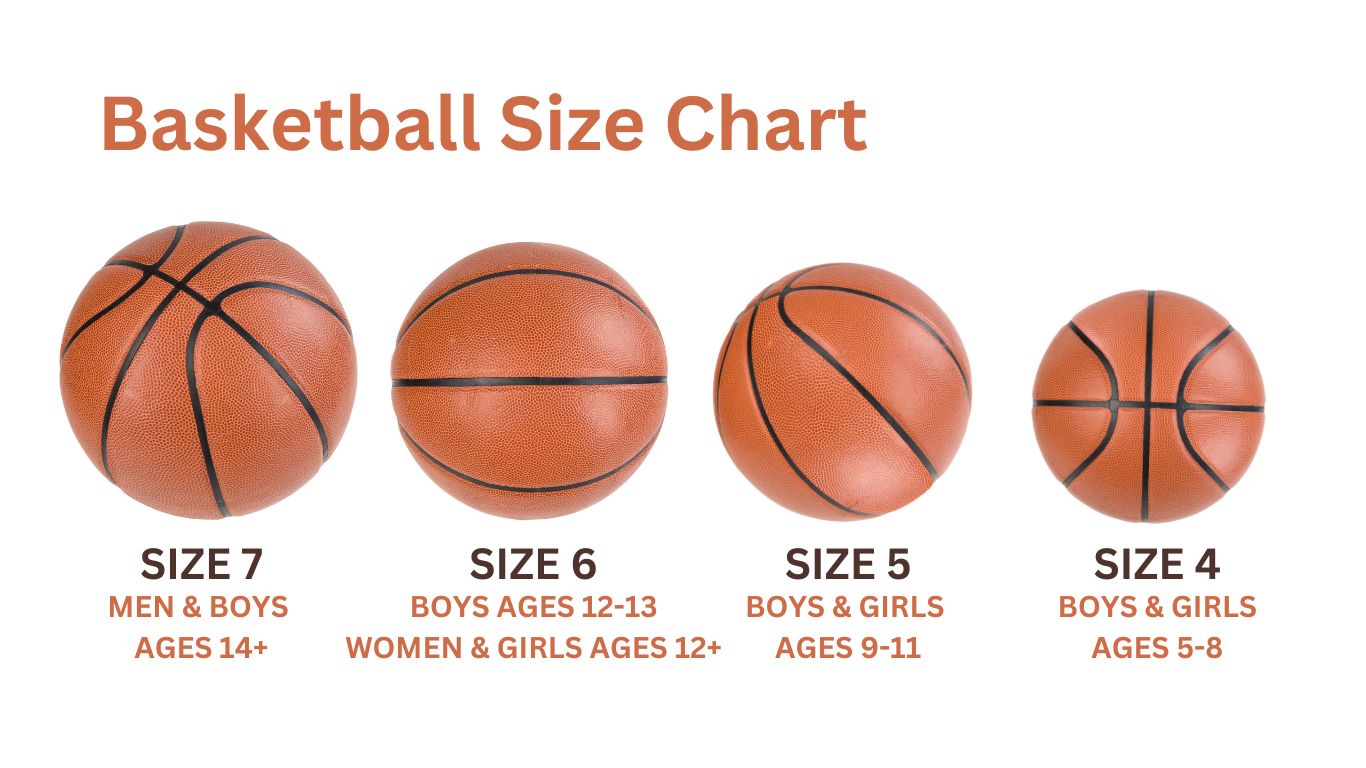
Image Source: proformancehoops.com
The Science Behind the Bounce: Why PSI Matters
The basketball bounce isn’t magic; it’s physics. When a basketball hits a surface, the air inside is compressed. This compressed air then pushes back, causing the ball to rebound. The amount of rebound, or bounce, is directly related to the air pressure inside the ball.
Air Pressure and Elasticity
A properly inflated basketball combines the elasticity of the rubber or leather casing with the internal air pressure. The casing stretches when the ball is dropped, and the pressurized air resists this stretching. When the ball meets the court, the casing’s natural tendency to return to its original shape, coupled with the expanding internal air, propels the ball upward.
If the basketball pressure is too low, the casing has more room to deform, and the internal air has less force to push back. This results in a weaker bounce. Conversely, if the pressure is too high, the casing is already stretched taut. While this might seem like it would create a good bounce, it can make the ball too rigid, leading to erratic bounces and a loss of control.
What is Proper Basketball PSI?
As mentioned, the generally accepted proper basketball PSI is between 7 and 9 PSI. This range is widely recommended by manufacturers and is often printed on the ball itself, usually near the valve.
Factors Influencing Basketball Pressure
While the 7-9 PSI range is a standard, a few factors can influence what feels like the “right” pressure for a particular player or situation.
Basketball Size and Pressure
The size of the basketball is a primary factor in how its pressure feels and affects play. Different sizes are designed for different age groups and leagues, and while the PSI range remains similar, the overall mass and diameter of the ball play a role.
- Size 7 (Official NBA/Men’s Ball): This is the standard for adult men’s basketball. The 7-9 PSI range is ideal for its weight and circumference.
- Size 6 (Women’s/Youth Ball): Used for women’s professional basketball and younger boys (ages 12-14). It has a slightly smaller circumference and weight, and the 7-9 PSI range still applies, providing a suitable bounce.
- Size 5 (Youth Ball): For younger players (ages 9-11). The lighter weight and smaller size mean the 7-9 PSI range still offers a good, manageable bounce without being too hard.
It’s important to note that while the target PSI remains constant, the feel of the bounce might differ slightly due to the ball’s overall dimensions and weight.
Material and Construction
The materials used to construct a basketball also influence its bounce and how it reacts to pressure.
- Leather Basketballs: Often used in professional indoor play (like the NBA basketball PSI standard). These balls tend to be softer and require careful inflation to maintain their feel. They can also be more sensitive to over-inflation.
- Composite Leather Basketballs: A popular choice for both indoor and outdoor play. They offer a good balance of durability and performance.
- Rubber Basketballs: Typically used for outdoor courts. They are generally more durable but can have a bouncier, sometimes harder, feel even within the proper PSI range.
The internal bladder material also plays a role. High-quality bladders will retain air pressure more consistently.
Environmental Conditions
Temperature can affect the air pressure inside your basketball.
- Cold Weather: Air contracts in colder temperatures. A ball inflated to 8 PSI on a warm day might read lower and have a reduced bounce on a cold day.
- Hot Weather: Conversely, air expands in warmer temperatures. A ball might feel slightly firmer and bounce higher in the heat.
It’s good practice to check your basketball pressure before a game, especially if there’s a significant temperature change from when you last inflated it.
Achieving the Perfect Basketball Inflation
Knowing the target PSI is one thing; achieving it is another. Proper basketball inflation requires a few essential tools and a little know-how.
Essential Tools for Inflation
- Ball Pump: A simple hand pump is usually sufficient. Electric pumps are also available for faster inflation.
- Pressure Gauge: This is crucial for accurate basketball pressure readings. Don’t rely on just squeezing the ball; a gauge is essential for precise proper basketball PSI.
- Inflation Needle: Most pumps come with these. Ensure the needle is properly lubricated before insertion.
The Inflation Process: Step-by-Step
Here’s how to ensure your basketball has the correct PSI for basketball:
- Locate the Inflation Valve: This is a small, circular hole on the basketball.
- Lubricate the Needle: Lightly moisten the inflation needle with water or saliva. This helps it slide into the valve smoothly without damaging the bladder.
- Insert the Needle: Gently insert the lubricated needle into the valve. Do not force it.
- Attach the Pump: Connect the pump to the needle.
- Inflate Gradually: Begin pumping air into the ball. It’s better to under-inflate slightly and add air than to over-inflate and have to release pressure.
- Check Pressure Frequently: After a few pumps, remove the pump and attach the pressure gauge to the valve. Read the PSI.
- Continue Inflating: Repeat the process of pumping and checking until you reach the desired proper basketball PSI (7-9 PSI).
- Remove Needle and Pump: Once the correct pressure is reached, remove the pump and needle. The valve should seal automatically.
How to check basketball pressure without a gauge? While not ideal for precision, you can use the “drop test.” Drop the ball from waist height. A properly inflated ball should bounce back up to about chest height. This is a rough estimate, and using a gauge is always recommended for accuracy.
Measuring Basketball Pressure Accurately
A dedicated pressure gauge is your best friend for maintaining optimal basketball inflation.
Types of Pressure Gauges
- Analog Gauges: These are common, often integrated into ball pumps or sold separately. They have a dial that shows the pressure.
- Digital Gauges: Offer a more precise reading on a digital display.
Reading the Gauge and Ensuring Accuracy
When using a gauge, ensure it’s properly attached to the valve. The reading will appear on the gauge. Aim for the middle of the recommended range, around 8 PSI, unless the ball or your preference dictates otherwise.
The Impact of Incorrect Basketball Pressure
Playing with a ball that isn’t properly inflated can negatively affect your game and even damage the ball.
Too Little Pressure (Under-inflation)
- Poor Bounce: The ball will feel dead and won’t rebound effectively.
- Difficulty Dribbling: It’s harder to get a consistent dribble as the ball absorbs too much impact.
- Reduced Control: Passes may be wobbly, and shots can feel mushy.
- Potential Damage: Constantly playing with an under-inflated ball can lead to the bladder losing its shape, making it difficult to re-inflate properly later.
Too Much Pressure (Over-inflation)
- Hard Bounce: The ball will be very hard and bouncy, making it difficult to control.
- Erratic Dribbling: Dribbles can easily get away from you due to the ball’s rigidity.
- Difficulty Shooting and Passing: Shots can feel jarring, and passes may lack finesse.
- Risk of Bursting: In extreme cases, over-inflation can cause the seams to split or the ball to burst, especially in warmer temperatures.
Basketball Game Rules and Pressure
Governing bodies for basketball, like FIBA and the NBA, have specific rules regarding the equipment used, including ball pressure.
NBA Basketball PSI
The NBA has strict regulations to ensure fair play and consistent performance. The official rules state that an NBA basketball must be inflated to between 7.5 and 8.5 PSI. This narrow window reflects the league’s commitment to maintaining a high standard of play. The NBA basketball PSI standard ensures that all players are competing with the same ball characteristics.
FIBA Rules
FIBA (International Basketball Federation) also has guidelines for basketball pressure, which are generally in line with the 7-9 PSI range. These rules are in place to ensure a standardized game experience globally.
Youth Basketball Pressure
For youth basketball pressure, the 7-9 PSI range is still the standard, but coaches and parents should pay extra attention to the ball size appropriate for the age group. A smaller ball at the correct PSI will feel different from a larger ball at the same PSI. The goal is to make the game enjoyable and help young players develop proper skills.
Maintaining Your Basketball’s Pressure
Proper inflation is not a one-time task. Regular maintenance is key to a long-lasting and well-performing basketball.
How Often to Check Pressure?
- Before Every Game/Session: This is the most recommended practice.
- Weekly: If you play frequently, a weekly check is a good habit.
- Monthly: For casual players, checking once a month is generally sufficient.
Factors like the quality of the ball’s bladder, how often it’s used, and the environment will influence how quickly it loses air.
Tips for Maintaining Air Pressure
- Store Properly: Keep basketballs out of extreme temperatures. A cool, dry place is ideal.
- Avoid Rough Surfaces: While some balls are designed for outdoor use, constantly playing on abrasive surfaces can wear down the casing and potentially affect air retention over time.
- Use the Right Needle: Always use a properly lubricated inflation needle when adding air.
- Don’t Over-Inflate: As discussed, over-inflation can damage the ball.
Frequently Asked Questions (FAQ)
Q1: Can I use a car tire gauge to check my basketball’s pressure?
A: While some tire gauges might work in a pinch, it’s best to use a gauge specifically designed for sports balls. Tire gauges can sometimes have different measurement scales or be too bulky to get an accurate reading on a basketball valve.
Q2: My basketball feels too hard even at 7 PSI. What should I do?
A: This could be due to the ball’s material, construction, or the ambient temperature. Try lowering the pressure slightly to 6.5 PSI and see if that feels better. If the ball is a composite or rubber outdoor ball, it might naturally have a firmer feel.
Q3: How do I know if my basketball is properly inflated without a gauge?
A: The “drop test” is a common informal method. Drop the ball from waist height onto a hard surface. It should bounce back to about chest height. However, for consistent and accurate results, using a pressure gauge is highly recommended.
Q4: My basketball seems to lose air quickly. Is it defective?
A: It’s possible, especially if it’s a new ball. However, some air loss is natural over time. If it loses air very rapidly (e.g., deflates within a day), the bladder or valve might have a leak. Ensure the valve is not damaged and try inflating it again. If the problem persists, contact the manufacturer.
Q5: Does the type of court (indoor vs. outdoor) affect the ideal basketball pressure?
A: The ideal PSI range (7-9) remains the same. However, outdoor courts can be harder and more abrasive. A slightly lower pressure (around 7-7.5 PSI) might provide a bit more cushioning and comfort for outdoor play with a durable rubber ball. For indoor courts with leather or composite balls, the standard 7-9 PSI is perfect.
Q6: What is the basketball size and pressure for kids aged 6-8?
A: For children aged 6-8, a Size 5 basketball is typically recommended. The proper basketball PSI for this ball is still within the 7-9 PSI range, but the smaller size and lighter weight make it more manageable for young players. Always ensure the ball is not over-inflated, as a hard ball can be difficult for them to handle and potentially cause discomfort.
By paying attention to basketball pressure and ensuring proper basketball inflation, you can significantly enhance your playing experience and get the most out of your basketball. The right bounce is just a few PSI away!