
Image Source: gripspritz.com
Why Do Basketball Players Rub The Bottom Of Their Shoes? The Reason
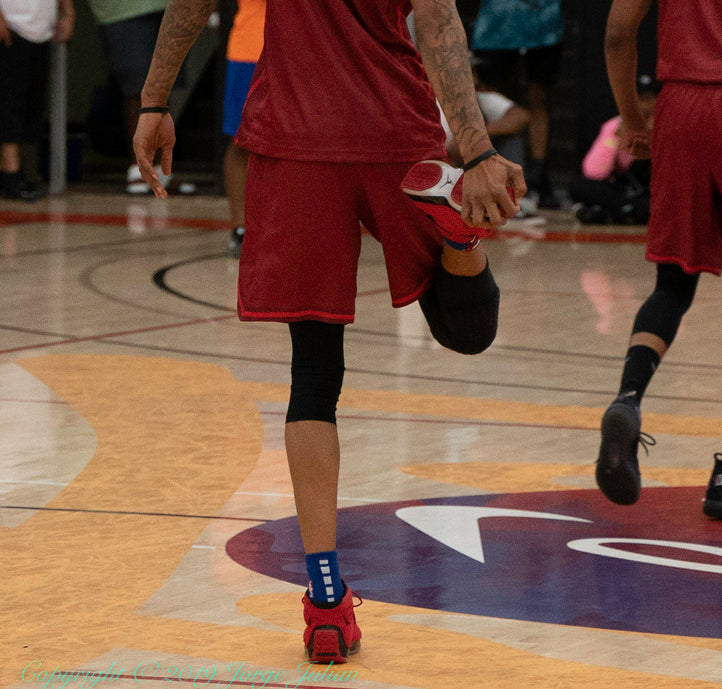
Basketball players rub the bottom of their shoes to improve their grip on the court, a crucial element for quick movements and preventing slips.
The Science Behind the Squeeze: Unlocking Superior Grip
Ever watched a basketball game and noticed players, mid-action, seemingly “cleaning” or rubbing the soles of their shoes on the court floor? It’s not just a random habit or a way to pass the time. This seemingly simple action is a deliberate technique aimed at optimizing their court performance. The primary goal is to achieve a superior grip enhancement, which is absolutely vital in a sport that demands rapid acceleration, sharp cuts, and sudden stops. Without adequate grip, players would be left slipping and sliding, rendering their speed and agility useless.
Grasping the Fundamentals of Floor Adherence
At its core, the act of rubbing the bottom of basketball shoes is all about maximizing floor adherence. Basketball courts, while appearing smooth, can accumulate dust, debris, or even moisture. These seemingly minor contaminants can drastically reduce the friction between the shoe’s sole and the court surface. Friction is the invisible force that allows players to push off, change direction, and maintain their balance. When this friction is compromised, so is the player’s ability to execute those essential movements.
The Role of the Rubber Compound
Basketball shoe soles are typically made from a specialized rubber compound. This compound is carefully engineered to provide a balance of durability and traction. However, even the best rubber compound can become less effective when its surface is obscured by dust or oils. Rubbing the soles helps to clear away these microscopic barriers, exposing the natural stickiness of the rubber. This process effectively creates sticky soles, ready to grip the court.
Achieving a Traction Boost: The Practical Application
The immediate benefit of rubbing the shoe bottoms is a significant traction boost. Imagine trying to run on a polished floor with no shoes on – you’d slip easily. Now imagine doing that with the intense physical demands of basketball. Players need their shoes to act like gecko feet, clinging to the court with every step.
Why is Traction So Important?
- Explosive Starts: A good grip allows players to explode off the dribble, leaving defenders behind.
- Sharp Cuts: Agility is key. Players need to plant their feet firmly to pivot and change direction without losing momentum.
- Defensive Footwork: Staying in front of an offensive player requires constant shuffling and quick lateral movements, all dependent on good traction.
- Jumping and Landing: A solid base is crucial for generating power when jumping and for landing safely and stably.
Deciphering the Dust: The Contaminant Factor
Basketball courts, despite regular cleaning, are not sterile environments.
Common Court Contaminants:
- Dust and Dirt: Airborne particles settle on the court surface and can get embedded in the shoe’s tread.
- Sweat: Player sweat can make the court surface slick.
- Lotion and Body Oils: These can transfer from players’ skin to the court.
- Moisture: Even slight humidity can impact grip.
When these substances build up on the sole of a basketball shoe, they create a barrier that significantly reduces the direct contact between the rubber and the court. This is where the rubbing action becomes indispensable.
The Mechanics of the Rub: Friction Generation in Action
The act of rubbing the shoe sole on the court is a direct method of friction generation. It’s a physical process of abrasion and cleaning.
How the Rubbing Works:
- Clearing Debris: The rubbing motion scrapes away loose particles of dust and dirt that have accumulated on the sole.
- Exposing the Rubber: By removing the contaminants, the rubbing exposes the raw, grippy surface of the shoe’s rubber compound.
- Warming the Rubber: The friction from rubbing can slightly warm the rubber, which can sometimes increase its tackiness.
- Creating a “Sticky” Surface: The combination of cleaning and potential warming helps to create a temporary state of increased adhesion, making the soles more “sticky.”
Is it Just About the Squeak? Squeak Reduction and Performance
While the primary reason for rubbing the shoes is grip, there’s a secondary, often noticeable, consequence: squeak reduction. The distinct squeak of basketball shoes on a polished wooden court is a satisfying sound, but it’s also an indicator of effective grip. However, when the shoes become dusty or the court surface is less than ideal, the squeak can become less pronounced or even disappear.
The Squeak-Grip Connection:
- Squeak: A loud squeak usually means the rubber sole is making good contact with the court and is adhering well, allowing for a strong push-off.
- Muffled or Absent Squeak: This can indicate a loss of grip, either due to a dirty sole or a slick court.
Players might rub their shoes not only to regain grip but also to restore that satisfying squeak, which serves as a sonic confirmation of their footwear’s readiness. However, it’s crucial to remember that the squeak is a byproduct of good grip, not the primary goal. Focusing solely on squeak reduction without addressing the underlying grip is counterproductive.
Player Movement: The Domino Effect of Enhanced Grip
The ability to maintain a firm grip directly influences every aspect of player movement on the court.
Impact on Movement:
- Acceleration: A player can push off harder and faster when their feet aren’t slipping. This is crucial for fast breaks and getting past defenders.
- Deceleration: Players can brake more effectively, stopping on a dime to avoid collisions or change direction abruptly.
- Agility: Quick changes of direction are essential for dribbling, defending, and finding open spaces. Good traction allows for more aggressive and precise cuts.
- Balance: Maintaining balance during physical contact, while reaching for a rebound, or after a jump shot relies heavily on stable footing.
- Jumping: The initial push-off for a jump shot or a layup is powered by the player’s ability to plant their feet and generate force against the court.
Shoe Maintenance: A Quick Fix for Temporary Slips
While the act of rubbing shoes is a quick, in-game solution, it’s also a form of shoe maintenance. It’s not a substitute for proper cleaning and care, but it addresses immediate performance degradation.
Maintaining Peak Performance:
- Regular Cleaning: After games and practices, players should properly clean their shoes. This involves wiping down the soles with a damp cloth to remove embedded dirt and oils.
- Avoid Slippery Surfaces: Players should avoid walking on dusty or wet surfaces off the court to keep their soles clean.
- Proper Storage: Storing shoes in a dry, ventilated place helps maintain the integrity of the rubber compound.
The rubbing technique is a band-aid for performance dips caused by court conditions, not a replacement for diligent shoe maintenance.
Beyond the Rub: Other Methods for Improving Grip
While rubbing the shoe soles is the most visible technique, players and teams sometimes employ other methods to ensure optimal traction.
Methods for Enhancing Grip:
- Grip Socks: Specially designed socks with rubberized grips on the bottom can provide an extra layer of traction within the shoe.
- Grip Sprays/Solutions: Some athletes use specialized sprays or liquids applied to the court or their shoes to create a stickier surface. These are often regulated or prohibited in official games due to potential damage to court surfaces or safety concerns.
- Regular Sole Cleaning: As mentioned, thorough cleaning of the shoe soles outside of game time is crucial for long-term grip.
The Evolution of Basketball Shoes and Court Technology
The design of basketball shoes and the materials used for court surfaces have both evolved significantly over time.
Shoe Design Advancements:
- Tread Patterns: Modern basketball shoes feature intricate tread patterns designed to maximize surface area contact and channel away debris.
- Rubber Formulas: Manufacturers continuously experiment with new rubber compounds to achieve optimal grip and durability.
- Midsole and Outsole Integration: The way the sole is integrated with the shoe’s upper also impacts stability and how the player’s foot interacts with the court.
Court Surface Innovations:
- Sealed Wood Floors: Modern basketball courts are typically made of sealed hardwood, which provides a more consistent and durable playing surface than older materials.
- Specialized Coatings: Some courts might have specific coatings to enhance grip and reduce wear and tear.
Despite these advancements, the fundamental need for clean, grippy soles remains constant.
Why Don’t We See This in Other Sports?
The specific action of rubbing shoe bottoms is most prevalent in basketball because of the unique demands of the sport.
Basketball’s Unique Demands:
- Constant Stop-and-Go: Basketball involves more frequent and abrupt changes in direction and speed compared to many other sports.
- Emphasis on Pivoting: Pivoting, a key basketball maneuver, requires significant friction to avoid foot twisting and to execute effectively.
- Indoor Environment: Most basketball is played indoors on polished wooden courts, which are more susceptible to dust and moisture buildup than outdoor surfaces.
Other sports might have similar needs for traction, but the nature of the movements and the typical playing surfaces differ. For example, soccer players need grip on grass or turf, achieved through cleats, not by rubbing their soles. Runners on a track rely on the track’s surface and the specific design of their running shoes.
When the Rub Isn’t Enough: Signs of Poor Traction
There are tell-tale signs that a player might be experiencing grip issues beyond needing a quick rub of the shoe soles.
Indicators of Grip Problems:
- Frequent Slips: If a player is visibly slipping or stumbling more than usual, it’s a clear sign of lost traction.
- Hesitation in Movements: A player might appear hesitant to make sharp cuts or sudden stops, indicating a lack of confidence in their footing.
- Reduced Explosiveness: A noticeable decrease in a player’s ability to accelerate quickly could be due to poor grip.
- Excessive Squeak: While a squeak is good, a constant, high-pitched squeak without clear changes in direction can sometimes indicate the sole is rubbing the court surface too much without proper adhesion.
- Visible Sole Wear: Severely worn-down shoe soles will naturally offer less grip, regardless of cleanliness.
The Psychological Aspect: Confidence and Control
Beyond the purely physical benefits, the act of rubbing one’s shoes can also have a psychological impact on a player.
The Mental Game:
- Restoring Confidence: A player who feels their grip is compromised might feel less confident in their ability to make quick, decisive movements. The act of rubbing can be a ritual that restores that confidence.
- Focus and Ritual: For many athletes, certain pre-performance or in-game rituals help them focus and get into the right mindset. Rubbing shoes can be one of these grounding actions.
- Sense of Control: In a fast-paced, often chaotic game, taking a moment to ensure their footwear is optimal can give a player a sense of control over a fundamental aspect of their performance.
Frequently Asked Questions (FAQ)
Q1: Can I rub the bottom of my basketball shoes on any surface?
A1: It’s best to only rub your basketball shoes on the designated court surface. Rubbing them on rough or abrasive surfaces can damage the rubber and reduce its grip. Avoid rubbing them on concrete, asphalt, or gritty surfaces.
Q2: Does rubbing my basketball shoes wear them out faster?
A2: The act of rubbing the soles on a standard wooden court floor is unlikely to significantly wear out the shoes faster, especially compared to the wear they experience during play. However, excessive or aggressive rubbing on rough surfaces could accelerate wear.
Q3: Is there a specific way to rub the shoes for the best grip?
A3: There isn’t a single prescribed method, but players typically rub the entire bottom surface of the sole, paying attention to areas that might have more accumulated debris. Some prefer a circular motion, while others use a back-and-forth motion. The key is to ensure the entire contact surface is cleared.
Q4: Will this method work for all types of basketball shoes?
A4: Yes, this method is beneficial for all basketball shoes, regardless of brand or specific design, as they all rely on the rubber compound’s friction with the court. However, the effectiveness might vary slightly based on the quality of the rubber compound and the tread pattern of the shoe.
Q5: Is it okay to wipe my shoes with a wet cloth during a game?
A5: While wiping with a damp cloth can remove dirt, it can also introduce moisture, which might temporarily reduce grip. Players often prefer a dry rub or a very slightly damp cloth that dries quickly. The primary goal is to remove dry debris.
Q6: Can I use shoe grip sprays instead of rubbing?
A6: Shoe grip sprays are an alternative, but their use might be restricted in official games, and they can sometimes leave residues on the court. Rubbing is a universally accepted and effective method for immediate grip enhancement.
Q7: How often should I rub my shoes during a game?
A7: Players will often do this between plays, during timeouts, or whenever they feel their grip is diminishing. It’s a reactive measure to immediate performance needs.
Q8: Does the type of court surface matter?
A8: Yes, the type of court surface significantly matters. Polished hardwood courts, common in indoor basketball, are prone to dust and require this technique more than, say, an outdoor asphalt court where grip is naturally different.
Conclusion: The Simple Act for Superior Performance
The seemingly minor act of basketball players rubbing the bottom of their shoes is a sophisticated tactic rooted in physics and material science. It’s a practical, on-the-fly method for grip enhancement, ensuring optimal court performance by clearing away debris and maximizing the floor adherence of their sticky soles. This direct increase in friction generation allows for explosive player movement, sharp cuts, and crucial stability. While not a replacement for diligent shoe maintenance, this habit is a testament to the dedication players have to every small detail that contributes to their success on the court, even down to the very soles of their feet.