
Can you become a basketball coach? Absolutely! Becoming a basketball coach is a rewarding journey for those passionate about the sport and eager to share their knowledge and inspire young athletes. Whether you dream of leading a youth league team, a high school squad, or even aspiring to professional ranks, this guide will walk you through the essential steps, skills, and considerations to embark on your coaching career.
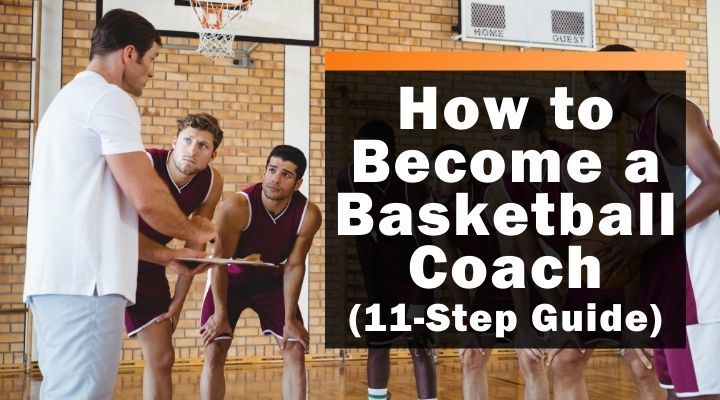
Image Source: www.basketballforcoaches.com
The Foundation: What It Takes to Be a Basketball Coach
To become a basketball coach, you need a strong understanding of the game, a passion for teaching, good communication skills, and a commitment to player development. It’s not just about knowing the X’s and O’s; it’s about building character, fostering teamwork, and creating a positive environment for growth.
Building Your Basketball Coaching Philosophy
A solid basketball coaching philosophy is the bedrock of your coaching career. It’s your guiding set of beliefs about how the game should be played, how athletes should be treated, and what your ultimate goals are as a coach. Think about what you value most: winning at all costs? Player development? Character building? A balanced approach?
- Core Values: What principles will guide your decisions and interactions? Honesty, respect, hard work, perseverance, and sportsmanship are common starting points.
- Player Development: How will you focus on improving individual basketball skills development? Will you prioritize offense, defense, or a balanced approach?
- Team Culture: What kind of atmosphere do you want to create within your team? Will it be high-energy and intense, or more relaxed and supportive?
- Winning vs. Development: How will you balance the desire to win with the need to develop your players as individuals and as a team?
Your philosophy will shape your coaching style, your practice plans, and how you handle various situations on and off the court. It’s something that can evolve over time as you gain more experience.
Stepping Stones: Your Path to Becoming a Basketball Coach
The journey to becoming a basketball coach often starts with a deep love for the game and a desire to contribute. Here’s a breakdown of the typical path:
Playing Experience: A Valuable, But Not Always Required, Asset
While playing experience can be incredibly beneficial, it’s not always a prerequisite. Many successful coaches were not elite players themselves. However, having played the game at any level provides an intuitive grasp of plays, player movement, and the feel of the game.
- Understanding the Game: Playing exposes you to different strategies, coaching styles, and game situations.
- Credibility: Players often respond well to coaches who have “been there before.”
- Practical Knowledge: You learn firsthand about the physical and mental demands of the sport.
If you didn’t play, don’t be discouraged. Your passion for learning and teaching can more than compensate.
Gaining Initial Coaching Experience
The best way to learn how to coach is by doing. Start at the grassroots level and work your way up.
Coaching Youth Basketball
Coaching youth basketball is an excellent starting point. These leagues are focused on introducing the fundamentals and fostering a love for the sport.
- Local Youth Leagues: Look for opportunities with organizations like the YMCA, Boys & Girls Clubs, or local park and recreation departments.
- Volunteer Coaching: Many youth programs rely on volunteers. This is a great way to get your foot in the door.
- Assistant Coaching: Offer to assist a head coach in a youth program. You’ll learn by observing and supporting.
When coaching youth, remember that the primary goal is fun and fundamental skill-building.
Assistant Coaching Roles
As you gain experience, look for opportunities to be an assistant coach at higher levels.
- High School: Many high school programs seek dedicated assistant coaches to help with various aspects of the team.
- College (JV/Freshman): Assistant coaching at the junior varsity or freshman level can provide valuable experience.
- Club Teams: AAU and other competitive club teams often have paid or volunteer assistant coaching positions.
Assistant coaching allows you to learn from experienced head coaches, assist with basketball drills, and gain exposure to different basketball strategy and team management techniques.
Essential Basketball Coaching Skills and Knowledge
Beyond passion, effective basketball coaches possess a specific set of skills and knowledge.
Mastering Basketball Fundamentals and Skills Development
A core aspect of basketball skills development is the ability to teach and refine fundamental techniques.
- Dribbling: Ball-handling drills that improve control, speed, and confidence.
- Shooting: Proper form, mechanics, and practice routines to improve accuracy.
- Passing: Chest passes, bounce passes, overhead passes, and their appropriate game situations.
- Rebounding: Boxing out, timing jumps, and securing the ball.
- Defense: Stance, footwork, closing out, and on-ball/off-ball defense.
Developing Effective Basketball Drills
Well-designed basketball drills are crucial for efficient practice sessions.
- Station Drills: Breaking down skills into individual stations for focused practice.
- Conditioning Drills: Incorporating fitness with basketball-specific movements.
- Game-Situation Drills: Recreating scenarios from actual games to practice decision-making.
- Team Drills: Focusing on offensive and defensive concepts that involve multiple players.
Table: Sample Basketball Drills for Different Skills
| Skill Area | Drill Name | Description | Focus |
|---|---|---|---|
| Dribbling | Cone Dribbling | Players dribble through a series of cones, changing direction and pace. | Ball control, hand quickness, awareness |
| Shooting | Mikan Drill | Continuous layups from both sides of the basket. | Footwork, touch, finishing around the rim |
| Passing | 3-Man Weave | Players pass a ball while running a pattern, simulating fast break movement. | Accuracy, communication, leading passes |
| Defense | Shell Drill | Four offensive players pass around the perimeter while four defensive players move. | Rotations, communication, help-side defense |
| Rebounding | Tip Drill | Players tip the ball to themselves off the backboard and secure it. | Anticipation, hand-eye coordination, effort |
Deciphering Basketball Strategy and Tactics
A successful coach must understand basketball strategy and how to implement it.
- Offensive Schemes: Set plays, motion offenses, pick-and-roll execution, spacing.
- Defensive Schemes: Man-to-man, zone defenses (2-3, 3-2, 1-3-1), trapping, pressing.
- Transition Offense and Defense: Fast breaks, getting back on defense.
- Game Management: Timeouts, substitutions, managing the clock.
Communication and Motivation Skills
Effective communication is key to coaching basketball teams.
- Clear Instructions: Delivering concise and understandable directions.
- Constructive Feedback: Providing feedback that helps players improve without discouraging them.
- Active Listening: Hearing and addressing players’ concerns.
- Motivational Techniques: Inspiring players to give their best effort and believe in themselves.
Building Team Cohesion
A strong team is more than the sum of its parts.
- Team Rules and Expectations: Establishing clear guidelines for behavior and performance.
- Encouraging Teamwork: Emphasizing the importance of assisting teammates and playing together.
- Conflict Resolution: Addressing disagreements and fostering a positive team dynamic.
Formalizing Your Coaching Career: Basketball Coaching Certifications
While not always mandatory at the youth level, obtaining basketball coaching certifications can significantly enhance your credibility and knowledge.
Why Get Certified?
- Enhanced Knowledge: Certifications often involve structured learning programs covering basketball coaching tips, strategy, and athlete development.
- Professionalism: It demonstrates a commitment to improving your coaching abilities.
- Job Opportunities: Many school districts, athletic organizations, and clubs prefer or require certified coaches.
- Insurance and Liability: Some certifications may provide an added layer of professionalism and potentially lower liability.
Types of Basketball Coaching Certifications
The availability and requirements for certifications vary by region and organization.
- National Governing Bodies: Organizations like USA Basketball offer coaching education and certification programs.
- State Athletic Associations: High school coaching often requires certification through your state’s athletic association.
- National Coaches Organizations: Groups like the National Association of Basketball Coaches (NABC) offer resources and educational opportunities.
These programs often cover topics such as:
- Basketball rules and regulations
- Player safety and injury prevention
- Basketball training programs design
- Sports psychology
- Nutrition
The Certification Process
Typically, obtaining a certification involves:
- Online Courses: Studying materials on coaching principles, rules, and techniques.
- In-Person Clinics/Workshops: Hands-on training and evaluation.
- Exams: Passing written or practical assessments.
- Background Checks: Ensuring suitability to work with young people.
Developing and Running Effective Basketball Training Programs
Once you’re ready to lead, designing and executing basketball training programs becomes paramount.
Season Planning
A well-structured training program covers the entire season.
- Pre-Season: Focus on conditioning, fundamental review, and basic strategy.
- In-Season: Maintain conditioning, refine skills, implement advanced strategies, and focus on game preparation.
- Post-Season: Light skill work, recovery, and goal setting for the next season.
Practice Session Structure
Each practice should have a clear purpose and flow.
- Warm-up (10-15 minutes): Light cardio, dynamic stretching, and ball-handling.
- Skill Development (20-30 minutes): Focus on specific basketball skills development through drills.
- Team Concepts (20-30 minutes): Implementing offensive and defensive strategies, set plays.
- Conditioning/Competition (10-15 minutes): Game-like drills, scrimmages, or conditioning exercises.
- Cool-down (5 minutes): Static stretching and review.
Individual Player Development
Beyond team practices, consider how to help players improve individually.
- Player Assessments: Identifying strengths and weaknesses.
- Individualized Workouts: Tailoring drills and advice to specific player needs.
- Video Analysis: Reviewing game footage to provide targeted feedback.
Coaching Basketball Teams: The Responsibilities and Rewards
Coaching basketball teams involves a multifaceted role that goes beyond the court.
Key Responsibilities
- Player Development: Teaching skills, strategy, and fostering a growth mindset.
- Team Management: Organizing practices, travel, and communication.
- Recruitment (at higher levels): Identifying and attracting talent.
- Parent/Guardian Communication: Keeping families informed and involved.
- Role Modeling: Setting a positive example in conduct and attitude.
- Safety: Ensuring a safe playing environment and proper injury management.
The Rewards of Coaching
The intrinsic rewards of becoming a basketball coach are immense.
- Impact on Young Lives: Shaping character, teaching life lessons, and mentoring athletes.
- Sharing Your Passion: Spreading your love for basketball.
- Personal Growth: Continuously learning and improving as a leader and educator.
- Team Success: Experiencing the satisfaction of building a cohesive and successful team.
- Building Relationships: Forming bonds with players, coaches, and the community.
Advancing Your Coaching Career
Once you’ve gained experience, you might aim for more prominent coaching roles.
Moving Up the Ranks
- High School Head Coach: Requires a strong resume, coaching certifications, and often teaching experience.
- College Assistant Coach: Typically requires significant coaching experience, recruiting knowledge, and a bachelor’s degree.
- College Head Coach: Demands extensive experience, a proven track record, and strong leadership and management skills.
- Professional Coaching: The pinnacle, requiring exceptional expertise, experience, and networking.
Continuous Learning and Professional Development
The game of basketball is always evolving. Staying current is crucial.
- Attend Clinics and Seminars: Learn new basketball coaching tips and strategies from top coaches.
- Read Books and Articles: Stay informed about the latest research in sports science and coaching.
- Watch Film: Analyze college and professional games to glean insights.
- Network: Build relationships with other coaches to share ideas and opportunities.
Frequently Asked Questions (FAQ)
Q1: Do I need to have played basketball at a high level to become a coach?
No, you don’t necessarily need to have played at a high level. While playing experience can be helpful, a deep knowledge of the game, a passion for teaching, strong communication skills, and a willingness to learn are more critical. Many excellent coaches were not star players.
Q2: What are the first steps to becoming a basketball coach?
Start by volunteering or seeking an assistant coaching position at the youth or high school level. This hands-on experience is invaluable for learning the ropes, developing your skills, and building your coaching philosophy. Getting involved in local basketball organizations is a great way to find these opportunities.
Q3: How important are basketball coaching certifications?
While not always mandatory for entry-level positions, basketball coaching certifications are highly recommended. They provide structured education, demonstrate your commitment to the profession, and can open doors to more coaching opportunities, especially at the high school and collegiate levels.
Q4: What is the difference between coaching youth basketball and high school basketball?
Coaching youth basketball typically focuses more on fundamental skills, enjoyment of the game, and character development. Coaching high school basketball involves more advanced strategy, higher levels of competition, and often requires more intensive training programs and a greater emphasis on winning, while still maintaining a focus on player development and sportsmanship.
Q5: How long does it take to become a successful basketball coach?
Becoming a successful basketball coach is a continuous journey of learning and experience. It can take many years to develop your skills, refine your philosophy, and build a strong track record. Many coaches spend their entire careers learning and growing.
By following these guidelines, embracing continuous learning, and dedicating yourself to the development of your players, you can embark on a fulfilling and impactful career as a basketball coach. The journey requires patience, hard work, and a genuine love for the game, but the rewards are immeasurable.