
Thinking about becoming a basketball coach? It’s a rewarding path that involves teaching skills, building teamwork, and shaping young athletes. Can you coach basketball without a degree? Yes, while a degree can be helpful, it’s not always a strict requirement, especially at lower levels. Many successful coaches start with experience and a passion for the game. This guide will walk you through everything you need to know to embark on your journey as a basketball coach.
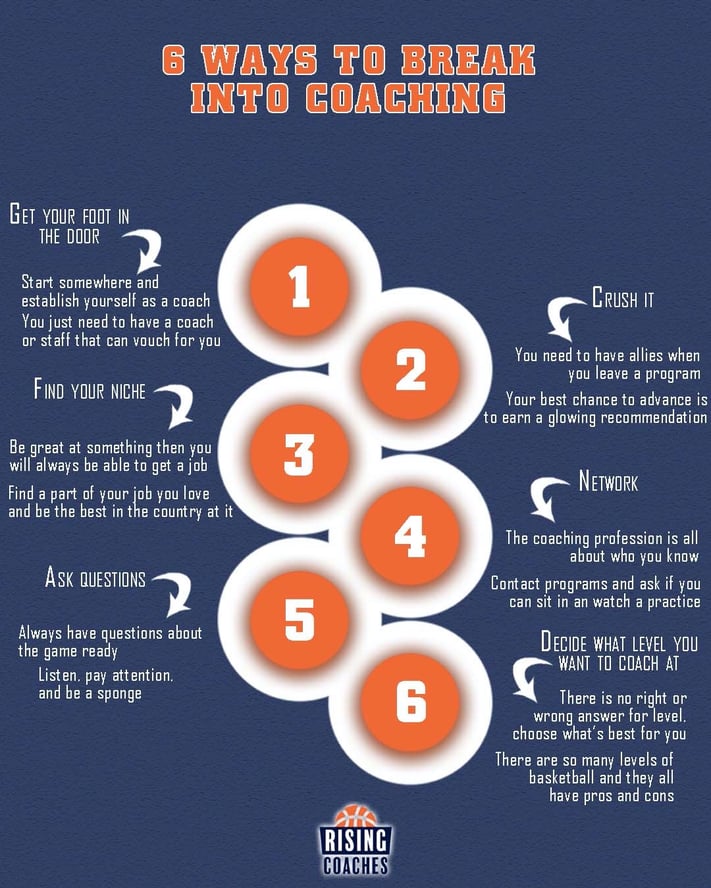
Image Source: risingcoaches.com
The Core of Basketball Coaching
Becoming a basketball coach means more than just knowing the X’s and O’s. It’s about leadership, communication, and fostering a positive environment for your players. It’s a role that requires dedication, patience, and a genuine love for the sport and for helping others grow.
Essential Basketball Coaching Fundamentals
At its heart, basketball coaching is about teaching the basics. These are the building blocks upon which all successful play is built. Mastery of these fundamentals separates good teams from great ones.
- Dribbling: Players need to be able to dribble with both hands, change pace, and protect the ball.
- Passing: Accurate and timely passes are crucial for ball movement. Chest passes, bounce passes, and overhead passes are key.
- Shooting: Proper shooting form leads to consistency. Focus on balance, hand placement, and follow-through.
- Defense: Stance, footwork, and positioning are vital for effective defense.
- Rebounding: Boxing out and pursuing the ball are essential skills for gaining possession.
Developing a Coaching Philosophy
Your coaching philosophy is the guiding principle behind your decisions and actions. It shapes how you interact with players, parents, and officials. A good philosophy is built on values like respect, hard work, and sportsmanship.
- Player Development: Is your focus on skill improvement or winning? Ideally, it’s both, with an emphasis on long-term growth.
- Teamwork: How do you foster a sense of unity and shared purpose?
- Sportsmanship: How do you ensure players compete with integrity and respect?
- Fun: While winning is important, creating an enjoyable experience is crucial for player retention and passion.
Starting Your Coaching Journey
The path to becoming a basketball coach can start at various levels. Whether you aim to guide young children or guide high school stars, there are steps you can take to gain experience and knowledge.
Youth Basketball Coaching
Youth basketball coaching is often the starting point for many aspiring coaches. It’s a fantastic way to learn the ropes and make a significant impact on young lives.
Getting Started with Youth Leagues
- Volunteer: Local community centers, YMCA programs, and school-based intramurals are excellent places to volunteer your time.
- Assistant Coaching: Offer to be an assistant coach for an established youth team. This allows you to learn from an experienced head coach.
- Head Coach: Once you have some experience, you might be ready to lead your own youth team.
Key Aspects of Youth Basketball Coaching Tips
- Patience is Paramount: Young players are learning. Be patient with their mistakes and celebrate their successes.
- Keep it Fun: Focus on drills that are engaging and enjoyable.
- Teach Fundamentals: Prioritize skill development over complex strategies.
- Positive Reinforcement: Encourage effort and good sportsmanship.
- Age-Appropriate Expectations: Understand the physical and mental capabilities of your age group.
Moving Up: High School and Beyond
As you gain experience, you might consider coaching at higher levels. This often requires more formal qualifications and a deeper strategic understanding.
The Role of a High School Coach
High school coaches are responsible for developing players’ skills, implementing game strategies, and managing team dynamics. They often work closely with school administration and athletic directors.
College and Professional Coaching
These levels typically demand extensive coaching experience, often including collegiate playing time, advanced degrees, or specialized certifications.
Building Your Coaching Skillset
Effective basketball coaching involves a blend of tactical knowledge, communication skills, and motivational abilities. Continuously improving these areas will make you a better coach.
Mastering Coaching Strategies Basketball
Effective coaching strategies are the backbone of a successful team. These strategies dictate how your team plays offense and defense.
Basketball Offensive Strategies
Offensive strategies aim to create scoring opportunities. They involve player movement, ball movement, and exploiting defensive weaknesses.
- Motion Offense: This fluid offense emphasizes player and ball movement, with players cutting and screening to create open shots.
- Set Plays: These are pre-designed plays used after timeouts or to start possessions, designed to get specific players open shots or create mismatches.
- Fast Break: Quickly pushing the ball up the court after a defensive rebound or steal to catch the defense off guard.
- Pick and Roll: A fundamental two-player action where one player sets a screen for a ball handler, who then drives or passes.
Basketball Defensive Schemes
Defensive schemes are designed to prevent the opposing team from scoring. They require coordination, communication, and effort from all players.
- Man-to-Man Defense: Each defender is assigned to guard a specific offensive player.
- Zone Defense: Defenders are responsible for guarding a specific area of the court, rather than a particular player. Common zones include 2-3, 3-2, and 1-3-1.
- Press Defenses: Aggressive defenses designed to pressure the ball handler and force turnovers, often starting further up the court (e.g., full-court press).
- Trapping: Two defenders converge on the ball handler to force a turnover or difficult pass.
The Art of Basketball Drills for Coaching
Drills are the tools coaches use to teach and refine skills. Well-designed drills should be engaging, game-like, and focused on specific objectives.
Effective Basketball Drills for Coaching
- Dribbling Drills: Cone drills, crossover drills, and change-of-pace drills.
- Shooting Drills: Form shooting, spot shooting, and shooting off the dribble.
- Passing Drills: Stationary passing, passing on the move, and passing with pressure.
- Defensive Drills: Defensive slide drills, closeout drills, and help-side defense drills.
- Scrimmages: Controlled games that allow players to practice skills and strategies in a game-like setting.
Creating Effective Basketball Practice Plans
A well-structured practice plan is crucial for maximizing training time. It should balance skill development, team strategy, and conditioning.
Components of a Basketball Practice Plan
- Warm-up: Dynamic stretching and light cardio to prepare the body.
- Skill Work: Focused drills on dribbling, passing, shooting, or defense.
- Team Concepts: Practicing offensive plays, defensive schemes, or transition play.
- Conditioning: Running, agility drills, or strength exercises.
- Cool-down: Static stretching to aid recovery.
Sample Practice Plan Structure (High School Level – 90 Minutes)
| Time | Activity | Focus Area | Notes |
|---|---|---|---|
| 0-10 min | Dynamic Warm-up & Ball Handling | Agility, Ball Control | High knees, butt kicks, skips, dribble drills |
| 10-25 min | Shooting Drills | Shooting Form, Accuracy | Form shooting, Mikan drill, spot shooting |
| 25-40 min | Offensive Drills | Ball Movement, Spacing | Motion offense principles, pick-and-roll |
| 40-55 min | Defensive Drills | Stance, Footwork, Rotation | Man-to-man closeouts, shell drill |
| 55-75 min | Team Concepts / Scrimmage | Strategy Implementation | Implementing specific offensive plays or defensive schemes |
| 75-85 min | Conditioning / Game Situation | Stamina, Decision Making | Full-court transition drills, sprints |
| 85-90 min | Cool-down & Wrap-up | Recovery, Review | Static stretching, brief team talk, game review |
Gaining Experience and Knowledge
The best way to learn how to coach is by doing. However, supplementing practical experience with continuous learning is vital for growth.
Practical Experience is Key
- Play the Game: If you haven’t played basketball, understanding the nuances will be harder. Playing provides invaluable insight.
- Observe Other Coaches: Watch experienced coaches at different levels. Note their techniques, communication style, and how they manage their teams.
- Volunteer: As mentioned, volunteering is a low-risk, high-reward way to get involved.
- Clinics and Camps: Attend coaching clinics and camps to learn new drills and strategies.
Formal Education and Certification
While not always mandatory, basketball coaching certification can enhance your credibility and knowledge.
What is Basketball Coaching Certification?
Basketball coaching certification programs are designed to educate coaches on various aspects of the game, including safety, teaching techniques, strategy, and ethics. They often involve coursework, exams, and sometimes practical assessments.
Benefits of Basketball Coaching Certification
- Enhanced Credibility: Demonstrates a commitment to learning and professional development.
- Improved Knowledge: Provides structured learning on coaching fundamentals, sports psychology, and injury prevention.
- Networking Opportunities: Connect with other coaches and industry professionals.
- Insurance and Liability: Some leagues or organizations may require certified coaches.
Reputable Certification Organizations (Examples)
- USA Basketball: Offers various coaching programs and certifications.
- National Federation of State High School Associations (NFHS): Provides coaching education courses for high school coaches.
- Local Basketball Associations: Many state and local organizations offer their own certification programs.
Developing Your Coaching Persona
Coaching isn’t just about tactics; it’s about how you connect with your players and create a positive team culture.
Communication Skills for Coaches
Clear and effective communication is paramount. You need to convey instructions, feedback, and motivation effectively.
- Active Listening: Truly hear what your players are saying.
- Clear Instructions: Be precise and concise when explaining drills or strategies.
- Constructive Feedback: Focus on what players can do to improve, rather than solely on mistakes.
- Motivational Speaking: Inspire your team to perform their best.
Building Team Cohesion
A cohesive team functions as a unit, supporting each other and working towards common goals.
- Team Building Activities: Organize activities outside of practice to foster camaraderie.
- Shared Goals: Ensure everyone understands and is committed to the team’s objectives.
- Conflict Resolution: Address disagreements or issues among players promptly and fairly.
Sports Psychology in Coaching
Understanding the mental side of the game can give your team an edge.
- Motivation: Keeping players engaged and driven.
- Confidence Building: Helping players believe in their abilities.
- Handling Pressure: Teaching players to perform under stress.
- Resilience: Helping players bounce back from setbacks.
Navigating the Coaching World
Once you’re on the coaching path, understanding the administrative and ethical aspects is important.
Finding Coaching Opportunities
- Local Schools: Contact athletic directors at elementary, middle, and high schools.
- Youth Sports Organizations: Reach out to directors of parks and recreation departments, YMCA, AYSO, or other youth sports leagues.
- Online Job Boards: Look for coaching positions on school district websites or general job boards.
- Networking: Let people in your basketball community know you’re looking for opportunities.
Coaching Ethics and Responsibilities
As a coach, you are a role model. Adhering to ethical standards is crucial.
- Fairness: Treat all players equitably.
- Respect: Show respect for players, opponents, officials, and parents.
- Safety: Prioritize the physical and emotional well-being of your athletes.
- Integrity: Uphold the values of sportsmanship and honesty.
Frequently Asked Questions (FAQ)
Q1: What qualifications do I need to become a basketball coach?
A1: While qualifications vary by level, experience playing or coaching is often the most important factor. For many youth leagues, volunteer coaches are welcomed with minimal formal requirements. High school and college coaching often require certifications, relevant degrees, and a proven track record.
Q2: How can I gain experience if I haven’t played basketball?
A2: You can gain experience by volunteering to help with drills, observing practices, attending coaching clinics, and studying the game through books, videos, and analytics. Your passion and willingness to learn are key.
Q3: How important is a basketball coaching certification?
A3: Certification is highly recommended, especially for higher levels of play. It validates your knowledge, demonstrates a commitment to professional development, and can make you a more attractive candidate for coaching positions.
Q4: What are the biggest challenges in basketball coaching?
A4: Challenges can include managing diverse personalities and skill levels, dealing with parent expectations, balancing winning with player development, and the time commitment required.
Q5: How do I develop effective basketball practice plans?
A5: Effective plans focus on clear objectives, balance skill work with game-like situations, include warm-ups and cool-downs, and are flexible enough to adapt to the team’s needs. Observe successful coaches and learn from them.
Becoming a basketball coach is a journey filled with opportunities for personal and professional growth. By focusing on fundamentals, developing sound coaching strategies, and committing to continuous learning, you can build a successful and impactful coaching career.