
So, how much does it cost to build a basketball court? The price can range from a few thousand dollars for a basic backyard setup to over $100,000 for a professional-grade indoor facility. Several factors influence this cost, including the size, materials, location, and whether you choose a DIY approach or hire a professional builder.
Building a basketball court is an exciting prospect, whether it’s for your home, a community center, or a commercial facility. But before you start dreaming of slam dunks and buzzer-beaters, it’s crucial to get a handle on the finances. The basketball court cost can vary dramatically, so this guide will break down everything you need to know to create a realistic commercial basketball court budget or plan for a residential basketball court construction. We’ll cover everything from the foundation to the final touches, helping you make informed decisions.
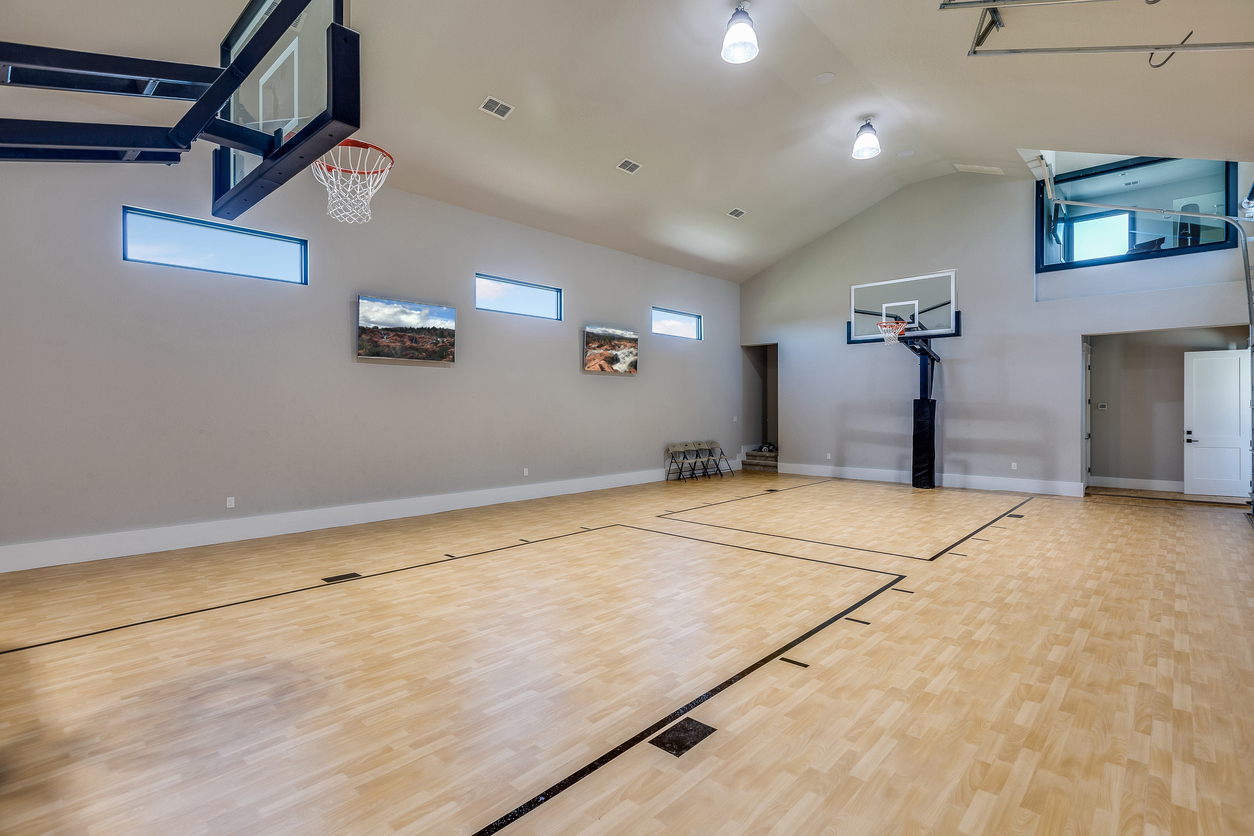
Image Source: www.dominatorhoop.com
Deciphering the Cost Factors
Several key elements contribute to the overall expense of building a basketball court. Let’s dive into what makes the price tick up or down.
Size and Dimensions
The most obvious factor affecting basketball court cost is its size. A regulation NBA court is 94 feet long and 50 feet wide, covering 4,700 square feet. High school and college courts are slightly smaller. However, many residential courts are custom-sized to fit available space, often being smaller than regulation.
- Regulation Size: Expect to pay more for a larger court due to increased material and labor costs.
- Custom Size: You can save money by opting for a smaller court, but ensure it’s still functional for the type of play you envision.
Location and Site Preparation
Where you build your court significantly impacts the cost. Site preparation is often a hidden expense that can add up quickly.
- Terrain: A flat, clear lot is ideal. If your chosen site is sloped, uneven, or requires significant clearing of trees, rocks, or debris, the cost of excavation and grading will increase.
- Drainage: Proper drainage is essential to prevent water damage and cracking. If your site has poor natural drainage, you might need to install drainage systems, adding to the expense.
- Accessibility: If the building site is difficult to access for heavy machinery and material delivery, labor and transportation costs can rise.
Court Surface
The type of surface you choose is a major cost driver. Each option has its pros, cons, and price points.
Outdoor Basketball Court Prices
Outdoor basketball court prices typically center around the surface material.
Asphalt Basketball Court Price
Asphalt is a popular and relatively affordable option for outdoor courts.
- Cost: The asphalt basketball court price generally ranges from $5 to $10 per square foot. For a regulation-sized court, this could mean $23,500 to $47,000 for the asphalt alone, not including installation and other features.
- Pros: Durable, good bounce, relatively low maintenance.
- Cons: Can crack over time due to weather, requires seal coating every few years, can get very hot in direct sunlight.
Concrete Basketball Court Cost
Concrete is another common and durable choice for outdoor courts.
- Cost: The concrete basketball court cost is often slightly higher than asphalt, ranging from $7 to $12 per square foot. A regulation court would then be in the $32,900 to $56,400 range for the concrete base.
- Pros: Very durable, can be colored and textured, less prone to cracking than asphalt if installed correctly.
- Cons: Can be more expensive upfront, prone to spalling (surface flaking) if not sealed properly, can also get very hot.
Sports Court Surfacing Cost (Tiled Systems)
Modular interlocking tiles are a more modern and often more expensive option, especially for residential basketball court construction.
- Cost: The sports court surfacing cost for these systems can range from $8 to $15 per square foot or more, depending on the brand, tile type, and features.
- Pros: Excellent shock absorption, good grip, permeable (allows water to drain), customizable colors, can be installed over existing surfaces.
- Cons: Higher upfront cost, may require professional installation, can sometimes be less consistent in bounce than traditional asphalt or concrete.
Indoor Basketball Court Installation Cost
Building an indoor court is a significantly larger investment. The indoor basketball court installation cost includes the entire structure, not just the playing surface.
- Structure: You’ll need a building or a dedicated space, which includes foundation, walls, roof, lighting, ventilation, and climate control.
- Flooring: Indoor courts often use specialized wood flooring (like maple) for optimal performance and player comfort. This is a premium material.
- Costs: For a basic indoor court, expect costs to start in the tens of thousands and easily climb into the hundreds of thousands for a professional or community-level facility.
Fencing and Enclosures
For outdoor courts, fencing is often a necessary component to keep the ball in play and define the court area.
- Chain Link Fencing: A standard option, typically costing $15-$30 per linear foot installed.
- Higher Fencing: For serious play or commercial settings, higher fences (10-12 feet) may be preferred, increasing the cost.
- Other Enclosures: Some high-end residential courts might opt for more aesthetic fencing or even partial enclosures.
Lighting
If you plan to play after dark, lighting is essential.
- Outdoor Lighting: Pole-mounted LED or metal halide lights are common. Costs can range from $500 to $2,000 per fixture, depending on type and quality, plus installation.
- Indoor Lighting: Recessed or high-bay lighting is used indoors. The cost will depend on the size of the space and the number of fixtures needed.
Basketball Hoops and Equipment
Don’t forget the hoops!
- Residential: A good quality in-ground hoop can cost anywhere from $400 to $3,000+. Portable hoops are cheaper but less stable.
- Commercial/Professional: Regulation-grade, breakaway rims, backboards (glass or acrylic), and pole systems are more expensive, potentially running into thousands of dollars per hoop.
Installation and Labor
This is a significant portion of the basketball court cost.
- DIY vs. Professional:
- DIY Basketball Court Cost: If you have the skills and equipment, you can save considerably by doing some or all of the work yourself, especially for simpler outdoor courts. However, mistakes can be costly to fix.
- Professional Basketball Court Builder Fees: Hiring experienced professionals ensures a quality build and adherence to safety standards. Professional basketball court builder fees can add 20-40% to the total project cost but are often worth the investment for durability and performance.
- Labor Rates: These vary by region and the complexity of the job. Excavation, concrete pouring, asphalt laying, and installation of specialized surfacing all require skilled labor.
Additional Features
- Netting/Screens: For surrounding areas or to protect property.
- Seating: Benches or bleachers for spectators.
- Water/Ice: For cooling down players in hot weather.
- Scoreboards: For more organized play.
- Wind Screens: To reduce wind interference.
- Custom Graphics/Logos: For a personalized touch.
Budgeting for Your Project: A Breakdown
Let’s break down typical costs for different types of courts. These are estimates, and actual prices will vary based on the factors discussed above.
Residential Basketball Court Construction
For homeowners, the goal is often a functional and enjoyable backyard court.
Basic Backyard Court (DIY Friendly)
- Size: Small, non-regulation size (e.g., 30×40 feet)
- Surface: Asphalt or concrete slab
- Hoop: One decent quality in-ground hoop
- Labor: Mostly DIY with some professional help for concrete/asphalt
- Estimated Cost: $5,000 – $20,000
Mid-Range Backyard Court
- Size: Larger, potentially closer to half-court size (e.g., 40×60 feet)
- Surface: High-quality concrete with sealants, or modular tiles
- Hoop: One premium in-ground hoop
- Lighting: Basic pole light
- Fencing: Standard chain link around the court
- Labor: Professional installation for surfacing and hoop
- Estimated Cost: $20,000 – $50,000
High-End Custom Residential Court
- Size: Full regulation or custom larger size
- Surface: Top-tier modular tile system or specialized acrylic coating over concrete
- Hoops: Multiple high-quality, adjustable hoops
- Lighting: Advanced LED lighting for full-court visibility
- Fencing: Professional, aesthetically pleasing fencing
- Additional Features: Wind screens, custom graphics, potential shelter/canopy
- Labor: Full professional design and build
- Estimated Cost: $50,000 – $150,000+
Commercial Basketball Court Budget
Commercial projects, whether for schools, recreation centers, or professional training facilities, involve larger scale and higher standards.
Outdoor Recreational Court (Park or School)
- Size: Regulation or multiple courts
- Surface: Asphalt or high-quality acrylic coated surface
- Hoops: Multiple durable, regulation hoops
- Lighting: Potentially basic lighting
- Fencing: Robust fencing
- Labor: Professional installation
- Estimated Cost: $50,000 – $200,000+ (depending on the number and size of courts)
Indoor Basketball Facility
This is where costs escalate significantly.
- Building: Construction of a gymnasium structure
- Foundation & Site Work: Extensive preparation
- Surface: Premium wood flooring (maple)
- Hoops: Multiple professional-grade hoops and backboards
- Lighting: Specialized sports lighting system
- HVAC: Climate control
- Scoreboards & Audio: Integrated systems
- Spectator Amenities: Seating, restrooms
- Labor: Full-scale construction project managed by professionals
- Estimated Cost: $250,000 – $1,000,000+ (depending on size, features, and complexity)
Building Your Basketball Court: Step-by-Step
No matter the scale, building a court follows a general process.
1. Planning and Design
- Define Your Needs: Who will use the court? What level of play? What is your budget?
- Site Selection: Choose a suitable location, considering sun exposure, drainage, and accessibility.
- Size and Layout: Determine the court dimensions. Check local zoning laws and any necessary permits.
- Material Selection: Decide on the court surface, hoop type, lighting, and fencing.
- Professional Consultation: Engage an architect or a professional basketball court builder at this stage to get accurate estimates and ensure proper design.
2. Site Preparation
- Clearing and Excavation: Remove any existing structures, trees, or debris. Excavate the area to the required depth for the base material.
- Grading and Leveling: Ensure the site is perfectly level to prevent water pooling and ensure a true bounce.
- Drainage System Installation: Install subsurface drainage or ensure proper grading for surface water runoff.
- Base Layer Installation: Typically, a layer of compacted gravel or crushed stone is laid down. This is crucial for stability and drainage.
3. Installing the Playing Surface
This is where the primary sports court surfacing cost comes into play.
- Asphalt/Concrete: Forms are set, and the chosen material is poured and finished. Proper curing time is essential.
- Modular Tiles: The tiles are laid out and interlocked according to the manufacturer’s instructions.
4. Hoop Installation
- In-Ground Hoops: Anchor systems are set in concrete, and the poles are attached. Ensure precise alignment.
- Wall-Mounted Hoops: Secure mounting to a suitable wall or structure.
5. Fencing and Lighting
- Fencing: Posts are set in concrete, and the fencing material is attached.
- Lighting: Poles are erected and secured, and electrical wiring is run to fixtures. This usually requires a licensed electrician.
6. Finishing Touches
- Line Striping: Professional application of court lines (free-throw line, three-point arc, etc.) using durable, specialized paint.
- Sealants/Coatings: Applying sealants to asphalt or acrylic coatings to concrete for protection and improved aesthetics.
- Landscaping: Cleaning up the surrounding area and any necessary landscaping.
DIY Basketball Court Cost Considerations
Embarking on a DIY basketball court cost journey can be rewarding but challenging.
- Sourcing Materials: You’ll need to find suppliers for concrete, asphalt (or pre-mixed options), gravel, hoops, and fencing.
- Equipment Rental: You might need to rent heavy equipment like excavators, compactors, and concrete mixers.
- Labor Savings: The primary saving comes from your own time and effort.
- Risk of Error: Mistakes in grading, concrete pouring, or drainage can be very expensive to correct and can compromise the court’s longevity.
- Permits: Ensure you understand and obtain all necessary local permits for construction.
For many DIYers, tackling a portion of the project, like site prep or hoop installation, while hiring professionals for the more technical aspects (like concrete pouring or asphalt paving), can be a good compromise.
Hiring Professional Builders
When you decide to work with a professional basketball court builder, here’s what to expect and how to manage the relationship.
- Finding a Builder: Look for companies with a proven track record in building sports courts. Ask for references and check online reviews.
- Getting Quotes: Obtain detailed quotes from at least three different builders. Ensure the quotes specify all materials, labor, site preparation, and any warranties.
- Contract: A clear contract outlining the scope of work, timeline, payment schedule, and warranties is essential.
- Communication: Maintain open communication throughout the project.
- Project Management: A good builder will manage the entire process, from permits to final inspection.
Frequently Asked Questions (FAQ)
Q1: How long does it take to build a basketball court?
A1: A basic outdoor court might take 1-3 weeks for professional installation, depending on site conditions and weather. A full indoor facility can take several months to over a year.
Q2: Can I build a basketball court on a budget?
A2: Yes, you can build a functional basketball court on a budget by opting for smaller sizes, simpler surfaces like asphalt, doing some of the work yourself, and choosing a less expensive hoop.
Q3: What is the most durable surface for a basketball court?
A3: While wood is often considered the premier surface for indoor play due to its shock absorption and consistent bounce, for outdoor courts, properly installed and maintained concrete or high-quality modular tile systems tend to be the most durable. Asphalt can be durable but requires more frequent maintenance like seal coating.
Q4: Who is the best person to hire for building a basketball court?
A4: You’ll likely need to hire several professionals. For site work and paving, look for experienced paving contractors. For specialized sports surfacing or full construction, seek out dedicated professional basketball court builder fees and companies that specialize in sports facilities. A general contractor can also manage the entire project if it’s a larger indoor build.
Q5: What are the ongoing maintenance costs for a basketball court?
A5: Maintenance costs vary by surface. Asphalt courts may need resealing every 2-3 years ($500-$2,000). Concrete courts should be sealed regularly. Modular tiles may need occasional cleaning and checking for loose tiles. Hoops, nets, and lines also require periodic checks and replacements.
Q6: Is a permit required to build a basketball court?
A6: In most cases, yes. Permits are usually required for significant construction work, including excavation, concrete pouring, and installing structures like fencing or lighting. Check with your local building department.
Building a basketball court is a significant investment, but with careful planning and a clear understanding of the costs involved, you can create a fantastic space for recreation and sport. Whether you’re aiming for a casual backyard court or a professional-grade facility, this guide should provide you with the insights needed to budget effectively and make your basketball dreams a reality.