
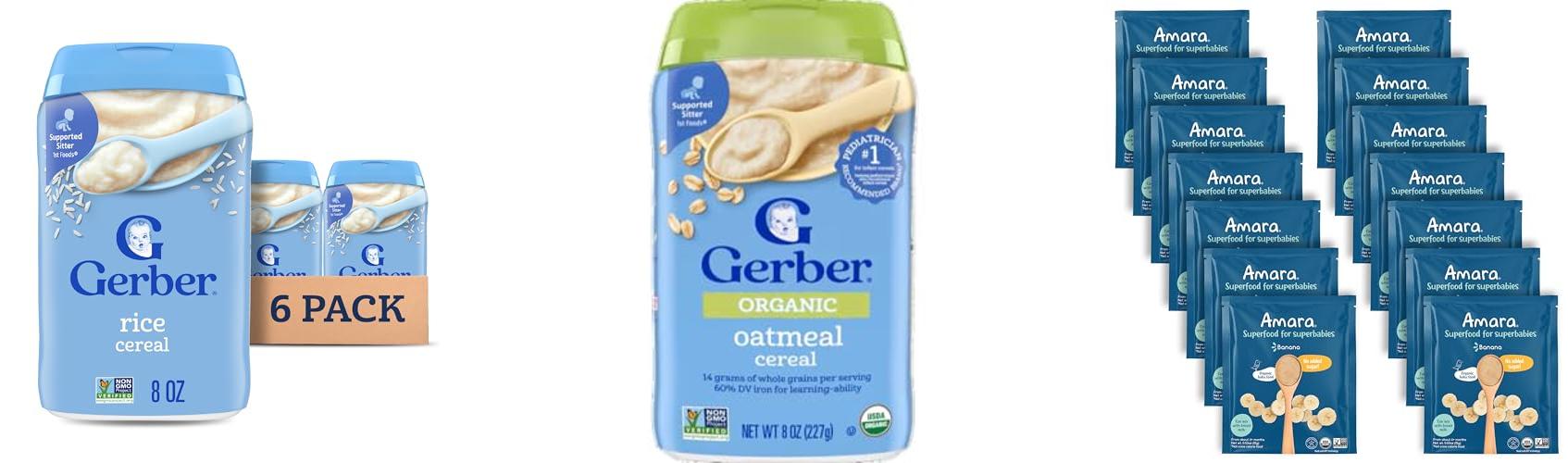
Is your little one ready to explore the exciting world of solid foods? As a parent, deciding what to introduce first can feel like a big step, and for many, that first adventure involves cereal. But where do you even begin? The grocery store aisle is packed with so many choices, from rice and oatmeal to multi-grain blends, each with its own promises and ingredients. It’s easy to feel overwhelmed by the sheer number of options and wonder what’s truly best for your baby’s tiny tummy and growing body.
This is where we come in. We understand the confusion and the desire to make the healthiest choice for your child. That’s why we’ve put together this guide to help you navigate the world of baby cereals. By the time you finish reading, you’ll feel more confident about picking a cereal that’s right for your baby’s developmental stage and dietary needs. We’ll break down the basics and offer practical advice so you can say goodbye to cereal confusion and hello to happy meal times.
Our Top 5 Cereal To Start Baby On Recommendations at a Glance
Top 5 Cereal To Start Baby On Detailed Reviews
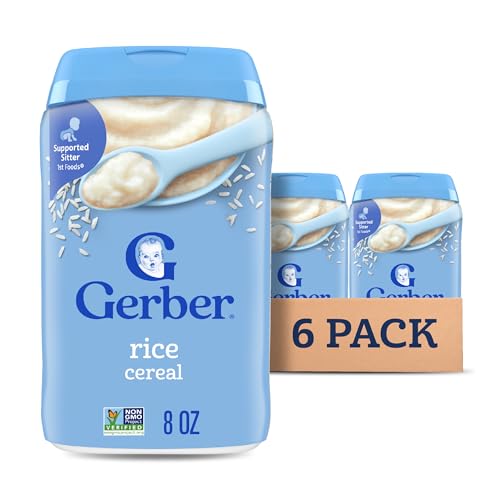
1. Gerber Stage 1 Baby Food
Rating: 9.2/10
Gerber Stage 1 Baby Rice Cereal is a fantastic starting point for introducing your little one to the exciting world of solid foods. This 6-pack ensures you have a reliable supply of this essential infant cereal, designed with both nutrition and convenience in mind for busy parents.
What We Like:
- This baby cereal provides 60% of the daily value of iron, which is crucial for supporting your baby’s learning ability.
- It also delivers 30% of the daily value of zinc and 25% of the daily value of vitamin B12, along with other B vitamins that help your baby grow and develop.
- As a Stage 1 baby food, it’s perfect for babies who can sit with a little help, making it an ideal first solid food.
- You can feel good knowing there are no artificial colors or flavors in this baby cereal.
- It’s incredibly easy and quick to mix – just add breastmilk or formula to your desired consistency.
- Gerber offers a practical and high-quality option for parents who want the best for their babies.
What Could Be Improved:
- While rice cereal is a common first food, some parents may prefer to introduce foods with more complex textures or nutritional profiles earlier on, depending on pediatrician recommendations.
- The packaging, while functional for keeping the cereal dry, could potentially be more environmentally friendly in its materials.
Gerber Stage 1 Baby Rice Cereal is a trustworthy and nutritious choice for your baby’s first solid food experience. It offers a simple and effective way to support your baby’s growth and development from their very first bite.
2. Gerber Stage 1 Baby Food

Rating: 8.7/10
Introducing Gerber Stage 1 Baby Food, Organic Baby Oatmeal Cereal! This 6-pack of infant cereal is a fantastic way to start your little one’s journey into solid foods. It’s made with organic whole grains and packed with essential nutrients like iron, zinc, and vitamin B12.
What We Like:
- It’s USDA organic, meaning no artificial colors or flavors, just pure goodness for your baby.
- Each serving delivers a hearty 14 grams of whole grains to fuel your growing baby.
- It’s a powerhouse of nutrients, providing 60% of the daily value of iron, crucial for development.
- You’ll also find 30% of the daily value of zinc and 25% of the daily value of vitamin B12 in every serving.
- This Stage 1 baby food is perfect for babies who are just starting to explore solids.
- Preparation is super simple – just mix with breastmilk or formula to the perfect consistency.
- The quick-mix design is a lifesaver for busy parents.
- The whole grains offer a wholesome start to your baby’s eating adventures.
What Could Be Improved:
- Once opened, the cereal needs to be kept dry, so careful storage is key.
- For some parents, the small individual serving size might require frequent opening of multiple containers.
Gerber Organic Baby Oatmeal Cereal offers a nutritious and convenient way to introduce your baby to the world of solids. It’s a smart choice for parents who prioritize quality ingredients and ease of preparation.
3. Amara Organic Baby Food – Stage 1 – Banana – Baby Cereal to Mix With Breastmilk

Rating: 9.5/10
Introducing Amara Organic Baby Food – Stage 1 – Banana, a simple and nutritious option for your little one’s first foods. This product offers a way to make fresh-tasting baby food with the convenience of pouches, perfect for busy parents. It’s designed for babies just starting solids, providing a pure banana flavor that’s easy to digest.
What We Like:
- Made from 100% organic, non-GMO bananas, offering a superfood for your baby.
- You can mix it with breastmilk, water, or formula to create the perfect texture and consistency your baby needs.
- The simple, clean ingredient list means you know exactly what your baby is eating – just organic banana.
- Uses a special technology that avoids high heat processing, preserving more of the natural taste, texture, and nutrients found in fresh fruit.
- It’s shelf-stable, making it a great choice for travel or when you need a quick, healthy meal for your baby.
- Helps simplify the introduction of solid foods by offering a customizable and convenient solution.
What Could Be Improved:
- As a single-ingredient product, it might require adding other foods to provide a wider range of nutrients as your baby grows.
- The convenience of pouches, while great for on-the-go, may lead to more waste compared to reusable containers.
Amara Organic Baby Food – Stage 1 – Banana provides a pure and wholesome start to your baby’s solid food journey. It’s a convenient way to offer the goodness of organic fruit.
4. Holle Organic Baby Cereal – Whole Grain Oat Cereal for Baby – Quick and Easy to Prepare as an Organic Baby Oatmeal for Children Over 6 Months – (6 Pack) With Fiber & Vitamin-Rich Whole Grain Kernel

Rating: 8.6/10
Introducing Holle Organic Baby Cereal – Whole Grain Oat Cereal for Baby, a wholesome and convenient option for your little one over six months. This six-pack of organic baby oatmeal provides essential nutrients and fiber, making mealtime a breeze.
What We Like:
- Made with 100% organic whole grain Spelt flour from regenerative farms.
- Provides up to 15 grams of whole grains per serving.
- Gently processed to keep natural vitamins, minerals, and fibers.
- Sugar-free and a good source of thiamin for energy support.
- Non-GMO and free from artificial additives.
- Quick and easy to prepare, just mix with milk or water.
- Can be served as a warm, soft oatmeal or porridge.
- Holle’s commitment to high-quality, sustainable ingredients.
- No chemical processing, preservatives, artificial flavors/colors, added salt, or granulated sugar.
What Could Be Improved:
- Availability might be limited depending on your region.
- The “three varieties to choose from” is mentioned but not detailed for this specific product listing.
This Holle Organic Baby Cereal offers a nutritious start for your baby, blending quality ingredients with simple preparation. It’s a smart choice for parents seeking wholesome and convenient baby food.
5. Nestle Nestum Infant Cereal

Rating: 8.6/10
Feeding your little one can be a journey, and Nestle Nestum Infant Cereal, 5 Cereals, 10.6 oz (Pack of 12) offers a convenient way to introduce a variety of wholesome grains. This pack ensures you have plenty of this nutritious cereal on hand for your growing baby. It’s designed to provide essential vitamins and minerals that support your baby’s development.
What We Like:
- Made from wholesome natural grains.
- Fortified with vitamins and minerals for healthy growth.
- Provides 80% of the daily iron value with just two servings a day.
- Comes in a convenient 12-pack, so you won’t run out quickly.
- The multi-grain blend offers a good variety of nutrients.
What Could Be Improved:
- Some parents might prefer a single-grain option to start.
- The packaging could be more eco-friendly.
Nestle Nestum Infant Cereal is a reliable choice for parents seeking a nutritious and easy-to-prepare option for their babies. It provides key nutrients that are vital for a baby’s early stages of development.
Choosing the Best First Cereal for Your Baby
Starting your baby on solid foods is an exciting milestone! Cereal is often one of the first foods parents introduce. But with so many options, how do you pick the right one? This guide will help you find the best cereal to begin your little one’s culinary adventure.
Key Features to Look For
When you’re shopping for baby cereal, keep these important features in mind:
- **Single Grain:** For the very first cereal, a single grain is best. This makes it easier to spot any potential allergies. Common single grains include rice, oatmeal, and barley.
- **Iron-Fortified:** Babies’ iron stores from birth start to run low around six months. Iron-fortified cereals are crucial for their development. Look for “iron-fortified” on the package.
- **No Added Sugars or Salt:** Babies don’t need added sugars or salt. Their taste buds are still developing. Choose cereals with plain ingredients.
- **Smooth Texture:** The cereal should mix into a smooth, lump-free consistency. This makes it easy for babies to swallow.
- **Simple Ingredient List:** A short, understandable ingredient list is a good sign. You should be able to recognize most of the ingredients.
Important Materials (Ingredients)
The “materials” in baby cereal are its ingredients. Here’s what to focus on:
- **Grains:** The base of the cereal.
- **Rice Cereal:** A popular first choice because it’s usually well-tolerated.
- **Oatmeal Cereal:** Another great option, offering fiber and a slightly different flavor.
- **Barley Cereal:** Also a good choice, providing similar benefits to oatmeal.
- **Vitamins and Minerals:** Especially iron, which is essential for brain development. Other important additions include Vitamin C and B vitamins.
- **Water:** Used to mix the cereal into a smooth consistency.
Factors That Improve or Reduce Quality
Understanding what makes a cereal great and what to avoid will help you make a smart choice.
Factors That Improve Quality:
- **Pure Ingredients:** Cereals made with just the grain and added nutrients are high quality.
- **Fortification:** Proper fortification with iron and other vitamins is a sign of a quality product designed for baby’s needs.
- **Organic Options:** If you prefer, organic cereals offer peace of mind about how the grains were grown.
Factors That Reduce Quality:
- **Added Sugars:** These offer no nutritional benefit and can create a preference for sweet foods.
- **Artificial Flavors or Colors:** These are unnecessary for babies and can sometimes cause reactions.
- **Multiple Grains Too Soon:** While multi-grain cereals are good later, starting with a single grain is usually recommended.
- **Fillers:** Ingredients that don’t add much nutritional value should be avoided.
User Experience and Use Cases
How parents and babies experience baby cereal is important.
User Experience:
- **Easy Preparation:** Most baby cereals mix quickly with breast milk, formula, or water. This is a lifesaver for busy parents.
- **Gentle on Stomachs:** Single-grain, iron-fortified cereals are typically easy for babies to digest.
- **Versatile:** You can mix cereal with fruit or vegetable purees as your baby gets more adventurous with flavors.
Use Cases:
- **First Food Introduction:** The primary use is to introduce your baby to eating from a spoon and experiencing new textures and tastes.
- **Nutrient Boost:** It’s a convenient way to add iron and other essential nutrients to your baby’s diet.
- **Mealtime Staple:** Once your baby is used to it, cereal can become a regular part of breakfast or a snack.
Frequently Asked Questions About Baby Cereal
Q: When should I start my baby on cereal?
A: Most pediatricians recommend starting solids, including cereal, around six months of age. Always check with your doctor first.
Q: What’s the best first cereal to give my baby?
A: Single-grain, iron-fortified cereals like oatmeal or rice are usually recommended as a first food.
Q: How do I prepare baby cereal?
A: Mix the dry cereal with breast milk, formula, or water until it reaches a smooth, thin consistency. You can thicken it as your baby gets used to it.
Q: How much cereal should I give my baby?
A: Start with a small amount, like one or two teaspoons, once a day. Gradually increase the amount and frequency as your baby shows interest.
Q: Can I add fruit or vegetables to my baby’s cereal?
A: Yes, once your baby has tried the plain cereal and is used to it, you can mix in small amounts of fruit or vegetable purees for added flavor and nutrients.
Q: What if my baby doesn’t like the cereal?
A: Don’t worry! Babies’ tastes change. Try a different grain or wait a few days and try again. You can also try mixing it with a familiar milk.
Q: Are organic baby cereals better?
A: Organic cereals are grown without synthetic pesticides or fertilizers, which some parents prefer. They are a good option if you’re looking for that.
Q: How do I store leftover baby cereal?
A: If you prepare cereal with milk or water, store any leftovers in the refrigerator for up to 24 hours. Discard any cereal left in the bowl after feeding.
Q: What are the signs my baby is ready for cereal?
A: Signs include being able to sit up with support, having good head control, showing interest in food, and opening their mouth when food approaches.
Q: Can I make my own baby cereal?
A: Yes, you can make your own by grinding whole grains like oats or rice into a fine flour and cooking it with water or milk. Ensure it’s iron-fortified if possible.
In conclusion, every product has unique features and benefits. We hope this review helps you decide if it meets your needs. An informed choice ensures the best experience.
If you have any questions or feedback, please share them in the comments. Your input helps everyone. Thank you for reading.