
Is your little one hitting that exciting four-month milestone, and you’re wondering about introducing solids? It’s a big step, and one of the first foods many parents consider is baby cereal. But navigating the aisles of baby food can feel overwhelming. You might be asking yourself: which cereal is best? What ingredients should I look for? And how do I even start?
Choosing the right baby cereal for your four-month-old can bring up a lot of questions. You want to give your baby the best start, and the sheer variety of options can make it tough to know where to begin. It’s natural to worry about allergies, nutritional value, and whether your baby will even like it! We understand these concerns, and that’s exactly why we’ve put together this guide.
By reading on, you’ll gain a clear understanding of what to look for in baby cereal at this crucial stage. We’ll break down the essential nutrients, discuss different types of cereals, and offer practical tips for introducing solids smoothly. Get ready to feel confident and prepared as you embark on this new and delicious adventure with your baby!
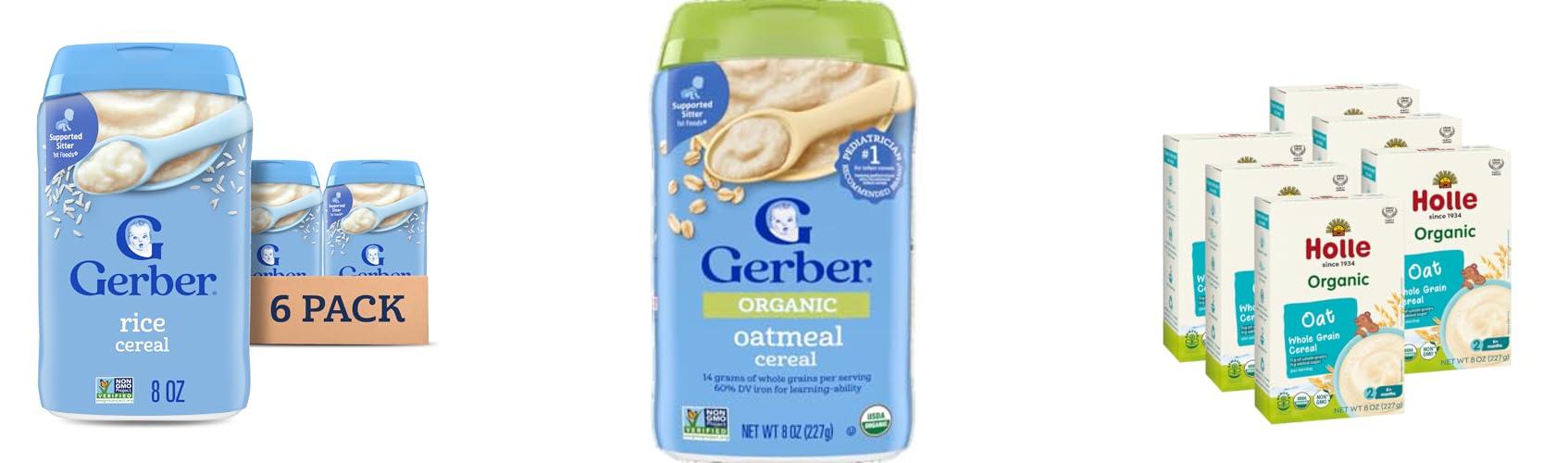
Our Top 5 Baby Cereal For 4 Month Old Recommendations at a Glance
Top 5 Baby Cereal For 4 Month Old Detailed Reviews
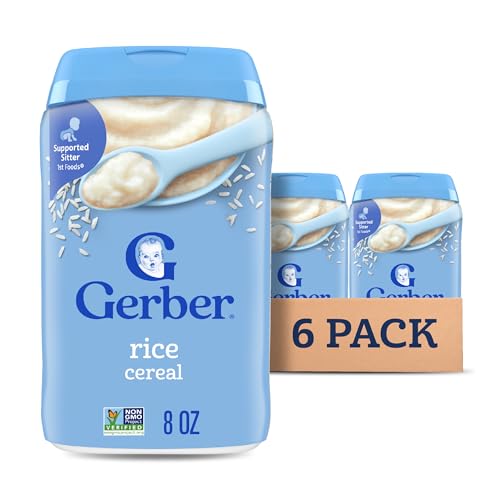
1. Gerber Stage 1 Baby Food
Rating: 9.3/10
Introducing your little one to solids is a big milestone! Gerber Stage 1 Baby Rice Cereal, a 6-pack of infant cereal fortified with Iron, Zinc, and Vitamin B12, offers a gentle and nutritious start for your supported sitter. This cereal is designed to be a practical and wholesome choice for busy parents, making mealtime easier and healthier.
What We Like:
- It’s a baby essential designed for quality and convenience.
- The cereal is packed with important nutrients: 60% of daily iron for learning, 30% of daily zinc, and 25% of daily Vitamin B12, plus other B vitamins for growth.
- It’s a perfect Stage 1 baby food, ideal for babies ready for their first solid foods.
- You can feel good knowing there are no artificial colors or flavors.
- Mixing is super quick and easy – just add breastmilk or formula to your desired consistency.
- Gerber’s “Grow With Love” promise means they provide wholesome ingredients for a smooth introduction to solids.
What Could Be Improved:
- While rice cereal is a great starting point, some parents might prefer options with more texture or variety for later stages.
- The 6-pack is convenient, but for families who might only need a smaller quantity initially, it could be a lot to store.
Gerber Stage 1 Baby Rice Cereal provides a nutrient-rich and simple introduction to solid foods. It’s a reliable choice for parents prioritizing both health and ease in their baby’s early feeding journey.
2. Gerber Stage 1 Baby Food

Rating: 8.7/10
Starting your baby’s solid food journey can feel like a big step. The Gerber Stage 1 Baby Food, Organic Baby Oatmeal Cereal, 6-Pack offers a simple and nutritious way to introduce your little one to new tastes and textures. This cereal is made with organic ingredients and designed for babies ready for their first bites.
What We Like:
- It’s made with 14 grams of whole grains per serving, giving your baby a good start.
- It provides 60% of the daily value of iron, which is important for baby’s development.
- It also offers 30% of the daily value of zinc and 25% of vitamin B12, adding extra nutritional benefits.
- The cereal is easy and quick to mix with breastmilk or formula, saving busy parents time.
- It contains no artificial colors or flavors, so you know exactly what your baby is eating.
- This oatmeal cereal is a Stage 1 baby food, perfect for babies who can sit with support.
- The 6-pack ensures you have plenty of this healthy cereal on hand.
What Could Be Improved:
- While it’s great for introducing solids, some babies might prefer a slightly smoother texture initially, which might require a bit more mixing.
- The packaging, while functional, could be easier for some parents to open and re-seal with one hand.
Gerber Organic Baby Oatmeal Cereal is a solid choice for parents seeking a wholesome and convenient first food. It provides essential nutrients and is made with simple, organic ingredients your baby will love.
3. Holle Organic Baby Cereal – Whole Grain Oat Cereal for Baby – Quick and Easy to Prepare as an Organic Baby Oatmeal for Children Over 6 Months – (6 Pack) With Fiber & Vitamin-Rich Whole Grain Kernel

Rating: 9.1/10
Introducing Holle Organic Baby Cereal – Whole Grain Oat Cereal for Baby, a nutritious and convenient option for your little one over 6 months old. This 6-pack of whole grain oat cereal is designed for quick and easy preparation, offering a wholesome start to your baby’s solid food journey.
What We Like:
- Made with 100% organic whole grain Spelt flour, grown on regenerative farms.
- Provides up to 15 grams of whole grains per serving, retaining natural vitamins, minerals, and fibers.
- Sugar-free and packed with thiamin, an important B-vitamin for energy support.
- Non-GMO and free from additives like artificial flavors.
- Quick and easy to prepare, similar to oatmeal or porridge when mixed with milk or water.
- Holle prioritizes high-quality ingredients and environmental responsibility.
- Promotes sustainable nutrition with simple recipes and no chemical processing.
What Could Be Improved:
- Availability of specific varieties might vary.
- Some parents might prefer a wider range of grain options within a single pack.
Holle Organic Baby Cereal offers a pure and simple way to nourish your baby. It’s a fantastic choice for parents seeking natural, wholesome ingredients for their growing child.
4. Gerber Stage 3 Baby Food

Rating: 8.9/10
Gerber Stage 3 Baby Food, Oatmeal Banana Strawberry Cereal, Whole Grains, Iron, Baby Oatmeal Cereal, 6-Pack offers a delicious and nutritious way to introduce your growing baby to new flavors and textures. This cereal is a convenient choice for busy parents looking for quality ingredients. It’s designed for babies 8 months and older, perfect for those starting to explore self-feeding and mashing their food.
What We Like:
- It’s packed with 6 grams of whole grains per serving, giving your baby a good start.
- It provides 60% of the daily value of iron, which is crucial for development.
- The cereal also includes 30% of the daily value of zinc and 25% of the daily value of vitamin B12, plus other B vitamins to support growth.
- It contains no artificial colors or flavors, giving parents peace of mind.
- The oatmeal is quick and easy to mix with breastmilk or formula to the perfect consistency.
- The 6-pack offers great value and ensures you won’t run out quickly.
What Could Be Improved:
- While the flavors are generally well-liked, some babies might prefer simpler flavor combinations initially.
- The texture, while appropriate for Stage 3, might require some adjustment for babies transitioning from smoother purees.
Gerber Stage 3 Oatmeal Banana Strawberry Cereal is a solid choice for parents seeking a wholesome and convenient option for their little ones. It supports key developmental milestones with essential nutrients.
5. Amara Organic Baby Food – Stage 3 – Ancient Grain – Baby Cereal to Mix With Breastmilk

Rating: 8.8/10
Feeding your little one has never been easier or healthier with Amara Organic Baby Food – Stage 3 – Ancient Grain. This innovative baby cereal is designed to be mixed with breastmilk, water, or formula, giving you the flexibility to create the perfect texture and consistency for your baby’s needs. Made with simple, organic ingredients, it offers a nutrient-dense meal that supports your baby’s development from their first bites.
What We Like:
- It’s a “superfood for super-babies” with 100% organic and non-GMO ingredients.
- You can customize the texture by mixing it with breastmilk, formula, or water, which is great for your baby’s development.
- The ingredients are simple and wholesome: organic oats, mango, strawberry, banana, and amaranth.
- Amara uses a special technology that avoids high heat processing, keeping the taste, texture, and nutrients of fresh food.
- It makes the transition to solids smooth and supports a lifetime of healthy eating habits.
- The pouches are shelf-stable, making them super convenient for busy parents on the go.
What Could Be Improved:
- While the pouches are convenient, some parents might prefer glass jars for environmental reasons.
- The variety of Stage 3 flavors could be expanded to offer even more options.
Amara Organic Baby Food offers a fantastic way to provide nutritious and convenient meals for your baby. This Ancient Grain blend is a smart choice for parents prioritizing healthy, wholesome food.
Choosing the Best First Foods: Baby Cereal for Your 4-Month-Old
Introducing solids to your little one is an exciting milestone! Around four months old, many babies start showing signs they’re ready for more than just milk. Baby cereal is often the first step, and picking the right one makes a big difference. This guide will help you navigate the options.
What to Look for in Baby Cereal
When you’re at the store, keep these key features in mind:
- Single Grain: For a baby’s first cereal, it’s best to start with a single grain. This helps you easily spot any potential allergies. Rice, oatmeal, and barley are common and good choices.
- Iron-Fortified: Babies need iron as they grow. Most baby cereals are fortified with iron, which is crucial for their development. Look for this on the packaging.
- No Added Sugars or Salt: Babies don’t need extra sugar or salt. Pure, simple ingredients are best. Check the ingredient list carefully.
- Easy to Prepare: You want a cereal that mixes smoothly with breast milk or formula. Quick and easy preparation is a lifesaver for busy parents.
Important Ingredients to Consider
The ingredients list tells you what’s inside.
- Grains: The main ingredient should be a whole grain like rice, oatmeal, or barley. These provide carbohydrates for energy.
- Vitamins and Minerals: Look for cereals that are fortified with essential nutrients like iron, zinc, and B vitamins. These support your baby’s growth and health.
- Probiotics (Optional): Some cereals include probiotics, which are good bacteria that can help with digestion. This can be a nice addition but isn’t essential for a first cereal.
What Makes Baby Cereal Better or Worse?
Several factors can influence the quality of baby cereal.
- Purity of Ingredients: Cereals made with organic, non-GMO grains are often considered higher quality. They avoid pesticides and artificial ingredients.
- Absence of Fillers: Some cereals might contain fillers or artificial flavors. These don’t add nutritional value and can be avoided. Always choose brands with short, recognizable ingredient lists.
- Texture: A smooth, fine texture is best for babies just starting solids. It’s easier for them to swallow and digest. If a cereal is too gritty, it can be hard for them to manage.
Your Baby’s First Spoonfuls: User Experience and Use Cases
- Ease of Feeding: A well-prepared cereal should be easy to spoon-feed. Your baby might take a few practice bites at first, and that’s totally normal! They are learning a new skill.
- Digestion: Watch for how your baby reacts. Some babies digest certain grains better than others. If you notice tummy troubles, you might try a different grain.
- Building New Skills: Introducing cereal helps your baby practice using their tongue to move food to the back of their mouth for swallowing. It also exposes them to new tastes and textures.
- Complementing Milk Intake: Cereal is a supplement to breast milk or formula, not a replacement. It adds extra nutrients and calories as your baby grows.
Frequently Asked Questions (FAQs)
Q: At what age can I start giving my baby cereal?
A: Most pediatricians suggest starting around 4 to 6 months old, when your baby shows signs of readiness for solids. These signs include being able to hold their head up and showing interest in food.
Q: What is the best type of cereal to start with?
A: Single-grain cereals like rice, oatmeal, or barley are excellent choices for a baby’s first food. They are less likely to cause allergic reactions.
Q: How do I prepare baby cereal?
A: You typically mix the dry cereal with breast milk, formula, or water until it reaches a smooth, thin consistency. Follow the package instructions for the right ratio.
Q: How much cereal should I give my baby?
A: Start with a very small amount, like one to two teaspoons, once a day. You can gradually increase the amount and frequency as your baby gets used to it.
Q: What if my baby doesn’t like the cereal?
A: Don’t worry! Babies have preferences, and it can take many tries for them to accept new foods. You can try a different grain, a different consistency, or wait a few days and try again.
Q: Can I add fruit or vegetables to my baby’s cereal?
A: Once your baby has tried a few single-grain cereals without issues, you can start mixing in pureed fruits or vegetables. This adds more flavor and nutrients.
Q: How do I know if my baby is allergic to cereal?
A: Signs of an allergy can include rash, hives, vomiting, diarrhea, or difficulty breathing. If you notice any of these, stop feeding the cereal and contact your pediatrician right away.
Q: Should I choose organic baby cereal?
A: Organic baby cereal is made without synthetic pesticides or fertilizers. Many parents prefer it for its purity, but it’s a personal choice.
Q: What is the difference between infant cereal and regular cereal?
A: Infant cereal is specifically made for babies. It’s finely ground, iron-fortified, and has no added sugars or salt, unlike regular cereals.
Q: When should I move on to other types of baby food?
A: Once your baby is comfortable with a few single-grain cereals and has no reactions, you can gradually introduce pureed fruits, vegetables, and then other grains.
In conclusion, every product has unique features and benefits. We hope this review helps you decide if it meets your needs. An informed choice ensures the best experience.
If you have any questions or feedback, please share them in the comments. Your input helps everyone. Thank you for reading.