
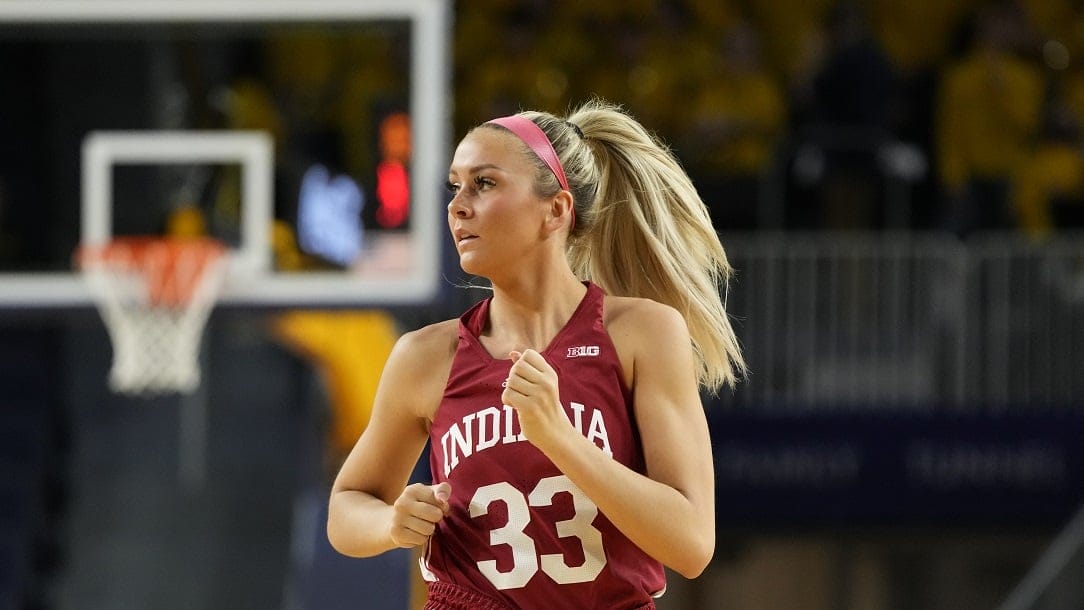
Image Source: ekcfbmsotzc.exactdn.com
How Many Quarters Is In College Basketball?
A college basketball game is played in two halves, not quarters. Each half lasts for 20 minutes of playing time.
While the question of quarters might arise from observing other sports, the structure of college basketball, particularly under NCAA Division I basketball rules, is quite distinct. The professional ranks, like the NBA, play in quarters, but college hoops game duration follows a different rhythm. This article will delve into the specifics of college basketball game structure, exploring NCAA basketball game timing, the duration of basketball game periods, and how the overall college hoops game duration is determined. We’ll also touch upon the basketball half-time length, college basketball game segments, and the NCAA tournament game format, contrasting college basketball quarters vs halves to provide a comprehensive view of the basketball playing time involved.
The Foundation: Two Halves, Not Quarters
The fundamental answer to “How many quarters is in college basketball?” is straightforward: zero. Unlike professional leagues or even some international basketball games that are divided into four quarters, college basketball operates on a two-half system. This division is a core element of NCAA basketball game timing and has been a consistent feature of the sport at the collegiate level for a significant period.
Each half in a regulation college basketball game is 20 minutes long. However, it’s crucial to remember that this 20-minute figure represents actual playing time. The clock stops whenever there is a stoppage in play, such as for fouls, out-of-bounds situations, timeouts, or during the last few minutes of each half. This “stop-clock” mechanism means that the total elapsed time from the start of a half to its conclusion is considerably longer than the 40 minutes of scheduled playing time.
Deciphering NCAA Basketball Game Timing
NCAA basketball game timing is designed to ensure a fair and strategic flow of play. The 20-minute halves are the bedrock of this timing. Here’s a breakdown of how the clock operates:
- First Half: Begins with a jump ball and runs for 20 minutes of playing time.
- Half-Time Break: A designated period between the two halves.
- Second Half: Begins with a throw-in and runs for another 20 minutes of playing time.
The clock management is a critical aspect for both players and coaches. Understanding when the clock stops and starts is essential for executing game strategies, especially in the closing stages of each half. For instance, in the final minutes of each half (typically the last 5 minutes, though this can vary slightly by specific NCAA rules or interpretations), the clock stops on all whistles, regardless of whether the ball is out of bounds or if a foul is called. This creates intense, back-and-forth action where possessions are highly valued.
Fathoming the Basketball Game Periods
The concept of “basketball game periods” in college basketball directly refers to these two 20-minute halves. There are no distinct quarter breaks that reset the game clock in the same way as in other sports. The breaks are primarily at:
- Half-time: This is the major intermission in a college basketball game.
- Timeouts: Coaches can call timeouts to strategize, rest players, or stop the momentum of the opposing team.
- Between Possessions: The clock stops between the end of one possession and the start of the next if it’s a dead ball situation.
This structure influences the pacing of the game. Teams have two distinct 20-minute blocks to build leads, make adjustments, and execute their game plans.
The College Hoops Game Duration: More Than Just 40 Minutes
When we talk about college hoops game duration, it’s important to differentiate between playing time and the total elapsed time.
- Playing Time: This is the 40 minutes of actual game clock operation (20 minutes per half).
- Elapsed Time: This is the total time from the opening tip-off to the final buzzer. This can vary significantly but often ranges from 1 hour and 30 minutes to over 2 hours, depending on the number of timeouts, fouls, and other stoppages.
The Role of the Basketball Half-Time Length
The basketball half-time length in college basketball is a significant break. Typically, the half-time break lasts for 15 minutes. This period allows players to rest, receive treatment, and for coaches to deliver important halftime adjustments. It’s also when the arena often comes alive with entertainment, especially in major college basketball venues. This distinct break between the two halves is another key difference compared to sports played in quarters, where quarter breaks are usually much shorter.
Examining College Basketball Game Segments
While not officially divided into quarters, a college basketball game can be thought of as having several key segments that contribute to its overall narrative and flow:
- Opening Segment: The initial minutes of the first half, where teams often establish their defensive intensity and offensive rhythm.
- Mid-Half Play: The bulk of each half, where strategies are implemented, and runs can be made.
- Closing Segment of the First Half: The final few minutes before halftime, which can dictate momentum going into the break.
- Opening Segment of the Second Half: Teams often come out with renewed energy after halftime.
- Closing Segment of the Second Half: The most critical part of the game, where the clock management and strategic fouling become paramount. This is often referred to as “crunch time.”
Each of these segments has its own dynamic, influenced by fatigue, score differential, and coaching decisions.
NCAA Tournament Game Format: Consistency Across the Board
The NCAA tournament game format mirrors the regular season in its core structure. Every game in the NCAA tournament, from the First Four to the championship game, adheres to the two 20-minute halves rule. This consistency ensures that all teams, regardless of their seeding or the magnitude of the game, play by the same fundamental rules regarding game timing and structure. Whether it’s a high-stakes Final Four matchup or an early-round game, the basketball playing time and the division of the game into halves remain constant.
College Basketball Quarters vs. Halves: A Comparative Glance
The distinction between college basketball quarters vs halves is a frequent point of clarification for those new to the sport or those accustomed to other basketball formats.
| Feature | College Basketball | Professional Basketball (e.g., NBA) |
|---|---|---|
| Game Division | Two 20-minute halves | Four 12-minute quarters |
| Half-time Break | Longer (typically 15 minutes) | Shorter (typically 15 minutes, but more frequent breaks) |
| Clock Stoppages | Stops on most whistles, especially late in halves | Stops on most whistles |
| Strategy Focus | Building momentum over longer periods, halftime adjustments are crucial | Tactical adjustments between quarters, managing foul situations in shorter bursts |
The fundamental difference lies in the number and length of the playing periods. The NBA’s four-quarter system allows for more frequent strategic resets and provides more opportunities for coaches to make adjustments and for players to catch their breath. College basketball’s two-half system emphasizes endurance, sustained performance, and the importance of strong halftime adjustments.
Delving Deeper into Basketball Playing Time
The actual “basketball playing time” is the most critical metric. In a regulation NCAA college basketball game, this is precisely 40 minutes. However, the nuances of when the clock stops are what truly shape the game’s duration and intensity.
- Fouls: When a foul is called, the clock stops. Free throws then follow, during which the clock remains stopped. Play resumes with a throw-in after the free throws (or after the ball is awarded to the team if no free throws are taken).
- Out of Bounds: If the ball goes out of bounds, the clock stops until the ball is legally inbounded.
- Timeouts: Called timeouts stop the clock.
- Jump Balls/Possession Arrow: When a jump ball situation occurs and the possession arrow is used to determine who gets the ball next, the clock stops.
- Substitutions: While not always a clock stoppage in professional basketball, in college basketball, the clock typically stops for substitutions, though this is less common than other stoppages.
- Last Two Minutes of Each Half: As mentioned, in the final two minutes of each half, the clock stops on all whistles, creating a more frantic and tactical ending to each period. This is a critical rule for strategic play.
These numerous stoppages contribute to the overall elapsed time, making a 40-minute playing time game often last closer to 90 minutes or more.
Addressing Overtime in College Basketball
What happens if a college basketball game is tied at the end of regulation 40 minutes? This is where overtime periods come into play.
- Overtime Period Length: Each overtime period is 5 minutes of playing time.
- Number of Overtime Periods: If the score remains tied after the first overtime period, another 5-minute overtime period is played. This continues until one team has a lead at the end of an overtime period.
- Clock Stoppages in Overtime: The same clock stoppage rules that apply to the second half of regulation also apply to overtime periods. The clock stops on all whistles.
The addition of overtime periods extends the total playing time and, consequently, the overall elapsed time of the game. Overtime games are often characterized by high drama and strategic decisions, as fatigue and pressure intensify.
Conclusion: The Two-Half Structure of Collegiate Hoops
In summary, college basketball does not use quarters. The definitive answer to “How many quarters is in college basketball?” is none. The sport at the collegiate level is structured around two 20-minute halves. This fundamental difference from other basketball formats shapes game strategy, pacing, and the overall fan experience. From the regular season to the intensity of the NCAA tournament game format, the 20-minute halves remain a constant, providing a consistent framework for basketball playing time and competition.
Frequently Asked Questions (FAQ)
Q1: Does college basketball have quarters like the NBA?
A1: No, college basketball is played in two 20-minute halves, not quarters.
Q2: How long is a half in college basketball?
A2: Each half in college basketball is 20 minutes of playing time.
Q3: When does the clock stop in college basketball?
A3: The clock stops on most whistles, including fouls, out-of-bounds plays, timeouts, and in the final two minutes of each half on all whistles.
Q4: How long is the half-time break in college basketball?
A4: The half-time break in college basketball is typically 15 minutes.
Q5: How long is an overtime period in college basketball?
A5: Each overtime period in college basketball is 5 minutes of playing time.