
Imagine the wind in your hair, the thrill of a new trail, and the satisfaction of pushing your limits. Cycling is more than just a hobby; it’s an adventure! But when you want to dive deeper into the world of two wheels, where do you turn for inspiration and information? Choosing the perfect cycling magazine can feel like navigating a tricky mountain pass – there are so many choices, and it’s hard to know which one will lead you to the best insights.
You might feel overwhelmed by the sheer number of magazines out there. Do you want to learn about the latest bike tech, discover epic routes, or get tips to improve your riding? Finding a magazine that truly speaks to your passion can be a challenge. Many magazines focus too much on professionals or are filled with confusing jargon. You deserve a resource that makes cycling accessible and exciting for everyone.
This post is your guide to finding the cycling magazine that fits you best. We’ll explore what makes a great cycling publication and help you discover the magazines that will fuel your next ride. Get ready to unlock a world of cycling knowledge, inspiring stories, and practical advice that will take your cycling journey to the next level. Let’s find your perfect cycling read!
Our Top 5 Cycling Magazine Recommendations at a Glance
Top 5 Cycling Magazine Detailed Reviews
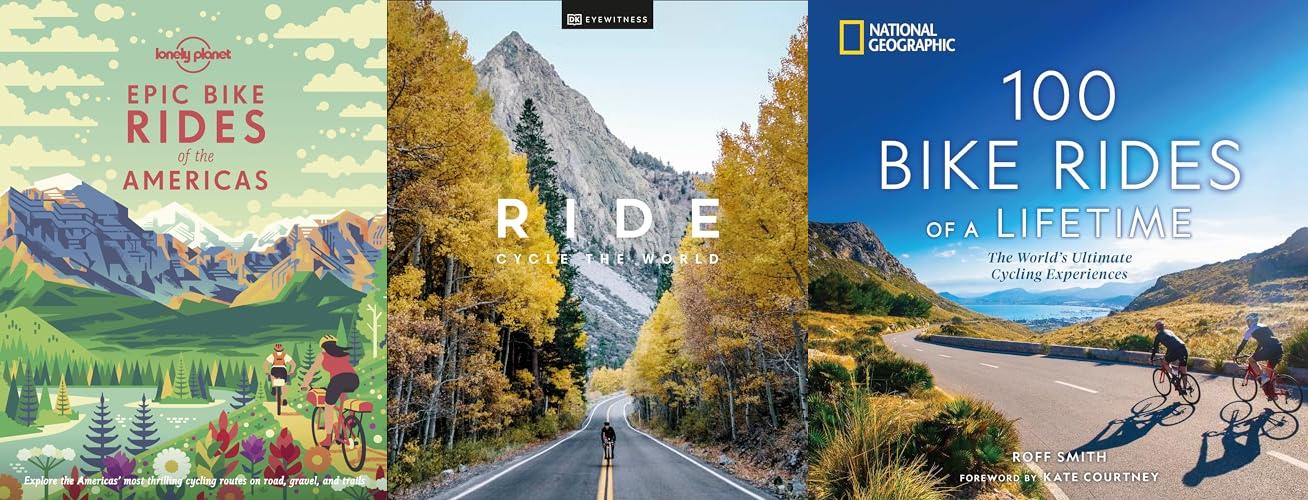
1. Lonely Planet Epic Bike Rides of the Americas

Rating: 9.3/10
Dreaming of hitting the open road on two wheels? “Lonely Planet Epic Bike Rides of the Americas” is your ultimate guide to unforgettable cycling adventures across North, Central, and South America. This book showcases a stunning collection of the continent’s most awe-inspiring cycling routes, from coastal paths to mountain trails. It’s packed with vibrant photos and practical advice, inspiring you to plan your next big trip.
What We Like:
- Incredible variety of routes for all skill levels.
- Beautiful photography that sparks wanderlust.
- Helpful tips on planning and preparation for each ride.
- Inspiring stories and local insights add depth to the journeys.
- Makes it easy to discover hidden gems and popular cycling destinations.
What Could Be Improved:
- More detailed topographical maps for every route would be beneficial.
- Information on accommodation and bike rental services could be expanded.
- Digital companion app with GPS tracks would enhance usability.
This book is an essential resource for any cyclist eager to explore the Americas. It truly makes planning your dream bike trip a thrilling adventure in itself.
2. Ride: Cycle the World

Rating: 9.0/10
Get ready to explore the globe on two wheels with “Ride: Cycle the World”! This exciting product invites you on an epic cycling adventure, letting you discover breathtaking landscapes and vibrant cultures from your own home. Imagine pedaling through bustling city streets, serene countryside paths, and challenging mountain trails, all without leaving your living room. It’s a fantastic way to stay active and see amazing places.
What We Like:
- It offers a huge variety of locations to cycle through.
- The experience feels very real and exciting.
- You can exercise while having fun and learning about new places.
- It’s a great way to stay motivated to work out.
What Could Be Improved:
- Sometimes the controls can be a little tricky to get used to.
- More interactive elements would make it even better.
- The ability to customize your bike could be added.
Overall, “Ride: Cycle the World” provides an immersive and enjoyable way to experience cycling adventures. It’s a fun way to explore and stay fit.
3. 100 Bike Rides of a Lifetime: The World’s Ultimate Cycling Experiences (100 of a Lifetime)

Rating: 9.1/10
Dreaming of epic bike adventures? “100 Bike Rides of a Lifetime: The World’s Ultimate Cycling Experiences” is your passport to some of the most incredible cycling journeys on Earth. This book showcases amazing routes, from scenic mountain trails to breathtaking coastal paths. It inspires you to plan your next big ride. You’ll discover places you never knew existed.
What We Like:
- Inspiring collection of diverse bike routes from around the globe.
- Beautiful photography that sparks wanderlust and excitement for cycling.
- Provides a great starting point for planning dream cycling vacations.
- Covers a wide range of difficulty levels, appealing to many types of cyclists.
- The title itself promises unforgettable experiences.
What Could Be Improved:
- Specific route details like distances, elevation, and best times to visit are not provided.
- Practical advice on gear, accommodation, or local transport for each ride is missing.
- Navigation information or maps are not included.
- The “N/A” for features suggests it’s a purely inspirational guide, lacking practical planning tools.
This book is a fantastic source of inspiration for any cyclist looking for their next grand adventure. It ignites the imagination and encourages you to explore the world on two wheels.
4. Cyclist – Climb: The most epic cycling ascents in the world

Rating: 9.0/10
Cyclist – Climb: The most epic cycling ascents in the world is a book that will take you on a journey to some of the most challenging and beautiful places to ride a bike. It’s filled with amazing pictures and stories about famous climbs. You’ll learn about the history and the people who have conquered these legendary routes. This book is like a passport for your imagination, letting you explore the world’s toughest hills without ever leaving your home.
What We Like:
- Inspiring stories and stunning photographs of famous cycling climbs.
- Educates readers about the history and challenges of these ascents.
- Provides a sense of adventure and wanderlust for cyclists.
- Great for dreaming about future cycling trips.
What Could Be Improved:
- Lacks interactive elements like maps or route details for actual planning.
- Limited practical advice for cyclists looking to tackle these climbs themselves.
- No mention of the gear or training needed for these epic ascents.
This book truly captures the spirit of cycling adventure. It’s a fantastic read for anyone who loves bikes and dreams of conquering the world’s greatest climbs.
5. Cyclist Ride: The greatest cycling routes in the world

Rating: 9.3/10
Cyclist Ride: The greatest cycling routes in the world isn’t just a book; it’s your passport to adventure on two wheels. It guides you through stunning landscapes and challenging paths. Discover famous trails and hidden gems. This guide sparks your wanderlust and fuels your passion for cycling.
What We Like:
- Inspiring collection of amazing cycling routes from around the globe.
- Beautiful pictures that make you want to pack your bags immediately.
- Detailed descriptions of each route, helping you plan your dream trip.
- Great for both experienced cyclists and those dreaming of their first big ride.
- Provides a fantastic overview of diverse cycling experiences.
What Could Be Improved:
- Lacks detailed maps for every single route, which would be very helpful for navigation.
- Could include more practical tips on bike rental or local transport for some locations.
- Information on difficulty levels could be more standardized across all routes.
- No digital version is available, limiting accessibility for some readers.
This book is an excellent source of inspiration for any cyclist. It truly opens up a world of possibilities for your next adventure.
Your Next Bike: A Buying Guide from Cycling Magazine
Thinking about buying a new bike? That’s exciting! A new bike can open up a world of fun and adventure. Whether you want to race, explore trails, or just cruise around town, the right bike makes all the difference. Cycling Magazine is here to help you find your perfect ride.
1. Key Features to Look For
When you’re looking at bikes, pay attention to these important parts.
Frame Material
The frame is the bike’s skeleton. It needs to be strong and light.
- Aluminum: This is a popular choice. It’s strong, rust-resistant, and not too heavy. It’s a good balance of price and performance.
- Steel: Steel bikes are known for their smooth ride. They can be a bit heavier than aluminum. They are also very durable.
- Carbon Fiber: This is the lightest and strongest material. It’s also the most expensive. Carbon fiber bikes are great for racing and high performance.
Gears (Drivetrain)
Gears help you pedal easier on hills and go faster on flat roads. Most bikes have between 7 and 24 gears. More gears give you more options.
Brakes
Good brakes keep you safe. There are two main types:
- Rim Brakes: These squeeze the wheel rim. They are common and work well in dry weather.
- Disc Brakes: These squeeze a rotor attached to the wheel hub. They offer better stopping power, especially in wet conditions.
Suspension
Suspension soaks up bumps. It makes your ride smoother, especially on rough terrain.
- No Suspension: Found on road bikes. They are light and fast.
- Front Suspension (Hardtail): Found on many mountain bikes. It smooths out the front of the bike.
- Full Suspension: Found on some mountain bikes. It has suspension in both the front and rear. It offers the most comfort on rough trails.
2. Important Materials
Besides the frame, other parts are made of different materials.
- Tires: Rubber is key here. Different tire treads work best on different surfaces.
- Handlebars and Seatpost: These can be aluminum, steel, or carbon fiber.
- Wheels: Rims are often aluminum. Spokes are usually steel.
3. Factors That Improve or Reduce Quality
Some things make a bike better, and some can make it worse.
Quality Boosters:
- Reputable Brands: Well-known bike companies often use better parts and build their bikes with more care.
- Higher-End Components: Brands like Shimano and SRAM make gears and brakes. Higher-number series (like Shimano Deore or Ultegra) are generally better.
- Good Assembly: A bike that’s put together well will ride better and last longer.
Quality Reducers:
- Cheap, Generic Parts: Bikes with unbranded or very low-quality components might not last long.
- Poor Welding or Construction: Look for clean welds on the frame. Sloppy work can mean a weaker frame.
- Heavy Frames: A heavier frame can make pedaling harder.
4. User Experience and Use Cases
Think about how you will use your bike.
Road Bikes:
These are for speed on paved roads. They have thin tires and dropped handlebars. Cyclists use them for fitness, commuting, and racing.
Mountain Bikes:
These are for off-road trails. They have knobby tires, suspension, and flat handlebars. Riders use them for exploring dirt paths and tackling rough terrain.
Hybrid Bikes:
These are a mix of road and mountain bikes. They are good for general riding, commuting, and light trail use. They offer a comfortable, upright riding position.
Cruiser Bikes:
These are for relaxed riding. They have wide tires, comfortable seats, and upright handlebars. They are great for casual rides around the neighborhood or beach paths.
Frequently Asked Questions
Q: What is the most important feature on a bike?
A: The frame is the most important. It affects the bike’s strength, weight, and how it rides.
Q: Should I get disc brakes or rim brakes?
A: Disc brakes offer better stopping power, especially in bad weather. Rim brakes are good for dry conditions and are often less expensive.
Q: How many gears do I need?
A: Most casual riders are fine with 7-10 gears. Serious cyclists or those riding in very hilly areas might want more.
Q: Is carbon fiber worth the extra cost?
A: If you are a serious cyclist who wants the lightest and fastest bike, yes. For most people, aluminum is a great choice.
Q: What is the difference between a hardtail and a full-suspension mountain bike?
A: A hardtail only has front suspension. A full-suspension bike has suspension in both the front and rear, offering a smoother ride on very rough trails.
Q: How do I know what size bike I need?
A: Bike shops can help you find the right size. It depends on your height and inseam.
Q: Can I use a mountain bike on the road?
A: Yes, but it will be slower and less efficient than a road bike due to the knobby tires and suspension.
Q: What does “drivetrain” mean?
A: The drivetrain includes all the parts that make the bike move, like the pedals, chain, and gears.
Q: Are used bikes a good option?
A: Yes, you can find great deals on used bikes. Just make sure to inspect them carefully for any damage.
Q: How much should I expect to spend on a good bike?
A: For a quality entry-level bike, you can expect to spend around $500 to $1000. High-end bikes can cost several thousand dollars.
In conclusion, every product has unique features and benefits. We hope this review helps you decide if it meets your needs. An informed choice ensures the best experience.
If you have any questions or feedback, please share them in the comments. Your input helps everyone. Thank you for reading.