
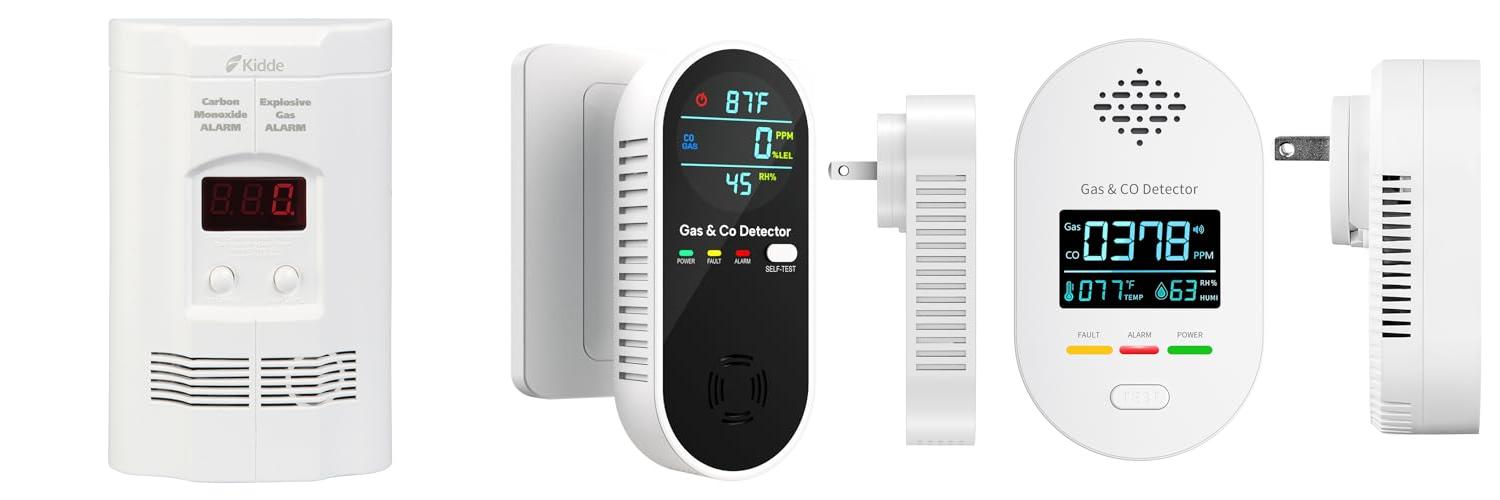
Did you know that a colorless, odorless gas can pose a serious threat to your family’s safety right inside your own home? Carbon monoxide (CO) is often called the “silent killer” because you can’t see, smell, or taste it. This invisible danger comes from burning fuels like natural gas, propane, and even wood. And it’s not just CO – other fuel-burning appliances can also release harmful gases.
Choosing the right carbon monoxide and gas detector can feel overwhelming. So many brands and features can make your head spin! You want to protect your loved ones, but picking the best device for your needs adds stress. What if you choose the wrong one and it doesn’t work when you need it most? That’s a scary thought.
This post will cut through the confusion. We’ll explain what these detectors do in simple terms and guide you through the most important things to look for. By the end, you’ll feel confident in choosing a detector that gives you peace of mind. Let’s make sure your home is a safe haven.
Our Top 5 Carbon Monoxide And Gas Detector Recommendations at a Glance
Top 5 Carbon Monoxide And Gas Detector Detailed Reviews
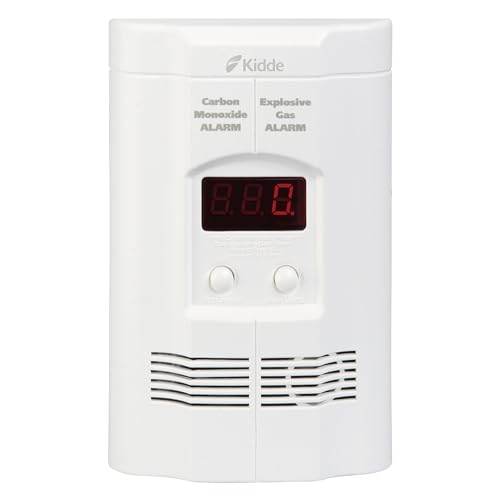
1. Kidde Carbon Monoxide Detector
Rating: 8.9/10
The Kidde Carbon Monoxide Detector, Propane, Natural, Methane, & Explosive Gas Alarm is a smart choice for keeping your home safe. It detects dangerous gases like carbon monoxide and explosive gases, giving you peace of mind. This alarm plugs right into a wall outlet, making it super easy to set up.
What We Like:
- It’s incredibly easy to install. Just plug it into any standard 120V outlet.
- A 9-volt battery backup means it keeps working even if the power goes out.
- The digital LED display clearly shows you the carbon monoxide level or if explosive gas is detected.
- A loud 85-decibel alarm will alert you immediately to danger.
- It remembers the highest level of carbon monoxide detected, so you know if there was a past problem.
What Could Be Improved:
- The unit only covers one room. You’ll need multiple alarms for a larger home.
- The digital display could be a little brighter for easier reading in dim light.
This Kidde alarm offers robust protection with simple operation. It’s a reliable guardian for your family’s safety.
2. 4-in-1 Upgraded Natural Gas Leak Detector and Carbon Monoxide Detectors

Rating: 8.8/10
Keep your living space safe and sound with this 4-in-1 Upgraded Natural Gas Leak Detector and Carbon Monoxide Detector. This handy device plugs right into your wall and works hard to protect you and your family from dangerous gases, while also keeping an eye on your home’s temperature and humidity levels.
What We Like:
- 4-in-1 Detection: It checks for natural gas, carbon monoxide, temperature, and humidity all at once.
- Fast Alerts: You get loud sound alarms and flashing red lights when dangerous gas levels are detected, so you know right away.
- Energy Saving: It uses very little electricity and its sensors last a long time, which is good for your wallet and the planet.
- Easy to Read Display: The clear color screen shows you the exact levels of CO and natural gas.
- Versatile Use: It’s small and works great in homes, RVs, hotels, and even cruise ship cabins.
What Could Be Improved:
- Setup Time: It needs about 180 seconds to calibrate after plugging in, and 30 minutes to get accurate temperature and humidity readings.
This detector offers comprehensive safety in a simple, plug-and-play design. It’s a smart choice for anyone wanting peace of mind in their home or while traveling.
3. Carbon Monoxide Detectors

Rating: 9.4/10
Introducing the 4-in-1 CO & Gas Detector, your all-in-one solution for comprehensive home and travel safety. This smart device offers real-time monitoring of carbon monoxide, combustible gases, temperature, and humidity, giving you complete peace of mind wherever you are.
What We Like:
- The large, clear digital display shows carbon monoxide (PPM), combustible gas (%LEL), temperature (°F), and humidity (RH%) all at once. This makes it easy to understand your air quality.
- It uses upgraded, professional sensors. These sensors provide fast, accurate, and reliable detection of dangerous gases and CO.
- You get instant alerts with an 85dB audible alarm and a visual warning. This immediately lets you know if there’s a problem.
- It provides 24/7 monitoring. This helps prevent accidents from gas leaks or poor ventilation.
- This detector is great for many places. Use it in homes, apartments, kitchens, basements, and even when you travel.
- It detects various combustible gases like natural gas, propane, methane, and more.
What Could Be Improved:
- The initial setup requires a 60-second countdown after plugging in. While it indicates normal operation, a quicker startup might be preferred by some.
This 4-in-1 detector is an essential safety tool. It offers advanced protection and valuable environmental data, making it a smart investment for any home or travel kit.
4. 4-in-1 Portable Carbon Monoxide Detectors Plug in – Natural Gas Leak Detector

Rating: 8.6/10
Stay safe and informed with the 4-in-1 Portable Carbon Monoxide Detector! This handy device is your all-in-one solution for detecting dangers like carbon monoxide and natural gas leaks. It also keeps an eye on your room’s temperature and humidity, giving you peace of mind whether you’re at home, in your RV, or traveling.
What We Like:
- It checks for four things: carbon monoxide, natural gas, methane, temperature, and humidity. This is a lot of protection in one small gadget!
- It has two strong sensors that quickly find dangerous gas levels.
- When it senses trouble, it makes a loud 85dB alarm sound and flashes a red light so you know right away.
- You just plug it into any regular wall outlet – no confusing setup needed.
- It uses very little electricity, so it’s good for your wallet and the planet.
- The bright, full-color screen shows you all the readings clearly, like CO levels, gas amounts, temperature, and humidity.
- It’s small and light, making it super easy to take with you anywhere.
What Could Be Improved:
- While it’s great for detecting, it doesn’t have a battery backup, so if the power goes out, it won’t work.
- The highest CO reading it shows is 200 PPM, which might not be enough for extremely high levels.
This detector offers great value and comprehensive safety features in a compact design. It’s a smart choice for anyone wanting an extra layer of security for their living space.
5. FIRST ALERT Combination Explosive Gas and Carbon Monoxide Alarm with Backlit Digital Display

Rating: 9.2/10
The FIRST ALERT Combination Explosive Gas and Carbon Monoxide Alarm with Backlit Digital Display, GCO1CN offers three-way protection for your home. It detects dangerous levels of natural gas, propane, and carbon monoxide. This alarm makes it easy to stay safe.
What We Like:
- It detects three types of dangerous gases: natural gas, methane, and propane.
- It also detects carbon monoxide, a dangerous and odorless gas.
- The backlit digital display shows you the current and highest gas levels.
- You can silence the alarm from across the room with most household remotes!
- It plugs into any wall outlet and has a backup battery. This means it works even if the power goes out.
- The alarm is very loud at 85 decibels, so you will hear it.
- It uses a highly accurate electrochemical sensor for carbon monoxide detection.
- There’s a test button to check if it’s working.
- It warns you when the battery is low.
What Could Be Improved:
- It requires a nearby AC outlet for power.
- The remote muting feature works with *most* household remotes, but not all.
This alarm provides comprehensive safety for your family. It gives you peace of mind with its easy-to-use features and reliable detection.
Your Essential Guide to Carbon Monoxide and Gas Detectors
Protecting your home and family from invisible dangers is crucial. Carbon monoxide (CO) and natural gas leaks are serious threats. A reliable detector is a must-have safety device. This guide will help you choose the best one for your needs.
What to Look For: Key Features
1. Detection Capabilities
- Carbon Monoxide (CO) Detection: This is the most important feature. CO is a colorless, odorless gas produced by burning fuels like natural gas, propane, and wood. It can be deadly.
- Natural Gas/Methane Detection: Many detectors also sense natural gas leaks. This is vital if you use natural gas for cooking, heating, or appliances.
- Propane Detection: Some advanced models can also detect propane, which is common in RVs and some homes without natural gas lines.
- Combined Detection: Look for units that detect both CO and at least one type of gas for comprehensive protection.
2. Power Source
- Battery-Powered: These are easy to install anywhere. However, you must remember to replace the batteries regularly.
- Plug-In with Battery Backup: These detectors plug into a wall outlet and have a battery backup in case of a power outage. This offers continuous protection.
- Hardwired: These are connected directly to your home’s electrical system. They often require professional installation but offer the most reliable power. Many also have battery backups.
3. Alarm Features
- Loud Audible Alarm: The alarm needs to be loud enough (usually 85 decibels) to wake sleeping people.
- Digital Display: Some detectors show the CO level in parts per million (PPM). This helps you understand the severity of the situation.
- Voice Alerts: More advanced models speak to you, telling you the type of danger and where it is.
- Smart Home Integration: Some detectors connect to your Wi-Fi. They can send alerts to your smartphone, even when you’re away from home.
4. Lifespan and Maintenance
- Sensor Lifespan: CO and gas sensors don’t last forever. Most have a lifespan of 5-10 years. Check the product details for this information.
- End-of-Life Warning: A good detector will alert you when it’s time to replace it.
- Test Button: Regularly test your detector to ensure it’s working properly.
Important Materials and Quality Indicators
Detectors are typically made from durable plastics. The quality of the internal sensors is what truly matters. Higher-quality sensors are more accurate and last longer. Look for certifications from organizations like UL (Underwriters Laboratories) or CSA (Canadian Standards Association). These certifications mean the product has met strict safety standards.
Factors That Affect Quality
Improving Quality:
- Reputable Brands: Choose brands known for their safety products.
- Certifications: UL or CSA listed products are generally higher quality.
- Multiple Sensor Types: Detectors that sense both CO and gas offer better protection.
- Digital Displays and Voice Alerts: These provide clearer information during an emergency.
Reducing Quality:
- Cheap, Unbranded Products: These may not be reliable or meet safety standards.
- Lack of Certifications: Always look for safety certifications.
- Short Sensor Lifespan: A detector that needs frequent replacement might be less cost-effective in the long run.
User Experience and Use Cases
Using a carbon monoxide and gas detector is simple. Most plug-in or battery-powered models are ready to go after installation. Hardwired units may need an electrician. Place detectors on each level of your home, especially near sleeping areas and fuel-burning appliances. They are essential for homes with furnaces, water heaters, fireplaces, gas stoves, and cars parked in attached garages.
Frequently Asked Questions (FAQ)
Q: What is the most important feature of a CO and gas detector?
A: The most important feature is its ability to accurately detect carbon monoxide. This is a silent killer.
Q: How often should I test my detector?
A: You should test your detector at least once a month using the test button.
Q: Where should I install a detector?
A: Install detectors on every level of your home, including basements and hallways outside sleeping areas. Also, place them near fuel-burning appliances.
Q: How long do these detectors last?
A: Most detectors have a lifespan of 5 to 10 years. Always check the manufacturer’s information.
Q: Can a CO detector also detect natural gas?
A: Some detectors are combined units that can sense both carbon monoxide and natural gas. You need to check the product specifications.
Q: What does a digital display on a CO detector show?
A: A digital display often shows the current level of carbon monoxide in parts per million (PPM).
Q: Why is a battery backup important?
A: A battery backup ensures your detector continues to work even if the power goes out.
Q: What are UL and CSA certifications?
A: These are safety certifications that mean the product has met strict testing standards for safety and performance.
Q: Do I need a separate detector for propane?
A: If you use propane, look for a detector specifically designed to sense propane, or a multi-gas detector that includes propane detection.
Q: How do I know when to replace my detector?
A: Most detectors will sound a specific alarm or have a light indicator to let you know when it’s time for a replacement.
In conclusion, every product has unique features and benefits. We hope this review helps you decide if it meets your needs. An informed choice ensures the best experience.
If you have any questions or feedback, please share them in the comments. Your input helps everyone. Thank you for reading.