
What is the correct psi for a basketball? The correct psi for a basketball is typically between 7 and 9 pounds per square inch (psi).
Getting the basketball tire pressure right is key to playing your best game. Too little air, and the ball feels soft, making it hard to dribble and shoot accurately. Too much air, and it’s like trying to control a rock – it bounces too high and can be painful to handle. Finding that sweet spot, the recommended psi for basketball, ensures the ball behaves as it should, giving players the best experience on the court. This isn’t just about comfort; it directly impacts ball control, bounce height, and the overall integrity of the game.
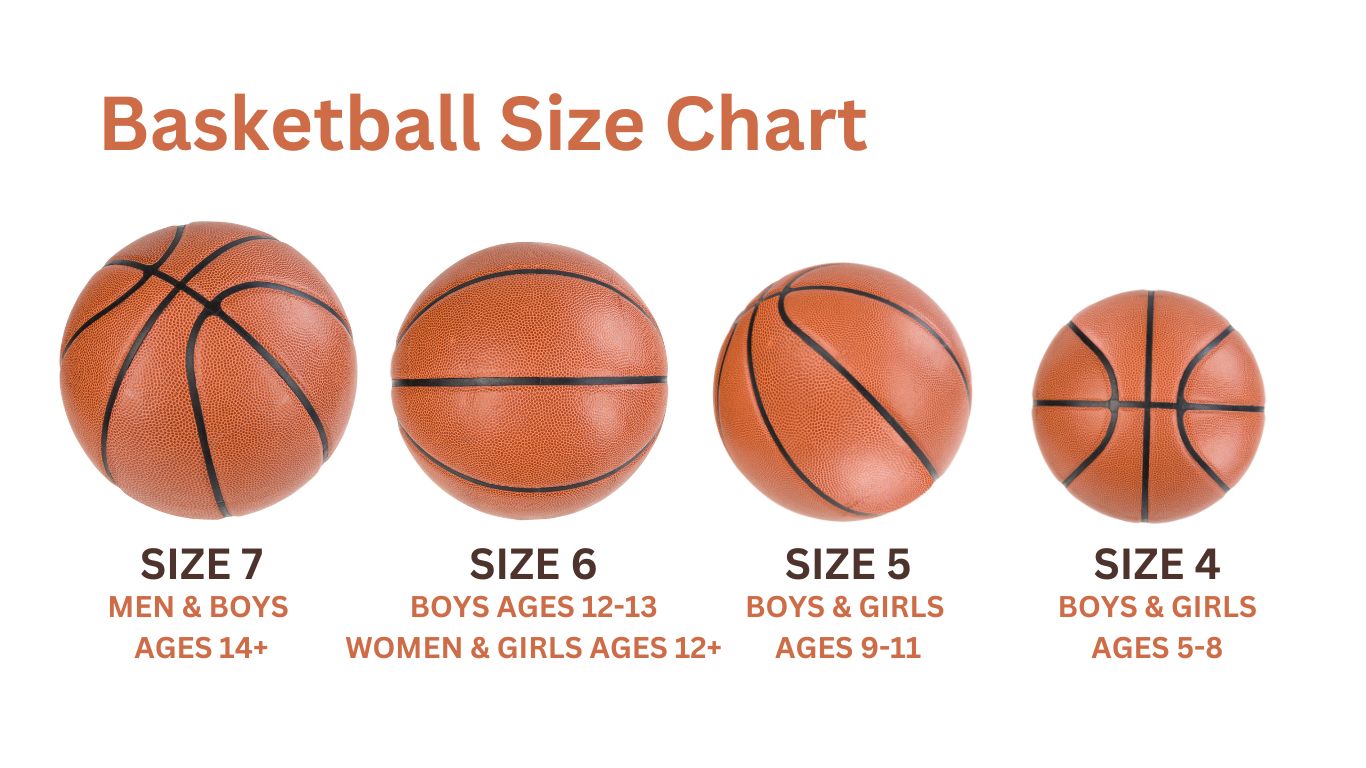
Image Source: 149347557.v2.pressablecdn.com
The Science Behind the Bounce: Why Pressure Matters
A basketball is more than just a sphere filled with air; it’s a carefully engineered piece of sporting equipment. The basketball inflation pressure is crucial because it dictates how the ball interacts with the court surface and your hands. When a basketball hits the ground, the air inside is compressed. The amount of compression and the subsequent release of energy determine the ball’s bounce.
- Too little air: A deflated ball won’t bounce back effectively. It will feel “dead” and require more effort to dribble. This can lead to fumbled balls and a frustrating playing experience.
- Too much air: An overinflated ball will bounce too high and too quickly. It will be difficult to control, making passes erratic and shots unpredictable. It can also put undue stress on the bladder and seams, potentially leading to damage.
The basketball air pressure is a delicate balance that directly affects every aspect of play, from dribbling to shooting and even passing.
What is the Correct PSI for Basketball?
As mentioned, the generally accepted correct psi for basketball is between 7 and 9 psi. This range is designed to provide optimal bounce and feel for most players and playing conditions.
Many basketball manufacturers, including Spalding, Wilson, and Nike, will often print the recommended pressure directly onto the basketball itself. This is usually found near the valve stem. It’s always a good first step to check your ball for this information.
However, this 7-9 psi range is a guideline. Personal preference and the specific type of court you’re playing on can influence what feels “perfect” to you.
Finding Your Basketball Ball Bounce Pressure: The Official Standards
The official rules for professional basketball leagues, such as the NBA and WNBA, provide specific guidelines for ball pressure to ensure a consistent and fair game. While players in a pickup game might not adhere to these rigidly, they offer a benchmark for optimal psi basketball.
According to NBA rules:
- The basketball shall be inflated to a pressure of not less than 7.5 pounds and not more than 8.5 pounds per square inch (psi).
- The circumference of the ball shall be between 29.5 and 30 inches.
These regulations are in place to ensure that the ball’s performance is predictable and fair for all competitors. The basketball ball bounce pressure within this range allows for a good combination of control and responsiveness.
Why the 7-9 PSI Range is So Important
The recommended psi for basketball within the 7-9 range is not arbitrary. It’s based on extensive testing and player feedback to achieve several critical performance characteristics:
- Consistent Bounce: A ball inflated within this range will consistently bounce to about half the height from which it is dropped. For example, if you drop the ball from shoulder height, it should bounce back up to waist height. This predictable bounce is essential for dribbling, rebounding, and executing offensive plays.
- Good Grip and Feel: The right pressure provides a firm yet pliable feel, allowing players to grip the ball securely. This is vital for executing crossovers, spin moves, and accurate shooting.
- Durability: Over-inflating a ball can stress its internal components, like the bladder and seams, making it more prone to damage or even bursting. Under-inflating it can lead to a loss of shape and a less responsive bounce. The recommended range helps maintain the ball’s structural integrity.
- Player Comfort: A ball that is too hard can be uncomfortable to catch and handle, especially for younger players or those with less hand strength. The 7-9 psi range offers a good balance of firmness without being overly rigid.
Factors Influencing Your Perfect Basketball Pressure
While the 7-9 psi range is a solid starting point, several factors can influence what you might consider the perfect basketball ball pressure gauge reading for your needs:
Playing Surface
- Indoor Courts: Indoor courts are typically smooth and consistent. The standard 7-9 psi range works exceptionally well here, providing a predictable bounce.
- Outdoor Courts: Outdoor courts, especially asphalt or concrete, can be rougher. Some players might prefer a slightly softer feel (closer to 7 psi) on these surfaces. This can offer a bit more cushioning for the ball and hands, and potentially a slightly less erratic bounce on uneven surfaces. However, going too low can still hinder performance.
Player Preference and Skill Level
- Beginners: Younger or less experienced players might find a slightly lower pressure (around 7 psi) more manageable. A softer ball can be easier to grip and control, reducing frustration as they develop their skills.
- Advanced Players: More experienced players might prefer the upper end of the range (8-9 psi) for a snappier bounce and quicker response, especially in fast-paced games. This allows for faster dribbling and quicker passes.
- Personal Feel: Ultimately, what feels right in your hands is important. Some players just prefer a slightly firmer or softer ball. Experimenting within the 7-9 psi range will help you find your personal preference.
Ambient Temperature
Temperature can affect the basketball air pressure. Air expands when it’s warm and contracts when it’s cold.
- Warm Weather: If you inflate your ball on a cool day and then play on a very hot day, the air inside will expand, increasing the pressure.
- Cold Weather: Conversely, if you inflate your ball on a hot day and then play on a cold day, the air will contract, decreasing the pressure.
It’s a good idea to check your basketball pumping psi periodically, especially if you play in environments with significant temperature fluctuations. A ball that feels perfect at 75°F might feel slightly too hard at 95°F or too soft at 50°F.
How to Inflate a Basketball Correctly
Knowing how much psi is ideal is one thing; actually getting the ball to that pressure is another. Proper how to inflate basketball technique ensures you don’t damage the ball or over/under-inflate it.
What You’ll Need:
- Basketball Pump: A standard hand pump or electric pump designed for sports balls.
- Needle Adapter: Most pumps come with these, but ensure you have one that fits a basketball valve.
- Basketball Ball Pressure Gauge: This is crucial for accuracy. Trying to guess the pressure by feel is rarely accurate.
Steps for Inflation:
- Moisten the Needle: Before inserting the needle into the ball’s valve, moisten the tip of the needle with water or saliva. This helps it slide in easily and prevents damage to the valve’s inner seal.
- Insert the Needle: Gently insert the moistened needle straight into the valve stem. Avoid wiggling or forcing it.
- Attach the Pump: Connect your pump to the needle.
- Pump Gradually and Check Pressure: Begin pumping air into the ball. Use your basketball ball pressure gauge to monitor the pressure as you pump. Inflate in short bursts and check the pressure frequently.
- Reach the Target PSI: Stop pumping when the gauge indicates the desired psi (within the 7-9 psi range).
- Remove the Needle: Once the correct pressure is reached, gently pull the needle straight out of the valve.
- Test the Bounce: Drop the ball from about waist height onto a hard surface. It should bounce back up to approximately waist height. This is a good practical test.
Common Mistakes to Avoid When Inflating:
- Using a Dry Needle: This can damage the valve and cause air leaks.
- Forcing the Needle: If the needle doesn’t go in easily, re-moisten it or ensure it’s inserted straight.
- Over-Inflating: Continuously pumping without checking the gauge can quickly lead to over-inflation.
- Using the Wrong Gauge: Ensure your gauge is calibrated for psi.
- Leaving the Needle In: Always remove the needle after inflating.
Using a Basketball Ball Pressure Gauge: The Key to Accuracy
A basketball ball pressure gauge is an indispensable tool for anyone who wants to maintain their basketball at its optimal level. These gauges are relatively inexpensive and can be found at most sporting goods stores.
Types of Gauges:
- Dial Gauges: These are the most common type. They have a needle that moves across a dial to indicate the pressure. They are generally reliable and easy to use.
- Digital Gauges: These offer a precise digital reading of the pressure. They can be more expensive but provide a clear and accurate measurement.
How to Use a Gauge:
- Ensure the Gauge is Zeroed: Before attaching it, make sure the gauge reads zero.
- Attach to the Valve: Remove the pump needle and attach the pressure gauge directly to the ball’s valve stem.
- Read the Pressure: The gauge will instantly display the current basketball inflation pressure.
- Adjust as Needed: If the pressure is too low, attach the pump and add air, checking the gauge frequently. If the pressure is too high, you can gently release air by pressing the tip of the needle (or a specialized release valve on some gauges) against the ball’s valve stem.
Regularly checking your basketball’s pressure with a gauge will help you maintain consistent performance and prolong the life of your ball.
When to Re-inflate Your Basketball
Basketballs naturally lose air over time. How often you need to re-inflate depends on several factors:
- Frequency of Use: A ball used daily will lose air faster than one used occasionally.
- Quality of the Ball: Higher-quality basketballs with better bladder construction tend to hold air longer.
- Storage Conditions: Extreme temperature changes can affect air pressure.
- Valve Condition: A damaged valve will lead to faster air loss.
A good rule of thumb is to check your basketball’s pressure at least once a month, or before any important game or practice. If the ball doesn’t bounce back to about waist height when dropped from shoulder height, it’s likely time to add some air.
Troubleshooting Common Basketball Pressure Issues
- Ball feels too soft and doesn’t bounce well: Likely needs more air. Check the pressure and inflate to the desired range.
- Ball feels hard and bounces too high: Likely over-inflated. Release some air using the needle and check the pressure.
- Ball loses air quickly:
- Check the valve for any visible damage.
- Ensure the needle is inserted correctly and not causing a leak.
- If the ball consistently loses air, the bladder might be compromised, and the ball may need to be replaced.
The Impact of Air Pressure on Different Types of Basketballs
While the 7-9 psi range is a general guideline, there might be slight variations in optimal pressure depending on the type of basketball:
- Indoor Leather Basketballs: These are often the highest quality and are designed for optimal performance on polished indoor courts. They typically perform best within the standard 7-9 psi range.
- Outdoor Rubber/Composite Basketballs: These balls are built for durability on rougher surfaces. While still aiming for the 7-9 psi range, some players might slightly adjust based on preference for a slightly softer feel on concrete or asphalt. However, avoid deflating them too much, as this can lead to a less predictable bounce and potential deformation.
- Youth Basketballs: These are often smaller and lighter. While the psi range remains similar, ensuring it’s not too hard is paramount for young players’ development and enjoyment. Checking for that waist-to-waist bounce is a good indicator.
Frequently Asked Questions (FAQ)
Q: What is the correct psi for a basketball?
A: The correct psi for a basketball is generally between 7 and 9 pounds per square inch (psi).
Q: Where can I find the recommended psi for my basketball?
A: Check the basketball itself, usually near the valve stem. Manufacturers often print the recommended pressure there.
Q: How often should I check my basketball’s pressure?
A: It’s recommended to check your basketball’s pressure at least once a month or before important games and practices.
Q: My basketball feels hard and bounces too high. What should I do?
A: Your basketball is likely over-inflated. Use a basketball ball pressure gauge to check the psi and release some air if it’s above 9 psi.
Q: My basketball feels soft and doesn’t bounce well. What’s the issue?
A: Your basketball is likely under-inflated. Use a basketball pump and a pressure gauge to inflate it to the recommended 7-9 psi range.
Q: Can I use any air pump to inflate a basketball?
A: You should use a pump designed for sports balls that comes with a needle adapter. Avoid using air compressors meant for car tires, as they can easily over-inflate and damage the ball.
Q: Does temperature affect basketball pressure?
A: Yes, temperature affects air pressure. Air expands in warm temperatures and contracts in cold temperatures. You may need to adjust your basketball’s inflation slightly based on the ambient temperature.
Q: What is the NBA’s recommended basketball pressure?
A: The NBA recommends a pressure of not less than 7.5 psi and not more than 8.5 psi.
Q: Is it okay to over-inflate my basketball to make it bounce higher?
A: No, over-inflating your basketball is not recommended. It can lead to a loss of control, make the ball harder to grip, and potentially damage the ball over time. Stick to the recommended 7-9 psi range for optimal performance and longevity.
By paying attention to your basketball air pressure and using the right tools, you can ensure your basketball is always game-ready, providing the best possible bounce and feel for an enjoyable playing experience. Remember, consistency in your ball’s pressure translates to consistency in your game.