
Yes, you can play basketball while pregnant, but with significant modifications and a strong emphasis on safety. Pregnancy and basketball can be compatible, but it requires careful consideration of your body’s changing needs and potential risks.
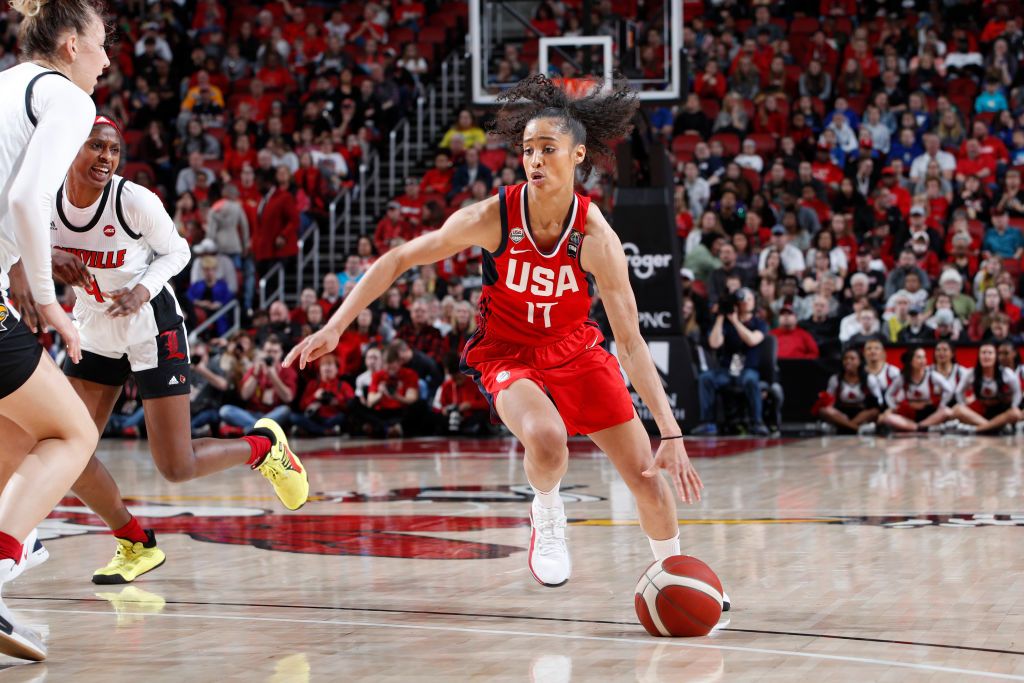
Image Source: hips.hearstapps.com
Embracing Physical Activity During Pregnancy
Staying active during pregnancy offers numerous benefits for both the mother and the developing baby. Exercising while pregnant can help manage weight gain, reduce the risk of gestational diabetes and preeclampsia, improve mood and energy levels, and prepare your body for labor and delivery. Physical activity pregnant women engage in can lead to a smoother pregnancy and easier recovery. However, not all sports are created equal when it comes to pregnancy. It’s crucial to choose safe sports during pregnancy and adapt your activity levels as your pregnancy progresses.
The Benefits of Pregnancy Exercise
Engaging in regular physical activity during pregnancy is highly recommended by healthcare professionals. The benefits pregnancy exercise provides are wide-ranging:
- Improved Cardiovascular Health: Regular activity strengthens the heart and lungs, improving circulation.
- Weight Management: Helps maintain a healthy weight gain throughout pregnancy.
- Reduced Risk of Gestational Diabetes: Studies show active pregnant women are less likely to develop this condition.
- Less Back Pain: Stronger abdominal and back muscles can alleviate common pregnancy discomforts.
- Better Sleep: Physical activity can promote more restful sleep.
- Enhanced Mood and Reduced Stress: Exercise releases endorphins, which have mood-boosting effects.
- Easier Labor and Delivery: A fit body may cope better with the demands of childbirth.
- Quicker Postpartum Recovery: Being in good physical condition can aid in a faster return to pre-pregnancy fitness.
Pregnancy Health Tips for Active Moms
When you are pregnant and exercising, it’s vital to listen to your body and follow best practices. Here are some key pregnancy health tips:
- Consult Your Doctor: Always get clearance from your healthcare provider before starting or continuing any exercise program. They can advise on specific limitations based on your pregnancy.
- Stay Hydrated: Drink plenty of water before, during, and after exercise.
- Avoid Overheating: Choose cooler times of the day to exercise and wear breathable clothing.
- Listen to Your Body: Stop if you feel pain, dizziness, shortness of breath, or any unusual symptoms.
- Proper Nutrition: Ensure you are eating a balanced diet to support your energy needs and the baby’s growth.
- Avoid High-Impact Activities: As pregnancy progresses, activities with a high risk of falling or abdominal trauma should be avoided.
- Warm-up and Cool-down: Always prepare your body for exercise and help it recover afterward.
Can You Play Basketball While Pregnant? The Nuances
The question of can you play basketball while pregnant is complex. Basketball, by its nature, involves running, jumping, quick directional changes, and potential physical contact. These elements can pose risks to a pregnant woman and her baby, especially as pregnancy advances. Basketball pregnancy safety is paramount and requires a thorough assessment of the risks versus the rewards.
Assessing the Risks of Traditional Basketball During Pregnancy
Traditional basketball, as played in competitive leagues or even recreational pick-up games, carries inherent risks that can be amplified during pregnancy:
- Falls: The risk of tripping, slipping, or losing balance increases due to changes in your center of gravity and loosened ligaments. A fall can be dangerous, especially in later trimesters.
- Contact: Accidental collisions with other players can lead to abdominal impact, which is a significant concern during pregnancy.
- Overexertion: The stop-and-start nature and intensity of basketball can lead to overexertion, increased heart rate, and fatigue, which might not be safe for pregnant individuals.
- Jumping and Landing: Repeated jumping and landing can put stress on joints, which are already more susceptible to injury due to pregnancy hormones like relaxin.
- Abdominal Strain: Certain movements, like sudden twists or falls, can strain abdominal muscles that are already stretching.
When to Consider Sitting Out
It’s crucial to recognize when traditional basketball is no longer a safe option. Generally, as pregnancy progresses, the risks associated with high-impact and contact sports increase.
- First Trimester: While generally safer, caution is still advised. Early pregnancy can involve fatigue and nausea, and the risk of miscarriage, though often not related to exercise, means some women prefer to be more cautious.
- Second Trimester: As the body changes, balance issues may start to become more noticeable. The bump begins to grow, affecting agility and increasing the risk of falls.
- Third Trimester: Most healthcare providers recommend avoiding basketball altogether in the third trimester due to the significantly increased risk of falls, the size of the abdomen affecting balance and mobility, and the potential for discomfort and strain.
Alternatives for Pregnant Basketball Enthusiasts
For those who love basketball but need to prioritize safety, there are excellent alternatives and modifications. Modified basketball pregnancy play can allow you to enjoy the sport without the associated risks.
Modified Basketball for Pregnancy
Modified basketball pregnancy play focuses on reducing the intensity and impact of the game. Here are some ways to adapt:
- Walking Basketball: This is an excellent adaptation. Instead of running, players walk. This significantly reduces the risk of falls and overexertion. It still involves passing, shooting, and team coordination, offering many of the social and strategic benefits of the game.
- Lowered Hoops: Using a lower hoop can make shooting easier and reduce the need for powerful jumps.
- Shorter Game Times: Opt for shorter, less frequent games.
- No Contact Rules: Enforce strict no-contact rules, focusing purely on the ball and the game’s flow without physical jostling.
- Reduced Court Size: Playing on a smaller court minimizes the need for extensive running.
- Focus on Shooting and Passing Drills: Instead of playing a full game, focus on individual skills like shooting practice or passing drills with a partner. This still keeps you engaged with the sport you love.
- Pregnancy-Specific Fitness Classes: Many gyms and studios offer classes designed for pregnant women, some of which may incorporate elements of sport-specific fitness, like agility drills adapted for pregnancy.
Pregnancy and Athletics: A Broader Perspective
When considering pregnancy and athletics, it’s essential to understand that the ability to participate in sports during pregnancy is highly individual. What is safe for one person might not be for another. Factors like pre-pregnancy fitness level, current pregnancy health, and the specific sport all play a role.
Adapting for Different Stages of Pregnancy
Pregnancy exercise modifications are key to continuing an active lifestyle.
-
Early Pregnancy (Trimesters 1):
- Activity Level: Continue your usual exercise routine if it was moderate. Avoid starting new, intense activities.
- Basketball Adaptation: Light shooting, passing drills, or very gentle walking basketball might be feasible if you feel well.
- Considerations: Fatigue, nausea, and potential for miscarriage (though usually unrelated to exercise) may lead some to reduce activity.
-
Mid-Pregnancy (Trimester 2):
- Activity Level: This is often a period of increased energy. Focus on maintaining fitness with lower-impact activities.
- Basketball Adaptation: Walking basketball becomes a more appealing option. Focus on passing, shooting, and team play without aggressive movements. Avoid jumping.
- Considerations: Balance may begin to shift. Be mindful of your growing belly.
-
Late Pregnancy (Trimester 3):
- Activity Level: High-impact and contact sports are generally not recommended. Focus on low-impact activities like walking, swimming, or prenatal yoga.
- Basketball Adaptation: It is advisable to stop playing basketball in its traditional form. Modified, very gentle shooting practice might be acceptable if approved by your doctor and if you feel completely stable and comfortable.
- Considerations: Increased fatigue, joint pain, and a significantly altered center of gravity make basketball too risky.
When to Stop or Modify Significantly
The decision to modify or stop playing basketball should be a collaborative one with your healthcare provider. Signs that indicate you should stop or significantly modify your activity include:
- Vaginal Bleeding: Any bleeding requires immediate cessation of exercise and medical attention.
- Dizziness or Fainting: These are warning signs that your body is not tolerating the activity.
- Shortness of Breath: Experiencing shortness of breath before starting exercise is a sign to stop.
- Chest Pain: This is a serious symptom and requires immediate medical evaluation.
- Headaches: Persistent or severe headaches during or after exercise.
- Abdominal Pain or Cramping: Any pain in the abdomen is a reason to stop.
- Decreased Fetal Movement: If you notice a significant decrease in your baby’s movements, stop exercising and contact your doctor.
- Leaking Amniotic Fluid: This is a critical sign that requires immediate medical attention and stopping all activity.
- Calf Pain or Swelling: This could indicate a blood clot, a risk that can be increased during pregnancy.
The Importance of a Strong Core and Pelvic Floor
For any physical activity pregnant women engage in, a strong core and pelvic floor are essential. While playing basketball, especially in modified forms, these muscles help with stability, balance, and supporting your growing baby. Pregnancy exercise modifications should always consider strengthening these areas.
Core Strength During Pregnancy
Your core muscles (abdominal muscles, back muscles, pelvic floor) support your uterus and help manage the changes in your posture and balance.
-
Benefits of a Strong Core:
- Reduced back pain.
- Improved posture.
- Better balance.
- Support for the growing uterus.
- Potentially easier labor and recovery.
-
Safe Core Exercises:
- Pelvic tilts.
- Cat-cow stretches.
- Bird-dog.
- Modified planks (on knees or against a wall).
- Kegel exercises.
Pelvic Floor Health
The pelvic floor muscles support the uterus, bladder, and bowels. During pregnancy and childbirth, these muscles can be stretched and weakened.
- Kegel Exercises: These are crucial for strengthening the pelvic floor.
- Identify the muscles by stopping the flow of urine midstream.
- Contract these muscles and hold for 3-5 seconds.
- Relax for 3-5 seconds.
- Repeat 10-15 times, several times a day.
Listening to Your Body: The Ultimate Guide
Ultimately, the most important factor in basketball pregnancy safety is listening to your body. Pregnancy is a unique journey, and what feels right one day might not feel right the next.
Signs to Pay Attention To
- Fatigue: Pregnancy can be tiring. Don’t push yourself if you feel exhausted.
- Discomfort: If any movement causes pain or significant discomfort, stop.
- Balance Issues: As your belly grows, your center of gravity shifts, increasing the risk of falls. Be extra cautious.
- Breathing: If you find yourself easily out of breath, you are likely exerting yourself too much.
When to Reassess Your Activity
It’s essential to have regular check-ins with your doctor or midwife. They can provide personalized advice based on your health and the progression of your pregnancy. If you notice any of the warning signs mentioned earlier, contact your healthcare provider immediately.
FAQ: Pregnancy and Basketball
Q1: Is it safe to play basketball at any stage of pregnancy?
A1: While some women may play modified basketball in early to mid-pregnancy, traditional, competitive basketball is generally not recommended at any stage due to the risk of falls, contact, and overexertion. It’s crucial to consult with your doctor for personalized advice.
Q2: What are the biggest risks of playing basketball while pregnant?
A2: The primary risks include falls due to altered balance, potential abdominal impact from contact with other players or the ball, overexertion, and joint strain from jumping and landing.
Q3: What are some safe alternatives to playing basketball during pregnancy?
A3: Safer alternatives include walking basketball, shooting drills, passing practice with a partner, or other low-impact exercises like swimming, prenatal yoga, and walking.
Q4: How does pregnancy affect a woman’s ability to play sports like basketball?
A4: Pregnancy causes hormonal changes that relax ligaments, increasing joint laxity and the risk of sprains. Your center of gravity shifts, affecting balance, and fatigue can be more pronounced. Your growing abdomen also impacts agility and can make you more prone to injury.
Q5: When should I stop playing basketball during pregnancy?
A5: Most healthcare providers recommend stopping traditional basketball by the second trimester, and definitely by the third. Listen to your body, and always follow your doctor’s guidance. If you experience any warning signs, stop immediately and seek medical advice.
Q6: Can I continue my regular basketball training while pregnant?
A6: This depends entirely on the intensity and nature of your training and your doctor’s recommendation. High-impact drills, rigorous conditioning, and contact drills should be avoided. Focus on very modified, low-impact activities if approved.
Q7: What are some key pregnancy exercise modifications I should consider if I want to stay active with basketball-related activities?
A7: Modifications include switching to walking basketball, reducing court size, avoiding jumping, enforcing no-contact rules, using lower hoops, and focusing on skill-based drills like shooting and passing rather than full games. Prioritizing hydration and stopping if you feel unwell are also crucial.
Q8: Are there any specific pregnancy exercises that can help me if I want to play modified basketball?
A8: Yes, exercises that improve balance, strengthen your core and pelvic floor, and enhance cardiovascular fitness without excessive impact are beneficial. Examples include pelvic tilts, modified planks, bird-dog exercises, Kegels, and low-impact cardio like swimming or cycling.
Q9: How can I ensure my safety and my baby’s safety if I choose to play modified basketball?
A9: Always get medical clearance, listen to your body, stay hydrated, avoid overheating, and choose modifications that significantly reduce the risk of falls and impact. If anything feels uncomfortable or unsafe, stop immediately. The well-being of you and your baby is the top priority.