
So, how much psi for a basketball? The exact amount of pressure for a basketball is typically between 7 and 9 pounds per square inch (PSI).
Getting the basketball pressure just right is crucial for a great game. Too little air, and the ball feels soft, bounces weakly, and is hard to dribble. Too much air, and it becomes a hard, unforgiving sphere that’s difficult to control and can even lead to injuries. Finding that sweet spot ensures the ball performs as intended, providing a consistent and enjoyable playing experience. This guide will delve into the recommended PSI for basketball, helping you know the exact amount for optimal play.
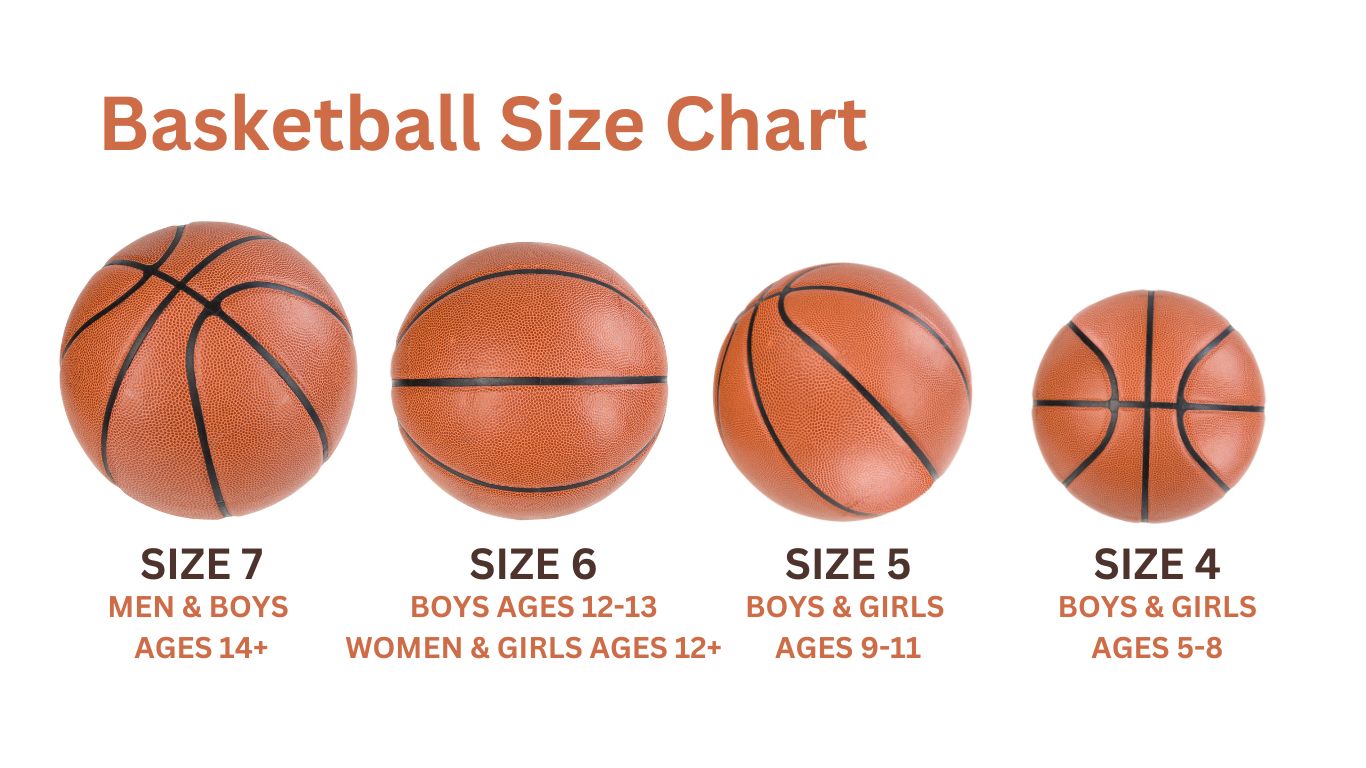
Image Source: 149347557.v2.pressablecdn.com
The Science Behind Basketball Inflation
A basketball is more than just a round object; it’s a carefully engineered piece of equipment. Its performance is directly linked to its internal air pressure. This pressure affects how the ball bounces, how it feels in your hands, and how it interacts with the court.
What is PSI?
PSI stands for Pounds per Square Inch. It’s a unit of measurement for pressure. When we talk about how many pounds per square inch a basketball should have, we’re referring to the force the air inside exerts against the inner surface of the ball.
Why Pressure Matters
The optimal air pressure basketball provides is a delicate balance.
* Bounce: The correct pressure allows the ball to rebound effectively off the court. A properly inflated ball will bounce back to about 47-54 inches when dropped from a height of 6 feet.
* Grip and Feel: The right pressure makes the ball feel firm yet responsive, allowing for better grip and control during dribbling, passing, and shooting.
* Durability: Over-inflation can stress the seams and bladder, potentially shortening the ball’s lifespan. Under-inflation can lead to premature wear on the exterior.
* Player Safety: A ball that’s too hard can cause pain or injury to players’ hands, wrists, and fingers, especially during intense play.
Standard Basketball PSI: The Official Guidelines
When discussing standard basketball PSI, it’s important to refer to the official rules and guidelines set by governing bodies like the NBA and FIBA. These standards ensure consistency across all levels of play.
NBA Regulations
The National Basketball Association (NBA) specifies that a basketball should be inflated to a pressure that allows it to rebound between 49 and 55 inches when dropped from a height of 6 feet onto the playing surface. While they don’t give a precise PSI number in their rulebook for players to inflate to, manufacturers calibrate their balls to achieve this bounce. This typically falls within the 7-9 PSI range.
FIBA Standards
Similarly, the International Basketball Federation (FIBA) also has guidelines for ball pressure. Their regulations also aim for a specific rebound height when dropped from a set distance, ensuring fair play and consistent performance globally. The game ball pressure for FIBA-sanctioned games is also in the 7-9 PSI range.
What About the PSI for a Basketball Court?
It’s important to clarify that there isn’t a specific PSI measurement for a basketball court itself. The court’s surface is a solid structure. The PSI we discuss relates solely to the air pressure inside the basketball. Any mention of “basketball court pressure” might be a misunderstanding or relate to the air pressure in tires of equipment used to maintain the court, which is irrelevant to the ball’s inflation.
How to Inflate Your Basketball Correctly
Knowing the target PSI is only half the battle. The other half is knowing how to check basketball PSI and how to inflate it accurately.
Essential Tools for Inflation
You’ll need a few simple tools to get your basketball perfectly inflated:
* Inflation Needle: This is the thin metal pin that screws into your pump and inserts into the basketball’s valve.
* Air Pump: A manual hand pump or an electric pump designed for sports balls.
* Pressure Gauge: This is the most crucial tool for accurate inflation. You can get digital or analog gauges. Some pumps have built-in gauges, but an independent gauge is often more reliable.
The Step-by-Step Inflation Process
Follow these steps to ensure your basketball is inflated to the basketball inflation PSI you need:
- Check the Ball’s Recommended Pressure: Most basketballs have the recommended PSI printed near the inflation valve. This is usually a range, like 7-9 PSI.
- Prepare the Needle: Moisten the inflation needle slightly with water or saliva. This helps it slide into the valve easily without damaging the seal.
- Insert the Needle: Gently but firmly insert the moistened needle into the basketball’s inflation valve.
- Attach the Pump: Connect your air pump to the needle.
- Inflate Gradually: Start pumping air into the ball. Don’t try to reach the full pressure in one go.
- Check the Pressure Frequently: This is where the pressure gauge comes in. After every few pumps, detach the pump (if necessary, depending on your pump type) and use the gauge to check the current PSI.
- Stop at the Target Pressure: Continue pumping and checking until you reach the desired PSI, typically within the 7-9 PSI range.
- Remove the Needle: Once the target pressure is reached, carefully remove the inflation needle.
- Test the Bounce: A good way to double-check is to drop the ball from waist height. It should bounce back to about chest height. Another test is the official NBA/FIBA rebound test mentioned earlier.
Using a Pump with a Built-in Gauge
If your pump has a built-in gauge, it can simplify the process. However, it’s still a good practice to occasionally verify the gauge’s accuracy with a separate, reliable pressure gauge.
Common Pitfalls and How to Avoid Them
Even with the right information, errors can happen during inflation. Here are some common mistakes and how to avoid them:
Over-inflation
- Problem: Pumping too much air can make the ball rigid and unresponsive. It might feel “dead” or overly bouncy, making it hard to control. It also puts unnecessary stress on the ball’s bladder and seams.
- Solution: Always use a pressure gauge and check the PSI frequently. Stop inflating as soon as you reach the recommended range.
Under-inflation
- Problem: An under-inflated ball will feel soft and mushy. It won’t bounce predictably, making dribbling and passing difficult. This can also lead to the ball deforming and wearing out faster.
- Solution: Be patient during inflation. Use a gauge to ensure you reach the minimum recommended PSI.
Damaging the Valve
- Problem: Forcing a dry needle into the valve can tear the rubber seal, leading to slow air leaks.
- Solution: Always moisten the inflation needle before inserting it.
Using the Wrong Needle
- Problem: Some needles are designed for different types of balls (like soccer balls or volleyballs) and might be too large or too small for a basketball valve.
- Solution: Ensure you are using a needle specifically designed for basketballs or sports ball pumps.
Maintaining Optimal Basketball Pressure
Once your basketball is properly inflated, maintaining that basketball pressure is key to its longevity and performance.
Regular Checks
- How often to check: It’s a good idea to check your basketball’s PSI at least once a week, or before every significant playing session. Balls naturally lose a small amount of air over time.
- Environmental factors: Temperature changes can affect air pressure. On very hot days, the air inside the ball expands, increasing the pressure slightly. On cold days, it contracts, decreasing the pressure. You might need to make minor adjustments based on the ambient temperature.
Storage
- Ideal conditions: Store your basketball in a cool, dry place, away from direct sunlight or extreme temperatures. Sunlight can degrade the material, and extreme heat or cold can affect the air pressure and the ball’s structure.
- Avoid crushing: Don’t store your basketball in a place where it can be constantly crushed or deformed, as this can damage the internal bladder.
What Happens if My Basketball Loses Air?
Losing air is a natural process for any inflatable object. If you notice your basketball deflating more rapidly than usual, it might indicate a leak.
Identifying Leaks
- Listen: Sometimes you can hear air escaping from the valve.
- Submerge: A common method to find a leak is to submerge the inflated ball in water and look for a stream of bubbles.
- Check the valve: Ensure the inflation valve is clean and not damaged. Sometimes, debris can get lodged in the valve, preventing a proper seal.
Fixing Leaks
Minor leaks, especially around the valve, might be fixable by carefully cleaning the valve and re-inflating. For more significant leaks, the ball might need professional repair or replacement.
Beyond the Numbers: How the Ball Feels
While the 7-9 PSI range is the standard, the “feel” of the ball is also very important. Different players might have slight preferences within this range.
Personal Preference
Some players prefer a slightly firmer ball for more responsiveness, while others like it a bit softer for better grip and comfort. Experimenting within the recommended PSI range can help you find what feels best for your playing style.
Ball Material and Type
- Indoor vs. Outdoor Balls: Indoor basketballs are typically made of higher-quality leather or composite leather and are designed for smooth surfaces. Outdoor basketballs are usually made of rubber or a more durable composite material to withstand rougher surfaces. The material can slightly influence how the recommended pressure “feels.”
- Size Matters: While the PSI range is generally consistent, remember that different sized basketballs (e.g., size 7 for men, size 6 for women and youth) are designed for different age groups and hand sizes. The inflation principles remain the same, but the overall feel and handling will vary due to size.
Frequently Asked Questions About Basketball PSI
Here are some common questions people have about basketball inflation:
Q1: Can I use a bicycle pump to inflate a basketball?
A1: Yes, you can use a bicycle pump, but ensure it has the correct attachment for a needle valve. It might take longer to inflate a basketball with a bicycle pump compared to a dedicated sports ball pump. Always use a pressure gauge to ensure you don’t over-inflate.
Q2: What is the correct bounce height for a basketball?
A2: According to NBA and FIBA standards, a basketball should rebound to a height between 47 and 55 inches when dropped from 6 feet onto the court surface.
Q3: How do I know if my basketball has the right pressure?
A3: The most accurate way is to use a pressure gauge and aim for 7-9 PSI. You can also test the bounce: when dropped from waist height, it should bounce back to roughly chest height. It should feel firm but not rock hard.
Q4: Does tire pressure for a basketball court matter?
A4: No, the PSI for a basketball court is not relevant to inflating the ball. Court maintenance equipment might have tire pressure, but this is separate from the ball’s inflation.
Q5: My basketball feels a bit soft. Is it under-inflated?
A5: Yes, if your basketball feels soft and doesn’t bounce well, it is likely under-inflated. Check the PSI with a gauge and add air as needed, aiming for the 7-9 PSI range.
Q6: What’s the difference between game ball pressure and regular basketball pressure?
A6: For official games, the game ball pressure adheres strictly to the governing body’s standards (NBA or FIBA), which is typically 7-9 PSI. For casual play, the recommended pressure is the same, but players might have slight preferences. The key is consistency and performance.
Q7: How do I check basketball PSI without a gauge?
A7: While not as precise, you can use the bounce test: drop the ball from about 6 feet. It should bounce back up to about your chest height. You can also squeeze the ball firmly. It should feel firm and solid, not squishy or overly hard. However, using a gauge is strongly recommended for accuracy.
Q8: What if the recommended PSI on my ball is different?
A8: Always refer to the specific recommendations printed on your basketball or its packaging. While 7-9 PSI is a common range, some manufacturers might have slightly different specifications for their particular designs.
By paying attention to the recommended PSI for basketball, using the right tools for inflation, and performing regular checks, you can ensure your basketball performs at its best for every game and practice. Knowing how many pounds per square inch a basketball needs is the first step to a better playing experience.