
Imagine trying to sharpen a dull knife with a butter knife. It just won’t work! Just like you need the right tool for the job, choosing the correct grinding wheel is super important for making things sharp and smooth. But with so many types and sizes out there, picking the right one can feel like a puzzle. You might end up with a wheel that doesn’t cut well, wears out too fast, or even makes your project look worse!
This is where we come in. We understand how confusing it can be to navigate the world of grinding wheels. That’s why we’ve put together this easy-to-understand guide. By the time you finish reading, you’ll know exactly what to look for. You’ll learn about different materials, what they’re used for, and how to avoid common mistakes. Get ready to become a grinding wheel pro!
Our Top 5 Grinding Wheel Recommendations at a Glance
Top 5 Grinding Wheel Detailed Reviews
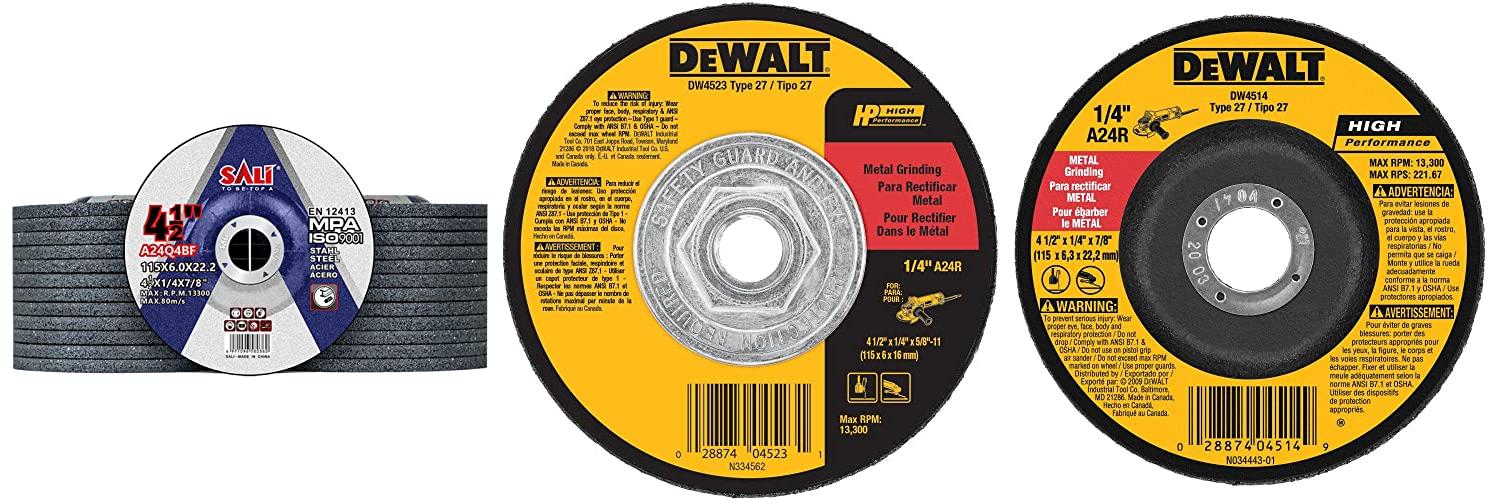
1. SALI 25 Pack 4-1/2 Inch Grinding Wheels for General Purpose Metal & Stainless Steel

Rating: 9.1/10
Tackle your metalworking projects with confidence using the SALI 25 Pack 4-1/2 Inch Grinding Wheels. These all-purpose discs are designed for both metal and stainless steel, making them a versatile choice for any workshop. Their aluminum oxide grit delivers a strong grinding action, perfect for removing material quickly and efficiently. Whether you’re shaping edges or smoothing surfaces, these wheels get the job done.
What We Like:
- Excellent stock removal rate: These discs grind away material quickly, saving you time.
- Easy to use: You’ll find them simple to handle and control.
- Low vibration: They run smoothly, which means less fatigue for you during longer jobs.
- No clogging or chattering: Experience a clean and consistent grind without annoying skips or build-up.
- Versatile for different steels: Great for solid construction steel, tool steel, high-speed steel, and sheet steel.
- Fits most 4 1/2 inch angle grinders: Easy to install and ready to go.
- Aggressive yet smooth grinding: The depressed center design helps them bite into metal while still running smoothly.
What Could Be Improved:
- While these are general-purpose wheels, very specialized or delicate tasks might require discs with different grit sizes or materials.
This 25-pack of SALI grinding wheels offers great value and performance for a wide range of metal grinding tasks. You can count on them for efficient work and comfortable operation.
2. DEWALT Grinding Wheel

Rating: 9.0/10
The DEWALT Grinding Wheel, General Purpose for Metal, 4-1/2-Inch x 1/4-Inch x 5/8-Inch (DW4523) is a reliable tool for metal grinding tasks. Its design focuses on providing efficient and safe operation for a variety of metalworking projects. This wheel is built to handle common grinding jobs with ease.
What We Like:
- The high-performance aluminum oxide grain cuts through metal quickly and lasts a long time.
- The wheel removes a lot of material, so you finish your work faster.
- It has a high grain concentration, which means it grinds aggressively but still runs smoothly.
- The special mix of materials makes these wheels very strong and long-lasting.
- Three full sheets of fiberglass are built in for extra strength and safety while you work.
What Could Be Improved:
- For very specialized or heavy-duty industrial grinding, a more specialized wheel might be needed.
- Availability can sometimes be an issue depending on your local stores.
Overall, the DEWALT DW4523 offers a great balance of performance and durability for most general metal grinding needs. It’s a solid choice for DIYers and professionals alike.
3. DEWALT DW4514 1/4″ Thick Grinding Wheel with 4-1/2″ Diameter and 7/8″ Arbor

Rating: 9.2/10
The DEWALT DW4514 1/4″ Thick Grinding Wheel is a tough tool for tough jobs. It’s designed to grind metal quickly and efficiently. Its 4-1/2 inch size and 7/8 inch arbor make it a common fit for many grinders. This wheel is built to last and perform well.
What We Like:
- It uses strong aluminum oxide grain. This makes the wheel last a long time. It also removes a lot of material fast.
- The grain is packed in tightly. This gives you aggressive grinding. It also helps the wheel run smoother.
- A special mix of materials is used. This makes the wheels very durable and long-lasting.
- This is an official part from the original equipment manufacturer. You know it’s made for your tools.
What Could Be Improved:
- For very delicate grinding tasks, it might be too aggressive.
- The 1/4″ thickness is great for heavy work, but might be overkill for lighter jobs.
This DEWALT grinding wheel is a solid choice for anyone needing reliable metal grinding. Its durability and aggressive cutting action will help you finish your projects faster.
4. 25 Pack Grinding Wheels 4-1/2 Inch

Rating: 9.1/10
Tackle your metalworking projects with confidence using this 25-pack of 4-1/2 inch grinding wheels. Designed for general-purpose use on metal, stainless steel, and aluminum, these wheels offer a powerful and efficient grinding experience. Their premium aluminum oxide material ensures durability and high performance for all your grinding, cleaning, and polishing needs.
What We Like:
- Made with strong, industrial-grade aluminum oxide for tough grinding jobs.
- These wheels remove material quickly and last a long time.
- They spin up to 13,300 RPM for fast, precise work.
- The depressed center design helps you reach tricky spots.
- Reinforced with fiberglass mesh for extra safety and to prevent breakage.
- They work well for grinding, cleaning rust, smoothing edges, and polishing.
- These discs are compatible with most standard 4-1/2 inch angle grinders.
- The moisture-proof coating keeps them working well, even in damp conditions.
What Could Be Improved:
- While good for general use, they might not be the absolute best for highly specialized, heavy-duty industrial tasks requiring extreme precision.
- The “up 30% performance improvement” claim is a bit vague and hard to measure without specific testing.
This large pack of grinding wheels provides excellent value and reliable performance for a wide range of metalworking tasks. They are a solid choice for both professionals and DIY enthusiasts.
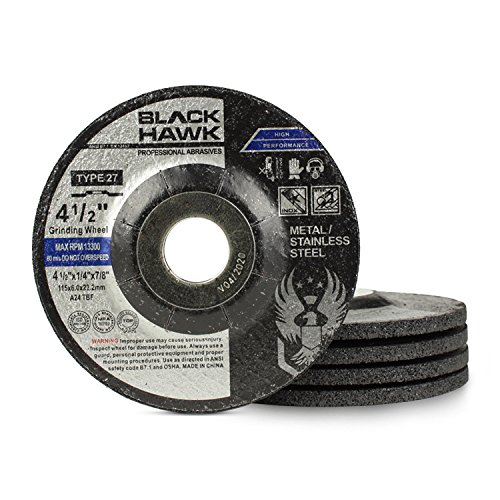
5. BHA Depressed Center Metal Grinding Wheels for Angle Grinders
Rating: 9.4/10
Tackle your metalworking projects with confidence using these BHA Depressed Center Metal Grinding Wheels. This 5-pack of wheels is designed for your 4.5-inch angle grinder. They’re built tough to get the job done right.
What We Like:
- You get a great value with a 5-pack of premium grinding discs.
- The 1/4-inch thickness and 7/8-inch arbor fit your 4.5-inch angle grinder perfectly.
- A24T aluminum oxide grains make for super aggressive grinding.
- These wheels remove a lot of material quickly, saving you time.
- Fiberglass reinforcement adds an extra layer of safety for peace of mind.
What Could Be Improved:
- While great for aggressive grinding, they might wear down faster on very delicate tasks.
- Some users might prefer a wider variety of grit options for different finishes.
These BHA grinding wheels are a solid choice for anyone needing to grind metal. They offer a good balance of power and safety for your workshop.
The Ultimate Buying Guide: Choosing Your Perfect Grinding Wheel
Grinding wheels are powerful tools that help shape, sharpen, and smooth out materials. Whether you’re a DIY enthusiast, a seasoned metalworker, or a woodworker, understanding how to pick the right grinding wheel makes a big difference. This guide will help you find the best one for your needs.
Key Features to Look For
When you’re shopping for a grinding wheel, keep these important features in mind:
- Size: Grinding wheels come in many diameters and thicknesses. You need a wheel that fits your grinder. Check your grinder’s manual for the correct size.
- Arbor Hole Size: This is the hole in the center of the wheel. It must match the shaft of your grinder.
- Grit Size: This tells you how coarse or fine the abrasive particles are. Coarser grits (lower numbers) remove material quickly. Finer grits (higher numbers) create a smoother finish.
- Bonding Agent: This is what holds the abrasive grains together. Different bonding agents are suited for different tasks.
- Maximum RPM: This is the highest speed the wheel can safely spin. Always match this to your grinder’s speed.
Important Materials
Grinding wheels are made of two main parts: the abrasive grains and the bonding agent.
-
Abrasive Grains:
- Aluminum Oxide: This is the most common type. It’s good for grinding steel and other hard metals. It comes in different colors for different applications. Brown aluminum oxide is good for general grinding. Pink or white aluminum oxide is harder and used for tougher metals.
- Silicon Carbide: This is a very hard and brittle abrasive. It works well on non-ferrous metals like aluminum, brass, and bronze, as well as on stone and glass.
- Ceramic Alumina: This is a premium abrasive. It’s very sharp and durable. It lasts longer and grinds cooler, making it great for high-volume jobs and tough alloys.
- Zirconia Alumina: This abrasive is also very tough and self-sharpening. It’s excellent for heavy-duty grinding on stainless steel and other hard metals.
-
Bonding Agents:
- Vitrified Bond: This is the most common and strongest bond. It’s made from ceramic-like materials. It’s rigid and good for heavy grinding and high speeds.
- Resinoid Bond: This bond uses synthetic resins. It’s a bit more flexible than vitrified. It’s good for high-speed cutting and general-purpose grinding.
- Rubber Bond: This bond is flexible and used for polishing and finishing. It helps create a smooth surface.
Factors That Improve or Reduce Quality
Several things affect how well a grinding wheel performs:
- Abrasive Quality: Higher quality abrasives are sharper and last longer. This means they grind more efficiently.
- Bonding Agent Strength: A strong bond holds the abrasive grains securely. This prevents the wheel from breaking apart. A weak bond can lead to premature wear.
- Wheel Structure: This refers to how the abrasive grains are spaced. A more open structure allows for better chip clearance. This is good for softer materials that can clog the wheel.
- Manufacturing Process: Precise manufacturing ensures the wheel is balanced and true. An unbalanced wheel vibrates, making it harder to control and potentially dangerous.
- Storage: Grinding wheels should be stored in a dry place. Moisture can weaken some bonding agents, especially vitrified bonds.
User Experience and Use Cases
The right grinding wheel makes your work easier and safer.
- For Sharpening Tools: A medium-grit aluminum oxide wheel is great for sharpening chisels, knives, and mower blades.
- For Metal Fabrication: For cutting metal rods or shaping rough edges, a coarser aluminum oxide or zirconia alumina wheel on an angle grinder works well.
- For Woodworking: A silicon carbide wheel can be used to remove material from wood, but care must be taken. Special grinding wheels are also available for sharpening wood chisels.
- For Cleaning and Polishing: A rubber-bonded wheel with a fine abrasive can polish metal surfaces to a shine.
Choosing the correct grinding wheel ensures you get the best results and work safely. Always wear safety glasses and follow the manufacturer’s instructions.
Frequently Asked Questions (FAQ) About Grinding Wheels
Q: What is the most common type of grinding wheel?
A: The most common type uses aluminum oxide as the abrasive grain. It’s good for many metal grinding tasks.
Q: How do I know what size grinding wheel to buy?
A: Check the specifications of your grinder. The manual will tell you the correct diameter and arbor hole size.
Q: What does “grit size” mean on a grinding wheel?
A: Grit size tells you how rough or smooth the abrasive particles are. Lower numbers mean coarser grit for fast material removal. Higher numbers mean finer grit for smoother finishes.
Q: Can I use any grinding wheel on any grinder?
A: No. You must match the wheel’s size, arbor hole, and maximum RPM to your grinder. Using the wrong wheel can be dangerous.
Q: What is the difference between aluminum oxide and silicon carbide wheels?
A: Aluminum oxide is best for steel and hard metals. Silicon carbide works well on softer metals, stone, and glass.
Q: How does the bonding agent affect the wheel?
A: The bonding agent holds the abrasive grains together. Different bonds have different strengths and flexibility. Vitrified bonds are strong and rigid, while resinoid bonds are more flexible.
Q: When should I use a finer grit wheel?
A: Use a finer grit wheel when you need a smooth finish, like after rough shaping or for polishing.
Q: What is a “maximum RPM” rating?
A: This is the highest speed, measured in revolutions per minute, that the grinding wheel can safely spin. Your grinder’s speed should never exceed this rating.
Q: How should I store my grinding wheels?
A: Store grinding wheels in a dry place away from moisture. This helps maintain their strength and prevent damage.
Q: Is it safe to use a damaged grinding wheel?
A: No. Never use a grinding wheel that is chipped, cracked, or damaged in any way. It can shatter during use, causing serious injury.
In conclusion, every product has unique features and benefits. We hope this review helps you decide if it meets your needs. An informed choice ensures the best experience.
If you have any questions or feedback, please share them in the comments. Your input helps everyone. Thank you for reading.