
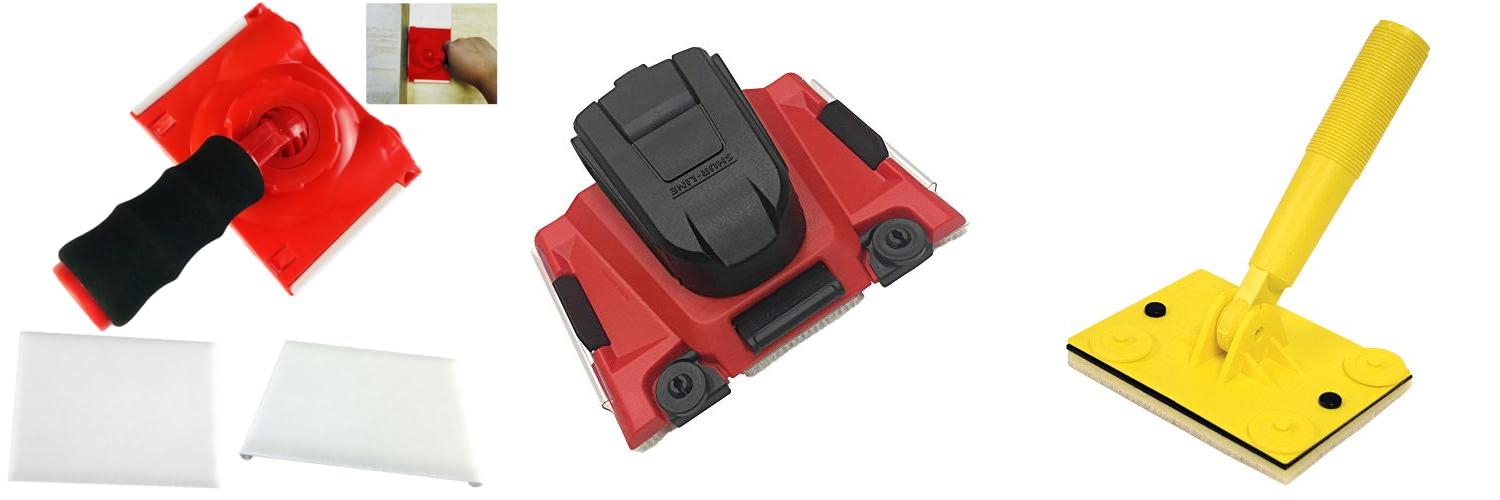
Have you ever spent hours trying to get those perfect, crisp lines on your walls, only to end up with a messy, uneven edge? It’s a common painting frustration! Getting clean edges can make a huge difference in how your room looks, turning a good paint job into a great one.
But with so many different tools out there – brushes, rollers, tape, and even some fancy gadgets – how do you know which one is best for *your* edging needs? It can feel overwhelming trying to pick the right one. You want a tool that’s easy to use, gives you sharp lines without bleeding, and saves you time.
This blog post is here to help! We’ll break down the best paint tools for edging, explaining what makes them great and which ones are perfect for different jobs. By the end, you’ll feel confident choosing the right tool to make your next painting project look professional and polished.
Our Top 5 Paint Tool For Edging Recommendations at a Glance
Top 5 Paint Tool For Edging Detailed Reviews
1. BANCOO RSL43 Paint Edge Trimmer Plus Two Replace Pads

Rating: 9.3/10
Tired of messy paint lines? The BANCOO RSL43 Paint Edge Trimmer is here to help you achieve crisp, clean edges on your walls and ceilings. This tool makes painting tricky spots like corners, baseboards, and around windows a breeze. It comes with two extra pads, so you’re ready to go for any project.
What We Like:
- Guide wheels give you super sharp, clean lines. They are designed not to fall off.
- The handle can turn any way you need it to. It’s easy to adjust left, right, up, or down.
- The bristles are dense and flat, holding a lot of paint for a smooth finish.
- You can use it by hand or attach an extension rod for reaching high places.
- The tool is built tough with a thick shell and smooth-moving guide wheels.
What Could Be Improved:
- You need to make sure to lock the handle tightly before painting.
- When painting a corner where only one side needs paint, you might still want to use painter’s tape for the best results.
This paint edger tool is a great helper for your next painting job. It’s designed to make a tough task much simpler and give you professional-looking results.
2. Shur-Line 2006559 Edger Plus Premium Paint Edger Depth -1.875″

Rating: 8.7/10
Tired of messy paint lines? The Shur-Line 2006559 Edger Plus Premium Paint Edger is here to help! This handy tool makes painting trim, windows, and doors a breeze. Its smart design helps you paint straight, smooth lines every time. Get ready to finish your painting projects faster and with professional-looking results.
What We Like:
- The “Plus” model is designed for easy use.
- You can attach it to extension poles for taller areas.
- It pivots and swivels, giving you great control.
- Two guide wheels help keep your lines straight.
- The woven pad creates smooth, clean edges.
- It’s perfect for trimming around windows, doors, and cabinets.
- You’ll finish your painting jobs much quicker.
What Could Be Improved:
- The pad might need to be replaced after many uses.
- It’s a single unit, so you can only paint one edge at a time.
This Shur-Line edger is a fantastic tool for anyone wanting cleaner, faster painting. It truly makes a difference in achieving a polished look.
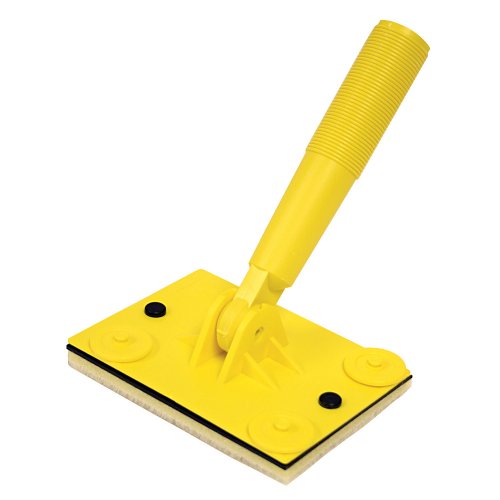
3. Mr. LongArm 0470 Trim Smart Paint Edger
Rating: 9.5/10
Tired of messy paint lines? The Mr. LongArm 0470 Trim Smart Paint Edger promises to make your painting projects look professional with minimal effort. This handy tool is designed to help you achieve crisp, clean edges around tricky areas like ceilings, baseboards, and window frames. It’s a game-changer for DIY painters looking for that perfect finish.
What We Like:
- It helps you create super straight lines. The guide wheels keep the pad steady.
- You can paint at any angle. The swivel handle makes it easy to keep the pad flat against the wall.
- It’s very versatile. Use it by hand or attach it to an extension pole for high spots.
- It works with different types of paint. The flocked foam pad handles both water-based and oil-based paints.
- It’s made right here in the USA.
What Could Be Improved:
- While the flocked foam pad is replaceable, it would be even better if different pad textures were available for various surfaces.
- The price point might be a little high for a single-use tool for some budget-conscious painters.
The Mr. LongArm 0470 Trim Smart Paint Edger is a solid tool for anyone who wants to improve their painting skills. It’s a great way to achieve professional-looking results without the hassle.
4. Paint Edger Trimmer with 2pcs Replacement Pad Refills

Rating: 9.2/10
Tired of messy paint lines and spending hours on tricky edges? This Paint Edger Trimmer is here to save your painting projects! It’s designed to make your walls, ceilings, and corners look professionally done with less effort. You get a handy tool and extra pads, so you’re ready to tackle any painting job.
What We Like:
- You get one paint edger and two extra pads in the package. This means you have everything you need to start painting and keep going.
- The tool is made of strong plastic. The pads are made of good quality nylon that holds a lot of paint. This helps you paint smoothly and evenly.
- It works on walls, ceilings, windows, and tight corners. You can use it in your home, bathroom, or anywhere you need to paint edges. It handles many different painting tasks.
- Cleaning is simple. Just rinse it with water after you finish painting. This keeps it ready for your next project.
- Changing the pads is easy. You just push the little tabs on the sides to remove the old pad and put on a new one.
What Could Be Improved:
- While the pads absorb paint well, some users might find they need to be replaced more often for very large projects.
- The plastic frame, while durable for most uses, might feel a bit less premium than metal alternatives for some users.
This paint edger trimmer makes painting edges much easier and cleaner. It’s a practical tool for anyone wanting a professional finish on their walls and ceilings.
5. Edward Tools Paint Trim Guard – 12” Stainless Steel Trim Guide Blade is perfect size for painting – Works for cutting guide – Ideal thickness for precision painting

Rating: 9.4/10
The Edward Tools Paint Trim Guard is a handy tool for anyone who wants to paint with precision. Its 12-inch stainless steel blade is just the right size for painting around walls, ceilings, windows, and trim. It helps you get clean lines every time. This guard isn’t just for painting; you can also use it as a guide for cutting wallpaper or other materials. The stainless steel edge is tough and easy to clean, making it a tool that will last. Plus, Edward Tools backs it with a lifetime warranty, so you can buy with confidence.
What We Like:
- The 12-inch length is perfect for most painting jobs.
- Its ideal thickness helps you paint with great accuracy.
- The stainless steel edge cleans up easily and stays sharp.
- It makes painting along trim much neater.
- This tool doubles as a helpful cutting guide.
- It comes with a lifetime warranty for peace of mind.
What Could Be Improved:
- For very large areas, a longer guard might be useful.
- Some users might prefer a softer grip for extended use.
This trim guard is a smart investment for achieving professional-looking results. It’s a versatile tool that makes painting and cutting tasks much easier.
Choosing the Best Paint Tool for Edging
Creating clean, sharp lines along edges is a key part of many painting projects. Whether you’re a beginner or an experienced painter, having the right tool makes all the difference. This guide will help you find the perfect paint tool for edging.
What to Look For: Key Features
When you’re shopping, keep these important features in mind. They will help you pick a tool that works well for your needs.
Bristle Type and Quality
- Angle Brush: Many edging brushes have angled bristles. This shape helps you guide the brush along corners and trim. It gives you more control.
- Firmness: Bristles can be soft, medium, or firm. Softer bristles are good for smooth surfaces. Firmer bristles work well on textured walls. For edging, a medium-firm bristle is often best. It holds its shape but is still flexible.
- Material: Natural bristles (like hog hair) are good for oil-based paints. Synthetic bristles (like nylon or polyester) work best with latex or acrylic paints. Most home painting uses water-based paints, so synthetic is a common choice. High-quality bristles don’t shed as much. This means fewer little hairs on your painted edge.
Handle Design
- Comfort: You will hold the brush for a while. A comfortable handle reduces hand fatigue. Look for a handle that fits well in your hand. It should feel balanced.
- Grip: Some handles have rubber grips. This helps you hold the brush steady, especially if your hands get a little sweaty.
Brush Size
- Width: Edging brushes are usually smaller. A 1-inch to 2-inch width is common. Smaller brushes give you more precision. They are easier to maneuver in tight spots.
Important Materials
The materials used in your edging tool affect its performance.
- Bristles: As mentioned, synthetic bristles (nylon, polyester) are great for water-based paints. They are durable and easy to clean. Natural bristles are better for oil-based paints.
- Ferrule: This is the metal part that holds the bristles to the handle. Stainless steel or nickel-plated ferrules resist rust. This makes your brush last longer.
- Handle: Wood or plastic are common. Wood handles can feel more traditional and comfortable. Plastic handles are often lighter and easier to clean.
What Makes a Good Edging Tool?
Several things make an edging tool great.
- Precision: The best tools let you paint straight lines. They help you avoid getting paint on the ceiling or adjacent walls.
- Paint Pickup and Layoff: A good brush will hold enough paint. It will also release the paint smoothly onto the surface. This means fewer brush strokes.
- Durability: A well-made brush will last for many projects. It won’t fall apart after a few uses.
What Reduces Quality?
Some things can make an edging tool less effective.
- Shedding Bristles: If bristles fall out, they get stuck in your paint. You have to pick them out. This is frustrating. Cheap brushes often shed.
- Bent or Misshapen Bristles: Bristles that are bent or spread out make it hard to paint a clean line.
- Poorly Attached Ferrule: If the metal part is loose, the bristles can fall out.
User Experience and Use Cases
Using the right edging tool makes painting much easier.
- Cutting In: This is the term for painting along edges. You use edging tools to paint next to ceilings, baseboards, window frames, and door frames.
- Detail Work: They are also good for painting small areas or intricate designs.
- Beginner Friendly: A good edging brush makes it easier for beginners to achieve professional-looking results. It helps build confidence.
- Saving Time: When you have a tool that works well, you paint edges faster. You also spend less time fixing mistakes.
10 Frequently Asked Questions (FAQ)
Q: What is the best type of brush for painting edges?
A: An angled sash brush, usually between 1 to 2 inches wide, is best for painting edges.
Q: Can I use a regular paintbrush for edging?
A: You can, but an angled brush gives you more control and precision for cleaner lines.
Q: How do I clean my edging brush?
A: For water-based paints, rinse the bristles with warm water and soap until the water runs clear. For oil-based paints, use mineral spirits and then wash with soap and water.
Q: How often should I replace my edging brush?
A: A good quality brush, cleaned and cared for properly, can last for many years.
Q: What is “cutting in”?
A: “Cutting in” is the process of painting along the edges of a wall, like where it meets the ceiling or trim.
Q: Do I need different brushes for different types of paint?
A: Yes, synthetic bristles are best for latex and acrylic paints. Natural bristles are better for oil-based paints.
Q: My brush is shedding bristles. What should I do?
A: This usually means it’s a lower-quality brush. Try to gently pull out any loose bristles before painting. For future purchases, look for brushes with good reviews about bristle retention.
Q: How do I store my edging brush?
A: After cleaning, dry the bristles and store them hanging or lying flat so they don’t get bent.
Q: Is a more expensive edging brush always better?
A: Not always, but higher-quality brushes generally offer better bristle retention, smoother paint application, and more comfort.
Q: Can I use an edging tool on textured surfaces?
A: Yes, but a brush with slightly firmer bristles might be more effective on rougher textures.
In conclusion, every product has unique features and benefits. We hope this review helps you decide if it meets your needs. An informed choice ensures the best experience.
If you have any questions or feedback, please share them in the comments. Your input helps everyone. Thank you for reading.