
So, you’re wondering, “What is the average cost to build a basketball court?” The cost to build a basketball court can range significantly, from around $10,000 for a basic backyard setup to over $150,000 or more for a professional-grade indoor facility. This price depends on many factors, including the size of the court, the type of surfacing, the quality of materials, and whether it’s an indoor or outdoor project.
Building your own basketball court is a dream for many athletes and families. Whether it’s for practicing slam dunks, enjoying casual games with friends, or hosting community events, a dedicated court can provide endless hours of fun and exercise. However, before you start measuring for hoops, it’s crucial to get a handle on the potential expenses. This comprehensive guide will break down all the costs involved in building a basketball court, from the ground up.
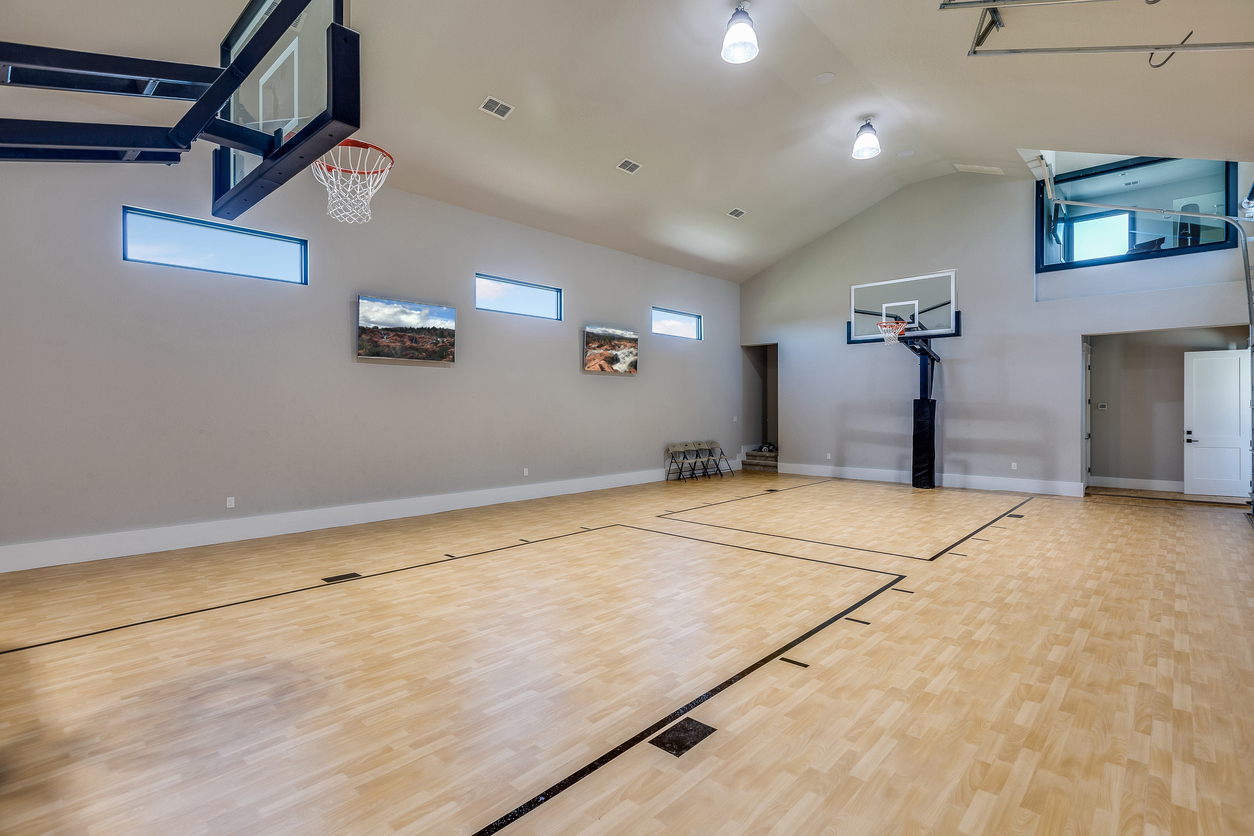
Image Source: www.dominatorhoop.com
Deciphering the Total Basketball Court Construction Cost
The overall basketball court construction cost is a mosaic of various components. You’re not just paying for the playing surface; there are site preparation, foundation, materials, labor, and finishing touches to consider. Let’s delve into each of these to give you a clear picture.
Site Preparation: Laying the Foundation for Success
Before any asphalt or concrete is poured, the site needs to be ready. This is a critical first step that can significantly impact the overall budget.
Clearing and Excavation
- What’s involved: This includes removing any existing structures, trees, rocks, or debris from the intended court area. Excavation is necessary to create a level base and ensure proper drainage.
- Cost factors: The density of vegetation, the presence of large rocks or boulders, and the existing topography of the land will influence these costs. If you have a significant slope, more earthmoving will be required.
- Estimated cost: This can range from $500 to $5,000 or more, depending on the complexity of the site.
Grading and Leveling
- What’s involved: Once cleared, the ground needs to be graded to ensure a perfectly flat and level surface for the court. Proper grading also aids in water runoff, preventing pooling on the court.
- Cost factors: The size of the court and the degree of existing unevenness are the primary drivers.
- Estimated cost: Typically, grading and leveling can add another $500 to $3,000 to the budget.
Drainage Solutions
- What’s involved: Effective drainage is paramount, especially for outdoor courts, to prevent water damage, ice formation in colder climates, and slippery surfaces. This can involve installing French drains, catch basins, or ensuring a slight crown in the court’s surface.
- Cost factors: The soil type, rainfall in your region, and the chosen drainage system will determine the cost.
- Estimated cost: Budget anywhere from $500 to $4,000 for drainage solutions.
Surface Options: The Heart of Your Basketball Court
The choice of playing surface is one of the most significant cost determinants. Each material offers different benefits in terms of durability, performance, and price.
Asphalt Basketball Court Cost
- What’s it: Asphalt is a popular choice for outdoor courts due to its durability and relatively lower initial cost compared to other options. It provides a firm, consistent playing surface.
- Material Costs: The material costs for basketball court asphalt typically range from $3 to $7 per square foot.
- Installation: This includes the cost of the asphalt itself, as well as the labor to lay and compact it.
- Pros: Durable, good rebound, can be painted easily, relatively affordable.
- Cons: Can crack over time due to weather, requires regular sealing, can be hard on joints.
- Estimated total cost (installed): For a standard 50ft x 94ft court, expect to pay between $15,000 and $30,000 for an asphalt surface. This aligns with the typical asphalt basketball court cost.
Concrete Basketball Court Price
- What’s it: Concrete offers an even more durable and longer-lasting surface than asphalt. It’s also ideal for regions with extreme temperature fluctuations.
- Material Costs: The material costs for basketball court concrete can range from $5 to $10 per square foot.
- Installation: This includes the concrete mix, rebar for reinforcement, labor for pouring, finishing, and expansion joints.
- Pros: Extremely durable, long lifespan, low maintenance, can be colored or stamped.
- Cons: Higher initial cost than asphalt, can crack if not installed correctly with proper expansion joints, can be very hard on players’ bodies.
- Estimated total cost (installed): A concrete court of the same size can cost between $25,000 and $50,000. This reflects the higher concrete basketball court price.
Outdoor Basketball Court Price: Beyond Asphalt and Concrete
While asphalt and concrete are the most common for outdoor courts, other options exist, though they often come at a higher price point.
- Acrylic/Cushioned Surfaces: These are often applied over concrete or asphalt. They provide superior comfort and shock absorption, reducing the risk of injury.
- Cost: Can add $2 to $10 per square foot on top of the base court cost. This significantly increases the outdoor basketball court price but enhances playability and safety.
- Modular Tile Systems: These interlocking plastic tiles can be installed over a prepared base. They offer excellent drainage and customizable designs.
- Cost: Typically range from $5 to $15 per square foot.
Indoor Basketball Court Budget: Different Considerations
Building an indoor court involves many additional costs beyond just the playing surface.
- What’s involved: This includes the construction of a building or gymnasium, climate control, lighting, ventilation, and specialized flooring.
- Flooring: Indoor courts often use sprung wooden floors or high-performance synthetic surfaces for optimal athlete comfort and performance.
- Wood Flooring: Can cost $10 to $20+ per square foot installed.
- Synthetic Flooring: Similar pricing, often $8 to $18+ per square foot.
- Building Construction: This is the most significant cost. Building a basic gymnasium structure can cost anywhere from $50 to $200+ per square foot, depending on the size, materials, and amenities.
- HVAC and Lighting: Essential for a comfortable and safe playing environment.
- Estimated total cost: An indoor basketball court budget can easily range from $50,000 for a small, basic structure to several hundred thousand dollars for a full-sized gymnasium.
The Core Equipment: Hoops and Lines
Once the playing surface is ready, you need the essential equipment.
Basketball Hoop Installation Cost
- What’s involved: This includes the hoop itself (backboard, rim, net) and the pole or mounting system.
- Types of Hoops:
- In-ground systems: These are bolted directly into concrete. They offer stability but are more permanent.
- Anchor bolt systems: These allow for some portability and can be easier to install.
- Wall-mounted systems: Ideal for existing structures.
- Cost factors: The quality of the backboard (acrylic, tempered glass, polycarbonate), the type of rim (breakaway vs. standard), and the pole material (steel gauge) all affect price. The basketball hoop installation cost is a significant, but usually manageable, part of the overall project.
- Estimated cost: For a good quality in-ground hoop system, expect to pay between $400 and $2,500. Installation costs can add another $200 to $700, depending on the complexity and whether concrete is needed.
Court Line Painting
- What’s involved: Professional application of the boundary lines, free-throw lines, three-point arc, and center circle.
- Material Costs: Specialized acrylic court paint designed for durability and visibility.
- Cost factors: The complexity of the design, the number of colors used, and the quality of the paint and application.
- Estimated cost: For a standard court, this can cost between $300 and $1,000.
Ancillary Costs: Don’t Forget the Extras
Beyond the main components, several other expenses can arise.
Fencing and Safety
- What’s involved: For outdoor courts, fencing is often necessary to keep balls from going astray and to define the playing area. Safety padding for poles might also be considered.
- Cost factors: The type of fencing material (chain-link, vinyl-coated), the height, and the linear footage required.
- Estimated cost: Fencing can add $1,000 to $5,000 or more.
Lighting
- What’s involved: If you plan to play after dark, outdoor lighting is essential. This typically involves installing poles with floodlights.
- Cost factors: The number of lights, the type of fixtures (LED, metal halide), and the complexity of the electrical work.
- Estimated cost: Lighting can range from $1,000 to $5,000+.
Landscaping and Aesthetics
- What’s involved: Enhancing the area around the court with landscaping, seating, or decorative elements.
- Cost factors: The scope of the landscaping project.
- Estimated cost: This is highly variable, from a few hundred to several thousand dollars.
Permitting and Professional Fees
- What’s involved: In many areas, you’ll need permits to build a structure like a basketball court. You might also hire an architect or designer.
- Cost factors: Local regulations and the extent of professional consultation.
- Estimated cost: Can range from a few hundred to several thousand dollars.
Sports Court Builder Fees: The Cost of Expertise
When you hire professionals, you’re paying for their expertise, equipment, and labor. Sports court builder fees are a significant portion of the total cost.
- What’s involved: These fees cover the planning, site preparation, installation, and finishing of the court.
- Cost factors: The builder’s reputation, experience, the complexity of the project, and the geographic location.
- Estimated cost: Labor can account for 40-60% of the total project cost. For a $30,000 court, labor might be $12,000-$18,000.
Cost to Build a Residential Basketball Court: A Breakdown
For homeowners, the primary concern is the cost to build a residential basketball court. This usually implies a smaller scale than a public or professional facility, often for personal use.
Backyard Court Considerations
- Size: Residential courts are often smaller than regulation size (e.g., 30ft x 50ft or 40ft x 70ft).
- Surfacing: Asphalt or concrete are most common. Acrylic coatings are a popular upgrade for comfort.
- Hoops: One or two residential-grade hoops.
- Purpose: Primarily for family and friends’ recreation.
Residential Cost Estimates
- Basic Backyard Court (Asphalt): A simple 40ft x 70ft asphalt court with a single hoop and basic lines could range from $15,000 to $30,000.
- Mid-Range Backyard Court (Concrete with Acrylic): A 50ft x 94ft concrete court with an acrylic coating, two hoops, and enhanced line painting might cost $30,000 to $60,000.
- High-End Backyard Court: This could include custom designs, premium lighting, advanced drainage, high-quality glass backboards, and extensive landscaping, pushing the cost $60,000 to $100,000+.
Factors Influencing Your Final Basketball Court Price
Several variables can sway the final basketball court price. Being aware of these can help you plan your budget more effectively.
Size of the Court
- Regulation Size: 50ft x 94ft (NBA/FIBA)
- High School Size: 50ft x 84ft
- Custom/Backyard Size: Can be tailored to your space.
- Larger courts naturally require more materials and labor, increasing the overall cost.
Quality of Materials
- Surfacing: As discussed, concrete is more expensive than asphalt. The thickness of the base layer and the quality of the acrylic coating also matter.
- Hoops: Tempered glass backboards are more expensive than acrylic or polycarbonate. Heavy-duty poles and breakaway rims add to the cost.
- Paint: High-performance, UV-resistant paints will last longer but cost more upfront.
Location and Site Conditions
- Geographic Location: Labor and material costs vary significantly by region. Areas with higher costs of living will generally have higher construction prices.
- Accessibility: If your site is difficult to access for heavy machinery and material delivery, expect higher labor and transportation costs.
- Soil Type: Poor soil conditions may require additional stabilization measures, increasing site preparation costs.
Labor and Professional Services
- DIY vs. Professional: While some aspects can be DIY, professional installation ensures quality and longevity. Hiring a specialized sports court builder will involve their fees, but often results in a superior product.
- Permits and Inspections: Factor in the cost and time associated with obtaining necessary permits and passing inspections.
Additional Features and Upgrades
- Lighting: Essential for extended play hours.
- Fencing: For containment and safety.
- Seating/Benches: For spectator comfort.
- Landscaping: To integrate the court into its surroundings.
- Coverings/Canopies: For shade or protection from elements.
- Scoreboards: For more serious play.
Creating Your Basketball Court Budget: A Step-by-Step Approach
To effectively manage the indoor basketball court budget or an outdoor basketball court price, follow these steps:
-
Define Your Needs:
- What size court do you need?
- Who will be using it? (Casual play, serious training?)
- Will it be indoor or outdoor?
- What are your aesthetic preferences?
-
Research Local Contractors:
- Get quotes from several reputable sports court builder companies.
- Check reviews and ask for references.
-
Break Down Costs:
- Use the categories outlined in this guide (site prep, surfacing, equipment, etc.) to estimate each component.
- Be sure to include a contingency fund (10-20%) for unexpected expenses.
-
Prioritize and Scale:
- If your initial budget is too high, identify areas where you can scale back. Perhaps start with a smaller court or defer some upgrades like lighting.
- For a residential basketball court, consider phasing the project if necessary.
Frequently Asked Questions (FAQs)
Q1: How long does it take to build a basketball court?
A: The timeline can vary, but typically, an outdoor court can be completed in 2-4 weeks. This depends on weather conditions, site preparation complexity, and the contractor’s schedule. Indoor courts take considerably longer due to building construction.
Q2: Is an asphalt or concrete court better for a residential setting?
A: Both have pros and cons. Asphalt is generally less expensive and offers good shock absorption. Concrete is more durable and requires less maintenance but is harder on the body and costs more initially. For a residential basketball court, the choice often comes down to budget and personal preference for feel.
Q3: Can I build a basketball court myself?
A: While some aspects like site clearing or installing a hoop might be DIY-friendly, the actual court surfacing (asphalt or concrete) requires specialized equipment and expertise. Hiring professionals for these critical steps is highly recommended to ensure a quality, safe, and long-lasting court.
Q4: What are the ongoing maintenance costs for a basketball court?
A: Maintenance costs vary by surface. Asphalt courts require periodic sealing (every 2-3 years) to prevent cracking and weather damage. Concrete courts need occasional cleaning and crack repair if expansion joints fail. Line painting may need touch-ups every few years. The basketball hoop installation cost is a one-time expense, but nets will need replacement.
Q5: How much does a full-size regulation basketball court cost?
A: Building a full-size regulation court (50ft x 94ft) with quality materials and professional installation can cost anywhere from $30,000 to $70,000 for an outdoor asphalt or concrete court. An indoor regulation court would be significantly more, easily starting at $100,000+ depending on the structure.
Q6: What is the cheapest way to build a basketball court?
A: The most budget-friendly option is typically a smaller-sized asphalt court with a basic hoop and minimal accessories. Doing as much of the site preparation yourself as possible can also reduce costs, but be realistic about your capabilities and the quality of the final product.
Conclusion
Building a basketball court is a significant investment, but with careful planning and research, you can achieve your dream playing space. By breaking down the basketball court construction cost into its core components – site preparation, surfacing, equipment, and labor – you can develop a realistic indoor basketball court budget or an outdoor basketball court price. Whether you opt for a durable asphalt basketball court cost, a resilient concrete basketball court price, or a high-performance indoor facility, the joy and benefits of having your own court are often well worth the effort and expense. Remember to factor in all potential material costs for basketball court, basketball hoop installation cost, and sports court builder fees to get a true total cost.