
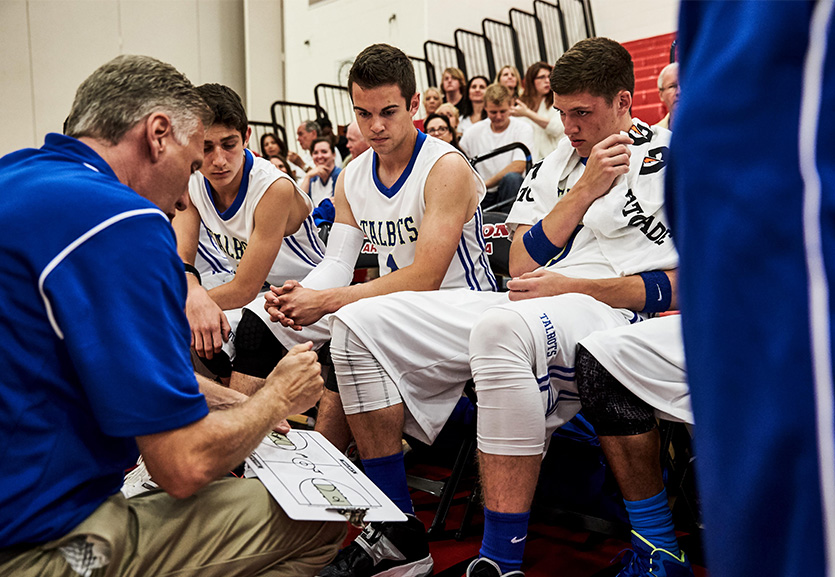
Image Source: www.dickssportinggoods.com
How Long Is A Full Time Out In Basketball?
A full timeout in basketball, whether in the NBA, college, or high school, typically lasts 75 seconds or 100 seconds. The exact duration depends on the league and specific situation, with most professional leagues favoring the longer end of this spectrum.
Basketball games, while seemingly straightforward, involve intricate timing and strategic pauses. Understanding the duration of a full timeout is crucial for appreciating the flow of a basketball game length and how it impacts the overall basketball game duration. This post will delve into the specifics of timeout lengths across different levels of play, explore the factors influencing these durations, and touch upon how timeouts fit into the broader context of NBA game duration, college basketball game time, and even how long does a quarter last in basketball. We’ll also consider how these pauses affect the basketball game clock and the overall typical basketball game duration.
Deciphering Timeout Durations Across Leagues
The length of a timeout isn’t a universally fixed number. It varies based on the governing body and the specific rules in place for that league. Let’s break down the common durations:
-
National Basketball Association (NBA): In the NBA, there are two main types of timeouts:
- Full Timeouts: These are the longer, more strategic timeouts. Most full timeouts in the NBA last for 100 seconds. These are the ones teams often call to draw up plays, make adjustments, or stem an opponent’s momentum.
- 20-Second Timeouts: These are shorter timeouts, as the name suggests, lasting 20 seconds. They are typically used for quick strategic adjustments or to regroup players without the extensive huddle time of a full timeout.
-
NCAA (College Basketball): College basketball also has different timeout lengths, though they are generally shorter than the NBA’s full timeouts:
- 60-Second Timeouts: This is the standard length for a full timeout in NCAA men’s and women’s basketball. These timeouts are crucial for coaches to make adjustments and motivate their teams.
- 30-Second Timeouts: Similar to the NBA’s 20-second timeouts, these are shorter pauses used for quick discussions.
-
FIBA (International Basketball): International basketball, governed by FIBA, also has its own set of rules:
- 60-Second Timeouts: Similar to college basketball, FIBA timeouts are typically 60 seconds.
- 30-Second Timeouts: These are also available for quicker pauses.
-
High School Basketball: Rules can vary slightly by state or athletic association, but generally, high school basketball timeouts are often:
- 60-Second Timeouts: This is a common duration for full timeouts.
- 30-Second Timeouts: Shorter timeouts are also usually available.
It’s important to note that these are the “full” or standard lengths. The actual time elapsed on the basketball game clock when a timeout is called might appear slightly different due to the stoppage of play and the time it takes for players and coaches to reach their respective benches.
Factors Influencing Timeout Duration
Several factors contribute to the established lengths of timeouts:
- Strategic Needs: Longer timeouts allow coaches ample time to discuss strategies, analyze opponent tendencies, make substitutions, and deliver motivational speeches. This is especially important in close games or when a team is struggling.
- Commercial Breaks: In professional leagues like the NBA, timeouts are also strategically scheduled to coincide with or allow for commercial breaks. This is a significant revenue driver for the league. The 100-second timeout allows for a dedicated commercial break within the game’s flow.
- Player Fatigue: Basketball is a physically demanding sport. Timeouts offer players a much-needed opportunity to rest, rehydrate, and receive treatment from trainers if necessary.
- Game Flow and Momentum: Coaches use timeouts to disrupt an opponent’s momentum or to regain their own team’s rhythm. The duration of the timeout directly impacts its effectiveness in achieving these goals. A shorter timeout might just be a quick breather, while a longer one can completely change the complexion of a game.
- Rule Variations: Different governing bodies establish rules to balance the needs of the game, the athletes, and the business aspects of professional sports.
The Role of Timeouts in Basketball Game Length
Timeouts significantly contribute to the overall basketball game length. While a regulation NBA game officially consists of 48 minutes of play (four 12-minute quarters), the actual NBA game duration often extends well beyond this due to these strategic pauses and other stoppages. Similarly, a college basketball game time that officially features 40 minutes of play (two 20-minute halves) will also be extended by timeouts.
Let’s consider how timeouts impact the typical basketball game duration:
- Number of Timeouts: Teams are allotted a specific number of timeouts per half or per game. In the NBA, teams are given seven timeouts per game, with limitations on how many can be taken in the final minutes of each half.
- When Timeouts Are Called: The timing of when timeouts are called is critical. A coach might call a timeout early in a quarter to stop a scoring run by the opponent, or late in the game to set up a final play. This strategic use of timeouts directly adds to the overall time the game takes to complete.
- Unused Timeouts: Unused timeouts do not carry over between halves or games. This encourages coaches to use their allotted timeouts strategically throughout the contest.
How Many Minutes in a Basketball Game?
When asking how many minutes in a basketball game, it’s important to distinguish between regulation playing time and the total elapsed time.
-
Regulation Playing Time:
- NBA: 48 minutes (four 12-minute quarters)
- NCAA (Men’s and Women’s): 40 minutes (two 20-minute halves)
- FIBA: 40 minutes (four 10-minute quarters)
- High School: Generally 32 minutes (four 8-minute quarters), though some variations exist.
-
Total Elapsed Time: The actual time it takes for a game to conclude, including timeouts, halftime, fouls, out-of-bounds plays, and potential overtime in basketball duration, can be significantly longer. An NBA game can easily last between 2 to 2.5 hours, while a college game might range from 1.5 to 2 hours.
How Long Are Basketball Periods?
The length of basketball periods, or quarters, also varies by league, directly impacting the game’s structure and the frequency of potential timeouts.
- NBA Quarters: Each NBA quarter is 12 minutes long.
- NCAA Halves: NCAA games are divided into two 20-minute halves.
- FIBA Quarters: FIBA games have four 10-minute quarters.
- High School Quarters: Typically 8 minutes per quarter.
These period lengths are crucial for understanding the basketball game clock and how it’s managed. For instance, a team trailing in a 12-minute NBA quarter with only a few minutes left might use their timeouts more aggressively to stop the clock and strategize.
The Impact of Overtime in Basketball Duration
When a game is tied at the end of regulation, it goes into overtime. The overtime in basketball duration is another factor that extends the total basketball game length.
- NBA Overtime: Overtime periods in the NBA are 5 minutes long. If the game remains tied after the first overtime period, another 5-minute overtime period is played. This continues until one team leads at the end of an overtime period.
- NCAA Overtime: NCAA overtime periods are typically 5 minutes long. Similar to the NBA, multiple overtime periods can be played if necessary.
- FIBA Overtime: FIBA overtime periods are usually 5 minutes long.
These extended periods, combined with the stoppages for timeouts and other game events, are why the typical basketball game duration can be so much longer than the advertised regulation playing time.
Types of Timeouts and Their Specifics
While we’ve focused on “full” timeouts, it’s worth acknowledging other types of stoppages that resemble timeouts or have similar impacts on game flow:
- Mandatory Stoppages (e.g., NBA’s “TV Timeouts”): In the NBA, there are mandatory timeouts that occur at specific intervals, usually around the 7-minute and 3-minute marks of each quarter. These are often called “TV timeouts” because they are designed to accommodate television commercials. Their duration is usually 100 seconds.
- Player-Called Timeouts: Players on the court can call timeouts. These are typically shorter (like the NBA’s 20-second timeouts) and are often used to stop play on an opponent’s fast break or to prevent a turnover.
- Coach-Called Timeouts: These are the standard timeouts that coaches initiate to discuss strategy or stop the game. Their duration is what we’ve primarily discussed (75 or 100 seconds).
How Timeouts Affect Basketball Game Timing
The management of basketball game timing is a delicate balance between continuous play and strategic interruptions. Timeouts are a primary tool for this management.
- Stopping the Clock: The most immediate effect of a timeout is stopping the basketball game clock. This is vital for teams that need to preserve time or prevent the opponent from scoring quickly.
- Pacing the Game: Timeouts break up the rhythm of the game, which can either help a struggling team regroup or hinder a team that has found a strong offensive or defensive flow.
- Player Stamina: By allowing players to rest, timeouts can influence the endurance levels of athletes throughout the game, potentially impacting performance in the later stages.
Let’s look at a comparative table for clarity:
| Feature | NBA | NCAA | FIBA | High School (Typical) |
|---|---|---|---|---|
| Full Timeout | 100 seconds | 60 seconds | 60 seconds | 60 seconds |
| Shorter Timeout | 20 seconds | 30 seconds | 30 seconds | 30 seconds |
| Quarter Length | 12 minutes | N/A (halves are 20 minutes) | 10 minutes | 8 minutes |
| Half Length | N/A (quarters are 12 minutes) | 20 minutes | N/A (quarters are 10 minutes) | N/A (quarters are 8 minutes) |
| Overtime Length | 5 minutes | 5 minutes | 5 minutes | 4 minutes (varies by state) |
| Regulation Play | 48 minutes | 40 minutes | 40 minutes | 32 minutes |
Frequently Asked Questions (FAQ)
Q1: What is the exact length of an NBA full timeout?
A: An NBA full timeout is 100 seconds.
Q2: Can a team call a timeout at any time?
A: Generally, yes, a team can call a timeout when they have possession of the ball or during a dead ball situation. However, there are rules about when timeouts can be called in the final minutes of quarters or overtime to prevent excessive stoppage.
Q3: Do timeouts count towards the total basketball game length?
A: Yes, all timeouts, along with other stoppages like fouls, out-of-bounds plays, and halftime, contribute to the total elapsed time of a basketball game, making the actual duration longer than the regulation playing time.
Q4: How many minutes in a basketball game are actually played without stoppages?
A: This varies greatly depending on the game’s pace and the number of fouls. However, the regulation playing time (e.g., 48 minutes in the NBA) is the amount of time the basketball game clock is running.
Q5: Are college basketball timeouts the same length as NBA timeouts?
A: No, college basketball timeouts are typically shorter, with 60-second full timeouts being standard, compared to the NBA’s 100-second full timeouts.
Q6: What is the duration of overtime in basketball?
A: Overtime periods in most major leagues (NBA, NCAA, FIBA) are 5 minutes long.
Q7: How does a timeout affect the basketball game clock?
A: A timeout completely stops the basketball game clock until the timeout concludes and play resumes.
By examining these details, we gain a more comprehensive appreciation for the intricacies of basketball game timing and how a seemingly simple pause, like a full timeout, plays a significant role in shaping the overall basketball game duration and the strategic landscape of every contest. Whether you’re tracking the NBA game duration or the college basketball game time, understanding these timing elements is key to enjoying the sport to its fullest.