
What makes a good basketball shooter? A good basketball shooter possesses excellent shooting form, shooting mechanics, and shooting consistency, honed through dedicated practice and a deep understanding of the game’s nuances. Can I become a good shooter? Yes, absolutely, with the right guidance and persistent effort.
Becoming a great shooter in basketball isn’t about luck; it’s about building a foundation of solid shooting mechanics and diligently applying them through consistent practice. This guide will walk you through every essential element, from grip to follow-through, ensuring you can elevate your game and consistently sink those shots.
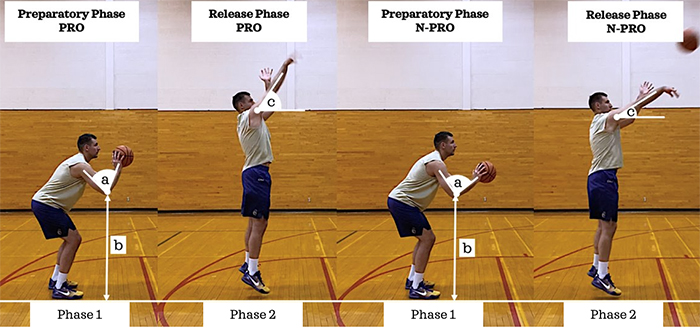
Image Source: news-archive-assets.ku.edu
Building Your Shooting Foundation: The Fundamentals
At the heart of every great shooter lies an impeccable shooting form. This isn’t just about looking good; it’s about creating a repeatable, efficient, and powerful motion that translates into accuracy. Let’s break down the core components.
Grip and Ball Placement
Your grip is where it all begins. It provides stability and control for your shot.
- Shooting Hand: Place your shooting hand behind the ball, with your fingers spread comfortably. Your palm should not be completely flat against the ball; instead, create a slight cupping motion. The ball should rest on your fingertips and the pads just behind them, not deep in your palm.
- Guide Hand: Your non-shooting hand (guide hand) should be on the side of the ball, lightly touching it for balance. Crucially, it should not apply any force or spin to the ball. Think of it as a stabilizer, not a pusher. Your guide hand should not interfere with your shooting hand’s release.
- Ball Position: The ball should be held at your “shot pocket,” which is typically around your chest or chin area, depending on your preference and comfort. This position allows for a smooth, upward motion without unnecessary arm extension.
Balance and Stance
A solid base is paramount for a consistent shot.
- Feet Placement: Your feet should be shoulder-width apart or slightly wider. Your dominant foot should be slightly in front of your non-dominant foot, creating a balanced stance. The exact positioning can vary slightly from player to player, but the key is that you feel stable and aligned with the basket.
- Knees: Bend your knees slightly. This creates power and allows for a fluid transfer of energy from your legs through your body to the ball. It also helps you absorb contact and maintain balance when contested.
- Body Alignment: Your shooting shoulder, elbow, and wrist should ideally be aligned directly towards the basket. Imagine a straight line connecting these points to the hoop.
The Shooting Motion: From Start to Finish
The shot itself is a coordinated dance of body parts working in unison. Mastering these shooting mechanics is key to shooting consistency.
The Set Point
This is the starting point of your shooting motion. The ball is in your shot pocket, ready to be brought up.
Bringing the Ball Up
- Elbow Tuck: As you bring the ball up towards your shooting position, your elbow should be tucked in, forming an “L” shape with your shooting arm. Avoid letting your elbow flare out to the side, as this creates an inconsistent release point and reduces accuracy.
- Wrist Cock: Your shooting wrist should be cocked back, ready to flick forward. This allows for backspin on the ball, which is crucial for a soft touch and consistent bounce off the rim.
The Jump
- Vertical Jump: When you jump, aim for a straight, vertical ascent. Resist the urge to jump forward or backward, as this will throw off your alignment.
- Ball Up: Bring the ball up with you as you jump. The ball should reach its peak, or near-peak, on your jump just before you release it.
The Release
This is arguably the most critical phase of your jump shot technique.
- Arm Extension: Extend your shooting arm fully upwards towards the basket.
- Wrist Snap: As your arm extends, snap your wrist forward. This action imparts the backspin on the ball.
- Fingertip Control: The ball should leave your fingertips, primarily your index and middle fingers. This provides control and allows for fine-tuning of the shot.
The Follow Through
This is what separates good shooters from great ones. A proper follow through is essential for shooting consistency.
- “Gooseneck” Finish: After releasing the ball, keep your shooting arm extended and your wrist snapped. Your wrist should resemble a “gooseneck” or a “hello” gesture, with your palm facing downwards or slightly inwards, and your fingers pointing towards the hoop.
- Hold It: Hold your follow through for a moment after the ball leaves your hand. This ensures that all the energy from your shooting motion is transferred to the ball and that your release is clean. This is a vital part of your shooting form.
Developing Elite Shooting Skills: Drills and Practice
Having the correct shooting mechanics is only half the battle. The other half is drilling these fundamentals until they become second nature. Consistent practice with purpose is the key to shooting consistency.
Key Shooting Drills for Improvement
These shooting drills are designed to reinforce good habits and build muscle memory.
Form Shooting
This is the bedrock of improvement. It focuses on perfecting your shooting form without the pressure of making shots.
- Close Range Form Shooting: Stand right under the basket. Focus on your grip, wrist flick, and follow through. Shoot with one hand initially, then add the guide hand. Make 5-10 shots with perfect form before moving back a few feet. Gradually increase the distance.
- One-Handed Form Shooting: This drill isolates your shooting arm and wrist, forcing you to develop a clean release and follow through. Shoot from various spots on the court, focusing purely on the mechanics.
Stationary Shooting
Once you’re comfortable with form shooting, move to stationary shooting drills that build repetition.
- “Around the World”: Start at one spot on the court (e.g., the corner). Make a shot before moving to the next spot. Continue around the basket, taking shots from different angles and distances. This builds shooting consistency from various locations.
- “Star Drill”: Place cones or markers around the key, forming a star shape. Shoot from each point, focusing on your shooting form and follow through on every attempt. Make a certain number of shots from each spot before moving on.
Shooting Off the Dribble
Many game situations require you to shoot after dribbling. This is where the dribble pull-up becomes crucial.
- Dribble Pull-Up Drill: Start at the three-point line. Dribble towards the basket, perform a quick two-step pull-up, and shoot. Focus on gathering the ball smoothly and transitioning into your shooting motion. Vary your dribble moves (crossover, hesitation) and the direction of your pull-up.
- “Five Spots” Dribble Pull-Up: From the top of the key, dribble to one of the five spots on the perimeter (corners, wings, top). Pull up and shoot. Repeat for all five spots. This helps you develop the rhythm of dribbling into a shot.
Shooting Off the Catch
Being able to shoot quickly and accurately after receiving a pass is vital. This is your catch and shoot ability.
- “Catch and Shoot” Drill: Have a partner or use a ball machine to pass you the ball. As you catch the ball, aim to catch it in your shooting pocket, ready to shoot. Focus on squaring your shoulders to the basket and rising into your shot smoothly.
- “Pass and Shoot” with Movement: Start at a wing. Have a partner pass you the ball as you cut from the basket. Catch the ball, take a step or two into your shot, and release. Vary the cuts and the angles of the pass.
Free Throws: The Ultimate Test of Consistency
Your free throw routine is a critical part of your overall shooting prowess. Free throws are uncontested shots, and you should be able to make them consistently.
- Develop a Routine: A free throw routine is a sequence of actions you perform before every free throw. This could include dribbling a specific number of times, taking a deep breath, or visualizing the shot. Consistency in your routine helps calm your nerves and focus your mind.
- Repetition: Shoot free throws after every practice session. Make 10-20 free throws consecutively. Shoot them when you’re tired, simulating game conditions.
Factors Influencing Shooting Performance
Beyond the physical mechanics, several other elements contribute to becoming a good shooter.
Mental Game
The mental aspect of shooting is often overlooked but is incredibly important for shooting consistency.
- Confidence: Believe in your ability to make the shot. This comes from dedicated practice and trust in your shooting form.
- Focus: Block out distractions. Concentrate on your routine and the target.
- Resilience: Don’t get discouraged by missed shots. Every shooter misses. Learn from it and focus on the next shot.
- Visualization: Before taking a shot, visualize the ball going through the net.
Physical Conditioning
While technique is primary, a certain level of physical fitness supports your shooting.
- Leg Strength: Strong legs provide the power for your jump shot and contribute to stability.
- Core Strength: A strong core helps transfer energy efficiently from your legs to your upper body, aiding in balance and power.
- Endurance: Being able to shoot accurately when tired is a hallmark of a great shooter.
Understanding Shooting Angles and Trajectories
Different shots require different trajectories.
- High Arc Shots: For shots closer to the basket or when a defender is closing out, a higher arc can be beneficial to clear the defender’s hands and increase the chance of bouncing favorably off the rim.
- Line Drive Shots: For longer-range shots, a flatter trajectory can sometimes be more effective, reducing the arc but requiring more power and precision. The goal is to find the optimal arc for your jump shot technique and the situation.
Analyzing Your Shot: Self-Correction and Improvement
Becoming a great shooter is an ongoing process of learning and refinement.
Video Analysis
Recording yourself shooting can be incredibly insightful.
- Review Your Form: Watch your shooting form and shooting mechanics from different angles. Are your elbow tucked? Is your wrist snapping correctly? Is your follow through consistent?
- Identify Inconsistencies: Notice any variations in your shot from one attempt to another. This helps pinpoint areas for improvement.
Seeking Feedback
Don’t be afraid to ask for advice.
- Coaches and Experienced Players: They can often spot subtle flaws in your shooting mechanics that you might miss.
- Training Partners: Work with others who are also focused on improving their shooting. You can provide each other with constructive criticism.
Table: Key Components of a Good Basketball Shot
| Component | Description | Importance for Consistency |
|---|---|---|
| Grip | Fingers spread, ball on fingertips, guide hand on the side, not pushing. | Provides control and a clean release. |
| Stance & Balance | Feet shoulder-width, slight knee bend, balanced weight. | Foundation for power and repeatable motion. |
| Elbow Alignment | Shooting elbow tucked in, forming an “L” shape. | Ensures a straight shot path and consistent release point. |
| Wrist Cock | Shooting wrist bent backward, ready to flick forward. | Imparts necessary backspin for a soft touch. |
| Release | Full arm extension, wrist snap, ball leaving fingertips. | The point of contact with the ball; precision matters. |
| Follow Through | Arm extended, wrist snapped, “gooseneck” finish pointing at the basket. | Crucial for imparting spin and guiding the ball. |
| Jump | Straight, vertical jump with the ball reaching near its peak. | Maintains alignment and generates power. |
| Dribble Pull-Up | Smooth transition from dribble to jump shot, maintaining balance. | Essential for creating your own shot off the dribble. |
| Catch and Shoot | Catching the ball in a ready-to-shoot position, squaring up quickly. | Maximizes efficiency when receiving a pass. |
| Free Throw Routine | A consistent sequence of actions before each free throw. | Promotes mental focus and repeatable execution. |
The Journey to Elite Shooting: Dedication and Patience
Becoming a good basketball shooter is a marathon, not a sprint. It requires unwavering dedication to practice, a commitment to refining your shooting mechanics, and the patience to see results.
Practice Shots: Quality Over Quantity
While practice shots are essential, the quality of those shots matters more than the sheer volume.
- Focus on Form: Every shot should be taken with intent and focus on your shooting form.
- Game Speed: As you improve, try to replicate game speed and intensity in your shooting drills.
- Weak Hand Shooting: Incorporate drills that strengthen your weak hand for improved overall control and finishing ability.
Shooting Consistency: The Ultimate Goal
Shooting consistency is the ultimate outcome of mastering shooting form, shooting mechanics, and diligent practice. It means being able to replicate your success shot after shot, regardless of the situation.
Common Pitfalls to Avoid
- Rushing Your Shot: This often leads to poor follow through and inconsistent releases.
- Using Your Guide Hand to Push: The guide hand should only stabilize.
- Failing to Follow Through: A weak or absent follow through is a hallmark of an inconsistent shooter.
- Not Practicing Free Throws: Neglecting your free throw routine will cost you points in games.
- Chasing “Tricks” Over Fundamentals: Focus on mastering the basics before experimenting with advanced techniques.
Frequently Asked Questions (FAQ)
Q1: How many shots should I take per day to improve?
A1: While there’s no magic number, focus on quality over quantity. Aim for 300-500 practice shots per day, ensuring each one is taken with correct shooting form and follow through. Consistency in practice is more important than sporadic high-volume sessions.
Q2: What is the best way to practice a dribble pull-up?
A2: Start with basic pull-ups without dribbling to perfect your jump shot technique. Then, incorporate simple dribble moves (like a crossover or hesitation) into your pull-up. Focus on a smooth transition from dribble to jump, gathering the ball efficiently, and maintaining balance through your release and follow through.
Q3: My shooting consistency is low. What am I doing wrong?
A3: Low shooting consistency often stems from an inconsistent shooting form or lack of dedicated practice. Review your shooting mechanics, especially your follow through and elbow alignment. Ensure you are practicing regularly and focusing on repeating the same motion every time.
Q4: How important is the free throw routine?
A4: The free throw routine is incredibly important. It helps you mentally prepare and physically settle yourself, reducing the impact of pressure. A consistent routine aids in developing shooting consistency even in high-stakes situations.
Q5: Can I develop good shooting mechanics on my own, or do I need a coach?
A5: While a coach can provide invaluable personalized feedback, you can make significant progress on your own by studying proper shooting form, watching instructional videos, and using self-analysis tools like video recording. However, having a coach or experienced player observe your shot can help identify subtle flaws that might be missed otherwise.
By diligently working on these principles, you can transform your shooting ability. Master your shot, and watch your game reach new heights.