
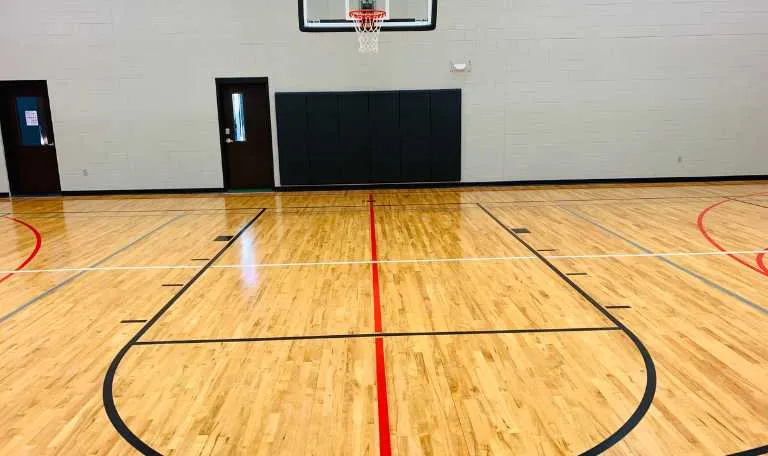
Image Source: sportsvenuecalculator.com
Can You Play On Elementary School Basketball Courts? Public Access
Yes, generally, you can play on elementary school basketball courts when school is not in session and the facility is not being used for official school activities. The accessibility of these courts for public use often depends on local school district policies, community agreements, and signage posted at the school. Many elementary schools have schoolyard hoops that are intended for community use outside of school hours.
Exploring Public Access to Schoolyard Hoops
Elementary school basketball courts, often featuring vibrant lines and sturdy backboards, can be fantastic spots for a pickup game or some solo shooting practice. They are part of the larger landscape of public basketball courts that serve communities. Many people wonder about the rules and etiquette surrounding their use. This exploration delves into the specifics of when and how you might be able to enjoy these neighborhood courts.
When Are Elementary School Courts Available?
The primary factor determining availability is the school schedule.
- School Hours: During the school day, from the moment children arrive for classes until they are dismissed and safely depart, the basketball courts are typically reserved for educational purposes and supervised children’s basketball activities. This includes physical education classes and organized youth basketball events.
- After School Hours: Once the school day concludes and students have left the premises, the courts may become accessible. However, this can vary. Some schools may still have after-school programs, sports practices, or club meetings that utilize the facilities.
- Weekends and Holidays: Weekends and official school holidays are often the most accessible times for public use. During these periods, schools are generally closed, and facilities might be open for community enjoyment.
- Summer Break: Summer vacation usually presents the most open window for public access. With no students or classes, these courts can become popular hubs for recreational basketball.
Who Sets the Rules?
The authority over elementary school property, including basketball courts, rests with the local school district.
- School District Policies: Each district has its own set of rules regarding facility usage. These policies are designed to ensure safety, prevent damage, and manage liability.
- School Administration: Individual school principals and their staff are responsible for enforcing district policies at their specific campus.
- Community Agreements: In some cases, there might be formal or informal agreements between the school district and local city or park departments that allow for shared use of facilities, potentially expanding public access.
Factors Influencing Public Access
Several key elements determine whether you can use an elementary school basketball court.
Local School District Policies
The foundation of access lies in the official stance of the governing school district. These policies are often available on the district’s website or can be obtained by contacting the district directly.
- Open Campus Policies: Some districts may have an “open campus” policy for outdoor facilities, meaning they are generally accessible to the public when not in use by the school.
- Closed Campus Policies: Conversely, other districts may maintain a “closed campus” policy, where all facilities are considered strictly for school use only, and public access is prohibited even outside of school hours.
- Permit Requirements: A few districts might allow public use but require a permit or reservation, especially for organized groups, amateur basketball leagues, or community basketball programs.
Posted Signage and Gate Access
The most direct indicator of availability is often found on-site.
- “Open” vs. “Closed” Signage: Look for signs at the entrance to the school grounds or the court area. Signs indicating “Public Welcome” or “School Hours Only” provide clear guidance. Conversely, signs stating “No Trespassing” or “School Property – Authorized Personnel Only” clearly restrict access.
- Gated Facilities: Some schools may have gates that are locked outside of school hours. If the court area is enclosed by a fence with locked gates, it is a strong indicator that public access is not permitted.
Facility Condition and Maintenance
The upkeep of the court also plays a role.
- Safety Concerns: If a court is in disrepair, with cracked pavement, damaged hoops, or other safety hazards, it might be temporarily or permanently closed off, regardless of school hours.
- Maintenance Schedules: Schools or districts may perform maintenance or repairs on the courts during periods when they are not in use by students. This can lead to temporary closures.
Etiquette for Public Court Use
When elementary school courts are available for public play, a few common courtesies can make the experience enjoyable for everyone.
Respecting School Property
Treating the school grounds with care is paramount.
- No Littering: Always dispose of trash properly in designated bins or take it with you.
- No Vandalism: Do not mark on walls, fences, or court surfaces.
- Respectful Behavior: Keep noise levels reasonable, especially if residences are nearby.
Sharing the Court
Basketball is often a communal activity, especially on playground basketball courts.
- Taking Turns: If others are waiting to play, adhere to common court etiquette. This might involve playing timed games (e.g., “winners stay on” for a limited number of games or a set time) or allowing new players to join the rotation.
- Mindful of Younger Players: Remember that these courts are often used by younger children. Be patient and accommodating, especially if younger players are involved in kids basketball practice.
- Organized Groups vs. Casual Play: If you are part of an organized group, like an intramural basketball team or a casual league, be mindful of how your group’s presence affects individuals who might just want to shoot around. If the court is heavily used by casual players, consider finding an alternative time or location.
Appropriate Gear
While not always strictly enforced, some considerations can enhance the experience.
- Appropriate Footwear: Basketball shoes provide grip and support.
- Respectful Attire: While casual wear is expected, extremely revealing or offensive clothing might be discouraged.
Alternatives if Elementary Courts Are Unavailable
If you find that elementary school courts are not accessible to the public, don’t worry! There are many other places to enjoy youth basketball and general recreational basketball.
Public Parks and Recreation Centers
Many municipal parks feature well-maintained basketball courts. These are typically open to the public during park hours and are often managed by local park and recreation departments.
- Community Centers: These often have indoor courts that can be used for leagues, practices, and open play. They are excellent resources for community basketball programs.
- Outdoor Park Courts: These are plentiful and vary in quality and amenities. They are a cornerstone of playground basketball culture in many neighborhoods.
YMCA and Other Community Organizations
Organizations like the YMCA often provide excellent facilities for basketball, catering to all ages and skill levels. They frequently run children’s basketball programs and intramural basketball events.
High School and College Courts (with Permission)
While generally reserved for their own athletic programs, some high schools or colleges might allow public access to their courts at certain times, especially during off-seasons or if a community partnership exists. This often requires specific permission or oversight.
Legal and Safety Considerations
Using school property comes with inherent responsibilities.
Liability and Risk
- Assumption of Risk: By using school property, individuals generally assume the risk of injury. School districts often have waivers or disclaimers in place, either explicitly posted or implied by the nature of public access.
- No Supervision: When using courts outside of school hours, there is typically no direct supervision, meaning users are responsible for their own safety and the safety of their companions.
Trespassing Laws
It’s crucial to be aware of local laws regarding trespassing.
- Posted Hours: If a facility is posted with specific hours of operation, entering outside of those hours could be considered trespassing.
- School Property Boundaries: Respect any fences or barriers that clearly demarcate school property from public areas.
A Table of Potential Public Access Scenarios
To provide a clearer picture, consider this table outlining common scenarios:
| Scenario | Likelihood of Public Access | Key Considerations |
|---|---|---|
| During School Hours | Very Low | School activities, PE classes, supervised play. |
| Immediately After School | Moderate | May be used for after-school programs, clubs, or kids basketball practice. |
| Late Afternoon/Early Evening | High | Often accessible once official school activities have concluded. |
| Weekends | High | Generally available, unless reserved for specific school or league events. |
| School Holidays | High | Typically open, as schools are closed. |
| Summer Break | Very High | Most open period, ideal for youth basketball and casual play. |
| Gated Facilities | Low (if locked) | Locked gates usually signify restricted access. |
| Clearly Posted “No Trespassing” | None | Strict prohibition of public entry. |
The Role of Elementary School Courts in Community Sports
Elementary school courts serve as more than just playgrounds; they are vital spaces for fostering a love of the game. They are often the first introduction many children have to organized sports, providing a safe and accessible environment for children’s basketball.
Nurturing Future Athletes
These courts are where many young dreams begin. They are the sites of informal games that hone skills and build camaraderie, laying the groundwork for participation in amateur basketball leagues and beyond. The accessibility of these schoolyard hoops can be a significant factor in encouraging regular physical activity among children.
Building Community Ties
When used by the public outside of school hours, these courts can become neighborhood gathering spots. They facilitate informal social interactions and strengthen community bonds through shared activities like recreational basketball. This fosters a sense of belonging and shared ownership of local resources.
Frequently Asked Questions (FAQ)
Q1: Can I use elementary school basketball courts after dark?
A1: Generally, no. Most elementary school grounds, including basketball courts, are not illuminated and are considered closed after sunset or a specific closing time posted by the school district. Playing in the dark can be dangerous due to poor visibility and potential hazards.
Q2: Am I allowed to organize an amateur basketball league on an elementary school court?
A2: It depends heavily on the school district’s policies. Most organized leagues, even amateur ones, require permits and formal agreements with the school district or the city’s parks and recreation department. You would need to contact the school district or relevant municipal body to inquire about reserving the space and any associated fees or requirements.
Q3: What if I see other people playing on the court during school hours?
A3: While it might seem permissible if others are there, it’s best to adhere to the official school district policies. If the school is in session, these individuals may have official permission, or they might be violating the rules themselves. It’s always safest to assume the court is off-limits during school hours unless clearly posted otherwise.
Q4: Is it okay to bring my own basketball and use the hoops?
A4: Yes, if the court is open for public use, bringing your own basketball is standard practice. The hoops are typically provided as part of the court facilities for general use.
Q5: What should I do if a school court is in poor condition?
A5: If you notice unsafe conditions, such as significant cracks in the pavement, damaged backboards, or broken rims, you should report it to the school administration or the school district’s facilities department. This ensures the safety of all users and helps maintain the facility.
Q6: Are elementary school basketball courts suitable for serious training or competitive play?
A6: While elementary school courts are great for casual play and kids basketball practice, they may not always meet the specifications required for highly competitive play or official tournaments. Factors like court dimensions, surface quality, and rim height might vary. However, for general skill development and enjoyment, they are perfectly adequate.
Q7: Can I reserve an elementary school court for a birthday party or family event?
A7: Similar to organizing leagues, reserving school property for private events usually requires a formal request and approval from the school district. Policies vary widely, so direct inquiry with the district is necessary.
In conclusion, elementary school basketball courts can be wonderful community assets, offering opportunities for physical activity and fun. By being aware of school policies, respecting facility rules, and practicing good court etiquette, you can help ensure these spaces remain available and enjoyable for everyone.