
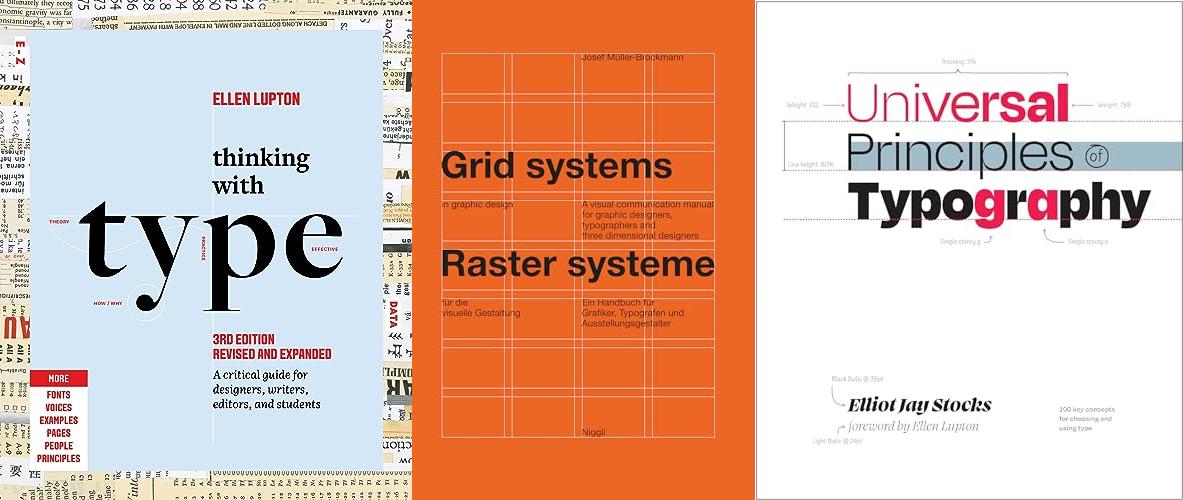
Ever stared at a beautifully designed page and wondered what makes those letters look so good? It’s not magic; it’s typography! Think of letters as the building blocks of what we read. Getting them right makes a huge difference in how clear and appealing words are.
But here’s the tricky part: finding the perfect book about typography can feel like searching for a needle in a haystack. There are so many choices, and it’s tough to know which ones will truly help you understand the art of letter design. You might feel overwhelmed by all the technical terms or unsure where to even begin your learning journey.
That’s exactly why we’ve put together this guide. We’re going to break down what makes a great typography book and help you discover resources that will make learning about fonts exciting and easy. By the end of this post, you’ll have a clearer idea of which books can unlock your understanding of this fascinating subject, transforming the way you see and use type.
Our Top 5 Typography Books Recommendations at a Glance
Top 5 Typography Books Detailed Reviews
1. Thinking with Type: A Critical Guide for Designers

Rating: 9.0/10
Thinking with Type: A Critical Guide for Designers, Writers, Editors, and Students (3rd Edition, Revised and Expanded) is a go-to resource for anyone who works with words and visuals. It helps you understand how letters and words look on a page. This book teaches you the rules and best practices for making text clear and attractive. It covers everything from choosing fonts to laying out pages. It’s updated for today’s design world. This guide is useful for students learning design and professionals needing a refresher.
What We Like:
- It offers clear explanations of complex typography concepts.
- The book provides practical examples and exercises.
- It’s comprehensive, covering a wide range of topics in typography.
- The updated edition includes new content relevant to current design trends.
- It helps improve the readability and visual appeal of any text.
What Could Be Improved:
- Some advanced sections might be challenging for absolute beginners.
- A few more digital-focused examples could be beneficial.
This guide is an essential tool for anyone serious about effective communication through design and text. It empowers you to make informed decisions about typography.
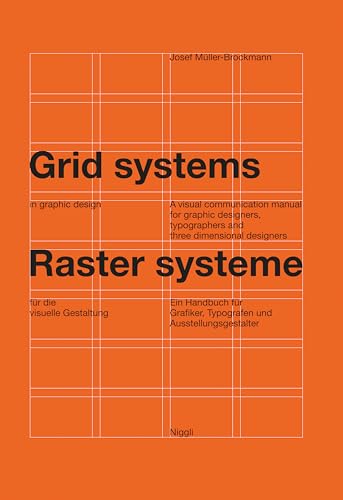
2. Grid systems in graphic design: A visual communication manual for graphic designers
Rating: 9.0/10
The book “Grid systems in graphic design: A visual communication manual for graphic designers, typographers and three dimensional designers (German and English Edition), 1st Edition” is a helpful guide for anyone working with visual design. It teaches you how to use grids to make your designs look organized and professional. This book is written for people who design graphics, work with fonts, or create 3D objects.
What We Like:
- It helps you create clear and pleasing designs.
- The book is written in both German and English, which is great for many readers.
- It explains complex ideas in a way that’s easy to understand.
- You will learn how to make your layouts balanced and effective.
What Could Be Improved:
- As a first edition, some readers might hope for more advanced examples.
- More real-world case studies could be included.
This manual is a solid resource for building a strong foundation in grid systems. It’s a valuable tool for anyone wanting to improve their design communication skills.
3. Universal Principles of Typography: 100 Key Concepts for Choosing and Using Type (Rockport Universal)

Rating: 8.7/10
Universal Principles of Typography: 100 Key Concepts for Choosing and Using Type (Rockport Universal) is a fantastic guide for anyone who wants to understand how to use fonts better. It breaks down complicated ideas into simple, easy-to-grasp lessons. This book helps you learn why certain fonts look good together and how to pick the best type for your projects. It’s like having a friendly teacher for all your design needs.
What We Like:
- Clearly explains 100 important typography ideas.
- Makes learning about fonts fun and easy.
- Helps you choose and use type effectively.
- Great for beginners and experienced designers alike.
- Provides practical advice you can use right away.
What Could Be Improved:
- Some concepts might still feel a bit advanced for absolute beginners.
- More visual examples could enhance understanding for some readers.
This book is a must-have for anyone looking to improve their design skills. It empowers you to make smarter choices about type.
4. Logos that Last: How to Create Iconic Visual Branding

Rating: 9.3/10
This book, “Logos that Last: How to Create Iconic Visual Branding,” is your guide to making a logo that people remember. It helps you understand what makes a logo stand out. You’ll learn how to design a logo that truly represents your brand.
What We Like:
- It gives clear steps to design a logo.
- The book explains why some logos are better than others.
- You get practical tips you can use right away.
- It teaches you to think about your audience.
- The advice is easy to understand.
What Could Be Improved:
- More real-life examples of successful logos could be included.
- It doesn’t offer specific software recommendations.
- A section on common logo mistakes would be helpful.
This book is a valuable resource for anyone wanting to build a strong brand. It equips you with the knowledge to create a logo that makes a lasting impression.
5. The Typography Idea Book: Inspiration from 50 Masters (Type

Rating: 8.6/10
Unlock your creative potential with “The Typography Idea Book: Inspiration from 50 Masters (Type, Fonts, Graphic Design).” This book is a treasure trove for anyone interested in the art of letters. It showcases the genius of 50 top designers, giving you a peek into their amazing font and graphic design work. Whether you’re a student, a budding designer, or just love beautiful type, this book offers endless inspiration.
What We Like:
- Inspiring examples from 50 different masters.
- Covers a wide range of typography styles.
- Helps you understand how great designers use type.
- Provides a fantastic visual reference for projects.
- It’s a great way to learn about different fonts and their uses.
What Could Be Improved:
- Could include more historical context for some designers.
- More practical exercises or “how-to” sections would be beneficial.
This book is an excellent resource for anyone looking to improve their design skills or simply appreciate the power of typography. It’s a must-have for your design library.
Typography Books: Your Guide to Choosing the Best
Typography is the art of arranging type. It makes words look good on a page or screen. Good typography helps people read easily and makes designs beautiful. Typography books teach you all about this art. They are great for designers, writers, or anyone who loves words.
Why You Need a Typography Book
Typography books are valuable tools. They unlock the secrets of making text look its best. You can learn about different fonts, how to space letters, and how to make text easy to read. These books can improve your projects, whether you’re making a flyer, a website, or even a school paper.
Key Features to Look For
When you’re picking a typography book, keep these things in mind:
- Clarity of Explanation: The book should explain concepts simply. You should understand terms like “kerning” and “leading” easily.
- Visual Examples: Good books show you what they mean. They have lots of pictures and examples of different typefaces and layouts.
- Practical Advice: The book should give you tips you can actually use. It should show you how to choose fonts for different projects.
- Coverage of Topics: A great book covers many areas. It might talk about font history, how to pair fonts, and how to use typography on the web and in print.
- Author’s Expertise: Look for authors who are experienced designers or typographers. Their knowledge makes the book more reliable.
Important Materials
The materials of a book matter for how it feels and lasts.
- Paper Quality: Thick, smooth paper makes the book feel nice. It also prevents ink from bleeding through. Glossy paper can show off images well.
- Binding: A strong binding means the book will open flat. This is helpful when you’re studying it at a desk. Hardcover books are usually more durable than softcovers.
- Print Quality: Clear, sharp printing makes the text and images easy to see. Poor printing can make the book hard to use.
Factors That Improve or Reduce Quality
Some things make a typography book better, while others make it worse.
- Improved Quality:
- Clear diagrams and illustrations.
- Well-organized chapters.
- A good index for finding information quickly.
- Modern examples that are relevant today.
- Reduced Quality:
- Outdated information.
- Too much jargon without explanation.
- Few or no images.
- A confusing layout.
User Experience and Use Cases
How you use a typography book shapes your experience.
- For Beginners: A beginner needs a book that starts with the basics. It should explain why typography is important and introduce simple rules. These books help you build a strong foundation.
- For Designers: Experienced designers might look for books that go deeper. They might want to learn about advanced techniques or the history of specific typefaces. These books help them refine their skills.
- For Writers and Editors: People who write or edit can use these books to make their words more readable. They learn how to choose fonts that match their content.
- For Students: Students in design or art classes will find these books essential for their studies. They use them for assignments and to understand course material.
- For Hobbyists: Anyone interested in making their personal projects look professional can benefit. This includes people making invitations, scrapbooks, or online content.
Frequently Asked Questions about Typography Books
Q: What is the most important thing to learn from a typography book?
A: The most important thing is learning how to make text easy to read and visually appealing. You learn how to choose the right fonts and arrange them well.
Q: Do I need to be a designer to read a typography book?
A: No, you don’t. Anyone who works with words or wants to make their writing look better can learn a lot from these books.
Q: How can a typography book help my website?
A: It can teach you how to pick fonts that are easy to read on a screen. It also helps you make your website look professional and attractive.
Q: What is “kerning”?
A: Kerning is adjusting the space between specific pairs of letters. This makes words look more balanced and professional.
Q: What is “leading”?
A: Leading is the space between lines of text. Proper leading helps make text easier to read.
Q: Should I buy a book with lots of pictures?
A: Yes, visual examples are very helpful. They show you what the book is talking about and make it easier to understand.
Q: Are old typography books still useful?
A: Some old books offer great historical context. However, it’s good to also find books with modern examples and information about digital typography.
Q: How can I choose fonts that go well together?
A: Typography books often have sections on font pairing. They teach you rules and show examples of good combinations.
Q: Can a typography book help me with my resume or cover letter?
A: Absolutely. Using the right fonts and layout can make your application materials look more professional and catch the reader’s eye.
Q: Where can I find good typography books?
A: You can find them in bookstores, online retailers, and libraries. Reading reviews can help you choose the best ones.
In conclusion, every product has unique features and benefits. We hope this review helps you decide if it meets your needs. An informed choice ensures the best experience.
If you have any questions or feedback, please share them in the comments. Your input helps everyone. Thank you for reading.