
Ever feel like you’re navigating a jungle when it comes to parenting? You’re not alone. Every day, parents face a million questions about how to raise happy, healthy kids. From sleep schedules to picky eaters, the challenges are real, and sometimes, you just need a little guidance.
That’s where child-raising books come in. But with so many books on the shelves, how do you pick the ones that will actually help? It can be overwhelming to sift through all the advice, and you might worry about choosing the wrong book and making mistakes. You want reliable information that makes sense for your family.
This post is here to make that choice easier. We’ll explore some of the best child-raising books out there. You’ll learn what makes them stand out and how they can offer practical tips and new perspectives. Get ready to discover resources that can boost your confidence and help you feel more in control on your parenting journey.
Our Top 5 Child Raising Books Recommendations at a Glance
Top 5 Child Raising Books Detailed Reviews
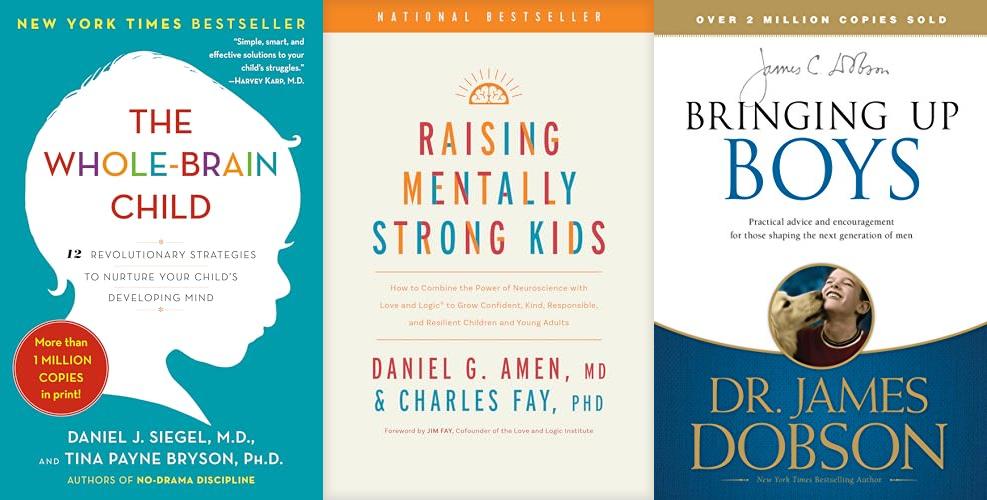
1. The Whole-Brain Child: 12 Revolutionary Strategies to Nurture Your Child’s Developing Mind

Rating: 9.2/10
Looking for ways to help your child understand their feelings and make better decisions? “The Whole-Brain Child: 12 Revolutionary Strategies to Nurture Your Child’s Developing Mind” offers practical advice for parents. This book guides you through understanding your child’s brain and how to connect with them more deeply. It’s a fantastic resource for anyone wanting to support their child’s emotional and mental growth.
What We Like:
- The strategies are easy to understand and put into practice.
- It helps parents connect better with their children’s emotions.
- This book is a great gift for new parents or anyone who loves reading about child development.
- The condition is good, meaning it’s ready for its next reader.
What Could Be Improved:
- The book is a paperback, so it might not be as durable as a hardcover for very heavy use.
- While “good” condition is a solid choice, some readers might prefer a “like new” option for gifting.
This book provides valuable tools for raising a well-rounded child. It’s a worthwhile read for any parent seeking to foster a stronger bond and understanding with their child.
2. Raising Mentally Strong Kids: How to Combine the Power of Neuroscience with Love and Logic to Grow Confident

Rating: 9.1/10
Raising Mentally Strong Kids: How to Combine the Power of Neuroscience with Love and Logic to Grow Confident, Kind, Responsible, and Resilient Children and Young Adults offers parents a fresh approach to guiding their children. It blends scientific understanding of the brain with practical parenting strategies. This book aims to help you raise kids who can handle tough situations, be good to others, and make smart choices.
What We Like:
- It provides clear, actionable advice based on brain science.
- The book focuses on building key life skills like confidence and kindness.
- It offers a balanced perspective, combining logic with emotional connection.
- The strategies are designed to help children and young adults thrive.
- It encourages parents to foster resilience in their kids.
What Could Be Improved:
- Some of the neuroscience concepts might be complex for some readers.
- More real-life examples or case studies could be helpful.
This book equips parents with valuable tools to nurture well-rounded children. It’s a great resource for anyone wanting to build stronger relationships with their kids and help them grow into capable adults.
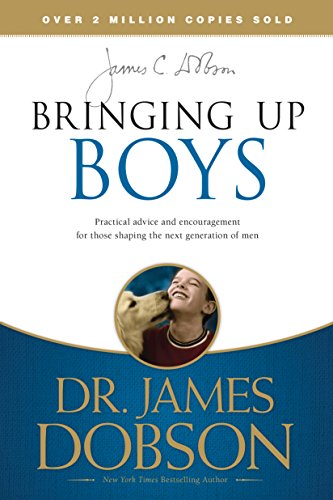
3. Bringing Up Boys
Rating: 9.4/10
Bringing Up Boys is a book that helps parents understand and guide their sons. It offers practical advice for raising boys through different stages of their lives. The book focuses on common challenges and provides helpful strategies. It aims to make the parenting journey smoother and more rewarding.
What We Like:
- Clear and easy-to-understand advice.
- Covers a wide range of topics relevant to raising boys.
- Offers actionable tips that parents can use right away.
- Helps build stronger relationships between parents and sons.
- Promotes positive development in boys.
What Could Be Improved:
- Some sections could be more detailed.
- The book could include more real-life examples.
- The advice might be too general for some specific situations.
- More focus on different parenting styles could be beneficial.
Bringing Up Boys is a valuable resource for anyone raising a son. It provides solid guidance to help boys grow into well-adjusted young men.
4. Raising Securely Attached Kids: Using Connection-Focused Parenting to Create Confidence

Rating: 9.4/10
Raising Securely Attached Kids: Using Connection-Focused Parenting to Create Confidence, Empathy, and Resilience (Parenting Book Series) offers parents a gentle and effective approach to building strong bonds with their children. This book series guides you through connection-focused parenting, showing you how to foster confidence, empathy, and resilience in your kids. It’s designed to help you understand your child’s needs and respond in ways that create a secure and loving relationship.
What We Like:
- Provides practical strategies for building secure attachments.
- Focuses on developing essential life skills like confidence and empathy.
- Offers a positive and encouraging parenting philosophy.
- Helps parents understand their child’s emotional world.
- Promotes resilience in children, helping them navigate challenges.
What Could Be Improved:
- Some readers might find certain concepts require a significant shift in perspective.
- Could benefit from more varied examples for different age groups.
This book series is a valuable resource for any parent seeking to nurture well-adjusted and emotionally healthy children. It empowers you to create lasting connections that will benefit your family for years to come.
5. The Montessori Toddler: A Parent’s Guide to Raising a Curious and Responsible Human Being (The Parents’ Guide to Montessori

Rating: 8.7/10
Discover how to nurture your toddler’s natural drive to learn and grow with “The Montessori Toddler: A Parent’s Guide to Raising a Curious and Responsible Human Being.” This paperback book, written in English, is the first in “The Parents’ Guide to Montessori” series. It offers practical advice for parents wanting to apply Montessori principles at home.
What We Like:
- Provides clear, actionable steps for implementing Montessori at home.
- Focuses on fostering independence and self-discipline in toddlers.
- Empowers parents to create a supportive and enriching environment.
- Explains the “why” behind Montessori practices, making them understandable.
- Offers age-appropriate activity ideas for curious little minds.
What Could Be Improved:
- Some sections might feel repetitive for parents already familiar with basic Montessori concepts.
- Could benefit from more visual aids or photographic examples of prepared environments.
This guide is an excellent starting point for parents seeking to understand and embrace the Montessori approach. It equips you with the knowledge to raise a confident and capable child.
Choosing the Right Child Raising Books: Your Essential Guide
Finding the perfect books to help you navigate the wonderful, and sometimes wild, world of raising children can feel overwhelming. This guide is here to simplify your search. We’ll explore what makes a great parenting book and answer your most pressing questions.
Key Features to Look For
When you’re picking out a child raising book, keep these important features in mind:
- Age Appropriateness: Does the book focus on the specific age group your child is in? A book for toddlers won’t be as helpful for a teenager.
- Evidence-Based Advice: Look for books that share research or expert opinions. This means the advice is likely solid.
- Practical Tips: Does the book offer real, actionable advice you can use today? Vague suggestions are less helpful.
- Relatable Tone: Does the author’s voice feel friendly and understanding? You want a book that feels like a supportive friend.
- Clear Structure: Is the book easy to read and understand? Good headings and summaries help you find information quickly.
Important Materials and Content
The “material” of a parenting book isn’t just paper and ink. It’s the information inside.
- Expert Authors: Authors who are child psychologists, pediatricians, educators, or experienced parents often provide valuable insights.
- Real-Life Examples: Stories from other parents or children make the advice easier to grasp.
- Diverse Perspectives: Books that acknowledge different family structures and cultural backgrounds are more inclusive.
- Up-to-Date Information: Parenting advice changes. Newer books often reflect current research and understanding.
Factors That Improve or Reduce Quality
What makes a parenting book stand out, and what can make it fall flat?
Improving Quality:
- Positive and Encouraging Language: Books that build you up, rather than make you feel guilty, are the best.
- Focus on Connection: Great books help you build a strong bond with your child.
- Solutions, Not Just Problems: A good book identifies challenges but also offers clear ways to overcome them.
- Well-Organized Chapters: This makes it easy to find answers to specific questions.
Reducing Quality:
- Outdated Information: Advice from decades ago might not be relevant today.
- Judgmental Tone: No parent needs to feel judged.
- Overly Academic Language: You want practical advice, not a textbook.
- Lack of Specificity: Vague advice like “be patient” is less helpful than concrete strategies.
User Experience and Use Cases
How will you actually use these books, and what will your experience be like?
- Quick Reference: Many parents use these books to find answers to immediate problems, like dealing with tantrums or sleep issues.
- Deeper Understanding: Some books are meant for a more thorough read to understand child development or specific parenting philosophies.
- Support and Validation: Reading about common challenges can make you feel less alone. It validates your experiences.
- Building Confidence: The right book can empower you with knowledge and strategies, boosting your confidence as a parent.
- As a Gift: Parenting books make thoughtful gifts for new parents.
Frequently Asked Questions (FAQ) about Child Raising Books
Q: How do I know if a parenting book is trustworthy?
A: Look for authors who are experts in child development, psychology, or pediatrics. Check if the book cites research or studies. Reviews from other parents and experts can also give you clues.
Q: Should I buy books for a specific age or general parenting books?
A: It’s often best to have both! Books for your child’s current age will offer targeted advice. General parenting books can provide a broader understanding of child development and different parenting styles.
Q: What if the advice in a book doesn’t work for my child?
A: Every child is different! Parenting books offer suggestions, not guarantees. What works for one family might not work for another. Adapt the advice to fit your child’s personality and your family’s needs.
Q: How often should I buy new parenting books?
A: You don’t need to buy books constantly. Focus on books that address your current stage of parenting or specific challenges you are facing. Newer editions of popular books are often updated with current research.
Q: Are there books that focus on discipline?
A: Yes, many books focus specifically on discipline. They often explore positive discipline techniques that aim to teach children rather than just punish them.
Q: What are the benefits of reading parenting books?
A: Parenting books offer valuable information, support, and strategies. They can help you understand child behavior, build stronger relationships, and feel more confident in your parenting decisions.
Q: Should I read books about different parenting styles?
A: Reading about different styles can be very helpful. It broadens your perspective and helps you find approaches that best suit your family’s values and your child’s temperament.
Q: What if a book makes me feel like I’m doing everything wrong?
A: It’s common to feel this way sometimes. Remember that no parent is perfect, and parenting is a learning journey. Focus on the helpful advice and try to let go of anything that makes you feel inadequate.
Q: Can I find books on specific topics like potty training or starting school?
A: Absolutely! There are countless books dedicated to almost every parenting challenge, from potty training and sibling rivalry to navigating school transitions and dealing with picky eaters.
Q: Where can I find good reviews for child raising books?
A: You can find reviews on online bookseller websites, parenting blogs, and in parenting magazines. Look for reviews that are detailed and explain why the book was helpful or not.
In conclusion, every product has unique features and benefits. We hope this review helps you decide if it meets your needs. An informed choice ensures the best experience.
If you have any questions or feedback, please share them in the comments. Your input helps everyone. Thank you for reading.