
Are you wondering how to coach youth basketball effectively? Coaching young basketball players involves teaching fundamental skills, fostering a love for the game, and building teamwork. It’s a rewarding experience that requires patience, enthusiasm, and a solid understanding of the game’s basics. This guide will provide you with essential tips, effective youth basketball drills, and strategies to help you guide your team to success, both on and off the court.
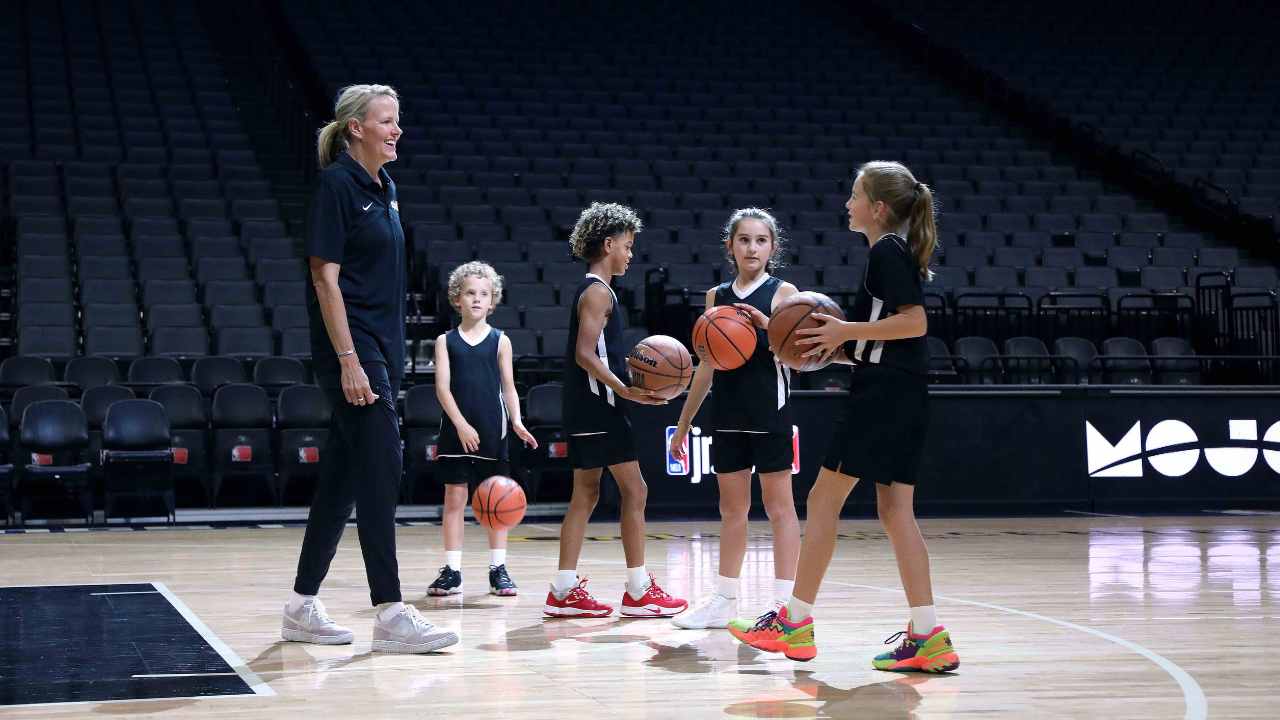
Image Source: www.mojo.sport
Setting the Foundation: Core Principles for Youth Coaches
Coaching young athletes is about more than just winning games; it’s about development, character building, and creating a positive environment. Here’s a look at the core principles that should guide your approach to teaching basketball to children.
Building a Positive Team Environment
A positive atmosphere is crucial for learning and enjoyment. This means emphasizing effort, sportsmanship, and mutual respect.
- Encourage Effort Over Outcome: Praise players for trying their best, even if they make mistakes. This builds confidence and resilience.
- Promote Teamwork: Highlight the importance of passing, supporting teammates, and celebrating collective success.
- Set Clear Expectations: Establish rules for behavior, respect, and communication from the start.
- Foster Fun: Remember that for most young players, basketball is a game. Keep practices engaging and enjoyable.
Developing Basketball Fundamentals for Kids
Solid basketball fundamentals form the bedrock of a player’s game. Focusing on these skills early on will pay dividends as players develop.
- Dribbling: Teach proper ball control, using fingertips, keeping the head up, and changing pace and direction.
- Shooting: Emphasize proper form: B.E.E.F. (Balance, Eyes, Elbow, Follow-through). Start with close-range shots and gradually increase distance.
- Passing: Cover chest passes, bounce passes, and overhead passes, stressing accuracy and timing.
- Defense: Teach stance, footwork, staying between the player and the basket, and proper help defense principles.
- Rebounding: Explain boxing out and jumping to secure the ball.
Communicating Effectively with Young Players
Clear and encouraging communication is vital. Keep your language simple, positive, and constructive.
- Use Simple Language: Avoid complex basketball jargon. Explain concepts in ways they can easily grasp.
- Be Specific with Feedback: Instead of saying “Good job,” try “Great job keeping your head up while dribbling!”
- Positive Reinforcement: Acknowledge good efforts and correct mistakes gently.
- Active Listening: Pay attention to your players’ questions and concerns.
Designing Effective Youth Basketball Practice Plans
A well-structured practice plan is essential for maximizing player development and making the most of your limited time. Youth basketball practice plans should be dynamic and cover various aspects of the game.
Structuring a Practice Session
A typical practice session might follow this structure:
- Warm-up (10-15 minutes): Light cardio and dynamic stretching to prepare the body.
- Skill Development (20-30 minutes): Focus on specific basketball skills.
- Team Play/Drills (20-30 minutes): Apply skills in game-like scenarios, focusing on youth basketball offense and youth basketball defense.
- Scrimmage/Game Play (10-15 minutes): Apply learned concepts in a controlled game environment.
- Cool-down (5 minutes): Static stretching and a brief recap.
Sample Practice Plan Focus Areas
- Week 1: Dribbling Dominance: Focus on dribbling with both hands, crossovers, and change of pace.
- Week 2: Shooting Form and Layups: Perfecting shooting technique and various layup finishes.
- Week 3: Passing and Catching: Precision passing, give-and-go, and perimeter movement.
- Week 4: Defensive Fundamentals: Stance, slides, and communication.
- Week 5: Transition Offense and Defense: Fast breaks and getting back on defense.
Adapting Practices to Age and Skill Level
It’s crucial to tailor your youth basketball practice plans to the specific age and skill level of your players. Younger players (6-8) need shorter drills with more repetition and immediate positive feedback. Older players (11-14) can handle more complex strategies and longer drills.
Essential Youth Basketball Drills for Skill Development
Basketball skills development youth need to focus on will vary by age, but the core mechanics remain the same. These drills are designed to build a strong foundation.
Dribbling Drills
- Stationary Dribbling: Players dribble in place, focusing on using fingertips, keeping the ball low, and switching hands.
- Variations: Low dribble, crossover dribble, between-the-legs dribble, behind-the-back dribble.
- Cone Drills: Set up cones in a line or pattern and have players dribble around them, practicing control and change of direction.
- Drill Name: Cone Weave. Players dribble through cones, switching hands and changing pace.
- Full Court Dribbling: Players dribble down the court, focusing on keeping their head up and protecting the ball.
- Drill Name: Dribble Tag. One player dribbles, while another tries to tag them without taking the ball.
Shooting Drills
- Form Shooting: Players start close to the basket, focusing solely on proper shooting form with no dribble.
- Drill Name: Mikan Drill. Alternating right and left-handed layups under the basket.
- Layup Lines: Players dribble towards the basket and execute a layup.
- Drill Name: Two-Ball Dribble and Layup. Players dribble two balls and then transition to a layup.
- Spot Shooting: Players shoot from various designated spots on the court, focusing on consistency.
- Drill Name: Five Spots. Players shoot five shots from five different spots, aiming for a certain make percentage.
Passing and Receiving Drills
- Partner Passing: Players stand a few feet apart and practice chest passes, bounce passes, and overhead passes.
- Drill Name: Mirror Passing. One player mirrors the other’s passes.
- Three-Man Weave: Three players run down the court, passing the ball to each other, aiming to keep it moving without it hitting the floor. This is excellent for teaching youth basketball offense flow.
- Passing on the Move: Players dribble while passing to a teammate who is also moving.
Defensive Drills
- Defensive Slides: Players practice sliding their feet laterally without crossing them, staying in a low defensive stance.
- Drill Name: Line Slides. Players slide along a baseline or sideline.
- Mirror Drill: One player is the offensive player, and the other is the defender. The defender mirrors the offensive player’s movements without touching them.
- Close-Out Drill: Players start on the baseline and sprint to a coach or teammate, then transition into a defensive stance.
Rebounding Drills
- Box-Out Drill: Players practice the technique of boxing out an opponent to gain rebounding position.
- Drill Name: Rebound and Outlet. Players rebound the ball and then make an accurate outlet pass.
Youth Basketball Offense Strategies
When teaching youth basketball offense, the focus should be on simplicity, movement, and creating scoring opportunities.
Basic Offensive Concepts
- Spacing: Players should spread out on the court to create passing lanes and driving opportunities.
- Cutting: Players should move without the ball to get open for passes or to draw defenders.
- Screening: Teach players how to set legal screens to free up teammates.
- Passing and Moving: Emphasize “pass and move” to avoid standing still.
Simple Offensive Plays
- Give and Go: A player passes the ball to a teammate and then cuts to the basket for a return pass and layup.
- Pick and Roll (simplified): For older or more advanced players, introduce a basic screen where a player sets a screen for the ball-handler, who then dribbles towards the basket, and the screener “rolls” to the hoop.
Youth Basketball Defense Strategies
Effective youth basketball defense is about hustle, communication, and proper positioning.
Fundamental Defensive Principles
- On-Ball Defense: Staying in front of the offensive player, with active hands and good footwork.
- Off-Ball Defense: Denying passes, staying between your player and the basket, and being ready to help.
- Help Defense: Rotating to cover open offensive players when a teammate is beaten.
- Communication: Yelling out screens, cutters, and open players.
Defensive Drills for Team Play
- Shell Drill: A classic drill that teaches defensive principles of staying between the ball and the basket, helping, and recovering. Players practice defending screens and rotations in a half-court setting.
- Transition Defense: Players practice sprinting back on defense after a missed shot or turnover to prevent easy fast breaks.
Basketball Skills Development Youth Programs
Beyond regular practices, consider structured programs that focus on basketball skills development youth need to advance.
Skills Clinics and Camps
These specialized events offer focused instruction on specific aspects of the game, such as shooting, ball-handling, or defense. They can be a great way for players to get extra training and learn from different coaches.
Individual Training
For players looking to hone specific skills, one-on-one or small group training sessions can be highly beneficial. This allows for personalized feedback and tailored drills.
Basketball Training for Kids
Basketball training for kids should always prioritize fun and proper technique. It’s about building a love for the game while developing the necessary physical and technical skills.
Coaching Young Basketball Players: Advanced Tips
As players grow, your coaching strategies can evolve. Here are some tips for coaching young basketball players who are developing their game.
Reading the Game
- Decision Making: Encourage players to make smart decisions with the ball – when to shoot, pass, or drive.
- Court Awareness: Help players develop the ability to see the whole court and anticipate plays.
Positional Play
- Understanding Roles: For older players, begin to introduce basic positional responsibilities (guard, forward, center) and how they contribute to youth basketball offense and youth basketball defense.
- Versatility: Encourage players to develop skills that allow them to play multiple positions.
Game Management
- Timeouts: Use timeouts strategically to stop momentum, give instructions, or rest players.
- Substitutions: Make substitutions to keep players fresh and to implement different strategies.
Important Considerations for Youth Basketball Coaches
Beyond the Xs and Os, there are crucial aspects to remember when coaching young athletes.
Sportsmanship and Character
- Respect: Teach players to respect opponents, officials, coaches, and teammates.
- Handling Adversity: Help players learn to deal with losses, mistakes, and unfair calls gracefully.
- Integrity: Emphasize playing fair and honestly.
Player Safety
- Proper Warm-up and Cool-down: Essential to prevent injuries.
- Hydration: Ensure players drink enough water.
- Proper Equipment: Ensure shoes fit well and are supportive.
- Awareness of Environment: Be mindful of court conditions and weather if playing outdoors.
Frequently Asked Questions (FAQ)
Q1: What is the most important skill to teach young basketball players?
A1: While all fundamentals are important, teaching players to keep their head up while dribbling is paramount. This allows them to see the court, their teammates, and defenders, leading to better decision-making and fewer turnovers.
Q2: How can I motivate players who are struggling?
A2: Focus on their effort and small improvements. Break down skills into smaller steps. Celebrate their successes, no matter how small. Sometimes, just positive encouragement and a belief in them can make a huge difference.
Q3: How much playing time should each player get?
A3: In youth sports, it’s generally recommended to strive for equitable playing time. While some variations might occur based on performance or practice attendance, the goal should be to give all players opportunities to develop and contribute.
Q4: What should I do if parents are overly critical or demanding?
A4: Establish clear communication channels with parents early on. Set expectations regarding your coaching philosophy and the focus on player development. If issues arise, address them calmly and professionally, focusing on what’s best for the players and the team.
Q5: How do I balance teaching fundamentals with running plays?
A5: For younger players, the emphasis should heavily be on fundamentals. As players mature, you can introduce simple offensive and defensive strategies that build upon those fundamental skills. Always ensure plays are simple enough for them to execute effectively.
Q6: What are some common mistakes new youth basketball coaches make?
A6: Common mistakes include over-coaching, focusing too much on winning, not allowing players to make mistakes and learn from them, inconsistent communication, and not creating a fun environment.
Q7: How can I improve my own coaching skills?
A7: Attend coaching clinics, read books and articles on coaching, watch professional and college games for inspiration, and most importantly, ask for feedback from other coaches or even your players (in an appropriate way). Continuous learning is key.
Coaching youth basketball is a journey of learning and growth for both the coach and the players. By focusing on fundamentals, fostering a positive environment, and employing effective youth basketball drills and strategies, you can help your young athletes develop a lifelong love for the game and build valuable life skills along the way. Remember, the most important goal is to help them grow, have fun, and become the best players and people they can be.