
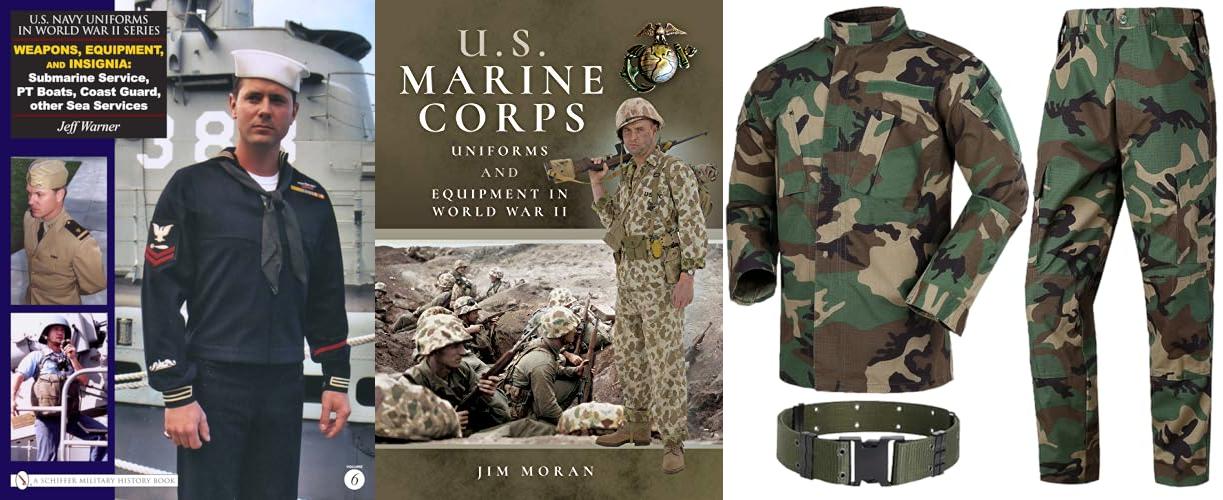
Imagine a soldier standing tall, their uniform a symbol of courage and duty. But what makes one uniform different from another? From the icy plains of Russia to the scorching deserts of Africa, each nation’s military uniform tells a unique story.
Choosing the right military uniform can be tricky. There are so many styles, colors, and traditions to consider! Whether you’re a history buff, a model maker, or just curious about the world, understanding these uniforms unlocks a deeper appreciation for global cultures and the people who serve them.
In this post, we’ll explore the fascinating world of military uniforms from different countries. You’ll discover what makes them special, learn about their history, and see how they represent national pride. Get ready for a journey that will broaden your horizons and help you see the world through a new lens.
Our Top 5 Military Uniforms In The World Recommendations at a Glance
Top 5 Military Uniforms In The World Detailed Reviews
1. U.S. Navy Uniforms in World War II Series: Weapons

Rating: 9.0/10
Dive deep into history with the U.S. Navy Uniforms in World War II Series: Weapons, Equipment, Insignia: Submarine Service, PT Boats, Coast Guard, other Sea Services. This book offers a detailed look at the gear worn by brave sailors during the war. You’ll explore the tools and symbols used by those on submarines, fast PT boats, and the Coast Guard. It’s a fantastic resource for anyone interested in military history.
What We Like:
- The book provides clear pictures of uniforms and equipment.
- It covers a wide range of U.S. Navy sea services, not just one branch.
- The information presented is very informative and educational.
- It helps you understand what sailors carried and wore.
What Could Be Improved:
- Some sections could offer even more in-depth details.
- More personal stories from sailors would have been a great addition.
This series offers a valuable look at naval history. It’s an excellent addition for any history enthusiast’s collection.
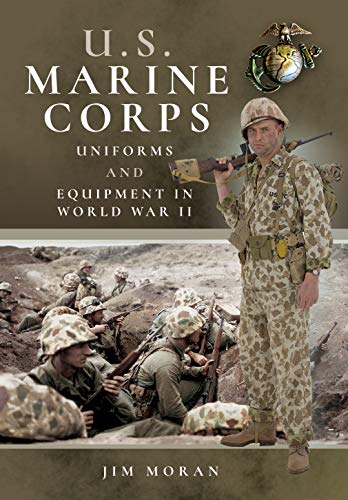
2. US Marine Corps Uniforms and Equipment in World War II
Rating: 8.6/10
Dive into the history of the brave men who fought in World War II with “US Marine Corps Uniforms and Equipment in World War II.” This book takes you on a visual journey, showing you exactly what the Marines wore and carried. You’ll see the iconic uniforms, from their jungle fatigues to their dress blues. It also highlights the tools and gear they relied on, like their rifles, helmets, and packs. This is a must-have for anyone interested in military history or the stories of these courageous soldiers.
What We Like:
- Detailed illustrations and photographs bring history to life.
- Provides a clear understanding of Marine Corps gear and its use.
- Offers a valuable resource for history buffs and researchers.
- Explores the evolution of uniforms and equipment during the war.
What Could Be Improved:
- No specific manufacturing details are provided for the equipment shown.
- Some sections might benefit from more in-depth explanations of tactical use.
This book offers an excellent overview of Marine Corps history. It’s a fantastic way to learn about the equipment that helped win the war.
3. H World Shopping Military Tactical Mens Hunting Combat BDU Uniform Suit Shirt & Pants with Belt Woodland Camo

Rating: 9.3/10
Gear up for your next outdoor adventure with the H World Shopping Military Tactical Mens Hunting Combat BDU Uniform Suit. This Woodland Camo set includes a durable shirt, pants, and a belt, designed for comfort and functionality. Whether you’re hunting, hiking, or just enjoying the outdoors, this uniform offers a rugged and practical solution.
What We Like:
- The 65% polyester and 35% cotton blend makes the suit breathable and quick-drying.
- It’s built tough with a scratch-resistant material, perfect for outdoor sports.
- You get plenty of storage with multiple pockets on both the shirt and pants.
- Adjustable cuffs, waist, and pant legs let you customize the fit for maximum comfort.
- It’s easy to care for, supporting both machine and hand washing.
- The classic BDU combat style looks great and performs well.
What Could Be Improved:
- The suit does not come with any accessories like pads, armbands, boots, or gloves, which you’ll need to purchase separately.
- The weight of 1.25kg might feel a bit heavy for some in very warm weather.
- Ensuring you pick the correct size is important, so checking the size chart carefully is a must.
This BDU uniform is a solid choice for anyone seeking a dependable and versatile outfit for their outdoor pursuits. It offers good value and practical features for the price.
4. U.S. Navy Uniforms and Insignia 1943-1946 (U.S. Navy Uniforms in World War II Series)

Rating: 8.8/10
Step back in time with “U.S. Navy Uniforms and Insignia 1943-1946.” This book takes you right into the heart of World War II. You’ll see the actual uniforms worn by sailors. It shows all the different patches and badges they wore too. Imagine the bravery of those who wore these clothes!
What We Like:
- Detailed Illustrations: The book has amazing pictures. You can see every stitch and button.
- Historical Accuracy: Every detail is correct. It’s like a real history lesson.
- Focus on a Specific Time: It hones in on 1943-1946, a crucial period.
- Great for Collectors: If you love military history, this is a must-have.
What Could Be Improved:
- Limited Scope: It only covers uniforms from a few years. We wish it covered more time periods.
- No Personal Stories: The book focuses on the uniforms, not the people who wore them. Adding stories would make it even better.
- Not for Beginners: Some of the insignia can be hard to understand without prior knowledge.
This book offers a fantastic look at Navy uniforms during a vital time. It’s a valuable resource for anyone interested in military history.
5. Uniforms and Equipment of the Imperial Japanese Army in World War II

Rating: 8.7/10
Dive deep into the history of World War II with “Uniforms and Equipment of the Imperial Japanese Army in World War II.” This book shows you what soldiers wore and used. It’s a detailed look at the gear that helped shape the war. You’ll learn about the uniforms, weapons, and everyday items carried by these soldiers.
What We Like:
- The book offers a comprehensive collection of images and information.
- It helps you understand the practical aspects of the Imperial Japanese Army’s military life.
- The descriptions are clear and easy to follow.
- It makes history come alive with visuals.
- It’s a valuable resource for students and history buffs.
What Could Be Improved:
- More personal stories from soldiers could be included.
- A glossary of terms might be helpful for some readers.
- The binding could be more robust for frequent use.
This book is a fantastic visual guide for anyone interested in military history. It’s a great way to learn about a significant part of World War II.
Your Guide to Military Uniforms From Around the Globe
Buying military uniforms can be exciting, whether you’re a collector, a reenactor, or just curious about what soldiers wear. It’s important to know what makes a good uniform so you can make a smart choice. This guide will help you find what you need.
1. Key Features to Look For
When you’re looking at military uniforms, several things make them stand out.
Authenticity
The first thing is authenticity. Does the uniform look like the real deal? Check for accurate patches, insignias, and buttons. Sometimes, fake uniforms use cheaper materials or have slightly wrong details. Real uniforms have specific colors and patterns that match the country and branch of service.
Fit and Comfort
A good uniform should fit well. It shouldn’t be too tight or too loose. Soldiers need to move freely in their uniforms, so comfort is key. Look for uniforms that offer a good range of motion. This is especially important if you plan to wear it for activities like reenactments.
Durability
Military uniforms are made to last. They face tough conditions. Look for strong stitching and sturdy fabric. A well-made uniform will hold up to wear and tear. This means fewer repairs and a longer lifespan for your purchase.
Detailing
Pay attention to the small details. Are the pockets placed correctly? Are the zippers strong? Do the buttons look like they belong? These details show the care that went into making the uniform. They also help make it look more authentic.
2. Important Materials
The fabric of a uniform tells a lot about its quality and intended use.
Cotton
Cotton is a popular choice because it’s breathable and comfortable. It’s good for warmer climates. Cotton uniforms are usually softer and easier to care for. However, cotton can shrink and wrinkle easily.
Polyester Blends
Many modern uniforms use polyester blends. These fabrics are strong and resist wrinkles and shrinking. They also dry faster than pure cotton. Polyester blends can be a bit less breathable in very hot weather.
Ripstop Fabric
Ripstop is a special weave that makes fabric stronger. It has small squares woven into it. If the fabric gets a tear, the ripstop weave helps stop it from spreading. This makes uniforms very durable, perfect for rough use.
3. Factors That Improve or Reduce Quality
Several things can make a military uniform great or not so great.
Construction Quality
How the uniform is put together matters a lot. Strong seams and neat stitching show good craftsmanship. Poor stitching can lead to rips and seams coming apart quickly. This is a major sign of lower quality.
Originality vs. Reproduction
Original, vintage military uniforms are often of very high quality. They were made with the best materials and to strict standards. However, good reproductions can also be well-made. Cheaper reproductions might use thin fabric or have inaccurate details, reducing their quality.
Care and Maintenance
How a uniform is cared for also affects its quality over time. Proper washing and storage help a uniform last longer. Neglecting care can cause fading, damage, and wear, making even a good uniform look bad.
4. User Experience and Use Cases
Who is buying these uniforms and what do they do with them?
Collectors
Collectors often seek authentic, rare uniforms. They value historical accuracy and the story behind each piece. For them, the origin and condition are most important.
Reenactors and Living Historians
People who reenact historical events or practice living history need uniforms that look real. They need them to be comfortable enough for long days and potentially active participation. Durability is also key for these activities.
Costumers and Cosplayers
For costumes or cosplay, the visual accuracy is often the top priority. While comfort and durability are nice, the uniform must look right for the character or theme. High-quality reproductions are often perfect for this.
Educational Purposes
Uniforms can be used for educational displays or teaching about different countries’ militaries. In these cases, accuracy and clear labeling of insignias are important for learning.
Choosing the right military uniform means looking at its authenticity, the materials it’s made from, how well it’s constructed, and what you plan to use it for. With these tips, you can make a confident purchase.
Frequently Asked Questions (FAQ)
Q: What are the main key features to look for in a military uniform?
A: The main key features are authenticity, good fit and comfort, durability, and accurate detailing like patches and insignias.
Q: What are the most common materials used in military uniforms?
A: Common materials include cotton, polyester blends, and ripstop fabric. Each offers different benefits for comfort and durability.
Q: How can I tell if a military uniform is good quality?
A: Good quality is shown by strong stitching, sturdy fabric, accurate details, and overall good construction. Cheap materials and poor craftsmanship reduce quality.
Q: Are original vintage uniforms always better than reproductions?
A: Original uniforms are often of high quality, but well-made reproductions can also be excellent. It depends on the specific item and its manufacturing.
Q: What is ripstop fabric?
A: Ripstop fabric is woven in a way that prevents tears from spreading, making uniforms more durable. It looks like small squares woven into the material.
Q: Why is fit and comfort important for military uniforms?
A: Soldiers need to move easily and be comfortable during long periods of wear. A good fit prevents chafing and allows for a full range of motion.
Q: Who usually buys military uniforms?
A: Buyers include collectors, reenactors, living historians, costumers, cosplayers, and educators.
Q: What does “authenticity” mean when buying a military uniform?
A: Authenticity means the uniform accurately represents a real military uniform from a specific country, time period, and branch of service, with correct details.
Q: How does the intended use affect the choice of uniform?
A: For collectors, history is key. For reenactors, durability and comfort matter. For costumers, visual accuracy is often the most important factor.
Q: Can I wear a military uniform for everyday activities?
A: While some uniforms are comfortable, wearing them outside of specific events or contexts might be inappropriate or against regulations in some places. Always consider the situation.
In conclusion, every product has unique features and benefits. We hope this review helps you decide if it meets your needs. An informed choice ensures the best experience.
If you have any questions or feedback, please share them in the comments. Your input helps everyone. Thank you for reading.