
Ever feel like your bass guitar’s sound is just… okay? Like it’s missing that extra punch or rich warmth that makes a bassline truly shine? You’re not alone! So many bass players dream of a tone that cuts through the mix, feels powerful, and sounds amazing, but finding that perfect sound can feel like searching for a needle in a haystack.
Choosing a bass preamp pedal can be tricky. There are so many brands and features, it’s easy to get confused. Do you need more grit? A cleaner boost? Maybe a different EQ setup? This can leave you feeling frustrated and unsure about where to spend your hard-earned money. But what if there was a way to cut through the noise and find the pedal that’s perfect for *your* bass and *your* style?
This post is your guide to understanding bass preamp pedals. We’ll break down what they do, why they matter, and what to look for. By the end, you’ll feel more confident in choosing a pedal that will take your bass playing from good to truly unforgettable. Let’s dive in and unlock your bass’s full potential!
Our Top 5 Bass Preamp Pedal Recommendations at a Glance
Top 5 Bass Preamp Pedal Detailed Reviews
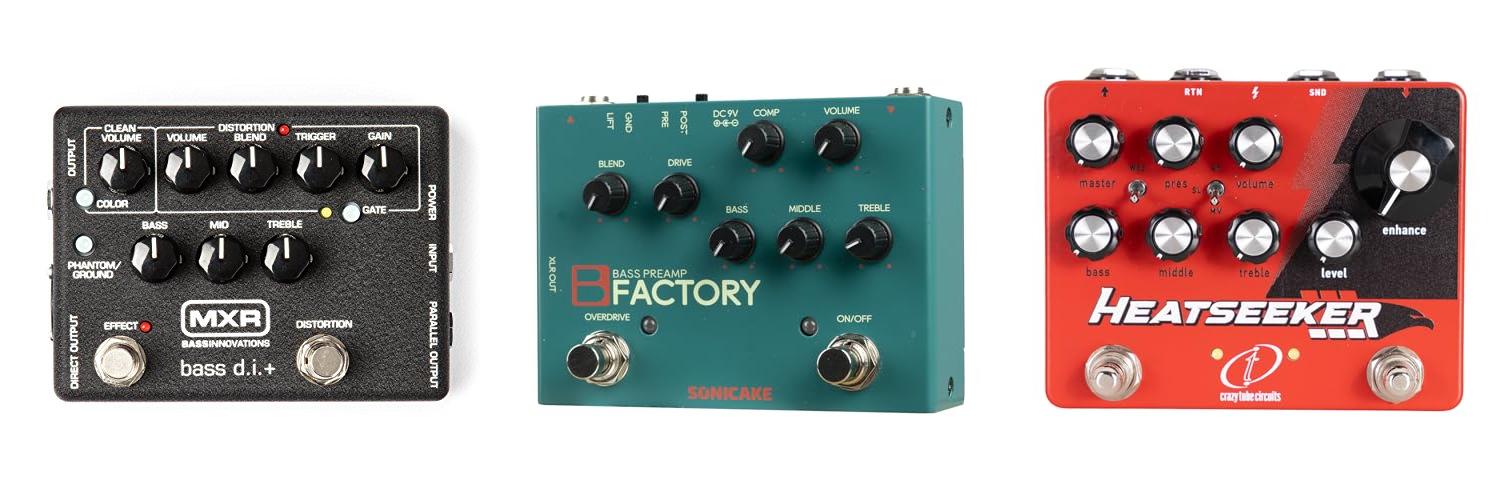
1. MXR® Bass D.I.+

Rating: 8.5/10
The MXR® Bass D.I.+ (Model Number: M80) is a powerful tool for any bass player. It’s a direct input box that also adds some awesome sound-shaping options. This pedal is built to handle the demands of the stage and the studio, giving you a cleaner, more powerful bass tone.
What We Like:
- It has a distortion channel with controls for gain, volume, and blend. This lets you add grit or fuzz to your bass sound.
- The Color knob quickly adds a punchy, scooped tone. It’s great for making your bass cut through the mix.
- A 3-band EQ gives you lots of control over your bass, mids, and treble. You can fine-tune your sound to perfection.
- It supports phantom power. This means you can power it directly from your mixer, which is super convenient.
- It’s built tough, so it can handle being stepped on.
What Could Be Improved:
- The phantom power indicator light could be brighter.
- Some players might want more complex distortion options.
The MXR® Bass D.I.+ offers a fantastic combination of clean tone and gritty distortion. It’s a versatile pedal that can really elevate your bass playing.
2. SONICAKE Bass Pedal with Overdrive Analog Preamp Compression Effects Pedal and 3-Band EQ Via Pre/Post Selection with XLR Output – B Factory

Rating: 8.8/10
The SONICAKE B Factory is a cool bass pedal. It brings together a bunch of useful effects in one box. You get an analog preamp, compression, and overdrive. This pedal helps you get a great bass sound. It also has a 3-band EQ to shape your tone. Plus, it has an XLR output, which is handy for connecting to sound systems.
What We Like:
- It has an analog preamp, compression, and overdrive. This gives your bass a warm and powerful sound.
- The compression sounds like the classic optical kind. It makes your bass notes even out smoothly.
- You get a 3-band EQ. You can adjust the bass, mid, and treble frequencies.
- The EQ has a PRE/POST switch. This lets you choose when to shape your tone.
- It has a high impedance input. This is good for your bass guitar’s signal.
- The XLR balanced output is great. It lets you connect directly to mixers or recording gear.
- The buffer bypass circuit keeps your original bass sound clear. It doesn’t change the tone when the pedal is off.
What Could Be Improved:
- The pedal needs a 9V center negative power supply. This is not included, so you need to buy it separately.
This SONICAKE pedal is a versatile tool for bass players. It offers great tone-shaping options and useful connections. It’s a solid choice for improving your bass sound.
3. Crazy Tube Circuits Heatseeker Preamp/Amp Simulator Effects Pedal

Rating: 8.6/10
The Crazy Tube Circuits Heatseeker Preamp/Amp Simulator Effects Pedal is your ticket to legendary rock and roll tones. This pedal packs the sound of a classic Marshall amp rig right onto your pedalboard. It uses all-analog circuits to give you that authentic tube amp feel. You can get everything from a clean crunch to a roaring, overdriven sound. It’s designed to sound just like the gear Angus Young used to create his iconic solos.
What We Like:
- It perfectly recreates the sounds of famous Marshall amps like the JTM45, Super Lead Plexi, and JMP2203.
- The 3-band EQ lets you shape your tone precisely.
- The Volume control is actually a gain knob, going from clean to super distorted.
- The Presence knob adds sparkle and bite to your sound.
- The Wall of Sound switch makes your guitar tone sound bigger and fuller.
- It’s an all-analog “amp in a box” that feels and sounds like a real tube amp.
What Could Be Improved:
- While it aims for Angus Young’s tones, achieving the exact same sound might require some experimentation with your existing gear.
- The “amp in a box” concept means it works best when paired with a clean amp or directly into a PA system.
The Heatseeker is a powerful tool for any guitarist wanting to capture those classic rock tones. It offers a wide range of sounds and excellent tonal control.
4. MXR® Bass Preamp

Rating: 8.6/10
The MXR® Bass Preamp (Model Number: M81) is a powerful tool for bass players. It helps shape your bass guitar’s tone and sends a clean signal to your amplifier or a mixing board. This pedal gives you a lot of control over how your bass sounds.
What We Like:
- You get separate controls for your input and output levels. This lets you fine-tune how strong your signal is going in and coming out.
- It has a 3-band EQ with a sweepable midrange. This means you can really dial in the exact sound you want for your bass. You can boost or cut the bass, middle, and treble frequencies. The sweepable midrange lets you pick the exact middle frequency to adjust.
- The studio-quality Direct Out is fantastic. It sends a clean, professional sound directly to a mixing board or recording gear. This is great for live shows or recording sessions.
- It’s built tough, like most MXR pedals.
What Could Be Improved:
- Some players might want more advanced features, like built-in compression or multiple output options.
- It’s a pedal, so it takes up space on your pedalboard.
For bassists looking to improve their live sound or studio recordings, the MXR® Bass Preamp is a solid choice. It offers great tone-shaping capabilities and a professional direct output.
5. Tech 21 SansAmp Bass Driver DI V2

Rating: 9.4/10
The Tech 21 SansAmp Bass Driver DI V2 is a super cool pedal that helps bass players get awesome sounds. It’s like a magic box for your bass guitar, making it sound better whether you’re playing live or recording music. This pedal gives you a lot of control over how your bass sounds, from deep and rumbling to punchy and clear. It’s built tough and made for musicians who want the best sound possible.
What We Like:
- Amazing Bass Control: You can really tweak the low end to get that perfect deep bass sound you’re looking for.
- Flexible Midrange: The pedal lets you choose exactly which part of the middle sound you want to boost or cut. This helps your bass cut through the mix.
- Clean and Dirty Mix: The Blend knob is awesome. It lets you mix your clean bass signal with the overdriven sound. This gives you a rich, full tone.
- Get the Grit: The Drive control adds warmth and grit. You can make your bass sound smooth or really rock and roll.
- Extra Output: The Parallel Output is handy. It lets you send your bass signal to two different places at once, like an amp and a soundboard.
What Could Be Improved:
- Learning Curve: With so many controls, it might take a little time to learn how to use all the features perfectly.
- Power Supply: It needs a specific power supply, which isn’t always included.
This pedal is a fantastic tool for any bass player wanting to elevate their sound. It offers tons of tonal possibilities in a compact and durable package.
Finding Your Perfect Bass Tone: A Preamp Pedal Buying Guide
A bass preamp pedal is like a magic wand for your bass guitar. It helps you shape your sound. It makes your bass sound clearer, punchier, and more powerful. This guide will help you pick the best one for you.
Key Features to Look For
When you shop for a bass preamp pedal, look for some important things.
Tone Shaping Controls
- EQ (Equalization): Most pedals have knobs for Bass, Mid, and Treble. These let you boost or cut certain frequencies. This is how you sculpt your sound. You can make your bass sound warmer or brighter. You can also make it sound more aggressive.
- Volume/Gain: These controls manage how loud your signal is. Gain also affects how much your signal is “pushed.” More gain can add warmth or overdrive.
- Blend: This knob lets you mix your clean bass signal with the processed signal. This is great for keeping the natural punch of your bass while adding character.
Output Options
- DI Out (Direct Input): This lets you send your signal straight to a mixing board or recording interface. It’s super useful for live shows and studio work. Some DI outs have a “ground lift” switch. This helps get rid of humming noises.
- Headphone Jack: Some pedals have a headphone jack. This lets you practice quietly. You can plug in your headphones and play without disturbing others.
Other Useful Features
- Tuner Out: This sends a signal to your tuner. You can tune your bass without it affecting your main sound.
- Aux In: This lets you plug in an external music player. You can play along with songs or backing tracks.
- Footswitch: This is how you turn the pedal on and off. Most pedals have a simple on/off footswitch. Some have extra switches for different settings.
Important Materials and Build Quality
The way a pedal is built matters. Good materials make it last longer.
- Housing: Metal housings are the best. They are strong and protect the electronics inside. Aluminum is a common and good choice. Plastic housings are cheaper but can break more easily.
- Components: High-quality electronic parts inside the pedal make a difference. Good capacitors and resistors help create a cleaner sound. Manufacturers often highlight the quality of their internal components.
Factors That Improve or Reduce Quality
What makes a preamp pedal sound great or not so great?
- Sound Quality: This is the most important thing. A good preamp pedal should make your bass sound better. It should be clear and have a good tone. It should not add unwanted noise or hiss.
- Versatility: Can the pedal do many different things? Can it create different sounds? A versatile pedal can be used for many music styles.
- Durability: Will the pedal survive being stomped on during a gig? A well-built pedal can handle a lot of use.
- Noise Floor: This is how much unwanted noise the pedal adds. A low noise floor means your signal is clean. A high noise floor can make your bass sound muddy or buzzy.
- Power Requirements: How does the pedal get power? Most use a standard 9V power adapter. Some can also run on batteries. Make sure you have the right power supply.
User Experience and Use Cases
How do people use bass preamp pedals?
- Live Performance: Many bassists use preamp pedals live. They help them get a consistent sound from their amp. They also provide a direct signal to the sound system. This makes the sound engineer’s job easier.
- Recording: Preamp pedals are great for recording. They add character and warmth to bass tracks. They can make your bass sound like it was recorded in a professional studio.
- Practice: Some pedals have headphone outputs. This lets you practice with good tone at home. You can connect your bass and headphones and play.
- Tone Shaping: Even if you have a great amp, a preamp pedal gives you more control. You can fine-tune your sound. You can make your bass fit perfectly in any mix.
Frequently Asked Questions (FAQ)
Q: What is a bass preamp pedal?
A: A bass preamp pedal is a small electronic device. It sits between your bass guitar and your amplifier or recording gear. It boosts and shapes your bass signal. It helps you get a better sound.
Q: Do I need a bass preamp pedal?
A: You don’t *need* one, but it can greatly improve your bass sound. It gives you more control over your tone.
Q: What are the main Key Features of a bass preamp pedal?
A: The main Key Features include EQ controls (Bass, Mid, Treble), Volume/Gain knobs, and often a Blend control. Output options like a DI Out and a Headphone Jack are also important.
Q: What is a DI Out, and why is it useful?
A: A DI Out (Direct Input) lets you send your bass signal directly to a mixing board or recording device. It’s useful for live shows and recording to get a clean signal.
Q: How does EQ affect my bass sound?
A: EQ controls let you adjust the loudness of different sound frequencies. You can make your bass sound warmer (boost bass), clearer (boost treble), or more present (adjust mids).
Q: Can a bass preamp pedal make my bass sound distorted?
A: Some can. By turning up the Gain control, you can add warmth or overdrive to your sound. Some pedals are designed specifically for distortion.
Q: What is the difference between a preamp and an overdrive pedal?
A: A preamp pedal focuses on shaping and improving your clean tone. An overdrive pedal is designed to add a crunchy, distorted sound.
Q: How do I power a bass preamp pedal?
A: Most pedals use a 9V power adapter. Some can also run on batteries. Always check the power requirements.
Q: Are expensive bass preamp pedals always better?
A: Not always. Price can be a factor in build quality and sound. But there are many great, affordable pedals. It’s more about finding one that sounds good to you.
Q: Can I use a bass preamp pedal with any bass guitar or amp?
A: Yes. Bass preamp pedals are generally compatible with most electric bass guitars and amplifiers.
In conclusion, every product has unique features and benefits. We hope this review helps you decide if it meets your needs. An informed choice ensures the best experience.
If you have any questions or feedback, please share them in the comments. Your input helps everyone. Thank you for reading.