
Ever stared at a paint can and felt a wave of dread wash over you? You know that clean, crisp line between your wall and trim is the secret to a professional-looking paint job, but achieving it feels like a superpower only seasoned painters possess. If you’ve ever ended up with messy, uneven edges that make your hard work look rushed, you’re not alone. Choosing the right tool for this crucial step can feel overwhelming, with so many brushes, edgers, and gadgets promising perfection.
But here’s the good news: getting those sharp, clean lines doesn’t have to be a battle. This post is your secret weapon. We’re going to break down the best tools for cutting in paint, explaining exactly what makes each one special and how it can help you conquer those tricky corners and edges. You’ll learn how to pick the perfect tool for your project, no matter your experience level, and finally achieve those flawless finishes you’ve been dreaming of.
Our Top 5 Tool For Cutting In Paint Recommendations at a Glance
Top 5 Tool For Cutting In Paint Detailed Reviews
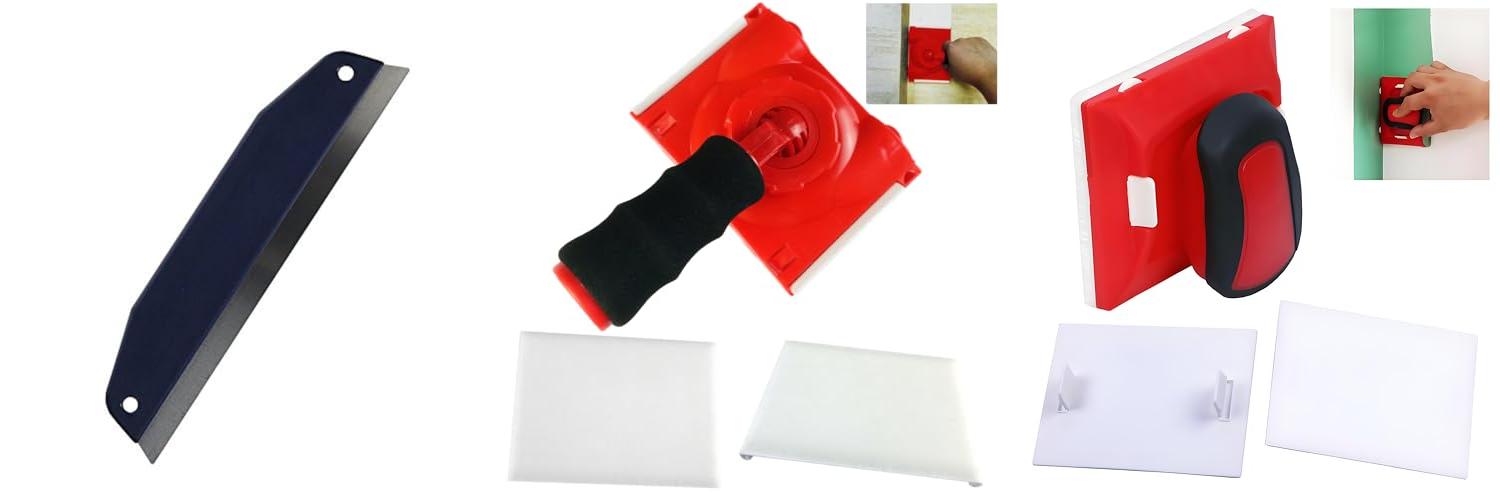
1. Edward Tools Paint Trim Guard – 12” Stainless Steel Trim Guide Blade is perfect size for painting – Works for cutting guide – Ideal thickness for precision painting

Rating: 8.5/10
The Edward Tools Paint Trim Guard is a handy tool for anyone who wants to paint with precision. Its 12-inch stainless steel blade is just the right size for painting around walls, ceilings, windows, and trim. It helps you get clean lines without getting paint where you don’t want it. This guard is also useful for other tasks, like cutting wallpaper.
What We Like:
- The 12-inch length is just right for most jobs.
- It’s made of stainless steel, so it’s strong and easy to clean.
- It helps you paint cleaner lines against trim.
- You can also use it as a guide for cutting wallpaper or other things.
- Edward Tools offers a lifetime warranty, so you can trust it.
What Could Be Improved:
- While it’s great for precision, it might not be the best for very large areas.
- Some users might prefer a slightly thicker handle for a more secure grip.
The Edward Tools Paint Trim Guard is a valuable addition to any painter’s toolkit. It makes achieving professional-looking results much easier.
2. BANCOO RSL43 Paint Edge Trimmer Plus Two Replace Pads

Rating: 9.3/10
Tired of messy paint lines when you tackle your DIY projects? The BANCOO RSL43 Paint Edge Trimmer is here to help you achieve crisp, clean edges with ease. This handy tool is designed to make painting around tricky areas like ceilings, baseboards, and windows a breeze. It comes with two extra pads, so you’re ready to go for your next painting adventure.
What We Like:
- The guide wheels are a game-changer! They help you create super sharp lines when painting edges. The design is improved so the wheels stay put while you work.
- You can adjust the handle in almost any direction. This “universal rotator” makes it easy to reach awkward spots. Just remember to lock it tight before you paint!
- The bristles are dense and flat, holding a lot of paint. This means you get a smooth, even coat every time.
- You can use it by hand or attach an extension rod for high ceilings. Just tighten the knob if you use a rod.
- The paint edger is built tough with a thicker shell and a smooth finish. It really is a great tool for walls and ceilings.
What Could Be Improved:
- For corners where only one wall needs paint, using painter’s tape is still recommended for the best results.
- While the handle is adjustable, users need to be mindful to lock it securely to avoid any unexpected movement during painting.
This BANCOO Paint Edge Trimmer simplifies tough painting jobs. It’s a smart addition to any painter’s toolkit.
3. DIQQHI Paint Edger Trimmer with 2 Replacement Pads

Rating: 8.7/10
Tired of messy paint lines and endless masking tape? The DIQQHI Paint Edger Trimmer promises to make your painting projects a breeze. This tool aims to give you crisp, clean edges on walls, ceilings, and corners without all the fuss.
What We Like:
- It creates straight lines with its special locking system. This keeps the paint pads from slipping. It’s great for edges and corners.
- Changing the pads is super fast, taking only about 10 seconds. It comes with three thick microfiber pads that hold more paint.
- The handle can turn 180 degrees. This makes it easier to paint corners without hurting your wrist. The grip is also very strong.
- This set has everything you need to start painting edges right away. It works with different kinds of paint.
- Cleaning the pads is simple. Just rinse them with warm water after you’re done.
What Could Be Improved:
- While the tool is designed for precision, achieving perfectly straight lines might still take some practice for beginners.
- The included pads are reusable, but for very large projects, you might need to purchase additional replacement pads.
This DIQQHI Paint Edger Trimmer is a smart solution for anyone wanting professional-looking results with less effort. It’s a great addition to your painting toolkit.
4. Bates Trim Brush

Rating: 8.9/10
Tired of messy paint lines and frustrating touch-ups? The Bates Trim Brush, 0.75 Inch Edge Painting Tool, Trimmer Edger is here to make your painting projects a breeze. This brush is designed for anyone who wants a professional-looking finish without the hassle.
What We Like:
- Professional Quality: This brush is built to last and easy to clean. It helps you paint faster and get a superior finish. We’re so confident you’ll love it, they offer a 100% satisfaction guarantee.
- Comfortable to Hold: The lightweight plastic handle feels good in your hand, even for long painting sessions. It gives you great control for amazing results.
- Holds Plenty of Paint: The thick synthetic bristles hold a lot of paint. This means fewer trips to the paint can and a smoother, more even coat. They are also very durable.
- Great Value: You get a lot for your money with these brushes. They are a smart choice that saves you from buying cheap brushes that don’t last.
- Easy for Everyone: Whether you’re a seasoned pro or just starting out, this brush is a fantastic tool. It makes clean lines simple for any user.
What Could Be Improved:
- While the filaments are durable, some users might prefer natural bristles for certain oil-based paints.
- The 0.75-inch size is great for trim, but a wider range of sizes might be helpful for larger jobs.
The Bates Trim Brush delivers exceptional performance and comfort at an affordable price. It’s a smart investment for anyone looking to achieve crisp, clean paint lines with ease.
5. ROLLINGDOG Trim Paint Brush – Detail Trim Brush

Rating: 8.6/10
Unleash your inner artist with the ROLLINGDOG Trim Paint Brush set. This pack of four brushes is designed to help you achieve clean lines and intricate details in your painting projects. Whether you’re touching up trim, creating sharp edges, or adding fine designs, these brushes offer the control and precision you need.
What We Like:
- You get four different brush sizes: 6mm, 12mm, 18mm, and 25mm. This variety helps you tackle many painting jobs.
- The synthetic bristles are top-notch. They are solid and tapered, giving you a smooth and exact paint application, especially with latex paints.
- The ferrule is made of stainless steel. It won’t rust, so the brushes will last a long time, even if you use them in damp areas.
- The handles are made of beech wood. They feel good in your hand and are light, making it easier to paint for longer without getting tired.
- These brushes are fantastic for detailed work. They are perfect for edging and cutting in, making them a must-have for anyone who loves precise painting.
What Could Be Improved:
- While the variety of sizes is great, some users might wish for even smaller options for extremely fine detail work.
- The synthetic bristles are excellent, but for those who prefer natural bristles for certain paint types, this might be a consideration.
This ROLLINGDOG brush set is a valuable addition to any painter’s toolkit, offering great performance for detailed work. You’ll find yourself reaching for these brushes time and again for satisfyingly neat results.
The Smart Painter’s Secret Weapon: Choosing Your Perfect Paint Cutting-In Tool
Tired of messy paint lines? Want professional-looking edges without hours of painstaking work? A paint cutting-in tool is your new best friend. This handy gadget helps you paint straight lines along edges, corners, and trim. It keeps paint off surfaces you don’t want it on. Let’s find the right one for you.
Key Features to Look For
When you shop for a paint cutting-in tool, keep these important features in mind.
The Applicator Pad
- Material: Look for a pad made of foam or a dense, short-nap fabric. These materials hold paint well. They also apply it smoothly.
- Density: A dense pad prevents paint from dripping. It also helps create crisp lines.
- Replaceability: Can you buy new pads? This is a big plus! It means you can keep using your tool for a long time.
The Handle and Guard Design
- Comfortable Grip: The handle should feel good in your hand. It should not be slippery. This helps you control the tool.
- Adjustable Guard: Some tools have guards that slide. This lets you change how much of the edge you cover.
- Sturdy Construction: The tool should feel solid. It shouldn’t bend or break easily.
Ease of Cleaning
- Simple Design: Tools with fewer small parts are easier to clean.
- Washable Components: Make sure the applicator pad and guard can be washed. This is important for reuse.
Important Materials
The best cutting-in tools use good materials. This makes them work better and last longer.
- High-Density Foam: This is common for applicator pads. It absorbs paint well. It also applies it evenly.
- Durable Plastic: The handle and guard are often made of strong plastic. This plastic resists paint and is easy to clean.
- Short-Nap Fabric: Some pads use a special fabric. This fabric also holds paint well. It helps create a smooth finish.
Factors That Improve or Reduce Quality
What makes a cutting-in tool great? What makes it a pain?
Quality Boosters
- Precise Guard Fit: A guard that fits snugly against the edge stops paint from leaking.
- Even Paint Distribution: The pad should pick up and release paint evenly. This avoids splotches or thin spots.
- Ergonomic Design: A tool that’s comfortable to hold reduces hand fatigue. This makes painting easier.
Quality Reducers
- Cheap Foam: Foam that is too soft can tear or leave streaks.
- Loose Guard: A guard that doesn’t press firmly against the surface lets paint seep through.
- Difficult Cleaning: If it’s hard to clean, you might end up throwing it away after one use.
User Experience and Use Cases
These tools are for anyone who paints!
Who Benefits?
- DIY Homeowners: You can achieve professional-looking results. This saves you money on hiring painters.
- Beginner Painters: They make tricky areas much simpler. You gain confidence quickly.
- Experienced Painters: They speed up the job. They ensure consistent, clean lines.
Common Use Cases
- Painting Walls: Get perfect lines where walls meet ceilings.
- Trim and Baseboards: Paint edges of doors, windows, and the bottom of walls cleanly.
- Corners: Achieve sharp, straight corners.
- Around Fixtures: Paint neatly around light switches, outlets, or vents.
Frequently Asked Questions (FAQ) About Paint Cutting-In Tools
Q: What is a paint cutting-in tool?
A: It’s a tool with a pad and a guard. It helps you paint straight, clean lines along edges and corners.
Q: How do I use a cutting-in tool?
A: Dip the pad in paint. Then, press the guard against the edge. Gently slide the tool along the surface to paint the line.
Q: Can I use any paint with these tools?
A: Yes, most tools work with latex or oil-based paints. Check the product details to be sure.
Q: How do I clean a cutting-in tool?
A: Wash the pad and guard with soap and water. Let them dry completely before storing.
Q: Are cutting-in tools worth the money?
A: Yes, they save time and prevent messy mistakes. This makes them a good investment for many painting projects.
Q: Can I paint curved surfaces with this tool?
A: Some tools can handle gentle curves. However, they work best on straight edges.
Q: Do I still need painter’s tape?
A: A good cutting-in tool can reduce or even replace the need for tape. But for very delicate surfaces, tape might still be a good backup.
Q: How often should I replace the applicator pad?
A: If the pad is damaged or worn out, replace it. With good care, they can last for many projects.
Q: Can I paint the ceiling with this tool?
A: Yes, you can paint the line where the wall meets the ceiling. It helps create a neat finish.
Q: Are there different sizes of cutting-in tools?
A: Some tools have adjustable guards. This allows them to work on different edge widths. But the main tool itself is usually one size.
In conclusion, every product has unique features and benefits. We hope this review helps you decide if it meets your needs. An informed choice ensures the best experience.
If you have any questions or feedback, please share them in the comments. Your input helps everyone. Thank you for reading.