
Ever wonder why some wooden cutting boards look dull and dry, while others gleam with a healthy sheen? It all comes down to what you feed them! Choosing the right oil for your cutting board might seem like a small detail, but it’s actually a big deal for keeping your kitchen workhorse in top shape.
Many people get confused by all the choices. Should you use olive oil? Mineral oil? Coconut oil? Each one can have different effects, and using the wrong kind can leave your board sticky, smelling funny, or even going rancid. It’s a common problem that can make you feel unsure about how to properly care for your valuable cutting boards.
But don’t worry! This post will guide you through the best oil options. You’ll learn what makes a good cutting board oil and discover simple ways to keep your boards looking great, smelling fresh, and lasting for years to come. Get ready to say goodbye to dull wood and hello to a beautifully maintained kitchen essential.
Our Top 5 Oil For A Cutting Board Recommendations at a Glance
Top 5 Oil For A Cutting Board Detailed Reviews
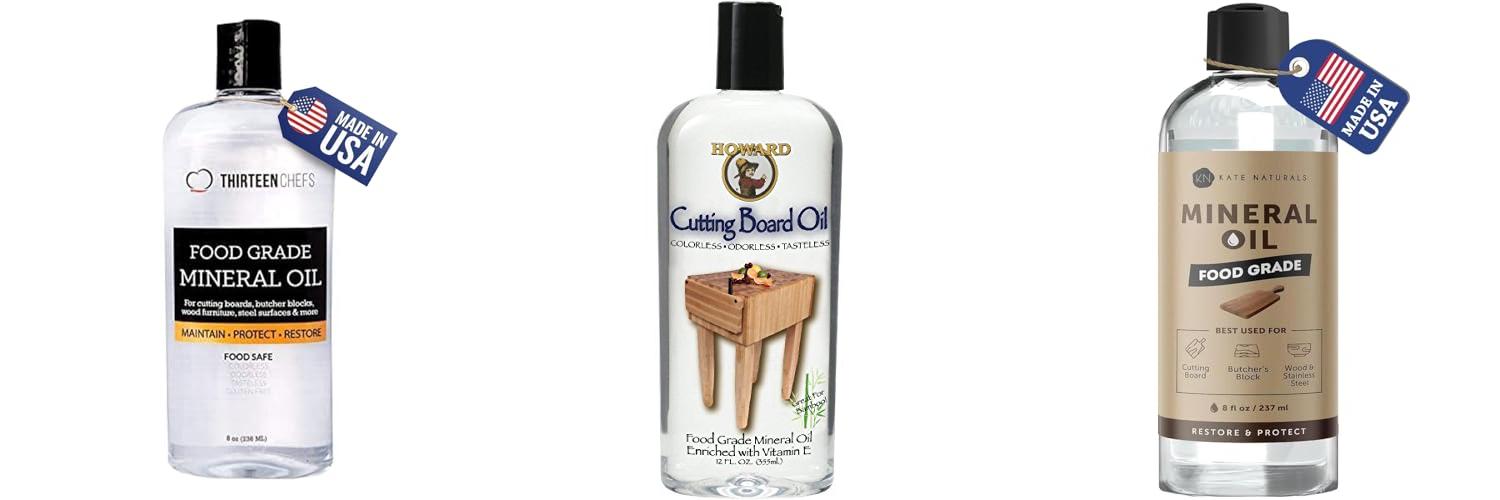
1. Thirteen Chefs Mineral Oil – 8 oz Food Grade Conditioner for Wood Cutting Board

Rating: 9.2/10
Keep your kitchen tools and surfaces looking their best with Thirteen Chefs Mineral Oil. This 8 oz bottle is a food-grade conditioner designed to protect and restore wood cutting boards, countertops, and butcher blocks. It also works wonders as a lubricant for knives and meat grinders, and it’s safe to use on marble and soapstone surfaces.
What We Like:
- This oil is food-grade, meaning it’s safe for use with food. It’s also colorless, odorless, and tasteless, so it won’t affect the flavor of your food. Plus, it’s gluten-free!
- It protects your wood surfaces from drying and cracking. It also helps to restore the shine and smoothness of knives and kitchen appliances.
- The bottle has a push-applicator cap and a squeeze-bottle design, making it super easy to use. You just apply it with a rag or your hands and let it soak in for a few hours.
- A little goes a long way! One bottle can last for years. You only need to apply it every three months to keep your cutting board in great shape.
- This mineral oil is made in the USA and is 100% pure. It’s tested for safety and bottled in facilities that follow FDA rules.
What Could Be Improved:
- While the 4-hour soaking time is effective, some users might prefer a faster application process for quick cleanups.
- The 8 oz size is great for home use, but for very large kitchens or professional settings, a larger size option might be beneficial.
This Thirteen Chefs Mineral Oil is a fantastic, all-in-one solution for maintaining your kitchen essentials. It’s a smart investment for anyone who values the longevity and appearance of their wooden surfaces and kitchen tools.
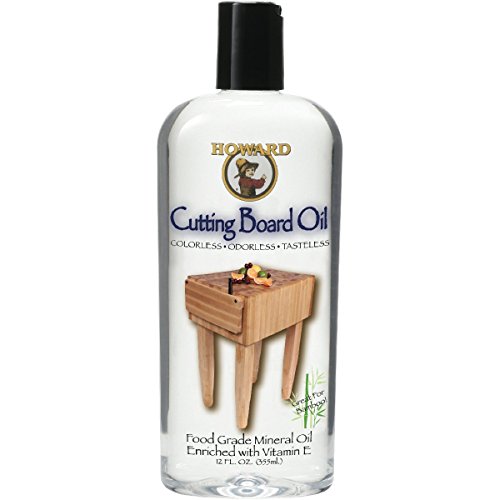
2. Howard Products Food Grade Mineral Oil for Wood Cutting Board – 12 oz
Rating: 8.7/10
Keep your wooden kitchenware looking its best with Howard Products Food Grade Mineral Oil. This 12 oz bottle is designed to nourish and protect your cutting boards, butcher blocks, and other wooden items. It’s a simple way to maintain the beauty and longevity of your favorite kitchen tools.
What We Like:
- It’s completely safe to use around food because it’s tasteless, odorless, and colorless.
- It soaks deep into the wood, making the natural colors pop and stopping wood from drying out.
- You can use it on all sorts of wooden things, like cutting boards, butcher blocks, and even wooden bowls.
- It has Vitamin E added, which is good for your wooden items.
- It’s perfect for getting new wooden items ready to use or for keeping older ones in great shape.
What Could Be Improved:
- A single 12 oz bottle might run out quickly for very frequent users.
- While versatile, it’s specifically for wood and won’t work on other materials.
This mineral oil is an excellent choice for anyone who wants to care for their wooden kitchen items. It’s easy to use and makes a noticeable difference.
3. Kate Naturals Mineral Oil for Wood Cutting Board

Rating: 9.4/10
Kate Naturals Mineral Oil is a versatile, food-safe solution designed to care for your kitchen essentials. This 8oz bottle of USP & Food Grade White Mineral Oil is perfect for keeping your wooden cutting boards, butcher blocks, and utensils in top shape. It also works wonders on stainless steel blades and even certain countertops.
What We Like:
- It’s food safe, meaning it’s safe to use on anything that touches your food.
- This oil helps prevent your wooden cutting boards from cracking or splitting.
- It protects your knives from getting rusty.
- The oil is unscented, colorless, and tasteless, so it won’t change the smell or taste of your food.
- It’s great for more than just kitchen items; you can use it on soapstone, marble, and even for polishing.
- It can also be used on your skin to keep it moisturized and feeling soft.
- The company stands behind its product and offers to make things right if you’re not happy.
What Could Be Improved:
- While it’s good for many things, it’s important to remember it’s specifically a mineral oil, not a wood conditioner with added waxes or sealants.
- The 8oz size might run out quickly if you use it very frequently on many items.
This mineral oil is a fantastic all-around product for maintaining your kitchen tools and even for personal care. It’s a simple yet effective way to protect your investments and keep them looking great.
4. CLARK’S Cutting Board Oil – Food Grade Mineral Oil for Cutting Board – Enriched with Lemon and Orange Oils – Butcher Block Oil and Conditioner – Mineral Oil – Restores and Protects All Wood – 12oz

Rating: 9.0/10
Keep your wooden cutting boards and butcher blocks looking their best with CLARK’S Cutting Board Oil. This food-grade mineral oil is specially designed to nourish and protect all types of wood. It helps prevent drying and cracking, extending the life of your kitchen tools. The oil is easy to apply and absorbs well, leaving your wood surfaces smooth and beautiful.
What We Like:
- It deeply conditions and protects your wood cutting boards.
- The delightful fresh scent from lemon and orange oils is subtle and pleasant.
- It’s made with food-grade mineral oil, so it’s safe for use around food.
- It restores the natural beauty of your wood, making it look like new.
- The 12oz bottle provides plenty of oil for regular maintenance.
What Could Be Improved:
- Some users might prefer a thicker oil for very dry wood.
- The scent, while pleasant, might not be strong enough for those who love very fragrant products.
CLARK’S Cutting Board Oil is an excellent choice for anyone wanting to maintain their wooden kitchenware. It offers effective protection and a lovely, fresh scent.
5. WALRUS OIL – Cutting Board Oil and Wood Butcher Block Oil

Rating: 9.3/10
Keep your wooden cutting boards and butcher blocks looking great with WALRUS OIL – Cutting Board Oil and Wood Butcher Block Oil. This 8 oz bottle offers a simple way to protect and beautify your wood surfaces. It’s made with only the best ingredients for your kitchen.
What We Like:
- Simple Ingredients: It uses a natural blend of beeswax, fractionated coconut oil, pure mineral oil, and vitamin E. This means no harsh chemicals on your food prep surfaces.
- Easy to Use: Applying the oil is a breeze. Just put a thin layer on your wood and wipe off the excess after it dries. It’s a quick way to refresh your boards.
- Food-Contact Safe: This oil is 100% safe for any surface that touches your food. It meets FDA standards, so you can use it with confidence.
- Proudly Made in the USA: The oil is brewed and bottled right here in the United States. You’re supporting local production with every purchase.
- Trusted by Pros: Professional woodworkers trust this brand for their projects. This shows it’s a high-quality product that works really well.
What Could Be Improved:
- Bottle Size: For very large butcher blocks or frequent use, the 8 oz bottle might run out quickly. A larger size option could be helpful.
- Application Time: While easy to use, you do need to let it dry before wiping, which takes a little patience.
This WALRUS OIL is an excellent choice for anyone wanting to maintain their wooden kitchenware. It provides effective protection and a beautiful finish with simple, safe ingredients.
Choosing the Best Oil for Your Cutting Board
Your cutting board is a workhorse in the kitchen. It sees all the chopping, slicing, and dicing. To keep it looking great and last a long time, you need to oil it. This guide will help you pick the perfect oil.
Why Oil Your Cutting Board?
Oiling does a few important things. It keeps the wood from drying out and cracking. It also makes the board less likely to absorb stains and smells. A well-oiled board is more hygienic and looks better.
Key Features to Look For
1. Food-Safe Ingredients
This is the most important thing. You don’t want anything toxic near your food. Always choose oils that are safe for contact with food. Many oils are specifically made for cutting boards.
2. Non-Rancid Oils
Some oils can go bad, or “rancid.” This means they can smell funny and even taste bad. You want an oil that won’t go rancid. This usually means avoiding common cooking oils like olive oil or vegetable oil for long-term use.
3. Penetration and Protection
The best oils soak into the wood. This creates a barrier. This barrier protects the wood from water and stains. It also helps prevent the wood from drying out.
Important Materials to Consider
Most cutting board oils are made from natural ingredients. Here are some common ones:
- Mineral Oil: This is a popular choice. It’s food-safe, doesn’t go rancid, and is affordable. It soaks in well and protects the wood.
- Beeswax: Often mixed with mineral oil, beeswax adds an extra layer of protection. It creates a water-resistant finish. It also gives the board a nice sheen.
- Specialty Blends: Many companies offer their own mixes. These often include mineral oil, beeswax, and sometimes other natural oils like fractionated coconut oil or tung oil (make sure it’s food-grade tung oil).
Factors That Improve or Reduce Quality
Factors That Improve Quality:
- Pure Ingredients: Oils made with simple, pure ingredients are usually best. Avoid oils with added fragrances or chemicals.
- Proper Curing: Some oils are heat-treated or processed to improve their stability. This can make them less likely to go rancid.
- Specific Formulations: Oils designed specifically for cutting boards have the right consistency and properties.
Factors That Reduce Quality:
- Edible Cooking Oils: Oils like olive oil, vegetable oil, or canola oil can go rancid. They can leave a sticky residue.
- Additives: Fragrances, dyes, or other chemicals can be harmful or affect the wood.
- Low-Quality Mineral Oil: Not all mineral oil is the same. Look for food-grade or USP-grade mineral oil.
User Experience and Use Cases
Ease of Application:
Most cutting board oils are easy to use. You just pour some on, spread it around with a cloth, let it soak in, and wipe off the excess. Regular oiling keeps your board from looking dull. It also prevents food juices from sinking in.
Use Cases:
- Daily Kitchen Use: For anyone who cooks regularly, oiling is essential. It helps your board handle daily wear and tear.
- Charcuterie Boards: If you use your board for serving meats and cheeses, oiling keeps it looking beautiful and prevents odors.
- Wood Preservation: For beautiful wooden boards, oiling is key to keeping them in top shape for years.
Frequently Asked Questions
Q: What is the best type of oil for a cutting board?
A: Food-grade mineral oil is a very popular and effective choice. Many people also like blends that include beeswax for extra protection.
Q: Can I use olive oil or vegetable oil on my cutting board?
A: It’s generally not recommended. These oils can go rancid, which means they can smell bad and become sticky.
Q: How often should I oil my cutting board?
A: It depends on how often you use it and how dry the wood looks. A good rule of thumb is once a month, or whenever the board starts to look dry.
Q: How do I apply the oil?
A: Pour a generous amount of oil onto the board. Spread it evenly with a clean cloth. Let it soak in for at least 30 minutes, or even overnight. Then, wipe off any excess oil.
Q: Will oiling make my cutting board sticky?
A: If you use the right oil (like mineral oil) and wipe off the excess, it shouldn’t be sticky. Stickiness can happen with cooking oils that go rancid.
Q: Can I oil my plastic cutting board?
A: No, plastic cutting boards do not need to be oiled. They are non-porous and don’t dry out like wood.
Q: What does “food-safe” mean for cutting board oil?
A: It means the oil is safe to come into contact with food and is not toxic if small amounts are ingested.
Q: Can I use coconut oil?
A: Fractionated coconut oil is sometimes used in blends because it doesn’t go rancid easily. Regular coconut oil can sometimes go rancid.
Q: Does the type of wood matter for oiling?
A: All wood cutting boards benefit from oiling. Different woods might absorb oil a bit differently, but the process is the same.
Q: Where can I buy cutting board oil?
A: You can find cutting board oil at kitchen supply stores, hardware stores, online retailers, and sometimes in the kitchen section of larger department stores.
In conclusion, every product has unique features and benefits. We hope this review helps you decide if it meets your needs. An informed choice ensures the best experience.
If you have any questions or feedback, please share them in the comments. Your input helps everyone. Thank you for reading.