
Becoming a basketball referee involves understanding the rules, getting certified, and honing your skills through training. This comprehensive guide will walk you through the entire process, from your initial interest in basketball officiating to potentially building a fulfilling career as a sports official.
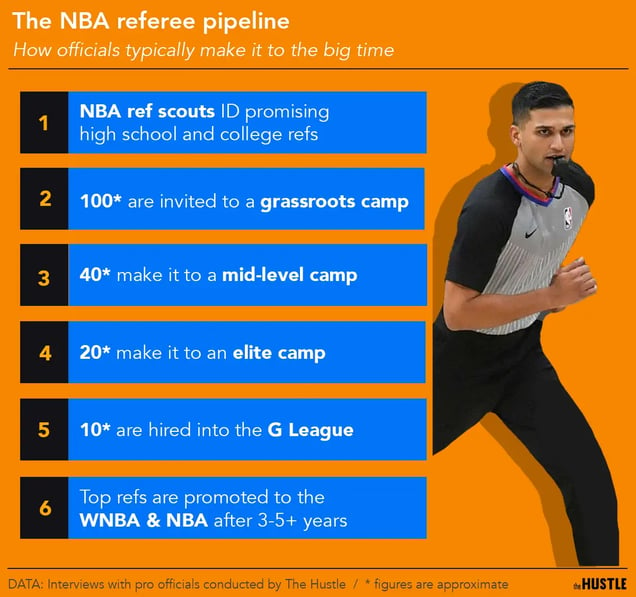
Image Source: 20627419.fs1.hubspotusercontent-na1.net
Your Journey to Becoming a Basketball Referee
Basketball officiating is a vital component of the game, ensuring fair play and upholding the integrity of competitions. Whether you’re drawn to the strategic aspect of the game, enjoy being close to the action, or are looking for a rewarding way to stay involved in sports, becoming a basketball referee can be an excellent path. This guide will cover everything you need to know about becoming a basketball referee, from the initial steps of basketball referee training to the ongoing development required for a successful career.
Deciphering Basketball Rules and Mechanics
At its core, how to officiate basketball boils down to a deep knowledge of the game’s rules and the ability to apply them consistently and fairly. This requires more than just memorizing the rulebook; it involves grasping the spirit of the rules and making judgment calls in real-time.
Essential Rule Knowledge
The foundation of any good referee is a thorough grasp of the official basketball rules. These rules govern every aspect of the game, from how the ball is inbounded to what constitutes a foul. Key areas include:
- Violations: Traveling, double dribble, backcourt violations, shot clock violations, carrying the ball, etc.
- Fouls: Personal fouls (blocking, charging, pushing, holding), technical fouls, flagrant fouls, and unsportsmanlike conduct.
- Scoring: How points are awarded for field goals and free throws.
- Timing: Game clock, shot clock, timeouts, and periods of play.
- Player Restrictions: Substitutions, player conduct, and participation rules.
Mastering Referee Mechanics
Beyond knowing the rules, referees must develop sound “mechanics.” These are the standardized physical movements and positioning that allow officials to see the game clearly and communicate effectively with players, coaches, and other officials. Good mechanics include:
- Positioning: Being in the right place at the right time to observe plays. This often involves using a “lead” and “trail” position in a two-person crew.
- Footwork: Moving efficiently around the court to maintain optimal viewing angles.
- Signaling: Clearly and promptly communicating calls to scorers, timers, and players.
- Voice Command: Using a clear and authoritative voice to stop play or issue warnings.
- Observation: Developing the ability to scan the court and anticipate actions.
Resources for Rule and Mechanic Learning
- The Official Basketball Rulebook: Obtain the rulebook for the specific league or organization you aim to officiate (e.g., NCAA, NBA, NFHS for high school).
- Basketball Referee Handbooks: Many associations provide specialized handbooks that delve deeper into mechanics and officiating strategies.
Steps to Becoming a Certified Basketball Referee
The path to becoming a basketball referee generally involves several key stages, with basketball referee certification being a crucial milestone.
1. Initial Research and Self-Assessment
Before diving in, it’s wise to do some initial research and honestly assess your suitability for the role.
- Commitment: Refereeing requires dedication. Games often take place on evenings and weekends, and consistent availability is necessary.
- Physical Fitness: You’ll be on your feet and moving for the duration of games, so a reasonable level of physical fitness is important.
- Mental Fortitude: Dealing with pressure, making split-second decisions, and handling criticism from players, coaches, and fans are part of the job.
- Passion for the Game: A genuine love for basketball will fuel your motivation and help you navigate the challenges.
2. Finding a Basketball Referee Association
Most states and many local areas have dedicated basketball referee associations. These organizations are invaluable resources for training, certification, and job placement.
- Locating an Association: Search online for “basketball referee association [your state]” or “[your city] basketball officials.”
- Membership Benefits: Associations typically offer:
- Training Programs: Structured courses covering rules, mechanics, and practical application.
- Certification: The formal process of assessing your knowledge and skills.
- Mentorship: Experienced officials often mentor new referees.
- Scheduling and Game Assignment: Connecting you with leagues and assigning you games.
- Networking: Opportunities to connect with other officials and learn from them.
- Continuing Education: Resources for ongoing improvement and staying current with rule changes.
3. Completing Basketball Referee Training
Once you’ve joined an association, you’ll typically enroll in their basketball referee training program. These programs vary in length and intensity but generally cover:
Training Content
- Rule Study: In-depth review of the official rulebook.
- Mechanics Instruction: Learning and practicing correct positioning, movement, and signaling.
- Observation and Analysis: Watching game footage and discussing officiating decisions.
- Practical Drills: Simulating game situations to practice making calls.
- Crew Work: Learning how to effectively communicate and work with a partner (or multiple partners in higher levels).
- Game Management: Strategies for handling coaches, players, and spectators.
Training Formats
Training can take various forms:
- Classroom Sessions: Lectures and discussions covering rules and theory.
- On-Court Clinics: Practical sessions where you’ll be on a basketball court, practicing mechanics.
- Online Modules: Some associations offer web-based courses for flexibility.
- Mentored Games: Observing experienced referees during actual games.
4. Achieving Basketball Referee Certification
Basketball referee certification is your official credential. The requirements vary by association and the level of play you aim to officiate.
Certification Requirements
Typically, certification involves:
- Rule Test: A written or online exam to assess your knowledge of the rules.
- Practical Evaluation: An assessment of your mechanics and ability to apply rules during observed drills or practice games.
- Attendance: Meeting minimum attendance requirements for training sessions.
- Background Check: Many organizations require a background check for safety.
- Fees: There are usually fees associated with training and certification.
Levels of Certification
Certifications are often tiered, reflecting different levels of play:
- Beginner/Entry-Level: For officiating youth leagues, elementary, and middle school games.
- Intermediate: For high school and some lower-level collegiate or adult recreational leagues.
- Advanced: For higher levels of collegiate, professional, or specialized leagues.
Each level typically requires progressively more rigorous testing and experience.
5. Gaining Experience and Skill Development
Certification is just the beginning. The real learning happens on the court.
Starting at the Grassroots Level
Most new referees begin by officiating youth leagues, school intramurals, and recreational adult leagues. These environments offer valuable experience with less pressure and allow you to refine your skills.
The Importance of a Basketball Referee Handbook
Many associations provide a basketball referee handbook that supplements the official rulebook. These handbooks often contain practical advice, diagrams of positioning, and tips for specific game situations. Referencing this handbook throughout your career is crucial.
Seeking Feedback and Mentorship
Actively seek feedback from experienced referees and assignors. If your association has a mentorship program, take advantage of it. Observing and being observed are powerful tools for growth.
6. Advancing Your Referee Career
As you gain confidence and experience, you can pursue opportunities to officiate at higher levels.
Moving Up the Ranks
- High School: Many high school athletic associations have their own certification processes, often managed through regional referee organizations.
- Collegiate (NCAA, NAIA, etc.): Officiating college basketball requires significant experience, a strong understanding of collegiate rules, and often an invitation to work for a collegiate assigning body.
- Professional Leagues (NBA, WNBA, G-League, etc.): These leagues have highly selective scouting and training programs. Becoming a professional referee is a challenging but achievable goal for a select few who demonstrate exceptional skill, professionalism, and consistency.
Continuing Education and Specialization
- Rule Updates: Stay current with any rule changes or interpretations issued by governing bodies.
- Advanced Training: Attend camps and clinics focused on specific skills or higher-level officiating.
- Specialization: Some referees might specialize in different types of games or age groups.
What are the Basketball Referee Qualifications?
Basketball referee qualifications can vary slightly depending on the league or organization, but generally include:
- Age: Typically a minimum age (often 18 or older) is required.
- Knowledge of Rules: Demonstrated proficiency in the official rules of basketball.
- Physical Fitness: Ability to keep up with the pace of the game.
- Good Vision and Hearing: Essential for observing plays and hearing calls.
- Communication Skills: Ability to clearly communicate with players, coaches, and other officials.
- Judgment and Decision-Making: Capacity to make sound, impartial decisions under pressure.
- Integrity and Impartiality: A commitment to fairness and unbiased officiating.
- Professionalism: Maintaining a professional demeanor on and off the court.
- Certification: Holding a valid certification from a recognized basketball officiating association.
What is Basketball Officiating?
Basketball officiating is the practice of applying the rules of basketball to ensure fair competition. Referees (or officials) are responsible for:
- Starting and stopping play.
- Administering fouls and violations.
- Keeping the score and clock (often with the help of a scorer and timer).
- Ensuring player safety and sportsmanship.
- Interpreting and enforcing all aspects of the game’s rules.
Can I Officiate Multiple Levels of Basketball?
Yes, many basketball referees officiate multiple levels of basketball. After gaining experience and certification at the youth or recreational level, referees can pursue certification for high school, college, or other leagues. Each level may have its own specific requirements and training pathways.
Table: Typical Progression of a Basketball Referee Career
| Stage | Focus | Typical Games | Certification Needs | Key Skills Developed |
|---|---|---|---|---|
| Beginner/Entry-Level | Learning rules, basic mechanics, court awareness. | Youth leagues, elementary/middle school, recreational adult. | Local/state association certification. | Rule application, positioning, basic signaling. |
| Intermediate | Refining mechanics, advanced foul calls, crew coordination, game management. | High school, some junior college, higher-level adult leagues. | State high school association, regional assignments. | Advanced mechanics, foul recognition, communication. |
| Advanced | Mastery of mechanics, complex game situations, consistent judgment. | College (NCAA Division III/II), higher-level prep schools. | Collegiate assigning bodies, NCAA certification (if applicable). | Consistency, anticipation, leadership on the court. |
| Professional | Elite-level performance, strategic game management, international standards. | Professional leagues (NBA, WNBA, G-League), international. | Highly selective scouting and training programs. | Peak performance, advanced strategy, media interaction. |
The Role of a Basketball Referee Association
A basketball referee association is more than just a certifying body; it’s a community and a support system. They are crucial for:
- Standardized Training: Ensuring all members receive consistent and quality basketball referee training.
- Fair Game Assignments: Distributing games equitably among members based on their certification and availability.
- Professional Development: Offering ongoing clinics, workshops, and resources to help referees improve.
- Advocacy: Representing referees and their interests to leagues and governing bodies.
- Networking: Providing a platform for referees to connect, share experiences, and learn from one another.
Frequently Asked Questions (FAQ)
Q1: How much do basketball referees make?
A1: Referee pay varies significantly by league, experience level, and geographic location. Youth league referees might earn $25-$50 per game, while high school referees can earn $50-$150 per game. College and professional referees earn considerably more, often on a per-game or contract basis.
Q2: What are the physical demands of being a basketball referee?
A2: Refereeing requires good stamina, agility, and the ability to move quickly and efficiently on the court. You’ll be running, stopping, and changing direction frequently throughout a game.
Q3: Do I need to have played basketball to become a referee?
A3: While playing experience can be beneficial for developing a feel for the game, it’s not a strict requirement. Many successful referees have come from various backgrounds. What’s essential is a thorough knowledge of the rules and a commitment to learning how to officiate basketball effectively.
Q4: How long does it take to become a certified basketball referee?
A4: The time it takes varies. A basic certification for youth leagues might take a few weeks or months of dedicated training. Reaching higher levels of certification, like for college basketball, can take several years of consistent officiating and continuous development.
Q5: What is the most challenging aspect of being a basketball referee?
A5: Many referees cite dealing with pressure, making correct calls in fast-paced situations, managing difficult coaches or players, and accepting criticism as the most challenging aspects. Maintaining focus and impartiality is key.
Q6: What are the key differences between officiating high school and college basketball?
A6: While the core rules are similar, college basketball often has faster play, different timing rules (e.g., certain fouls in the bonus), and a higher level of athletic performance. The officiating mechanics and strategic positioning can also differ slightly, and collegiate officials often work in crews of three.
Q7: Where can I find a good basketball referee handbook?
A7: Your local or state basketball referee association will typically provide or recommend an appropriate basketball referee handbook that aligns with their training and the rules they use. These handbooks are invaluable for practical guidance.
Becoming a basketball referee is a rewarding endeavor that combines a passion for the sport with the application of skill and judgment. By following these steps, focusing on continuous learning, and embracing the challenges, you can forge a successful and fulfilling career as a sports official.