
Have you ever wondered how those vibrant lines and solid colors appear on a basketball court? The process of basketball court painting is quite involved. It requires careful planning, specific materials, and skilled application to create a durable and visually appealing playing surface. While many might assume it’s a simple DIY project, professional sports court painting services are typically employed for optimal results, especially for athletic court construction and gymnasium floor painting.
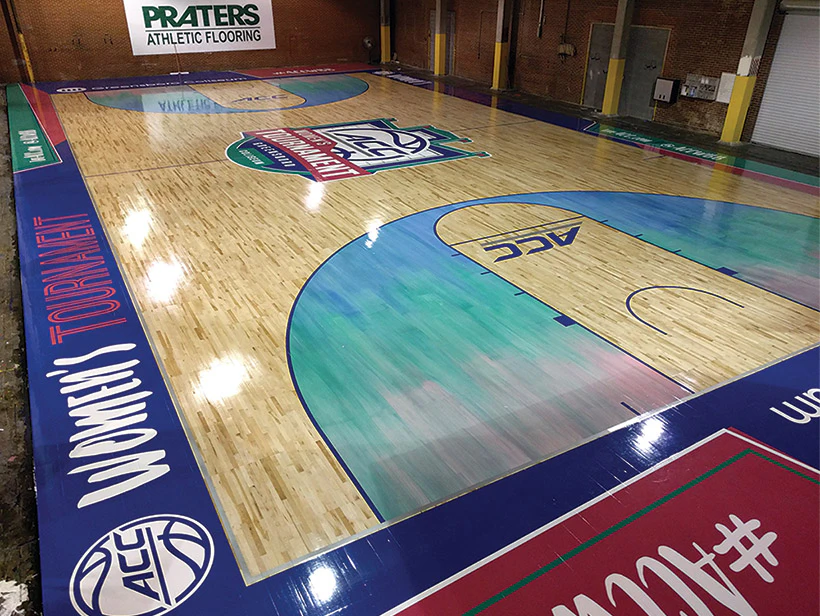
Image Source: img.woodfloorbusiness.com
Preparing the Canvas: The Crucial First Steps
Before any paint touches the court, extensive preparation is key to a lasting finish. This stage is critical for both new athletic court construction and for revitalizing existing surfaces through court resurfacing.
Surface Assessment and Cleaning
The first step in basketball court painting is a thorough inspection of the existing surface. Whether it’s concrete, asphalt, or an indoor gymnasium floor, its condition dictates the preparation needed.
- Indoor Courts: For gymnasium floors, especially those made of wood, cleaning is paramount. Dust, dirt, oils, and old finishes must be completely removed. This often involves specialized industrial floor scrubbers and cleaners. Any existing scuff marks or worn areas might need sanding or light abrasion to ensure proper paint adhesion.
- Outdoor Courts: Outdoor basketball court painting faces different challenges. Asphalt and concrete surfaces can accumulate dirt, debris, moss, algae, and even oil stains. Power washing is a standard method for removing loose debris. Stubborn stains might require specific degreasers or chemical treatments. Cracks and potholes must be repaired using appropriate patching compounds before painting can begin.
Repairing Imperfections
No court is perfect, and addressing flaws is a vital part of the process.
Addressing Cracks and Potholes
- Asphalt Courts: Small cracks can be filled with specialized crack fillers, often a hot-pour rubberized sealant that remains flexible. Larger cracks or potholes require more substantial patching compounds, which are then compacted and leveled.
- Concrete Courts: Concrete surfaces might have spalling (surface flaking) or hairline cracks. These are typically repaired with epoxy-based fillers or cementitious patching materials. The goal is to create a smooth, uniform surface.
Leveling and Smoothing
Even after repairs, some unevenness might persist. For indoor courts, particularly wood gymnasium floors, light sanding might be done to ensure a perfectly smooth surface. For outdoor courts, especially those with asphalt, minor leveling might involve applying a thin asphalt patching compound. This ensures the court line painting is precise and the paint application is even.
Priming the Surface
A good primer is essential for ensuring the topcoat of paint adheres well and lasts longer.
- Purpose of Primer: Primers seal the porous surface of concrete or asphalt, preventing the topcoat from soaking in too much and creating an uneven finish. They also provide a uniform base color, enhancing the vibrancy of the final paint.
- Primer Selection: The type of primer used depends on the court’s material and whether it’s an indoor or outdoor application. For concrete, acrylic or epoxy-based primers are common. Asphalt courts might benefit from specialized asphalt primers.
The Art of Layout: Mapping the Court
Accurate basketball court layout is non-negotiable. This is where the rules of the game are translated into visible boundaries.
Understanding Court Dimensions
Every basketball court has specific dimensions for the playing area, key, three-point line, and free-throw lines. These are standardized by organizations like the NBA, FIBA, and NCAA, with slight variations.
- Key Dimensions: The rectangular area under the basket, the free-throw lane, has specific widths and lengths.
- Three-Point Line: The arc that dictates two-point versus three-point shots has a defined radius and height from the court.
- Center Circle and Lines: The center circle, half-court line, and boundary lines all have precise measurements.
Measuring and Marking
This phase of basketball court painting requires meticulous accuracy.
- Tools of the Trade: Measuring tapes (often 100-foot tapes for larger courts), chalk lines, chalk, string, and marking lasers are used to lay out the court.
- Layout Process:
- Establishing Baselines and Sidelines: The longest lines, the sidelines, are typically laid out first. String lines are often used to ensure they are perfectly straight.
- Marking Key Areas: The free-throw lanes and the area around the basket are then measured and marked.
- Drawing the Three-Point Arc: This can be one of the trickiest parts, often requiring a rope or chain attached to a central point to draw a perfect arc.
- Center Circle and Mid-Court Line: These are laid out for symmetry and accuracy.
- Temporary Markings: Initially, chalk or temporary spray paint is used to create the layout. These markings are then finalized with durable court marking paint.
Selecting the Right Paint: More Than Just Color
The paint used for basketball court painting is specifically formulated for high-traffic sports surfaces. It needs to be durable, slip-resistant, and weather-resistant for outdoor courts.
Types of Court Paint
- Acrylic Latex Paints: These are common for outdoor courts due to their durability and UV resistance. They are flexible enough to expand and contract with temperature changes, reducing the risk of cracking.
- Epoxy Paints: Often used for indoor gymnasium floors, epoxy paints provide an extremely hard and durable finish that can withstand heavy foot traffic and constant abrasion. They are also known for their excellent adhesion.
- Polyurethane Coatings: Sometimes used as a topcoat over acrylic or epoxy for added durability and a glossier finish, especially on indoor courts.
Key Paint Properties
- Durability: The paint must withstand constant foot traffic, the abrasion of shoes, and potential impacts from basketballs.
- Traction/Slip Resistance: A crucial safety feature. Most court paints include additives to provide a controlled level of grip, preventing players from slipping.
- Color Retention: Especially important for outdoor courts, the paint needs to resist fading from UV exposure and weather.
- Adhesion: The paint must bond strongly to the underlying surface to prevent peeling or flaking.
The Application Process: Bringing the Court to Life
With the preparation complete and the layout precise, the actual painting begins. This is where the visual appeal of the court is created.
Applying the Base Coat
The first layer of paint applied is usually a solid color for the entire court or specific zones.
- Tools: This can be done using rollers (often with extension handles for larger areas), sprayers, or specialized line striping machines.
- Technique: Even, consistent application is key. For large areas, spray application can be faster but requires careful masking to avoid overspray. Rollers offer more control for intricate areas.
Court Line Painting
This is a highly detailed part of basketball court painting.
- Masking: Once the base coat is dry, the meticulously laid-out lines are masked off. High-quality painter’s tape, specifically designed for outdoor use or for delicate surfaces like wood floors, is used. The tape must be pressed down firmly to prevent paint from bleeding underneath.
- Painting the Lines:
- Hand-Painting: For intricate or smaller lines, or when using a sprayer for the base coat, lines are often painted by hand using brushes or smaller rollers. This allows for precise control.
- Line Stripers: For longer, straight lines or larger courts, specialized line striping machines are used. These machines apply a consistent width of paint, ensuring sharp, clean lines.
- Multiple Coats: Lines often require two coats of paint for opacity and durability.
Adding Graphics and Logos
Many courts feature logos or custom graphics. These are applied after the base coats and main lines are complete.
- Stenciling: Logos and custom designs are typically applied using stencils. These are carefully cut from durable material and placed on the court.
- Application: Paint is then applied to the stencil using brushes, rollers, or sprayers, ensuring it fills the cut-out areas completely. Careful removal of the stencil is crucial to avoid damaging the underlying paint.
Applying the Topcoat/Sealer
The final layer is often a clear sealer or a protective topcoat.
- Purpose: This layer adds an extra layer of protection against wear, tear, and the elements. It also provides a consistent sheen and can enhance the color of the paint.
- Types: Clear acrylic sealers, urethane-based sealers, or even specialized anti-skid sealers are common.
- Application: Similar to the base coat, this is typically applied using rollers or sprayers.
Ongoing Care: Court Maintenance Painting
Once a basketball court is painted, regular court maintenance painting and cleaning are necessary to preserve its appearance and functionality.
Regular Cleaning
- Outdoor Courts: Sweeping or blowing off debris is a daily or weekly task. Occasional washing with water can help remove surface dirt.
- Indoor Courts: Regular dust mopping is essential. Deeper cleaning might involve using pH-neutral floor cleaners and specialized equipment to avoid damaging the finish.
Touch-Ups and Recoating
Over time, even the best court paint can show wear.
- Touch-Ups: Small nicks, scuffs, or worn areas can often be touched up with the original paint colors.
- Recoating: When the wear becomes more widespread, a full recoat of the court may be necessary. This involves cleaning, minor repairs, and reapplication of the paint system, similar to the original basketball court painting process. This is a form of court resurfacing.
Periodic Professional Inspection
It’s wise to have sports court painting professionals inspect the court periodically. They can identify potential issues before they become major problems and recommend the best course of action for court maintenance painting.
Factors Affecting Basketball Court Painting Durability
Several elements influence how long a painted court will last.
| Factor | Impact on Durability |
|---|---|
| Surface Preparation | Inadequate cleaning or repair leads to premature peeling and poor adhesion. |
| Paint Quality | Using low-quality or incorrect type of paint will result in faster wear and fading. |
| Application Quality | Inconsistent thickness, poor masking, or incorrect drying times can compromise the finish. |
| Traffic Volume | High-traffic areas will naturally show wear more quickly than low-traffic areas. |
| Environmental Factors | Extreme temperatures, UV exposure, moisture, and harsh chemicals can degrade the paint. |
| Maintenance | Regular cleaning and timely touch-ups extend the life of the paint job. |
Specialized Applications: Indoor vs. Outdoor
While the core principles of basketball court painting are similar, there are distinct differences between indoor and outdoor applications.
Gymnasium Floor Painting
Gymnasium floors, often made of hardwood, require a specific approach.
- Wood Finish: The natural beauty of wood is often preserved with clear sealers and finishes. Paint is used for lines and logos.
- Adhesion Challenges: Wood expands and contracts with humidity, so paints and sealers must be flexible.
- Durability: The finish needs to withstand the intense friction from sneakers and frequent cleaning.
- Safety: Slip-resistant additives are critical for preventing injuries.
Outdoor Basketball Court Painting
Outdoor courts, typically asphalt or concrete, face a harsher environment.
- Weather Resistance: The paint must be formulated to withstand rain, sun, heat, cold, and potential freeze-thaw cycles.
- Surface Porosity: Concrete and asphalt are more porous than wood, requiring appropriate primers to ensure good adhesion.
- Durability: Withstands foot traffic, but also potential debris, dirt, and the elements.
- Color Choices: Lighter colors can help reduce heat absorption on hot surfaces.
Costs Associated with Painting a Basketball Court
The investment in basketball court painting can vary significantly.
Cost Influences
- Court Size: Larger courts naturally require more paint and labor.
- Surface Type: Preparing and painting different surfaces can have varying costs.
- Condition of the Surface: Extensive repairs will increase the overall cost.
- Paint Quality: Higher-quality, specialized paints are more expensive.
- Complexity of Design: Intricate graphics, logos, or multiple colors will add to the cost.
- Location: Labor costs and material availability can vary by region.
Budgeting for Your Project
It’s advisable to get multiple quotes from experienced sports court painting professionals. They can provide a detailed breakdown of costs, including preparation, materials, labor, and any warranty information.
Frequently Asked Questions About Basketball Court Painting
Q1: How long does a painted basketball court last?
A1: With proper preparation, high-quality materials, and regular maintenance, a basketball court can last anywhere from 3 to 10 years before needing a full recoat. Outdoor courts generally have a shorter lifespan due to exposure to the elements.
Q2: Can I paint my own basketball court?
A2: Yes, you can paint your own court, but it’s a labor-intensive process that requires precision and the right materials. For professional-looking results, especially for significant projects like athletic court construction or commercial sports facilities, hiring professionals is recommended.
Q3: What is the best type of paint for a basketball court?
A3: For outdoor courts, durable acrylic latex paints with UV inhibitors are often preferred. For indoor gymnasium floors, high-performance epoxy or polyurethane coatings are typically used. The best choice depends on the court’s material and expected usage.
Q4: How many coats of paint are usually applied?
A4: Typically, a court will receive at least one base coat, followed by two coats for the lines and any graphics. A final clear coat or sealer is also common.
Q5: What is the most common mistake made when painting a basketball court?
A5: The most common mistake is inadequate surface preparation. Skipping crucial cleaning, repair, or priming steps can lead to the paint peeling or failing prematurely.
Q6: How do they ensure the lines are straight?
A6: Professionals use precise measuring tools, chalk lines, string lines, and specialized masking tapes or equipment like line stripers to ensure clean, straight lines.
Q7: Does the weather affect outdoor basketball court painting?
A7: Yes, outdoor painting should only be done in dry conditions with moderate temperatures (typically between 50°F and 85°F or 10°C to 30°C) and low humidity. Rain or extreme temperatures can ruin the paint job.
The process of basketball court painting is a detailed and skilled undertaking, transforming a plain surface into a vibrant and functional athletic space. From meticulous preparation and precise layout to the careful application of specialized paints, each step plays a crucial role in the final outcome. Whether for a local park or a professional gymnasium, the quality of basketball court painting ensures a safe, enjoyable, and visually appealing playing experience.