
Basketball players frequently wipe the bottom of their shoes during games to maintain optimal basketball shoe grip and enhance basketball performance. This seemingly simple action is crucial for preventing slips, ensuring quick changes in direction, and executing complex movements with confidence.
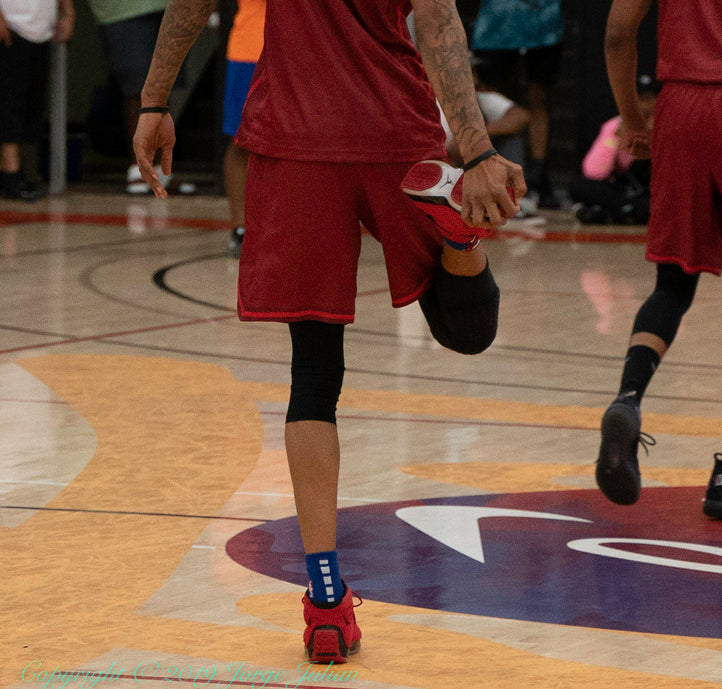
Image Source: gripspritz.com
The Science Behind the Squeak: Traction and Dust
The distinctive “squeaky shoes” sound often heard on a basketball court is a direct indicator of excellent court traction. This squeak happens when the rubberized shoe soles of a basketball shoe create friction against the polished court surface. It’s a sign that the player’s shoes are adhering well, allowing for powerful stops, sharp cuts, and explosive jumps. However, this grip is highly dependent on the cleanliness of the shoe soles and the court.
The Enemy of Grip: Dust and Debris
Basketball courts, especially those made of wood, can accumulate a fine layer of dust, sweat, and other microscopic debris. This film acts as a barrier between the rubber of the shoe sole and the court surface. Instead of a direct, grippy connection, the shoe slides over this slick layer. This loss of friction can be disastrous in a fast-paced game. Imagine trying to stop on a dime or plant your foot to pivot – if your shoes are just sliding, you risk losing balance, falling, or simply being unable to execute the move effectively.
Why Wiping is Essential
Wiping the bottom of the shoes is a player’s immediate solution to this problem. It’s a form of floor cleaning localized to their footwear. By removing the accumulated dust and debris, the player exposes the sticky, grippy rubber of their shoe soles. This re-establishes the crucial connection with the court, restoring their ability to move with speed and agility.
Factors Affecting Shoe Traction
Several elements contribute to how well a basketball shoe grips the court. Understanding these factors highlights why the wiping ritual is so important.
Shoe Sole Material and Design
The material and tread pattern of shoe soles are paramount. Most basketball shoes feature rubber compounds specifically designed for indoor court surfaces.
- Rubber Compounds: Different rubber formulations offer varying levels of tackiness and durability. Some are softer and stickier, providing superior grip but wearing down faster. Others are harder and more durable, offering a good balance.
- Tread Patterns: The grooves and patterns on the sole are engineered to channel away dust and debris and maximize surface contact. Herringbone patterns, multi-directional patterns, and even specific circular designs are all aimed at providing grip in all directions.
Court Surface Condition
The state of the court itself plays a massive role in traction.
- Wood Finish: The polyurethane finish on wooden courts is designed to be slightly tacky. However, it can become slippery when dusty.
- Sweat and Spills: Spilled liquids or excessive sweat can create slick spots on the court.
- Resin Build-up: In some venues, particularly those that also host other sporting events, residue from other sports (like wrestling mats or cheerleading mats) can transfer to the court, making it hazardous.
Player Technique and Movement
How a player moves also affects grip. Aggressive cuts, sudden stops, and quick changes of direction put immense pressure on the shoe-court interface. These movements are precisely when optimal traction is most needed, and when dust accumulation becomes most problematic.
The Act of Wiping: A Player’s Technique
Wiping the bottom of basketball shoes isn’t just a random act; it’s a deliberate player technique that has become an ingrained habit for many. It’s often done quickly and discreetly, usually during a lull in play or as the player prepares to re-enter the game.
Common Wiping Methods
Players employ various methods to clean their soles:
- Side Swipe: The most common method. Players turn their foot sideways and drag the sole across the court surface. This uses the lateral motion to scrape away debris.
- Bottom Scrape: Some players might briefly scrape the bottom of their shoe against the court, particularly if they feel a significant buildup.
- Hand Wipe: Less common during active play due to time constraints and potential interference, but some players might quickly wipe their soles with their hands, especially if they feel a sticky residue.
- Pre-Game and Halftime Routine: Thorough cleaning often happens before the game and during halftime, sometimes using specialized cleaning solutions or brushes to ensure optimal shoe maintenance.
The Psychology of Wiping
Beyond the physical act, there’s a psychological element. When a player feels their shoes losing grip, it can create a subconscious hesitation. Wiping the shoes restores confidence, allowing them to play more aggressively and with less fear of slipping. It’s a form of shoe maintenance that directly impacts their mental game as well as their physical capability.
Why “Sticky Shoes” Matter for Basketball Performance
The term “sticky shoes” is often used colloquially to describe shoes with excellent grip. This stickiness is precisely what players are trying to achieve and maintain.
Enhancing Agility and Speed
- Explosive Starts: A good grip allows players to push off the ground with maximum force, leading to quicker first steps.
- Sharp Cuts: The ability to change direction without sliding is fundamental to offensive and defensive maneuvers. Good traction enables players to cut sharply without losing their footing.
- Stopping Power: Players need to be able to decelerate quickly. If their shoes don’t grip, they can’t stop effectively, leading to over-shooting or losing balance.
Preventing Injuries
Slipping and falling are common causes of basketball injuries. Ankle sprains, knee injuries, and even more severe traumas can occur when a player’s foot unexpectedly slides out from under them. Maintaining good court traction through regular wiping is a proactive measure to prevent these types of accidents.
Executing Advanced Moves
Many of the flashy and effective moves in basketball rely on precise footwork and grip. Crossovers, euro-steps, pump fakes, and post-up moves all require the player to be able to plant their feet firmly and generate force or change direction. Without proper grip, these moves become significantly less effective, or even impossible to execute safely.
The Role of Shoe Maintenance Beyond Wiping
While wiping is a quick fix, proper shoe maintenance is essential for ensuring long-term basketball shoe grip.
Cleaning Shoe Soles Properly
- Regular Cleaning: After each game or practice, it’s beneficial to clean the soles thoroughly. A damp cloth or a soft brush can remove embedded dirt and grime.
- Avoiding Certain Surfaces: Basketball shoes are designed for indoor courts. Wearing them on rougher outdoor surfaces or dirty environments can damage the rubber and pick up abrasive materials that reduce grip.
- Storage: Storing shoes in a dry, ventilated area helps preserve the rubber compound.
When to Replace Basketball Shoes
Even with the best maintenance, basketball shoes will eventually wear out.
- Worn-Out Treads: When the tread patterns on the shoe soles become smooth and flattened, the grip will be significantly reduced.
- Loss of Cushioning: While not directly related to grip, the overall performance and comfort of a basketball shoe also depend on its cushioning. Once the cushioning breaks down, the shoe is no longer optimal.
- Midsole Separation: If the shoe starts to fall apart, it’s time for a replacement.
The Impact of Court Cleaning and Shoe Performance
While players focus on their own footwear, the overall condition of the court is a shared responsibility. Effective floor cleaning practices in arenas are crucial for everyone’s safety and performance.
Arena Maintenance
Professional arenas have dedicated staff to maintain the courts. This often involves:
- Regular Sweeping and Mopping: To remove dust and debris.
- Buffing: To restore the court’s finish and inherent tackiness.
- Addressing Spills Immediately: Promptly cleaning up any liquid spills.
Player Responsibility
Even with excellent arena maintenance, the micro-environment around each player changes rapidly. This is why player technique in wiping their own shoes is so vital. It’s the individual player’s way of adapting to the dynamic conditions of the court surface.
Table: Factors Affecting Basketball Shoe Traction
| Factor | Description | Impact on Grip | Mitigation Strategy |
|---|---|---|---|
| Shoe Sole Material | Rubber compounds used in the bottom of basketball shoes. | Softer rubber is stickier but wears faster; harder rubber is more durable. | Choose shoes with appropriate rubber for playing style and court surface. |
| Tread Pattern | The design of grooves and patterns on the sole. | Channels dust away, maximizes surface contact for better adherence. | Ensure tread is not worn down. |
| Dust and Debris | Fine particles of dirt, sweat, and skin cells that accumulate on the court and shoe soles. | Creates a slippery barrier, preventing direct contact between shoe and court. | Regular wiping of shoe soles. |
| Court Surface | The condition and material of the basketball court (e.g., wood finish, sweat, spills). | A clean, finished wood court offers good grip; dust, sweat, or spills reduce it. | Maintain clean court environment. |
| Sweat | Player’s sweat can transfer to the court and shoe soles, creating a slick surface. | Reduces friction, making it harder to grip and more likely to slip. | Wipe shoes and court surfaces. |
| Player Movement | Aggressive cuts, stops, and pivots place high demands on the shoe-court interface. | Increased pressure can exacerbate the effect of dust or slick spots. | Maintain optimal grip through wiping. |
| Shoe Age/Wear | The extent to which a basketball shoe has been used and the condition of its sole. | Worn-out soles lose their grip pattern and rubber compound effectiveness. | Replace shoes when worn out. |
Frequently Asked Questions (FAQ)
Q1: What is the main reason basketball players wipe their shoes?
A1: The primary reason is to remove dust and debris from their shoe soles to regain optimal court traction and prevent slipping.
Q2: Can I use the same cleaning method for all basketball shoes?
A2: Generally, wiping with a dry or slightly damp cloth is safe. However, always check the manufacturer’s recommendations for shoe maintenance, as some specialized cleaning solutions might be too harsh for certain rubber compounds.
Q3: Who is responsible for keeping the court clean in a basketball game?
A3: Both the venue staff (for general floor cleaning) and the players themselves (through wiping their shoes and being mindful of their sweat) are responsible for maintaining a safe and grippy court environment.
Q4: Do squeaky shoes mean better grip?
A4: Yes, the “squeaky shoes” sound is usually an indicator of good basketball shoe grip, meaning the rubber sole is creating friction with the court surface. However, if the squeak disappears, it suggests grip has been lost, often due to dust.
Q5: How often should basketball players wipe their shoes?
A5: Players typically wipe their shoes multiple times during a game, especially after making sharp cuts or stops, or whenever they feel their grip diminishing. It’s a reactive player technique to maintain performance.
Q6: Will wiping my shoes make them sticky?
A6: Wiping doesn’t inherently make the shoes “sticky” in terms of adding an adhesive substance. Instead, it removes the slippery barrier (dust) to expose the natural tackiness of the shoe’s rubber sole, thus improving court traction.
Q7: What happens if a basketball player doesn’t wipe their shoes?
A7: If a player doesn’t wipe their shoes, they risk reduced traction, leading to slips, falls, missed movements, and potentially an increased chance of injury. This significantly impacts their basketball performance.
Q8: Are there special cloths or solutions for cleaning basketball shoes?
A8: While many players use the court surface itself for a quick wipe, dedicated cleaning products and microfiber cloths exist for more thorough shoe maintenance. These can help preserve the grip and longevity of shoe soles.
Q9: Does humidity affect basketball shoe grip?
A9: Yes, high humidity can sometimes make court surfaces slightly more prone to trapping dust and can affect how sweat interacts with the sole and the court, potentially impacting grip.
Q10: What should I do if my basketball shoes lose their grip even after wiping?
A10: If wiping doesn’t restore grip, it likely means the shoe soles are worn out, dirty with ingrained grime, or the court surface is particularly compromised. It might be time for a deeper cleaning or to consider replacing the shoes.
In conclusion, the simple act of wiping basketball shoes is a critical component of a player’s performance and safety. It’s a testament to how fine details, like the cleanliness of shoe soles, can have a profound impact on basketball shoe grip and overall athletic execution on the court.