
In basketball, a timeout can last anywhere from 60 to 100 seconds, depending on the league and the specific circumstances. While official timeouts in the NBA are typically 100 seconds, coaches’ timeouts are shorter, usually 75 seconds. College basketball rules often dictate 60-second timeouts, but there are also 30-second and 20-second options. These crucial basketball game interruptions serve vital strategic purposes, allowing teams to regroup, discuss plays, and make adjustments.
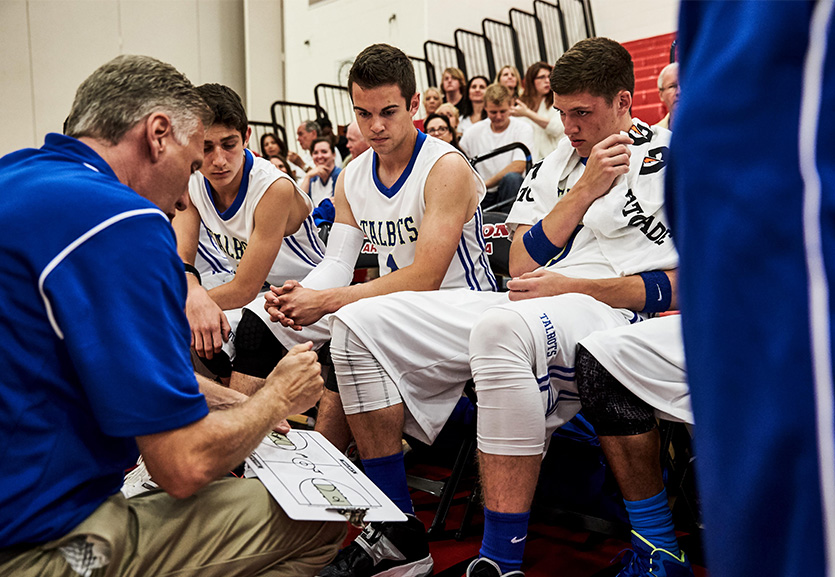
Image Source: www.dickssportinggoods.com
The Rhythm of the Game: Understanding Timeouts in Basketball
Basketball is a game of constant motion and rapid decisions. Yet, woven into its fabric are moments of calculated pause, the timeouts in basketball. These deliberate game stoppages basketball are more than just breaks; they are tactical tools that can significantly influence the outcome of a contest. From the frantic pace of a championship game to the crucial final minutes of a regular season match, understanding the duration and purpose of timeouts is key to appreciating the depth of this sport.
The Length of a Timeout: A League-by-League Breakdown
The length of a timeout isn’t uniform across all levels of basketball. Different governing bodies and professional leagues have established their own rules regarding the duration of these pauses. This variation impacts how coaches utilize them and how the game flows.
Timeout Duration NBA: The Professional Standard
In the National Basketball Association (NBA), timeout duration NBA is quite specific and generally falls into two categories:
- Full Timeout: These last for 100 seconds. They are typically called by the officials or when a team requests a timeout during a live ball situation.
- Short Timeout: These typically last for 75 seconds. Coaches often prefer these to speed up the game and keep their players focused. A team can request a 75-second timeout when they have possession of the ball or after a made basket by the opponent.
The NBA’s timeout rules are designed to allow for extensive strategic discussions, substitutions, and even short breaks for players. The 100-second timeouts can feel like a substantial interruption, while the 75-second variety offers a quicker reset.
Timeout Duration College Basketball: Strategic Shifts
College basketball, governed by the NCAA, has a different approach to timeout duration college basketball:
- 60-Second Timeout: This is the most common type of timeout in college basketball. Coaches can call these to discuss strategy, make substitutions, or halt the opponent’s momentum.
- 30-Second Timeout: These shorter timeouts are also available, often used for quick adjustments or to advance the ball to half-court after a made basket by the opposing team in the last two minutes of each half and overtime.
- 20-Second Timeout: Some college rules also permit 20-second timeouts, primarily for quick strategic adjustments or to advance the ball.
The shorter durations in college basketball often lead to a faster-paced game during timeouts compared to the NBA. Coaches must be more concise with their instructions.
How Long Is a Timeout in FIBA: The International Perspective
When looking at international play, governed by the International Basketball Federation (FIBA), the rules also differ. How long is a timeout in FIBA play is generally set at:
- 60 seconds: This is the standard duration for a timeout in FIBA competitions. Similar to college basketball, these are used for strategic discussions and player rest.
- 50 seconds: FIBA also allows for 50-second timeouts, often used for specific situations where a quicker reset is needed.
The FIBA durations aim to balance the need for strategic pauses with the desire for a fluid and continuous game.
Why Call a Timeout? The Multifaceted Role of Timeouts
Timeouts in basketball are not called on a whim. They are strategic decisions made by coaches for a variety of critical reasons. These game stoppages basketball are integral to basketball strategy timeouts.
Player Timeouts vs. Official Timeouts Basketball
It’s important to distinguish between when timeouts are initiated.
- Player Timeouts: These are when a coach or a player on the court requests a pause in the game. The rules for who can call a timeout and when vary by league, but generally, a coach or a player who is in possession of the ball can signal for a timeout.
- Official Timeouts Basketball: These are timeouts called by the referees. They typically occur during specific situations, such as:
- After a foul is called.
- When the ball goes out of bounds.
- During a review of a play.
- To address injuries or player issues on the court.
- At designated media breaks or television timeouts, which are scheduled breaks in the game that are not initiated by the teams.
The distinction is important because official timeouts may or may not count against a team’s allotted timeouts, depending on the league’s rules.
Strategic Applications of Timeouts
Coaches employ timeouts for a multitude of strategic reasons:
- Stopping the Opponent’s Momentum: If the opposing team is on a scoring run or has gained significant momentum, a coach will often call a timeout to break their rhythm and force them to regroup. This can be a game-changer.
- Executing or Designing Plays: When a team needs a crucial basket or a defensive stop, a timeout allows the coach to draw up specific plays, giving players a clear understanding of their assignments. This is especially vital in late-game situations.
- Making Substitutions: Timeouts provide a convenient opportunity to make strategic substitutions, bringing in fresh legs or players with specific skills needed for the current game situation.
- Addressing Player Injuries: If a player sustains an injury, a timeout allows medical personnel to attend to them without halting the game for an extended period.
- Calming the Team: In high-pressure situations, a team might become flustered or make careless mistakes. A timeout can help players relax, clear their heads, and regain focus.
- Ice the Shooter: In crucial free-throw situations, a coach might call a timeout just before the opponent shoots. This is intended to disrupt the shooter’s concentration and make them think about the shot, potentially leading to a miss.
- Resetting After a Turnover: A costly turnover can swing momentum. A timeout can help the team that committed the turnover to reset and avoid further mistakes.
- Strategic Fouling: In some end-of-game scenarios, a team might intentionally foul to stop the clock and regain possession. Timeouts can be used to discuss when and how to execute this strategy.
- Advancing the Ball: In many leagues, after a made basket by the opponent or a stoppage of play, the team with possession can call a timeout and then advance the ball to half-court for their next possession, bypassing the need to inbound the ball from the baseline. This saves valuable seconds.
When Can You Call a Timeout? Navigating the Rules
The ability to call a timeout is governed by specific rules to ensure fairness and prevent abuse.
When Can a Coach Call a Timeout?
- Possession of the Ball: In most leagues, a coach can call a timeout when their team has possession of the ball, or during a dead ball situation.
- After a Made Basket: Coaches can typically call a timeout after the opposing team scores, allowing them to advance the ball to half-court and set up their offense.
- During a Live Ball: Some leagues, like the NBA, allow coaches to call a timeout even when the ball is live, provided their team has possession. This is a critical strategic option for stopping an opponent’s run.
When Can a Player Call a Timeout?
- Player in Possession: A player who has clear possession of the ball can signal for a timeout. This is often done to prevent a turnover when trapped or to set up a play.
- Player on the Court: The designated player on the court is usually the one who can signal for a timeout.
Restrictions on Calling Timeouts
- No Timeouts Remaining: A team cannot call a timeout if they have used all their allotted timeouts for the game.
- During a Jump Ball: Generally, timeouts cannot be called during a jump ball situation.
- Technical Foul Situations: In some cases, a timeout may not be granted if it appears to be solely for the purpose of delaying the game to gain an advantage.
Understanding the Timeout Clock: What Happens During the Pause?
When a timeout is called, the clock doesn’t just stop; a specific sequence of events unfolds.
The Timeout Process: A Step-by-Step Look
- Signal and Stoppage: The referee acknowledges the timeout request and blows the whistle, signaling the stoppage of play. The game clock stops immediately.
- Team Huddle: Players from the team that called the timeout gather around their coach. This is where strategic discussions and substitutions take place.
- Officials’ Duties: Referees use this time to confer, review any necessary calls, and ensure players are properly positioned for the restart.
- Commercial Breaks (Televised Games): In games broadcast on television, official timeouts are often synchronized with commercial breaks. These are sometimes called “media timeouts” or “TV timeouts” and are separate from the team-called timeouts. They provide revenue for the broadcast and a longer break for players and fans.
- Re-entry to the Court: Once the timeout duration is nearing its end, the referee will signal to the coaches, typically with 15-20 seconds left on the clock. Players must return to the court and be in their designated positions.
- Resumption of Play: The referee will signal for the ball to be put back into play, usually with an inbound pass.
The Impact of Timeout Strategy on Game Outcomes
The judicious use of timeouts in basketball can significantly alter the course of a game. Poorly timed or misused timeouts can be just as detrimental as a missed shot or a turnover.
When Timing is Everything: Critical Timeout Decisions
- Late-Game Scenarios: In the final minutes of a close game, every timeout is precious. Coaches must carefully consider when to use their timeouts to advance the ball, draw up a winning play, or stop the opponent’s surge.
- Breaking Defensive Pressure: If a team is struggling to advance the ball against aggressive full-court pressure, a timeout can be a lifesaver, preventing a turnover and allowing for a reset.
- Psychological Impact: A timeout can serve as a psychological reset, both for the team calling it and the team on the receiving end. It can disrupt momentum and force a shift in focus.
The Art of the “Ice”: A Specific Timeout Tactic
One of the most discussed timeout strategies is “icing the shooter.” This involves calling a timeout just before an opponent is about to shoot critical free throws. The intention is to:
- Disrupt Rhythm: The shooter is forced to wait, potentially breaking their concentration and pre-shot routine.
- Increase Pressure: The added time to think about the importance of the shot can mentally weigh on the shooter.
While this strategy can be effective, it’s not foolproof. Some shooters thrive on the break, using the extra time to refocus and mentally prepare.
Frequently Asked Questions About Basketball Timeouts
Here are some common questions regarding timeouts in basketball:
Q1: How many timeouts does a team typically get in an NBA game?
A1: In an NBA game, teams are generally allotted seven timeouts per game. However, the number of timeouts a team can call in the fourth quarter is limited, and there are rules about how many can be called in the last two minutes.
Q2: Can a player call a timeout if the coach doesn’t have any left?
A2: Generally, yes. If a player has possession of the ball and the team has a timeout available, they can call it, regardless of whether the coach wants to use it. However, rules can vary slightly by league.
Q3: Are TV timeouts the same as team timeouts?
A3: No, they are different. TV timeouts (or media timeouts) are scheduled breaks in the game for television broadcasts and usually don’t count against a team’s allotted timeouts. Team timeouts are called by the coach or players.
Q4: Can you call a timeout in the middle of a fast break?
A4: In the NBA, yes, if your team has possession. In other leagues, this might be restricted to only when the ball is dead or your team has possession during a slower part of the game.
Q5: What happens if a team tries to call a timeout but doesn’t have any left?
A5: If a team attempts to call a timeout when none are available, they will be assessed a technical foul.
Q6: How long is a timeout if a player is injured?
A6: An injury timeout is usually a specific type of stoppage and might not count against a team’s regular timeouts, depending on the league. The duration would follow the standard timeout rules for that league.
Conclusion: The Strategic Significance of the Pause
The duration of a timeout in basketball, whether in the NBA, college, or FIBA play, is precisely calibrated to serve strategic imperatives. These game stoppages basketball are not mere respites but critical junctures where coaches can influence the game’s direction through tactical adjustments, player motivation, and the clever manipulation of momentum. From the 100-second pauses in the NBA to the more concise breaks in international play, each timeout is a valuable resource in the complex tapestry of basketball strategy timeouts. Mastering the art of when and how to utilize these player timeouts basketball and understanding the role of official timeouts basketball is a hallmark of successful coaching and a key element in the captivating drama of the sport.