
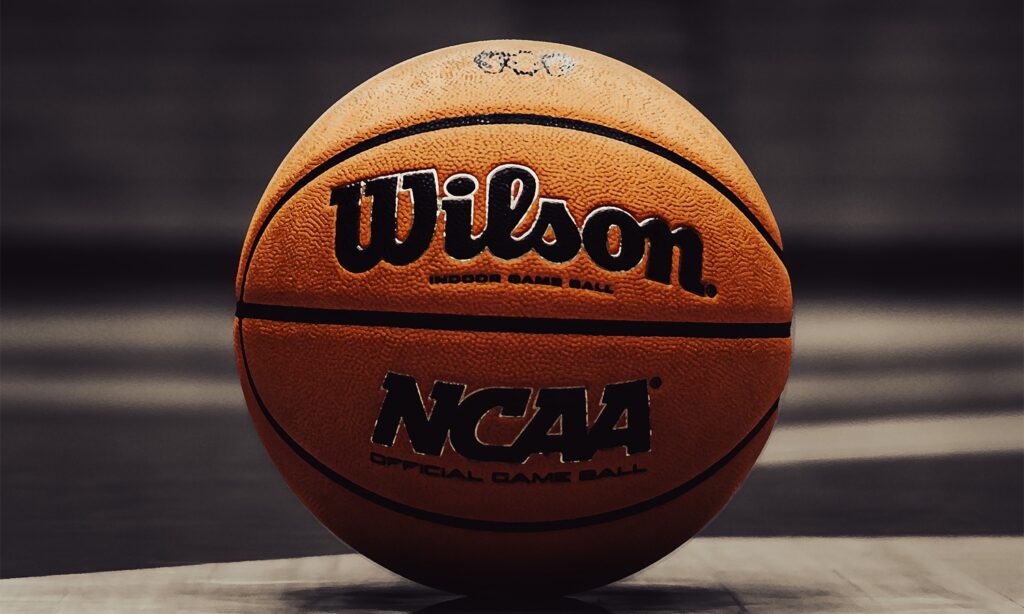
Image Source: www.gaimday.com
How Long Is Halftime In NCAA Basketball?
The halftime break in NCAA basketball is 20 minutes long. This standard duration applies to both men’s and women’s games and is a key element in the overall NCAA basketball game structure.
Basketball games, especially at the collegiate level, are more than just the on-court action. They are meticulously structured events designed to provide an engaging experience for fans and allow athletes adequate rest and strategic adjustments. A significant part of this structure is the halftime break. Many fans and even some casual observers wonder about the specific duration of this intermission.
Deciphering the NCAA Basketball Halftime Duration
The NCAA basketball halftime duration is a well-defined period within the flow of a game. It’s not a flexible interval; it adheres to specific rules set forth by the NCAA. This 20-minute period serves several crucial purposes, contributing to the overall NCAA basketball game length and the spectator experience.
The Clock Stops for 20 Minutes
When the first half of an NCAA basketball game concludes, the game clock is stopped, and the halftime clock begins its 20-minute countdown. This period is crucial for teams to regroup, discuss strategy, and prepare for the second half. For fans, it’s a chance to grab concessions, visit the restroom, or catch up on replays and analysis.
What Happens During the Halftime Break?
The 20-minute halftime break in college basketball is a busy time, packed with activities for players, coaches, officials, and fans. It’s a vital component of the overall NCAA basketball game structure.
Team Activities
- Rest and Hydration: Players get much-needed rest. They can rehydrate, receive treatment from trainers if needed, and have a moment to catch their breath.
- Coaching and Strategy: Coaches use this time to analyze the first half’s performance, identify areas for improvement, and implement adjustments for the second half. They will often meet with their players to discuss specific plays, defensive schemes, and offensive strategies.
- Warm-up: Some teams may use a portion of the halftime to lightly warm up their shooting muscles, ensuring they stay loose and ready for the second half.
Entertainment and Fan Engagement
- Halftime Shows: Many NCAA basketball games feature halftime entertainment. This can include performances by the school’s marching band, dance teams, cheerleaders, or special acts. These performances are designed to keep the crowd engaged and entertained.
- Concession and Merchandise Sales: The halftime break is a prime time for concessions and merchandise sales. Stadiums and arenas often have special promotions during this period.
- Replays and Analysis: Television broadcasts will use the halftime period for in-depth analysis of the first half, including key plays, player statistics, and expert commentary. This is also when fans at home can catch up on highlights and discussions.
Key NCAA Basketball Rules Halftime
The NCAA basketball rules halftime are designed to ensure fairness and a consistent experience across all games. These rules dictate not only the duration but also what can and cannot happen during this period.
Official Duration and Stoppages
The official NCAA basketball halftime duration is always 20 minutes. This is a strict rule that applies to both regular season and tournament games. The clock starts as soon as the first half officially ends.
- No Early Resumption: Teams cannot return to the court before the 20 minutes are up. The clock is for their break, not an invitation to extend it.
- Officials’ Responsibilities: While the players and coaches are in their locker rooms, officials may use this time to review their own performance or discuss any officiating issues that arose in the first half.
Locker Room Protocol
- Access: Teams have dedicated locker rooms where they can conduct their private team sessions.
- Limited Access: Typically, only team personnel (players, coaches, trainers, managers) are allowed in the locker rooms during halftime. Media and other unauthorized individuals are not permitted.
Understanding NCAA Basketball Game Length
The 20-minute halftime is a significant component of the overall NCAA basketball game length. While the actual playing time is fixed (40 minutes, divided into two 20-minute halves), the clock often stops for fouls, timeouts, out-of-bounds plays, and substitutions. This leads to a considerably longer actual game time than just the 40 minutes of play.
Factors Influencing Total Game Time
- Game Pace: Faster-paced games with fewer stoppages will naturally be shorter overall.
- Number of Fouls: Excessive fouls lead to more free throws, which involve clock stoppages.
- Timeouts: Each team gets a limited number of timeouts per half, and these all add to the game’s duration.
- Halftime: As discussed, the 20-minute college basketball halftime is a fixed block of time that contributes to the total duration.
- Instant Replay Reviews: In certain situations, officials may use instant replay, which can cause additional delays.
- Commercial Breaks: While not part of the official game clock, television broadcasts include commercial breaks that extend the time between game action.
A typical NCAA basketball game, from the opening tip-off to the final buzzer, can often last between 1 hour and 45 minutes to over 2 hours, depending on the factors listed above. The basketball game time NCAA for playing is 40 minutes, but the total event time is much longer.
NCAA Men’s Basketball Halftime vs. NCAA Women’s Basketball Halftime
A common question is whether there’s a difference between the halftime for men’s and women’s NCAA basketball. The good news is, for the most part, the rules are consistent.
Consistency Across Genders
- NCAA Men’s Basketball Halftime: The halftime break for NCAA men’s basketball games is 20 minutes.
- NCAA Women’s Basketball Halftime: Similarly, the halftime break for NCAA women’s basketball games is also 20 minutes.
The NCAA strives for uniformity in its rules to ensure a fair and consistent competitive environment across all its divisions and sports. This includes the duration of breaks like halftime.
Slight Variations in Game Structure (Beyond Halftime)
While halftime duration is the same, there can be minor differences in other aspects of the game structure between men’s and women’s basketball, although these are less pronounced now than in the past. For instance, rules regarding timeouts or certain technical aspects might have evolved differently. However, for the core element of halftime, the college basketball halftime duration remains a constant 20 minutes.
The Basketball Game Clock Halftime
It’s important to distinguish between the basketball game clock halftime and the actual time elapsed on the game clock.
- Game Clock: This is the clock that runs during active play and stops when the ball is dead or for specific events. It totals 40 minutes of playing time.
- Halftime Clock: This is a separate clock that runs down during the 20-minute intermission. It is independent of the game clock. When halftime is over, the game clock restarts from where it left off at the end of the first half.
The distinction is crucial: the 20 minutes of halftime are added to the playing time to get the total duration of the event.
Fathoming the Halftime Break College Basketball
The halftime break college basketball provides more than just a pause in the action; it’s a strategic and logistical necessity.
Strategic Importance
- Analysis and Adjustment: Coaches use the break to review scouting reports, player performance data from the first half, and adjust their game plan accordingly. This could involve changing defensive assignments, altering offensive sets, or providing motivational speeches.
- Player Recovery: Athletes, especially in a physically demanding sport like basketball, benefit from this period of rest. It allows them to recover, rehydrate, and prepare their bodies for the rigors of the second half.
Operational Importance
- Venue Operations: Arena staff use this time for maintenance, restocking concessions, and preparing for the second half’s influx of fans returning from breaks.
- Broadcasting Needs: Television and radio broadcasters utilize the time for pre-planned segments, interviews, and commercial breaks, all crucial for the financial viability of the sport.
NCAA Basketball Game Structure: Halftime’s Place
The NCAA basketball game structure is a sequence of periods designed to create a competitive and engaging experience. Halftime fits neatly into this structure as the transition between the first and second halves.
Game Flow
- First Half: Begins with the opening tip and continues until the end of the first 20-minute period.
- Halftime Break: A 20-minute intermission.
- Second Half: Begins after the halftime break, with the same game clock reset to start the second 20-minute period.
- End of Game: The game concludes when the second half’s game clock expires.
This structure ensures that both halves have equal playing time, and the halftime break acts as a distinct demarcation between them, allowing for necessary pauses in the flow of the game.
Common Misconceptions About NCAA Halftime
While the 20-minute duration is standard, some common misconceptions can arise, particularly regarding the overall NCAA basketball game length.
Clarifying Potential Confusion
- Halftime Length: The most frequent misconception is that halftime might be shorter or longer depending on the game’s intensity or a team’s performance. However, the 20-minute rule is consistently applied.
- Total Game Time: People often confuse the 40 minutes of playing time with the total duration of the event. As we’ve discussed, factors like clock stoppages and the halftime break significantly extend the overall time from start to finish.
- Commercial Breaks: While commercial breaks are part of the broadcast experience, they are not part of the official NCAA basketball halftime duration. The 20 minutes are for the teams and the immediate court activities.
The Halftime Show and Its Impact
While the core of the halftime break is for the teams, the entertainment aspect is a significant draw for fans.
Enhancing the Spectator Experience
- Engagement: Halftime shows, featuring marching bands, dance troupes, or other performers, are designed to keep the energy high in the arena and prevent a lull in the fan experience.
- School Spirit: These performances often showcase school spirit and talent, connecting the athletic event with broader campus life.
- Broadcast Integration: For television viewers, halftime shows provide content beyond game analysis, making the broadcast more comprehensive.
Conclusion: A Standardized Intermission
In summary, the NCAA basketball halftime duration is a consistent 20 minutes, applicable to both men’s and women’s games. This period is a vital part of the NCAA basketball game structure, providing teams with time for rest and strategic adjustments, while also offering opportunities for entertainment and venue operations. It’s one of the many elements that contribute to the overall NCAA basketball game length and the unique atmosphere of a college basketball event. Whether you’re a die-hard fan or a casual observer, knowing the precise length of halftime helps in appreciating the complete package of an NCAA basketball game.
Frequently Asked Questions (FAQ)
- Is halftime the same length for men’s and women’s NCAA basketball?
Yes, the halftime break for both NCAA men’s basketball and NCAA women’s basketball is a standard 20 minutes. - Does the halftime clock ever get extended?
No, the NCAA basketball rules strictly define halftime as 20 minutes. It is not extended for any reason, though minor delays might occur in rare circumstances with officiating or venue issues, but the break itself is fixed. - How much time do teams actually get to talk strategy during halftime?
Teams have the full 20 minutes of the halftime break to rest, rehydrate, and strategize. However, they also use some of this time for personal rest and trainer interaction, so the actual strategic discussion time can vary. - Can players leave the arena during halftime?
No, players and coaches are typically required to remain within the arena confines, usually in their locker rooms, during the halftime break. - Does the basketball game clock restart immediately after halftime?
No, the 20-minute halftime clock runs out. Once the halftime is officially over, the game clock will restart when play resumes on the court.